Smart Integration and User-Friendly Control Systems
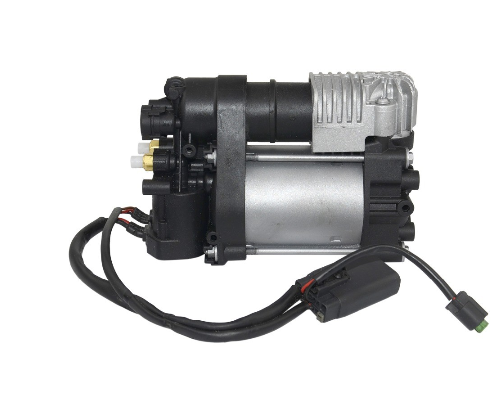
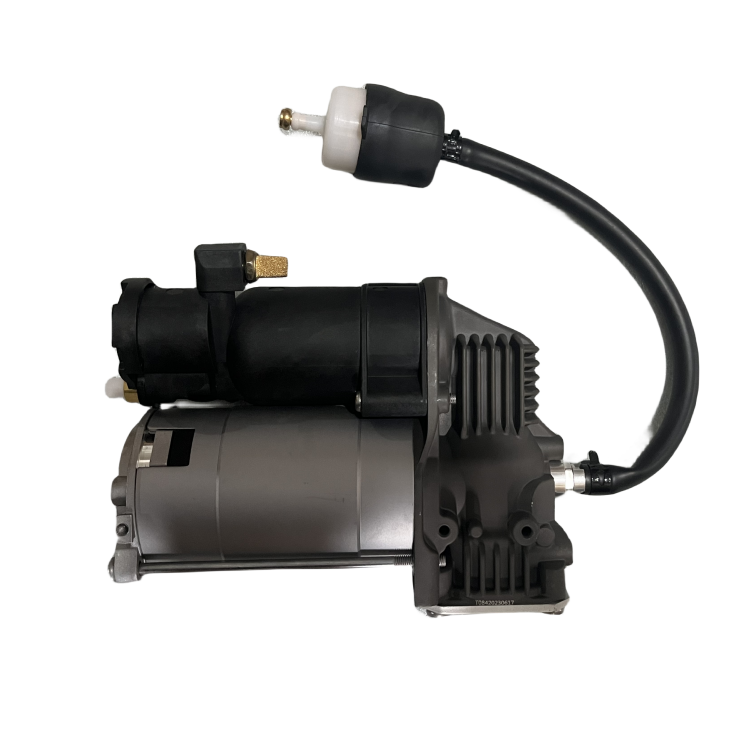
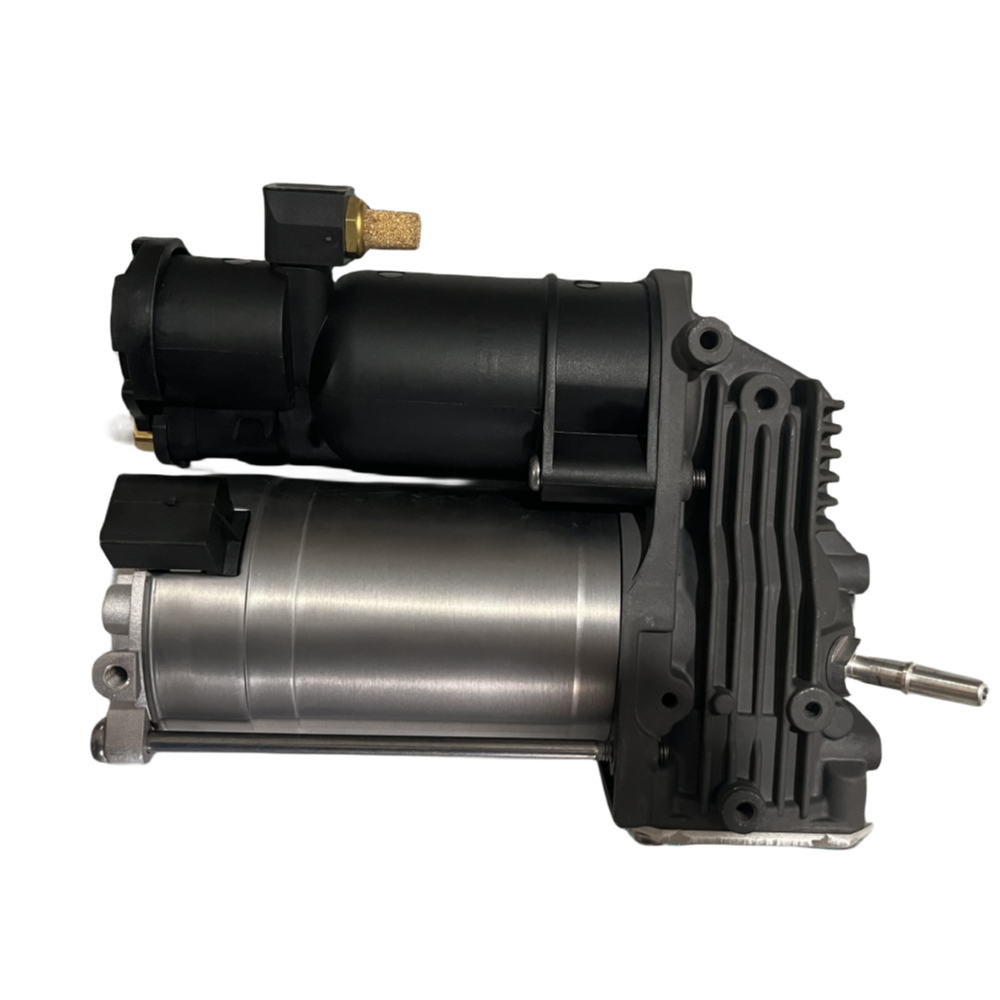
The suspension air compressor excels through its smart integration capabilities and intuitive control systems that make advanced suspension technology accessible to all drivers regardless of technical expertise. Modern implementations feature sophisticated electronic control units that seamlessly communicate with your vehicle's existing computer networks, creating a cohesive system that feels like a factory installation rather than an aftermarket addition. This integration enables the suspension air compressor to access valuable vehicle data including speed, steering angle, brake application, throttle position, and individual wheel speeds, allowing the system to make intelligent decisions about suspension tuning without requiring constant driver input. The user interface typically presents suspension control through multiple methods designed for convenience and safety. Cabin-mounted control panels with clear displays show current ride height settings, allow manual adjustments through simple button presses, and provide system status information at a glance. Many systems offer preset memory positions that recall your preferred settings for different situations, such as normal driving, maximum clearance for off-road use, or lowered stance for vehicle loading and unloading. Advanced implementations incorporate smartphone connectivity through dedicated mobile applications that provide even greater control flexibility. These apps enable you to adjust your suspension air compressor settings from outside the vehicle, useful when preparing to load cargo or showing off your vehicle's stance capabilities. The applications often include diagnostic functions that display system pressure readings, compressor run time, and maintenance reminders, empowering you to monitor system health proactively. Remote monitoring capabilities alert you to potential issues through push notifications, allowing you to address concerns before they strand you roadside. The smart integration extends to safety features as well, with the suspension air compressor system incorporating multiple fail-safe mechanisms. If the system detects a significant air leak or compressor failure, it automatically defaults to a safe ride height that allows continued driving to reach service facilities. Pressure sensors at each corner constantly monitor air spring inflation, immediately alerting the control system to any abnormalities. The suspension air compressor itself includes current limiters and thermal cutouts that prevent damage from electrical faults or overheating scenarios. Many systems feature adjustable speed-sensitive lowering that automatically reduces ride height as vehicle velocity increases, then raises the vehicle again when slowing down, all without driver intervention. This automation enhances both aerodynamic efficiency and safety by maintaining appropriate ground clearance for current driving conditions. The sophistication of these control systems makes the suspension air compressor practical for daily use, eliminating the complexity that once characterized air suspension technology while delivering professional-grade performance that enthusiasts and practical users alike can appreciate and rely upon for years of trouble-free service.

 EN