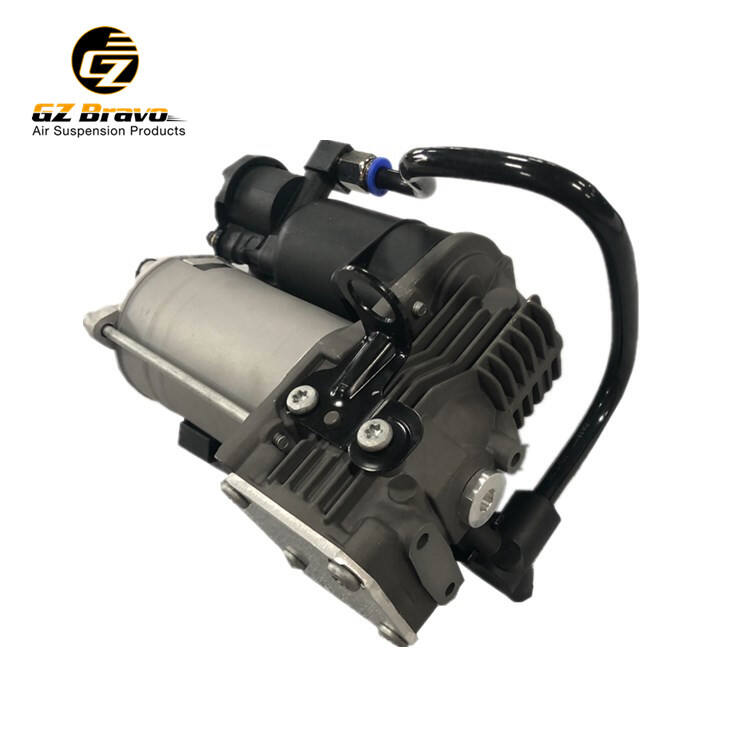
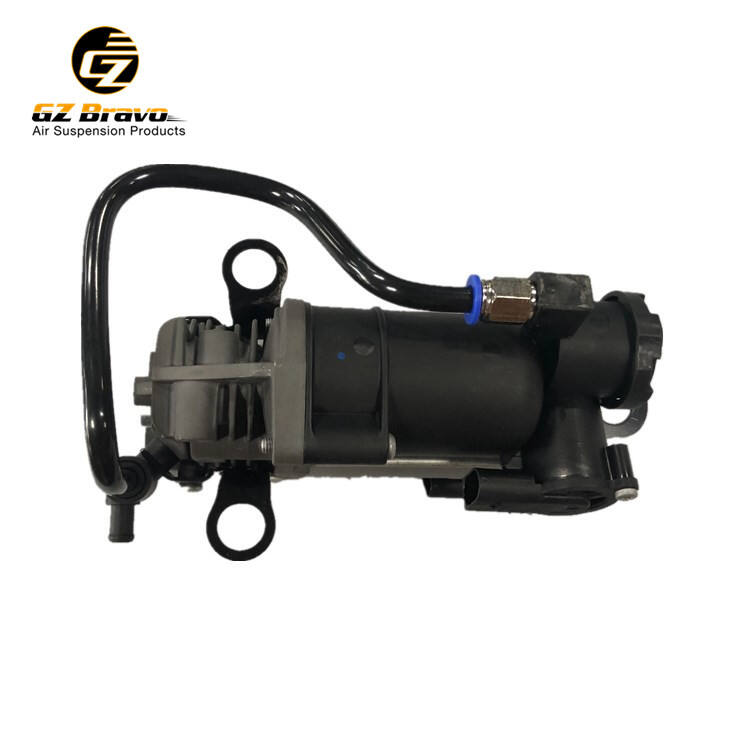
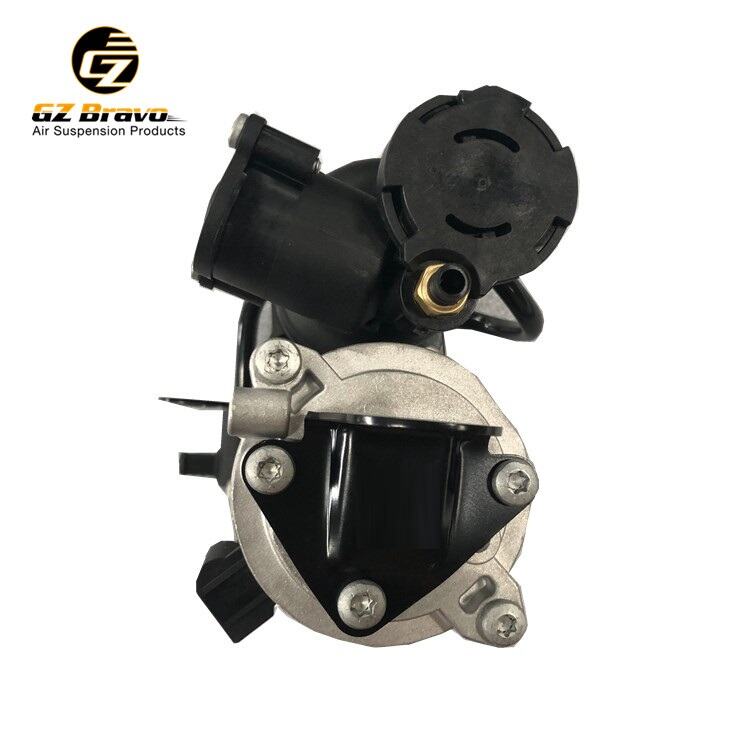
Seamless Integration with Vehicle Systems
The Mercedes air compressor distinguishes itself through flawless integration with the comprehensive network of electronic and mechanical systems that comprise modern Mercedes-Benz vehicles, creating a synergistic relationship that amplifies overall performance. This integration begins with the communication protocols that allow the air compressor control module to exchange data with the central vehicle computer, traction control systems, adaptive cruise control, and even navigation systems. When your Mercedes approaches a curve identified by the navigation system, the air suspension preemptively adjusts firmness settings to optimize handling, with the Mercedes air compressor standing ready to make pressure adjustments as needed. This predictive capability represents a leap forward from reactive systems that only respond after detecting changes in vehicle dynamics. The integration extends to the Mercedes air compressor working in concert with the adaptive damping system, which electronically controls shock absorber firmness. By coordinating air spring pressure with damper settings, the system achieves ride quality refinement impossible with either technology operating independently. During sport driving modes selected through the dashboard interface, the Mercedes air compressor maintains higher baseline pressures while the dampers stiffen, creating a firm, responsive suspension character that enhances driver engagement. Switch to comfort mode, and the system reduces air pressure slightly while softening damper settings, producing that signature Mercedes magic carpet ride quality. The load-leveling integration proves particularly valuable for drivers who frequently carry varying cargo weights or tow trailers within their vehicle's rated capacity. The Mercedes air compressor receives weight data from sensors built into the suspension components, automatically compensating for added load by increasing air pressure to maintain proper ride height and handling characteristics. This automatic adjustment ensures your headlights maintain correct aim regardless of trunk contents, improving nighttime visibility and preventing the glare that annoys oncoming drivers. The integration also encompasses diagnostic capabilities that provide detailed information to service technicians through the OBD-II port, identifying specific fault codes that pinpoint problems quickly and accurately. This diagnostic integration reduces troubleshooting time and ensures repairs address root causes rather than symptoms, saving you money and preventing repeat visits for the same issue. The Mercedes air compressor communicates its operational status to the instrument cluster, providing visual and audible alerts if pressure falls outside normal parameters or if the system detects component failures requiring attention.

 EN