Air Compressor Suspension Systems: Advanced Technology for Superior Comfort and Performance

Get a Free Quote

Our representative will contact you soon.
Email
Name
Company Name
Message
0/1000

air compressor suspension

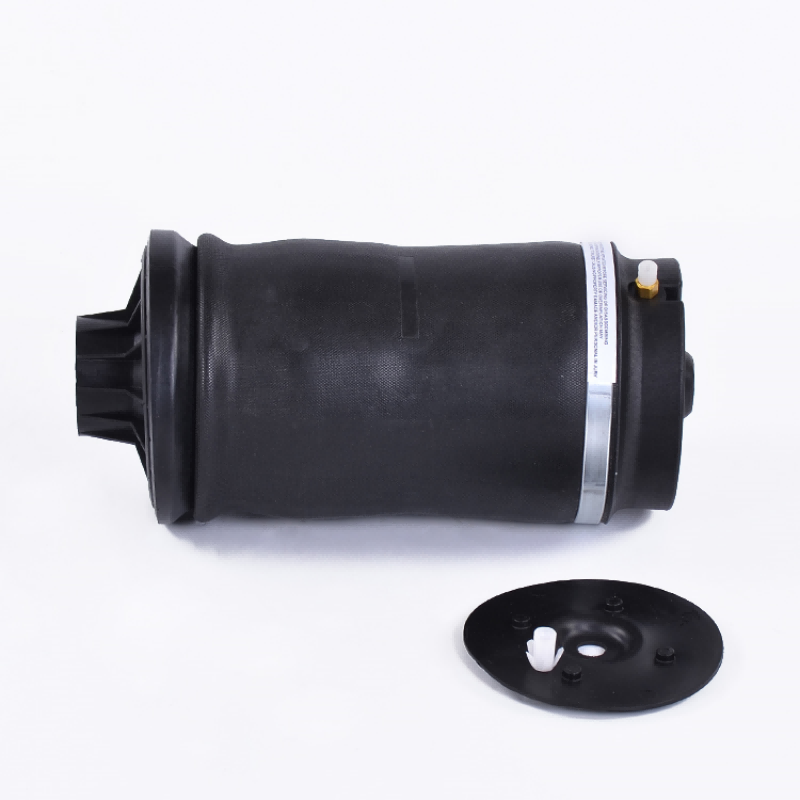
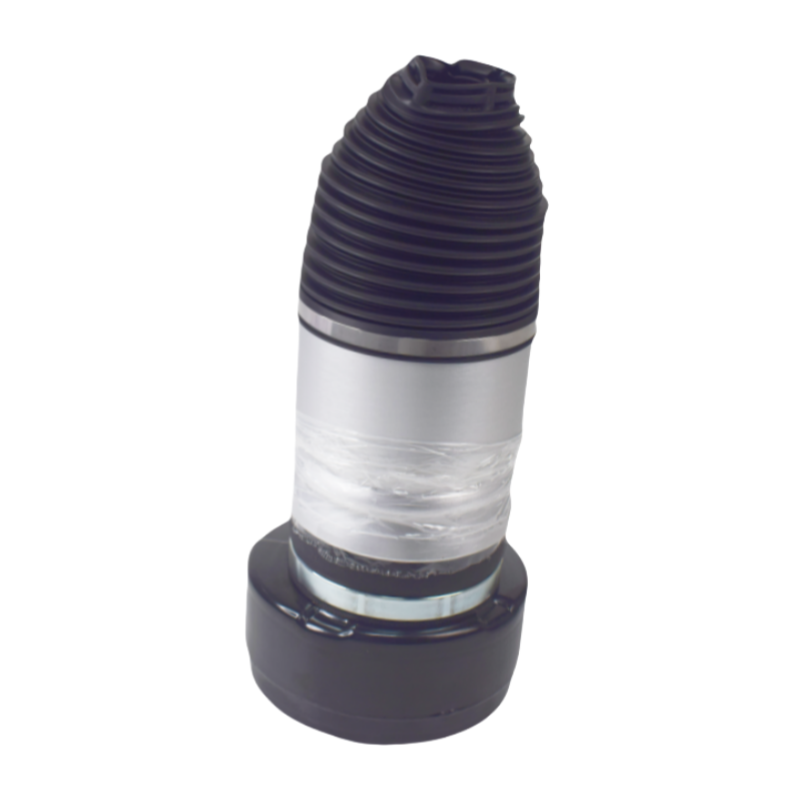
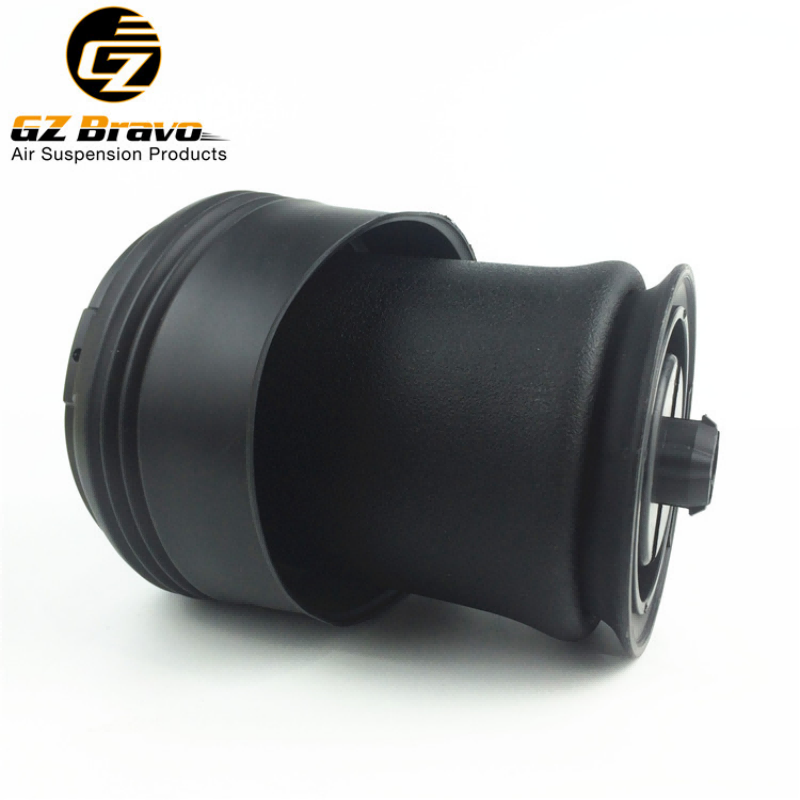
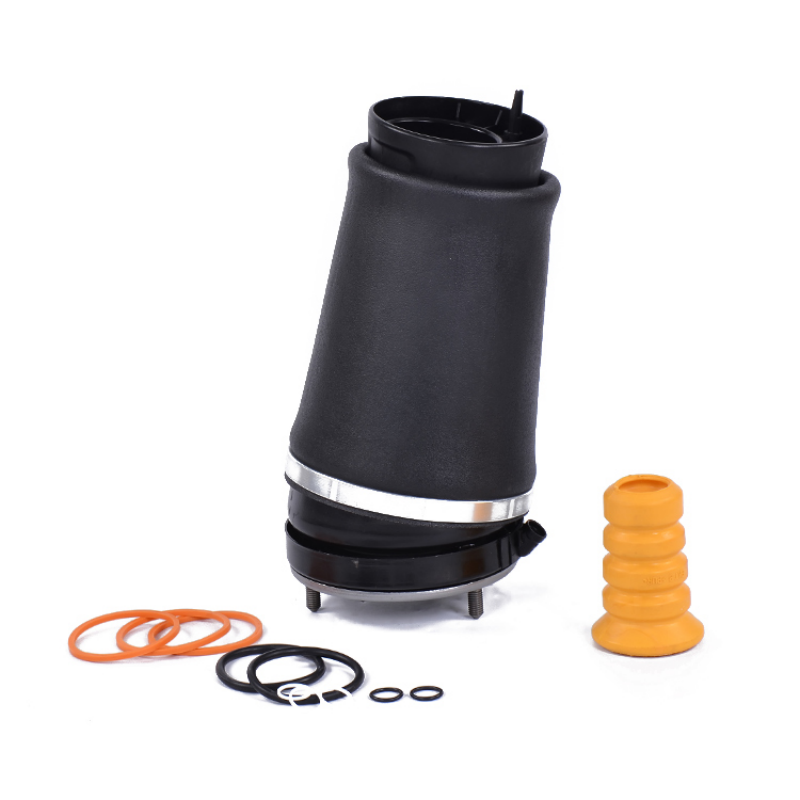
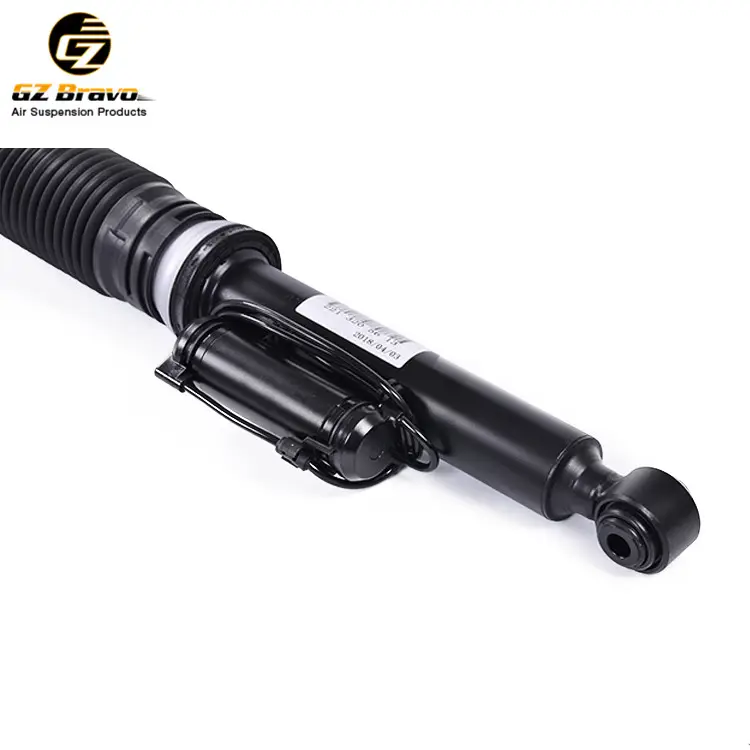
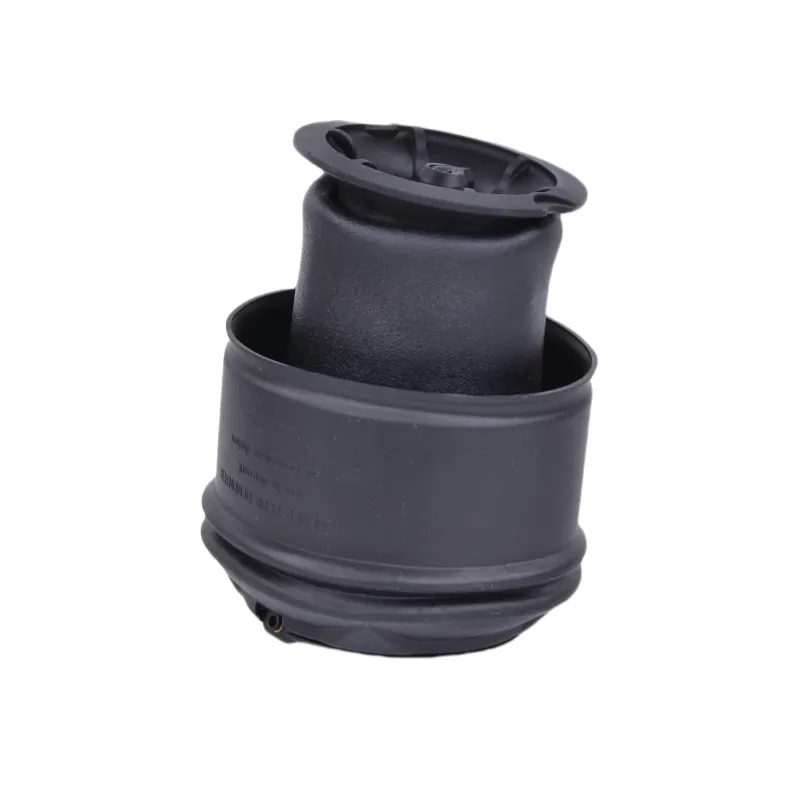
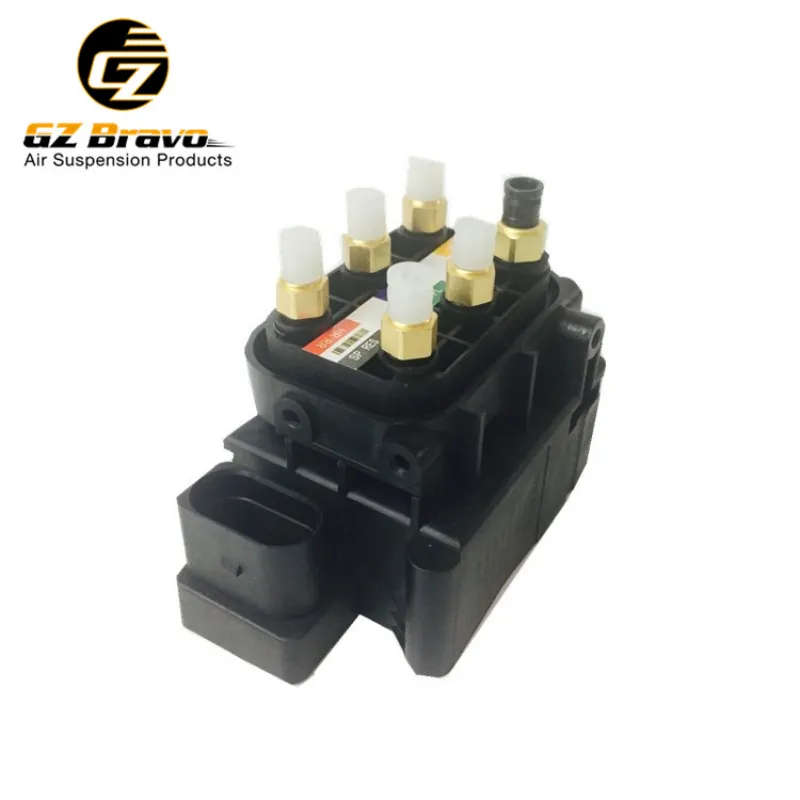
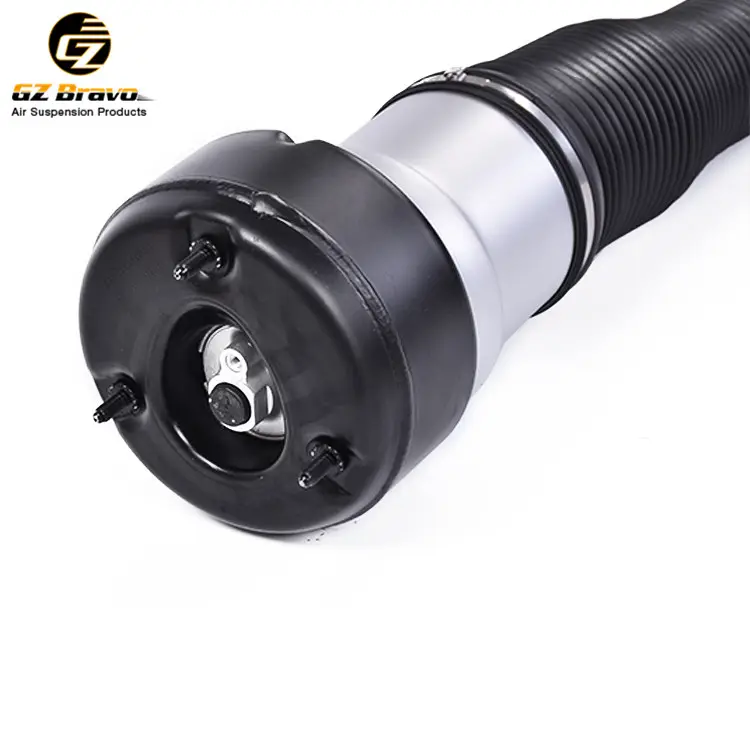
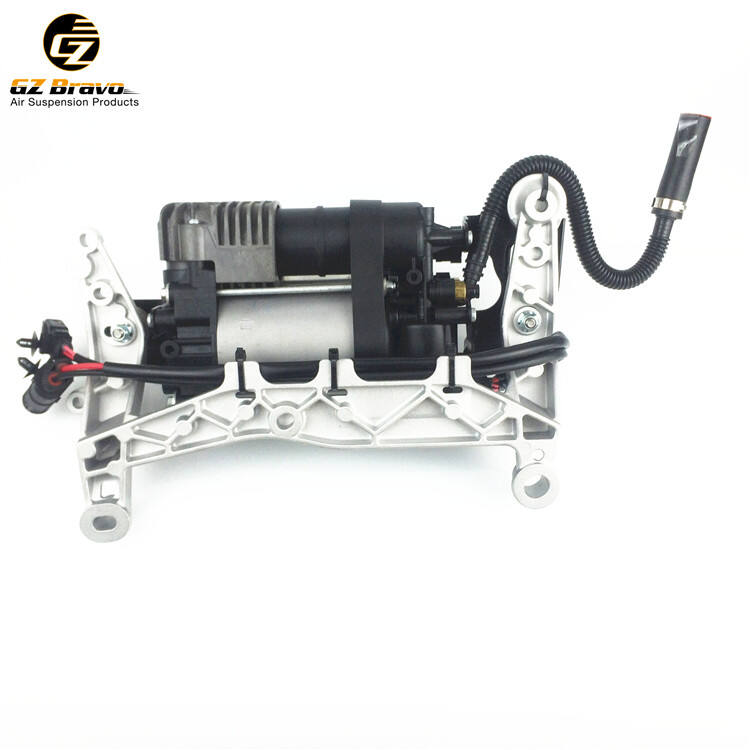
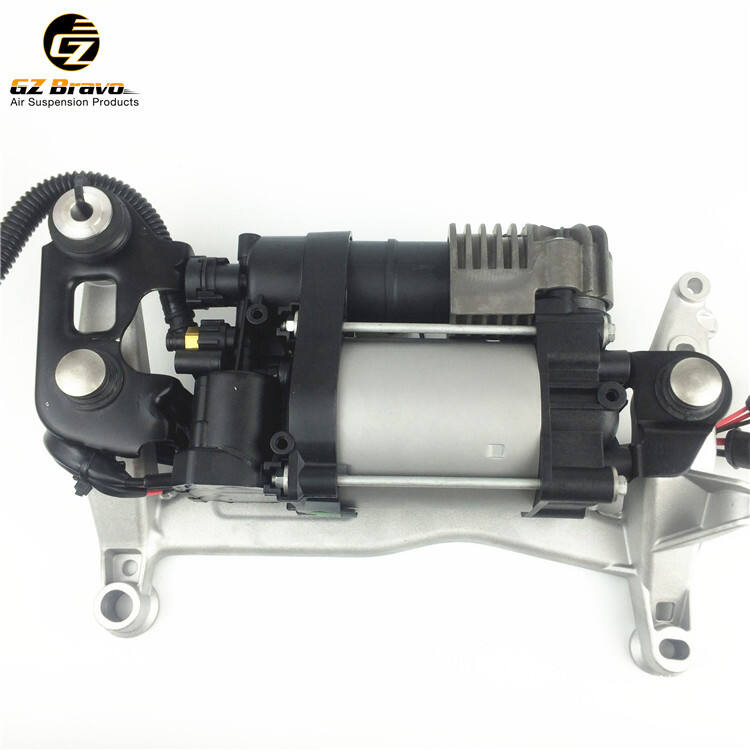
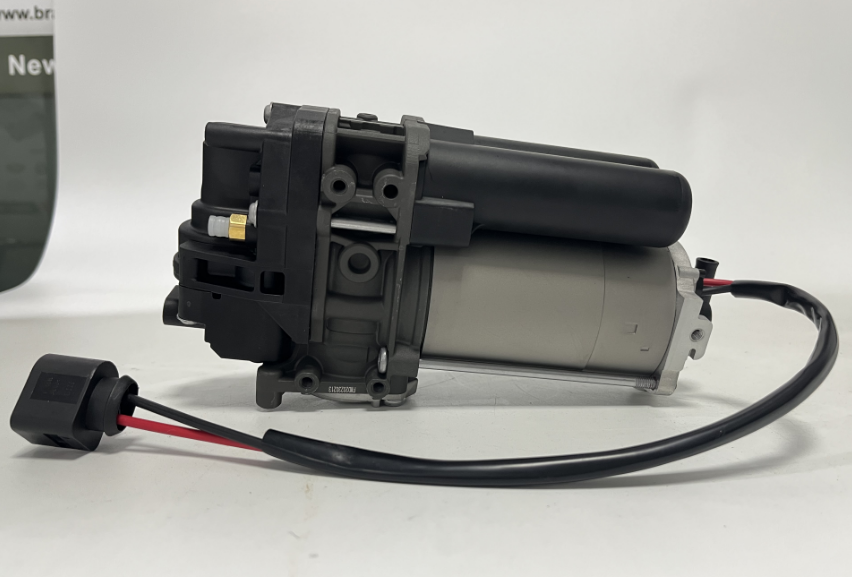
Air compressor suspension represents a revolutionary advancement in vehicle suspension technology that utilizes compressed air instead of traditional mechanical springs to support vehicle weight and absorb road impacts. This innovative system consists of several critical components including air springs, also known as airbags, an air compressor unit, pneumatic lines, electronic control modules, and height sensors that work together seamlessly. The air compressor suspension operates by pressurizing air into flexible rubber and polyurethane bellows that replace conventional coil or leaf springs, providing variable support based on load conditions and driving requirements. The main functions of this sophisticated system include automatic load leveling, which maintains consistent ride height regardless of cargo weight or passenger count, dynamic ride height adjustment that adapts to different driving speeds and conditions, and superior vibration dampening that significantly enhances passenger comfort. The technological features incorporate real-time monitoring capabilities through advanced sensors that continuously assess vehicle position, electronic control systems that process data and adjust air pressure within milliseconds, and multiple operational modes that drivers can select based on preference or terrain. Applications of air compressor suspension span across various vehicle categories including luxury sedans where comfort is paramount, commercial trucks and buses that require reliable load management, recreational vehicles and motorhomes seeking enhanced stability, performance sports cars demanding precise handling characteristics, and specialized transport vehicles carrying sensitive equipment. The system's versatility makes it particularly valuable in situations requiring frequent load changes, as it automatically compensates without manual intervention. Furthermore, air compressor suspension technology integrates seamlessly with modern vehicle safety systems, working in conjunction with electronic stability control, adaptive damping systems, and driver assistance features to provide comprehensive vehicle dynamics management that enhances both safety and driving pleasure across diverse operating conditions.

Popular Products

The primary advantage of implementing air compressor suspension in your vehicle centers on the exceptional comfort it delivers during every journey. Unlike traditional suspension systems that remain fixed in their characteristics, this technology actively responds to changing road conditions, absorbing bumps, potholes, and surface irregularities with remarkable efficiency. The system creates a smooth, cushioned ride that reduces fatigue during long trips and protects passengers from harsh jolts and vibrations that typically transfer through conventional springs. Another significant benefit involves the automatic load leveling capability that maintains optimal vehicle stance regardless of weight distribution. When you load cargo in the trunk or trailer, the system instantly detects the added weight and increases air pressure to compensate, preventing the rear end from sagging and maintaining proper headlight aim, which enhances nighttime driving safety. This feature proves especially valuable for families who frequently travel with varying passenger numbers or businesses that transport different load weights throughout the day. The adjustable ride height functionality provides practical advantages in multiple scenarios. You can raise the vehicle for increased ground clearance when navigating rough terrain, speed bumps, or steep driveways, then lower it for improved aerodynamics during highway driving, which contributes to better fuel efficiency. The lowered position also makes entry and exit easier for passengers with mobility challenges and simplifies loading heavy items into cargo areas. Improved handling characteristics represent another compelling advantage, as the system maintains optimal tire contact with the road surface through precise pressure adjustments. This results in better cornering stability, reduced body roll during turns, and enhanced towing capability when hauling trailers or campers. The system also extends tire life by ensuring even weight distribution across all contact patches, preventing premature wear patterns that occur with sagging or unbalanced suspension. Long-term durability benefits emerge because air compressor suspension components experience less mechanical stress compared to metal springs that fatigue over time. The absence of metal-to-metal contact reduces squeaks and rattles, while the sealed air system protects internal components from corrosion and environmental damage. Additionally, individual air springs can be serviced or replaced without affecting other suspension elements, making maintenance more economical. The technology also adds resale value to vehicles, as buyers recognize the premium comfort and functionality advantages, making it a worthwhile investment that pays dividends throughout ownership and beyond.

Latest News

How does air suspension enhance stability during high-speed driving operations?

27

May

How does air suspension enhance stability during high-speed driving operations?

When a vehicle travels at high speed, the margin for error shrinks dramatically. Every bump in the road, every shift in load distribution, and every gust of crosswind becomes a real threat to driver control. This is precisely where air suspension pro...
View More
What factors affect durability of air suspension components in daily use?

27

May

What factors affect durability of air suspension components in daily use?

When it comes to vehicle ride quality and load management, air suspension components play a central role in delivering comfort, stability, and adaptability across a wide range of driving conditions. Unlike traditional coil spring setups, air-based sy...
View More
How does a solenoid valve block improve suspension adjustment accuracy?

03

Jun

How does a solenoid valve block improve suspension adjustment accuracy?

Modern air suspension systems rely on a precise network of components to deliver a smooth, controlled ride — and at the heart of that network sits the solenoid valve block. This compact but critical assembly governs how compressed air is distri...
View More
How does an air suspension compressor improve performance in load support systems?

03

Jun

How does an air suspension compressor improve performance in load support systems?

When a vehicle carries heavy loads or navigates uneven terrain, the demands placed on its suspension system increase dramatically. An air suspension compressor sits at the heart of any pneumatic load support system, continuously managing air pressure...
View More

Get a Free Quote

Our representative will contact you soon.
Email
Name
Company Name
Message
0/1000

air compressor suspension

Advanced Load Management and Automatic Leveling Technology

Advanced Load Management and Automatic Leveling Technology

The sophisticated load management capability built into air compressor suspension systems represents one of its most valuable features for everyday users and commercial operators alike. This technology employs precision height sensors positioned at each corner of the vehicle that continuously monitor the distance between the chassis and ground surface, sending real-time data to the electronic control unit dozens of times per second. When the system detects any deviation from the programmed ride height, whether caused by additional passengers entering the vehicle, cargo being loaded into the trunk, or a trailer being attached to the hitch, it immediately activates the air compressor to adjust pressure in the affected air springs. This instantaneous response happens automatically without any driver input required, making the experience seamless and effortless. The practical implications of this automatic leveling extend far beyond mere convenience. Maintaining consistent vehicle height ensures that headlights remain properly aimed regardless of load conditions, which directly impacts safety during nighttime driving by preventing glare to oncoming traffic while ensuring adequate road illumination. The level stance also preserves optimal suspension geometry, keeping steering response predictable and braking force distribution balanced across all wheels. For commercial applications, this feature proves invaluable when vehicles experience frequent load changes throughout the workday, such as delivery trucks that gradually lighten as packages are delivered or passenger buses that vary in occupancy from route to route. The system prevents the excessive rear squat that compromises handling and accelerates tire wear when traditional suspensions become overloaded. Additionally, the load management system protects the vehicle structure itself by preventing overextension of suspension components and maintaining proper alignment between body panels and mechanical elements. This protective function extends component lifespan and reduces maintenance requirements over the vehicle's operational life. The air compressor suspension system can typically support load variations ranging from empty vehicle weight to maximum payload capacity, offering a dynamic range that fixed mechanical springs simply cannot match, making it an indispensable feature for anyone who regularly experiences variable loading conditions or prioritizes consistent vehicle performance across different operating scenarios.
Multi-Mode Ride Height Adjustment for Enhanced Versatility

Multi-Mode Ride Height Adjustment for Enhanced Versatility

The ability to command multiple ride height positions on demand transforms how drivers interact with their vehicles and navigate diverse environments. Air compressor suspension systems typically offer three to five selectable height settings, each optimized for specific driving conditions or practical needs. The standard or normal mode positions the vehicle at its factory-specified ride height, balancing comfort, handling, and aerodynamics for everyday driving situations. When approaching obstacles like steep driveway entrances, rocky trails, or flooded roads, drivers can engage the raised mode, which lifts the vehicle body several inches above its normal position, increasing ground clearance to prevent underbody damage and improve approach and departure angles. This capability proves particularly beneficial for vehicles that split time between paved roads and light off-road use, eliminating the compromises typically associated with fixed-height suspensions. Conversely, the lowered mode reduces ride height for highway cruising, where the reduced frontal area and improved aerodynamic profile can decrease wind resistance and contribute to better fuel economy, especially noticeable during extended highway journeys. The lowered position also enhances stability at higher speeds by lowering the vehicle's center of gravity, reducing body lean during lane changes and improving overall handling precision. Beyond driving dynamics, the lowered setting provides significant accessibility advantages, reducing the step-in height to make entry and exit easier for children, elderly passengers, or individuals with physical limitations. This same lowered position simplifies loading heavy or bulky items into cargo areas, reducing the lifting height required and minimizing strain on the user's back. Some advanced air compressor suspension systems incorporate an additional access or entry mode that drops the vehicle even lower when parked, specifically to facilitate passenger boarding or cargo loading operations. The system typically includes safety protocols that prevent driving at inappropriate heights, automatically adjusting to a safe position when vehicle speed exceeds certain thresholds. The mode selection process is typically straightforward, executed through dashboard controls, smartphone applications, or even automatic programming that remembers driver preferences based on conditions. This versatility essentially gives owners multiple vehicles in one, adapting the platform's characteristics to match immediate needs rather than forcing compromises, which explains why this feature resonates strongly with buyers who value flexibility and refuse to accept the limitations of conventional suspension designs.
Superior Comfort Through Adaptive Damping Characteristics

Superior Comfort Through Adaptive Damping Characteristics

The exceptional comfort delivered by air compressor suspension stems from its unique ability to adapt damping characteristics in real time, responding to road conditions with a sophistication that traditional suspension systems cannot replicate. The flexible nature of air springs themselves provides the foundation for this superior comfort, as the pneumatic cushion inherently absorbs impacts differently than metal coil springs. Air compresses progressively, meaning the resistance increases gradually as the spring compresses, creating a more controlled and cushioned response to road irregularities compared to the linear or often harsh response of metal springs. This progressive characteristic prevents the harsh bottoming sensation that occurs when conventional suspensions reach their travel limits, instead providing a smooth, controlled compression even over severe bumps. The system's electronic control capabilities amplify these natural advantages by continuously adjusting air pressure to optimize damping for current conditions. When sensors detect smooth highway surfaces, the system can reduce pressure slightly to maximize comfort, allowing the suspension to absorb even minor surface imperfections that would otherwise transmit vibrations into the cabin. Conversely, when encountering rougher roads or during spirited driving, the system increases pressure to firm up the suspension, maintaining body control and preventing excessive float or wallowing motions that cause passenger discomfort and driver fatigue. This adaptive behavior happens automatically and continuously, creating a magic carpet ride quality that passengers immediately notice and appreciate. The isolation from road noise represents another comfort dimension, as air springs transmit significantly less structure-borne sound compared to metal springs that can conduct vibrations directly into the vehicle chassis. This acoustic advantage contributes to the quieter, more refined cabin environment associated with luxury vehicles. The comfort benefits extend beyond the immediate occupants to cargo as well, as the gentle suspension action reduces shock loads on transported items, making air compressor suspension particularly valuable for vehicles carrying fragile goods, sensitive electronics, or passengers requiring smooth transport for medical reasons. Long-distance travelers especially value this comfort advantage, as the reduced vibration and improved isolation significantly decrease fatigue accumulation during extended journeys. The system maintains this superior comfort across the entire load range, unlike traditional suspensions that may ride comfortably when empty but become harsh when loaded, or vice versa, providing consistent passenger comfort regardless of how many people or how much cargo the vehicle carries at any given moment.

Get a Free Quote

Our representative will contact you soon.
Email
Name
Company Name
Message
0/1000