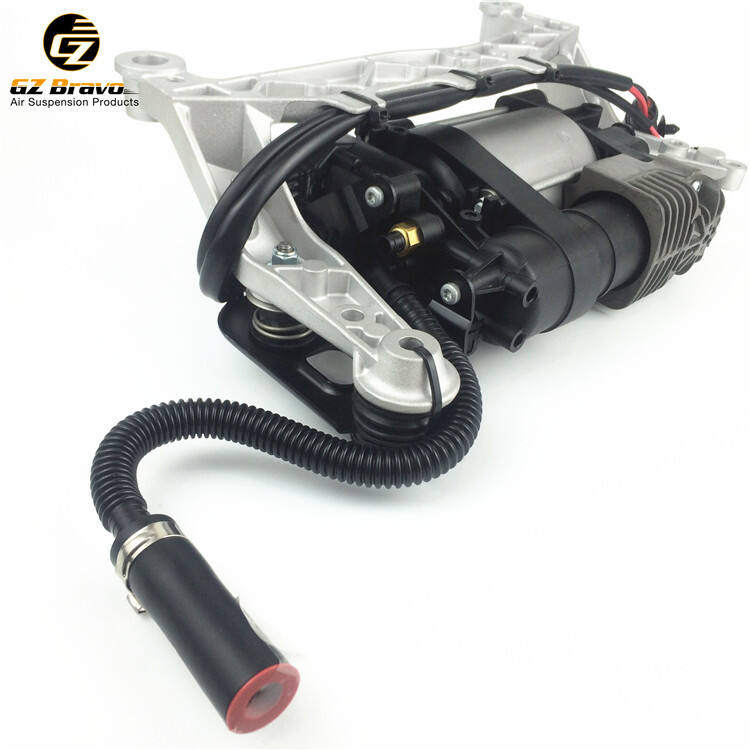
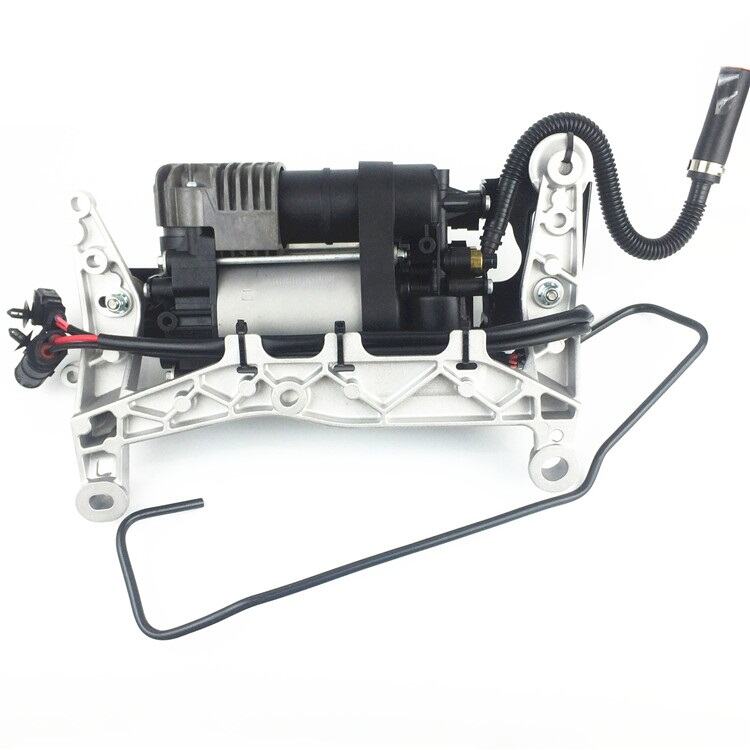
Porsche Cayenne Air Pump: Advanced Emissions Control System for Luxury Performance SUVs

Get a Free Quote

Our representative will contact you soon.
Email
Name
Company Name
Message
0/1000

porsche cayenne air pump

The Porsche Cayenne air pump represents a critical component in the vehicle's secondary air injection system, designed to reduce harmful emissions during cold engine starts. This sophisticated device forces fresh air into the exhaust manifold immediately after ignition, allowing unburned hydrocarbons to combust more completely before entering the catalytic converter. The Porsche Cayenne air pump operates at precisely calibrated intervals, typically activating during the first 90 to 120 seconds after a cold start when exhaust gases contain elevated levels of pollutants. This mechanism plays an essential role in meeting stringent emissions standards across global markets while maintaining the performance characteristics expected from a luxury performance SUV. The air pump system includes the pump motor itself, check valves that prevent backflow of exhaust gases, connecting hoses reinforced to withstand high temperatures, and an electronic control module that coordinates operation with the engine management system. Modern Porsche Cayenne air pump assemblies feature brushless motor technology that delivers exceptional durability and reduced maintenance requirements compared to earlier designs. The pump generates sufficient airflow volume to significantly accelerate the warm-up phase of the catalytic converter, ensuring optimal emissions control within the shortest possible timeframe. Integration with the vehicle's onboard diagnostic system allows continuous monitoring of air pump function, triggering dashboard warnings if performance falls outside acceptable parameters. The Porsche Cayenne air pump demonstrates advanced engineering through its compact design that fits within the constrained space of the engine bay while delivering robust performance across varying altitude and temperature conditions. This component exemplifies how luxury automotive manufacturers balance environmental responsibility with driving dynamics, ensuring that owners enjoy both powerful acceleration and clean operation that complies with California Air Resources Board and European Union emissions regulations.

New Product Recommendations

Owners of the Porsche Cayenne benefit substantially from the air pump system through multiple practical advantages that enhance both vehicle performance and long-term ownership experience. The primary benefit centers on emissions reduction, with the Porsche Cayenne air pump cutting hydrocarbon and carbon monoxide output by up to 60 percent during the critical cold start phase when engines produce the majority of their lifetime pollutant emissions. This dramatic reduction means Cayenne owners contribute less environmental impact during daily driving while maintaining full access to the vehicle's impressive power capabilities. The system operates transparently without requiring driver intervention or affecting vehicle responsiveness, making environmental compliance completely effortless. Financial advantages emerge through extended catalytic converter lifespan, as the Porsche Cayenne air pump prevents raw fuel from reaching and damaging the expensive catalyst materials during warm-up cycles. This protection translates to thousands of dollars in avoided replacement costs over the vehicle's lifetime. Regulatory compliance represents another significant advantage, particularly for owners in regions with strict emissions testing requirements. The properly functioning Porsche Cayenne air pump ensures passing mandatory inspections without modification or special preparation, avoiding testing failures that create inconvenience and expense. Modern iterations of the air pump system demonstrate exceptional reliability, with many units operating flawlessly beyond 150,000 miles when maintained according to factory specifications. The brushless motor design eliminates the wear patterns that plagued earlier systems, reducing the likelihood of unexpected failures. Diagnostic capabilities built into the Porsche Cayenne air pump system provide early warning of potential issues before they escalate into costly repairs or emissions test failures. The dashboard notification system alerts drivers immediately if pump performance degrades, allowing proactive service scheduling rather than roadside emergencies. Performance enthusiasts appreciate that the air pump system adds negligible weight while consuming minimal electrical power only during brief activation periods, meaning zero impact on acceleration, handling, or fuel economy during normal driving. The sophisticated control algorithms ensure the Porsche Cayenne air pump activates only when necessary based on engine temperature, ambient conditions, and previous operating cycles, optimizing effectiveness while minimizing component wear. This intelligent operation extends service intervals and reduces total cost of ownership. Installation quality from the factory ensures proper sealing and secure mounting that prevents rattles or vibrations even after years of operation across rough terrain. The system's integration with existing engine bay components demonstrates thoughtful packaging that facilitates service access when maintenance eventually becomes necessary, reducing labor costs at qualified service centers.

Practical Tips

How does a solenoid valve block improve airflow management in suspension setups?

03

Jun

How does a solenoid valve block improve airflow management in suspension setups?

Modern air suspension systems depend on precise control of pressurized air to deliver the ride comfort and handling performance that drivers expect. At the center of this control architecture sits the solenoid valve block, a compact but critically im...
View More
Is a solenoid valve block essential for precise control in air suspension systems?

03

Jun

Is a solenoid valve block essential for precise control in air suspension systems?

The question of whether a solenoid valve block is truly essential for precise control in air suspension systems is one that every vehicle owner, fleet manager, and automotive technician should understand clearly. Air suspension systems are complex, p...
View More
Can a solenoid valve block support fast response in adaptive suspension systems?

03

Jun

Can a solenoid valve block support fast response in adaptive suspension systems?

When engineers and automotive specialists evaluate the performance ceiling of adaptive suspension systems, one component consistently emerges as a critical enabler of real-time responsiveness: the solenoid valve block. In air suspension architectures...
View More
How does an air suspension compressor improve performance in load support systems?

03

Jun

How does an air suspension compressor improve performance in load support systems?

When a vehicle carries heavy loads or navigates uneven terrain, the demands placed on its suspension system increase dramatically. An air suspension compressor sits at the heart of any pneumatic load support system, continuously managing air pressure...
View More

Get a Free Quote

Our representative will contact you soon.
Email
Name
Company Name
Message
0/1000

porsche cayenne air pump

Advanced Emissions Control Technology for Environmental Compliance

Advanced Emissions Control Technology for Environmental Compliance

The Porsche Cayenne air pump incorporates cutting-edge emissions control technology that positions this luxury SUV at the forefront of environmental responsibility without compromising the dynamic performance characteristics that define the Porsche brand. This system addresses the fundamental challenge of cold start emissions, the period when internal combustion engines produce disproportionate amounts of pollutants due to incomplete fuel combustion and inefficient catalytic converter operation. During the first two minutes of operation, a conventional engine generates more harmful emissions than during the subsequent hour of driving, making this brief interval critical for overall environmental impact. The Porsche Cayenne air pump solves this problem through precisely timed injection of fresh oxygen directly into the exhaust stream immediately downstream of the exhaust ports. This supplemental air creates ideal conditions for secondary combustion of unburned hydrocarbons and carbon monoxide while the exhaust gases remain hot enough to sustain chemical reactions. The result represents a dramatic improvement in emissions quality that allows the Cayenne to meet California's ultra-low emission vehicle standards and European Euro 6 requirements with substantial margin. The technological sophistication extends beyond simple air delivery to encompass intelligent system management through the vehicle's central computer network. Sensors throughout the engine bay provide real-time data on coolant temperature, ambient air temperature, barometric pressure, and engine load, allowing the control module to calculate the optimal air pump activation duration and intensity for current conditions. High-altitude operation receives automatic compensation to maintain effectiveness despite reduced atmospheric oxygen content, while extreme cold weather triggers extended pump operation to offset slower catalyst warm-up rates. The physical construction of the Porsche Cayenne air pump reflects decades of refinement in electric motor technology and materials science. The pump housing utilizes heat-resistant composite materials that maintain structural integrity despite proximity to exhaust components reaching several hundred degrees. Internal bearings employ advanced lubricants that remain effective across the full temperature range from arctic cold starts to desert summer operation. The impeller design maximizes airflow efficiency while minimizing noise generation, ensuring the system operates unobtrusively without detracting from the refined cabin environment Porsche owners expect. Environmental benefits extend beyond regulatory compliance to encompass real-world air quality improvements in urban environments where cold starts occur most frequently during morning commutes.
Exceptional Reliability and Longevity Through Premium Engineering

Exceptional Reliability and Longevity Through Premium Engineering

The Porsche Cayenne air pump demonstrates exceptional reliability that reflects the manufacturer's commitment to engineering excellence and long-term customer satisfaction, distinguishing this component from lesser alternatives found in mainstream vehicles. Porsche engineers designed this system to withstand the demanding operating conditions inherent in a performance SUV capable of both spirited on-road driving and occasional off-road excursions, ensuring consistent operation regardless of how owners choose to enjoy their vehicles. The foundation of this reliability begins with component selection, where every element from electrical connectors to mounting brackets receives specification for automotive-grade durability that exceeds typical service life expectations. The electric motor at the heart of the Porsche Cayenne air pump utilizes brushless technology that eliminates the primary wear mechanism affecting conventional motors, where carbon brushes gradually deteriorate through friction against the commutator. Brushless designs substitute electronic switching for mechanical contact, removing this failure mode entirely while simultaneously improving efficiency and reducing electromagnetic interference that could affect sensitive vehicle electronics. This architectural decision alone extends expected service life by 200 to 300 percent compared to older brush-type pumps, translating to reliable operation well beyond typical vehicle ownership periods for most drivers. Bearing assemblies within the pump receive premium sealed designs that exclude contaminants while retaining specialized lubricants formulated for extreme temperature stability, ensuring smooth rotation whether starting in subzero conditions or operating in engine bays exceeding 200 degrees Fahrenheit. Quality control during manufacturing includes 100 percent functional testing of completed assemblies, where each Porsche Cayenne air pump undergoes verification of airflow volume, electrical current draw, noise levels, and vibration characteristics before approval for installation. This comprehensive screening eliminates defective units before they reach customers, substantially reducing the already low failure rates associated with premium components. The control electronics incorporate diagnostic capabilities that continuously monitor system performance, detecting degradation trends before they result in complete failures. When the system identifies concerning patterns such as gradually increasing motor current or declining airflow, it stores diagnostic trouble codes that service technicians retrieve during routine maintenance visits, enabling predictive replacement that prevents roadside breakdowns. Integration with the vehicle's maintenance scheduling system ensures owners receive timely reminders for inspection services based on actual operating conditions rather than arbitrary mileage intervals. The physical installation location receives careful consideration to minimize exposure to road debris, water intrusion, and excessive heat while maintaining service accessibility, demonstrating the holistic approach Porsche takes toward long-term ownership satisfaction.
Seamless Integration with Vehicle Systems for Optimal Performance

Seamless Integration with Vehicle Systems for Optimal Performance

The Porsche Cayenne air pump achieves its impressive effectiveness through sophisticated integration with the vehicle's broader electronic architecture and engine management systems, creating a coordinated approach to emissions control that optimizes results while minimizing any potential impact on driving dynamics or fuel efficiency. This integration represents a fundamental departure from aftermarket or retrofit systems that operate independently of engine parameters, lacking the contextual awareness necessary for truly optimized operation. The Porsche Cayenne air pump receives continuous instruction from the engine control unit, which calculates the precise moment for activation based on coolant temperature sensors that monitor the thermal state of the engine block and cylinder heads. Activation occurs only when temperatures indicate a genuinely cold start rather than a brief engine-off period during errands, preventing unnecessary wear on pump components during warm restarts that provide no emissions benefit. The duration of pump operation adjusts dynamically based on how quickly the catalytic converter reaches its light-off temperature, the threshold where chemical reactions begin efficiently processing exhaust gases. Oxygen sensors positioned before and after the catalyst provide feedback on conversion efficiency, allowing the system to terminate air pump operation the moment it becomes superfluous, conserving electrical energy and component lifespan. This intelligent coordination extends to cold weather operation, where the system recognizes that frigid ambient temperatures slow catalyst warm-up rates despite normal engine operation. Under these conditions, the Porsche Cayenne air pump may operate for extended intervals, providing the supplemental oxygen necessary to maintain acceptable emissions even when heat transfer from exhaust gases proceeds more slowly than in moderate climates. Conversely, in hot weather scenarios where engine bays retain elevated temperatures between trips, the system may reduce or eliminate pump activation when sensors determine the catalyst remains sufficiently warm from previous operation. The electrical integration demonstrates equal sophistication, with the air pump receiving power through dedicated circuits that include current monitoring and short-circuit protection to prevent electrical faults from affecting other vehicle systems. The pump draws power through the vehicle's intelligent power management system, which coordinates electrical loads to prevent exceeding alternator capacity while prioritizing critical functions. During cold starts when batteries deliver reduced capacity due to low temperatures, the power management system may briefly delay air pump activation until sufficient cranking and ignition demands subside, ensuring reliable engine starting takes precedence. Communication protocols allow the Porsche Cayenne air pump controller to transmit operational status across the vehicle's CAN bus network, making performance data available to diagnostic equipment at service centers and enabling remote monitoring capabilities in vehicles equipped with connected car features. This connectivity facilitates proactive maintenance scheduling and provides valuable data for continuous improvement of system calibrations through over-the-air software updates when applicable.

Get a Free Quote

Our representative will contact you soon.
Email
Name
Company Name
Message
0/1000