Intelligent Pressure Management for Optimal Performance
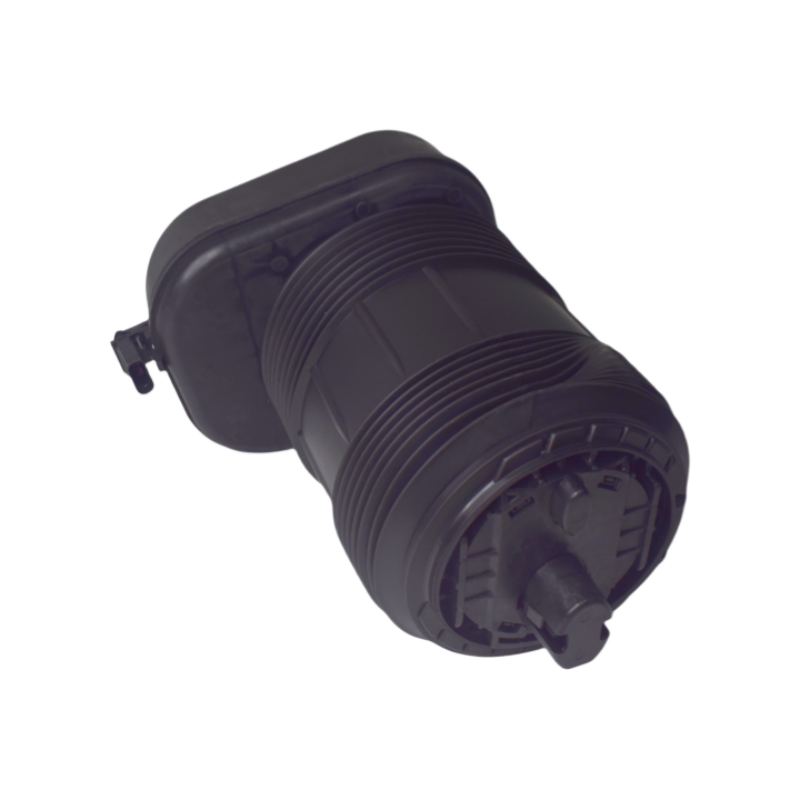
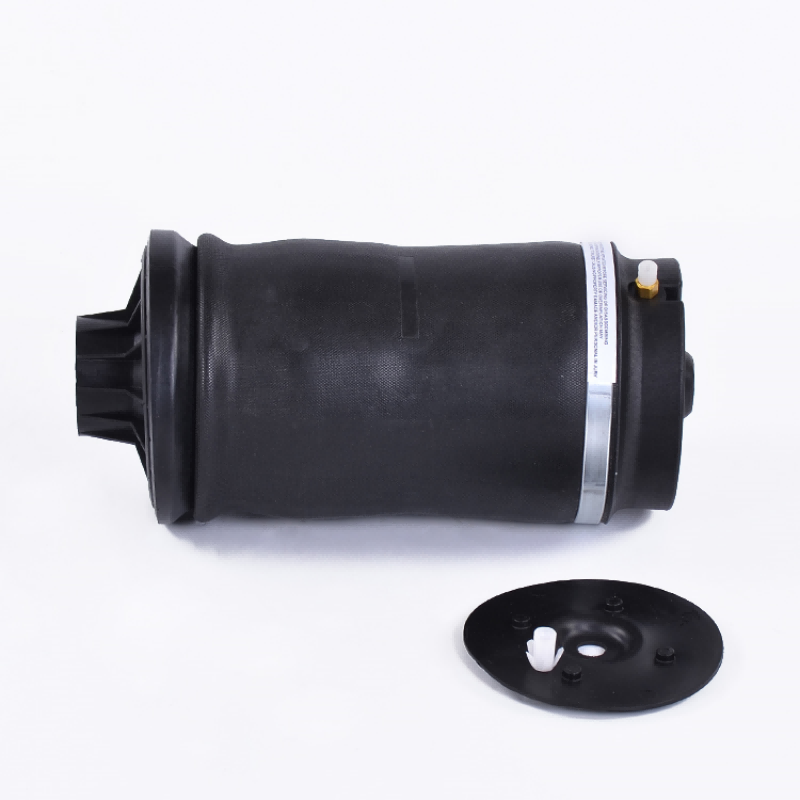
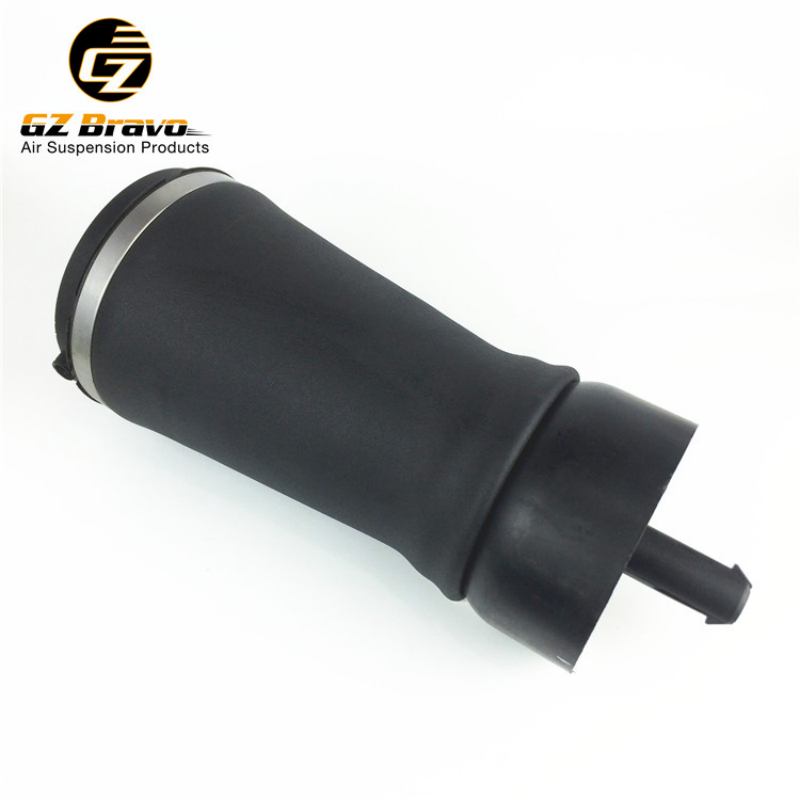
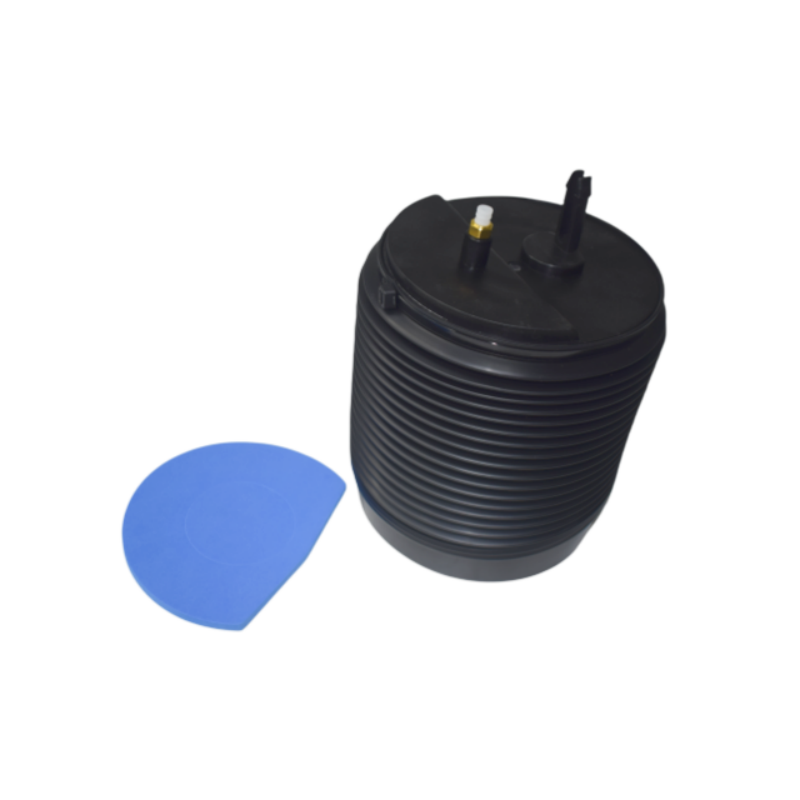
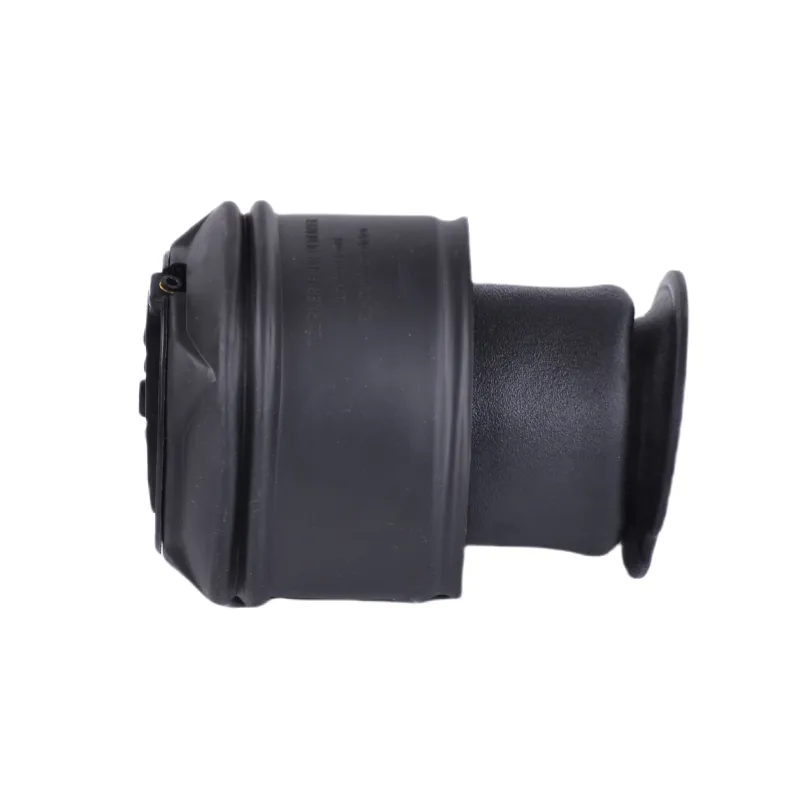
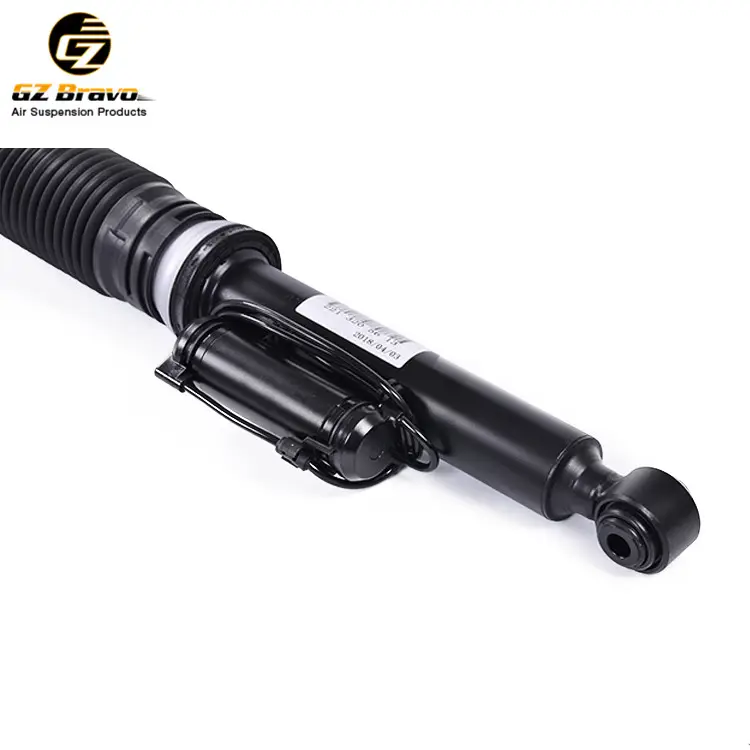
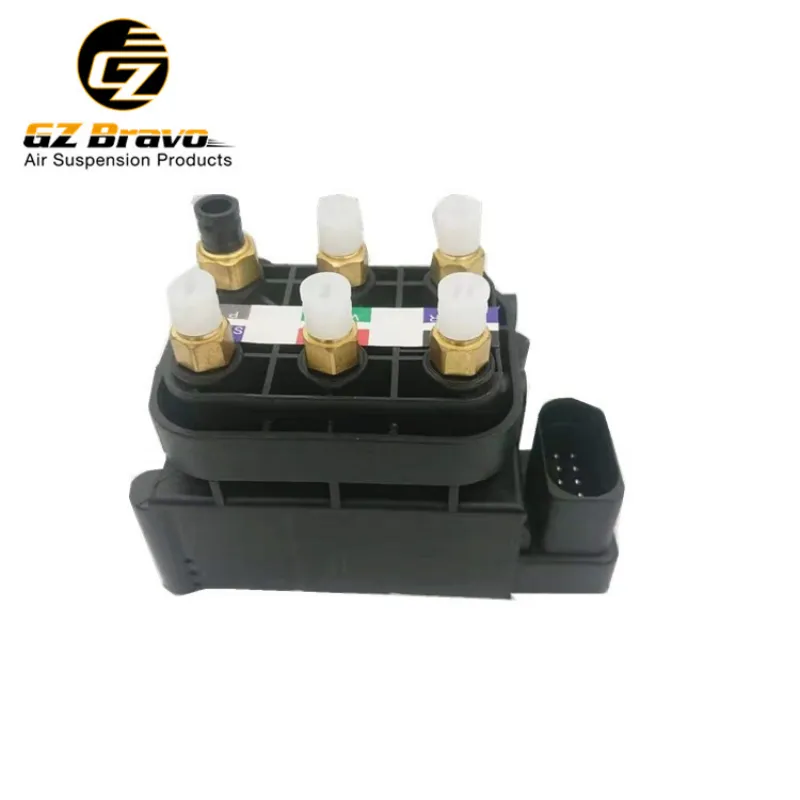
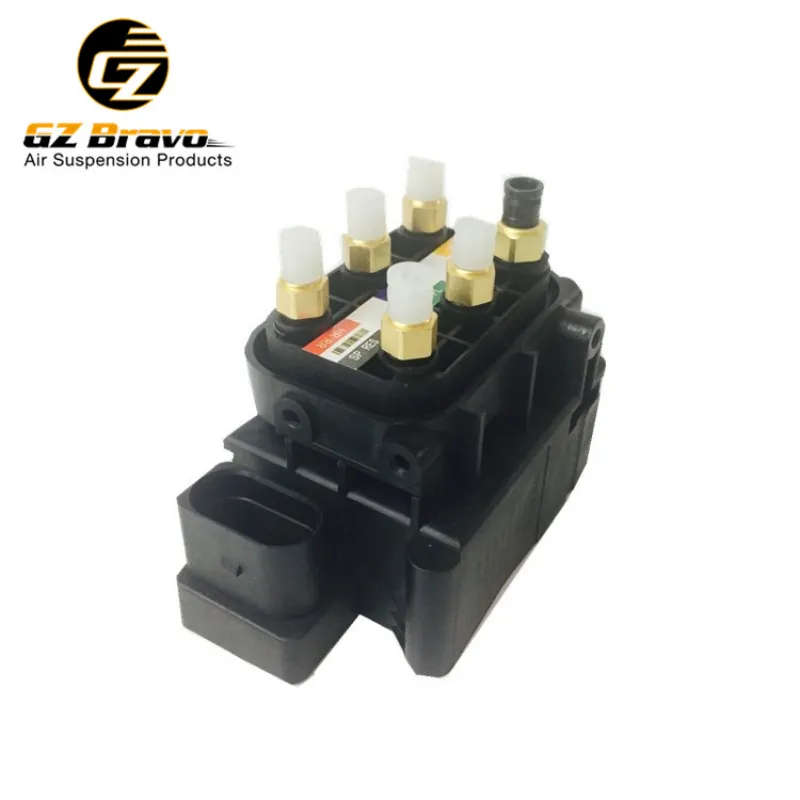
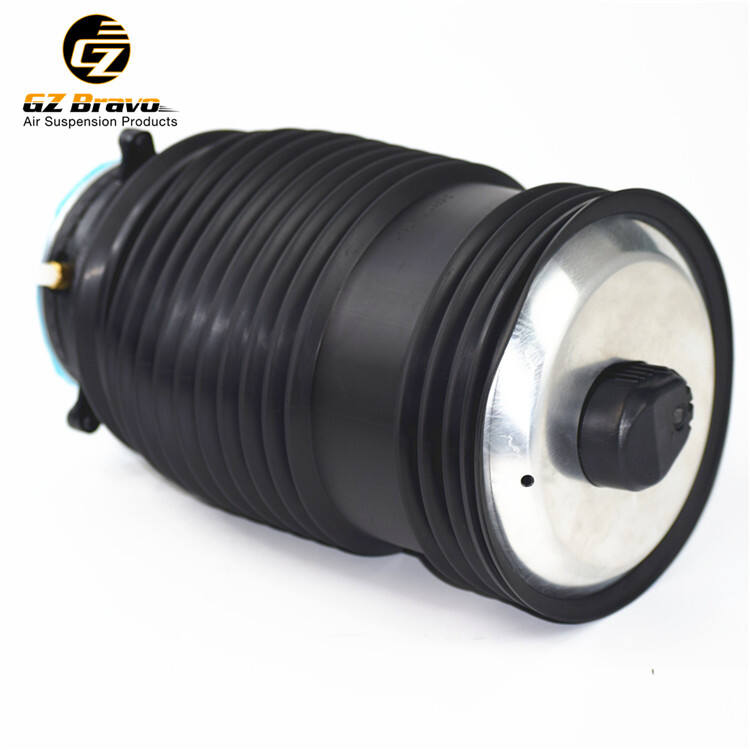
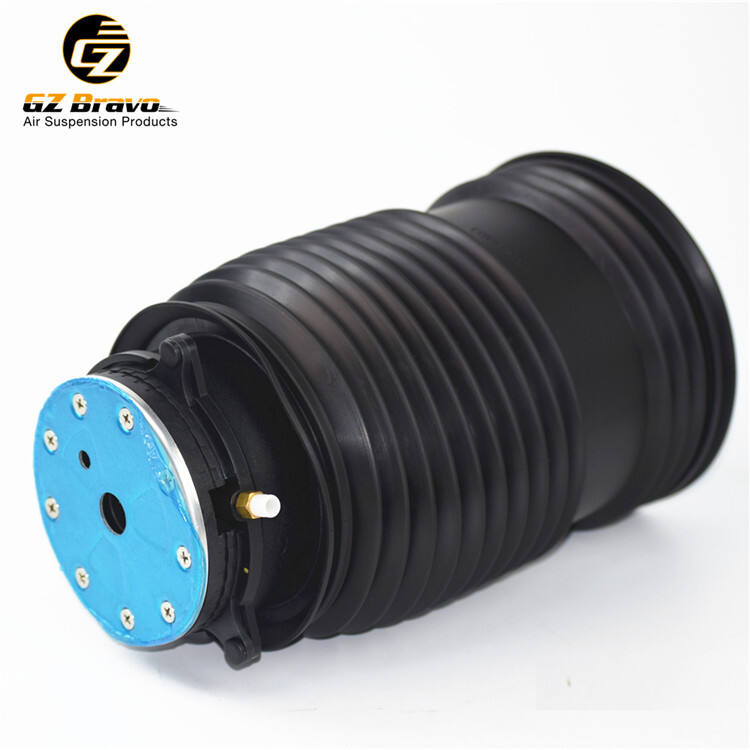
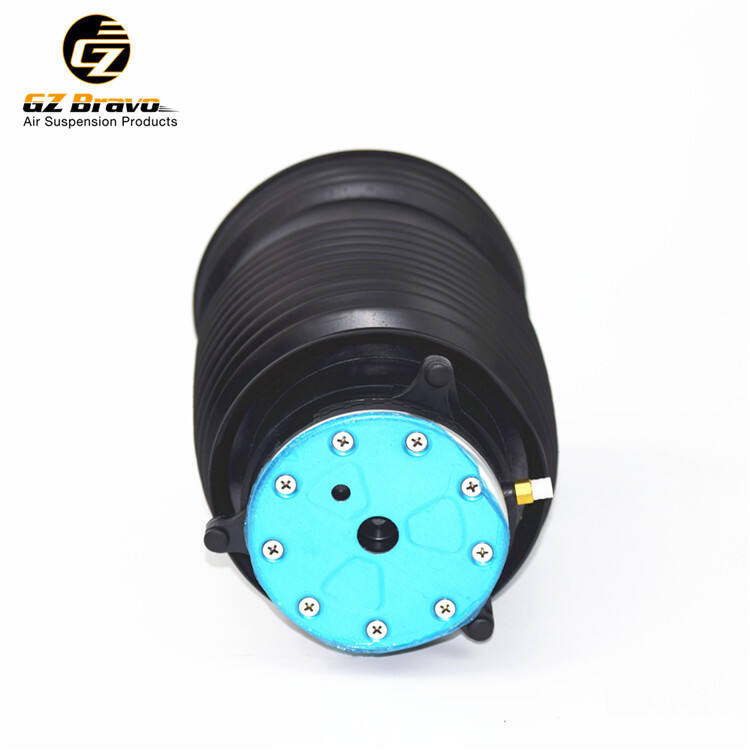
The sophisticated pressure management system integrated into modern strut airbags represents a technological breakthrough that fundamentally transforms suspension performance. At the core of this advancement lies a network of sensors and valves that continuously monitor vehicle conditions and make instantaneous adjustments to air pressure within each strut airbag assembly. These intelligent systems measure multiple parameters simultaneously, including vehicle speed, acceleration rates, steering angle, brake application, and individual wheel loading. By processing this data through advanced algorithms, the control system determines the ideal pressure setting for each strut airbag in real-time, optimizing suspension characteristics for current driving conditions. This dynamic adjustment capability means the suspension firms up during aggressive cornering to minimize body roll and maximize tire contact, then softens for straight-line cruising to enhance comfort. When the system detects heavy braking, it can stiffen the front strut airbags to counteract nose-dive, maintaining more level vehicle attitude and improving brake effectiveness. The pressure management technology also incorporates predictive capabilities, adjusting suspension settings based on anticipated needs rather than merely reacting to conditions. For example, when sensors detect rapid steering input suggesting an emergency maneuver, the system can pre-emptively adjust all strut airbags to maximize stability before weight transfer occurs. This proactive approach delivers response times that surpass human reaction capabilities, enhancing safety margins in critical situations. The precision of modern pressure control systems allows adjustments in increments as small as single-digit PSI values, enabling fine-tuning that was previously impossible. This granular control translates to suspension behavior that adapts seamlessly across the entire spectrum of driving scenarios, from parking lot speeds to highway cruising. Users benefit from this technology through improved fuel efficiency, as the system can lower the vehicle at higher speeds to reduce aerodynamic drag, then raise it when additional ground clearance becomes necessary. The reliability of these pressure management systems has advanced significantly, with redundant safety features ensuring proper operation even if individual components fail. Automatic pressure monitoring prevents over-inflation that could damage strut airbags while also detecting leaks before they compromise performance. Diagnostic capabilities alert operators to potential issues, enabling preventive maintenance that maximizes component longevity and system reliability.

 EN