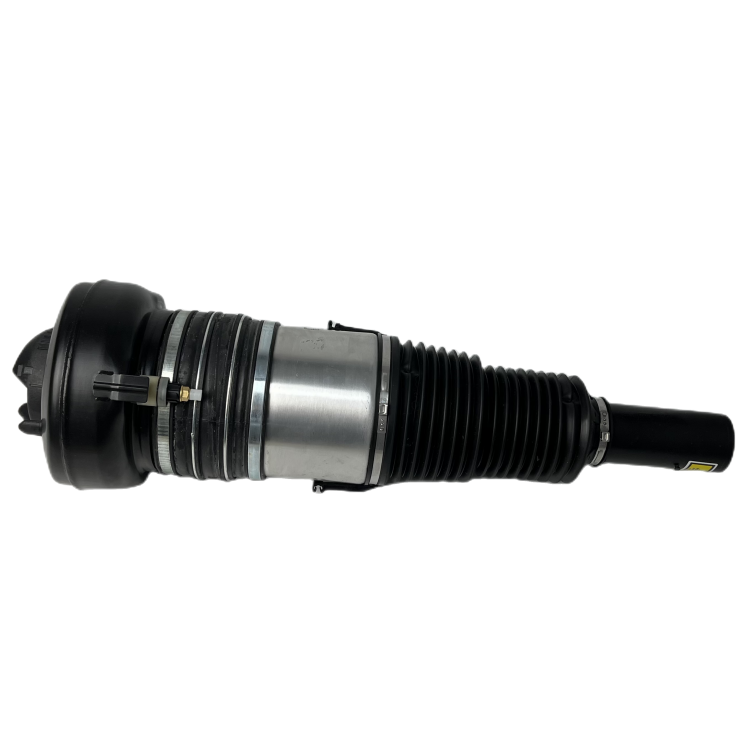
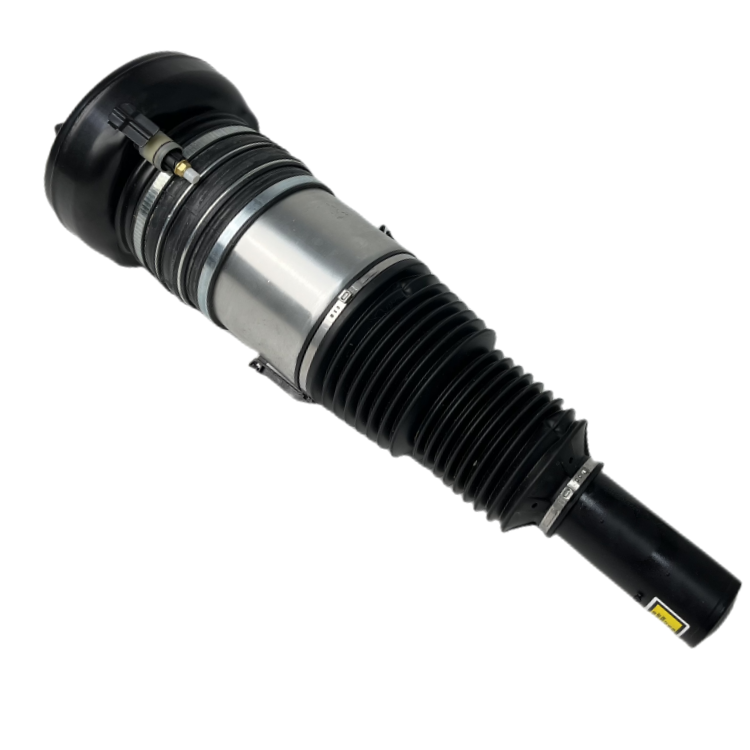
Superior Comfort Through Advanced Damping Control
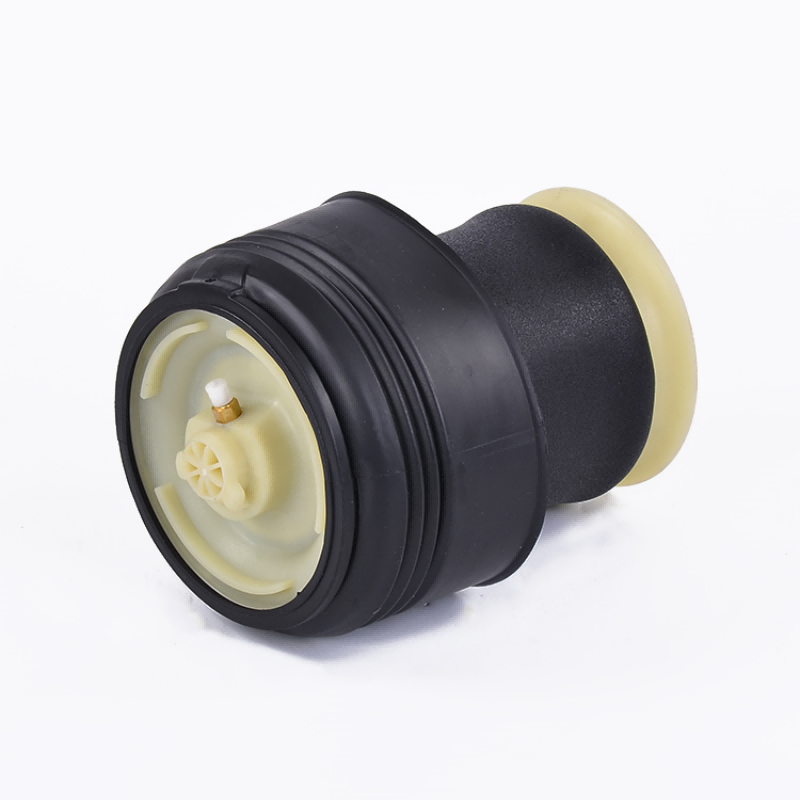
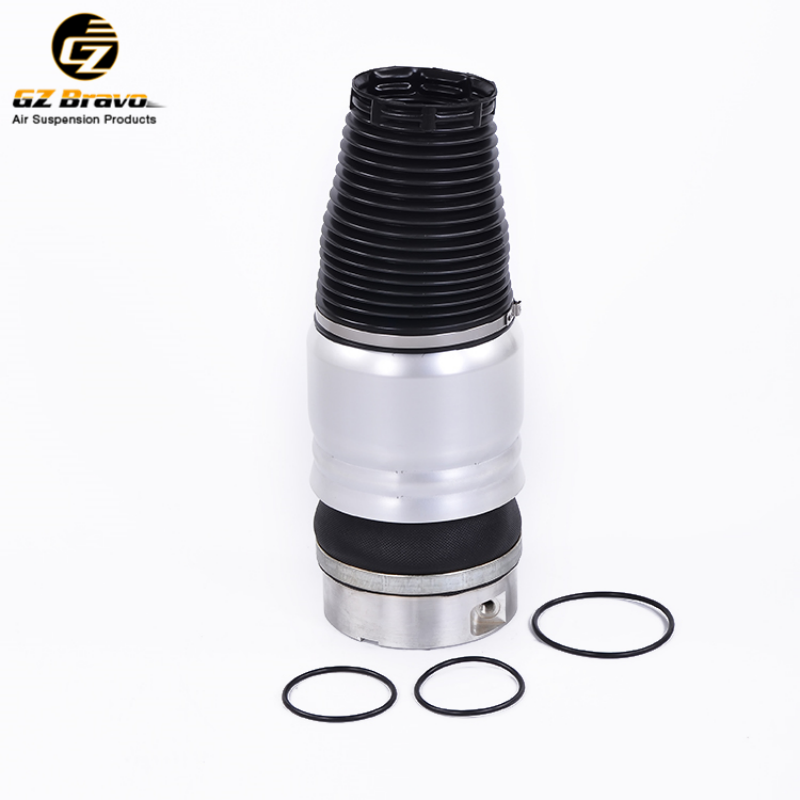
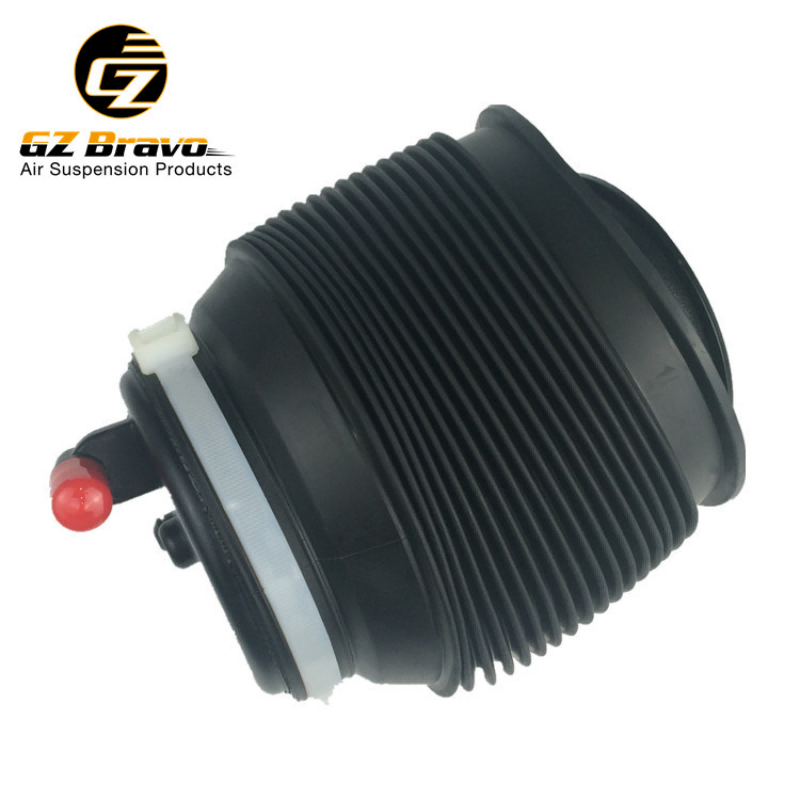
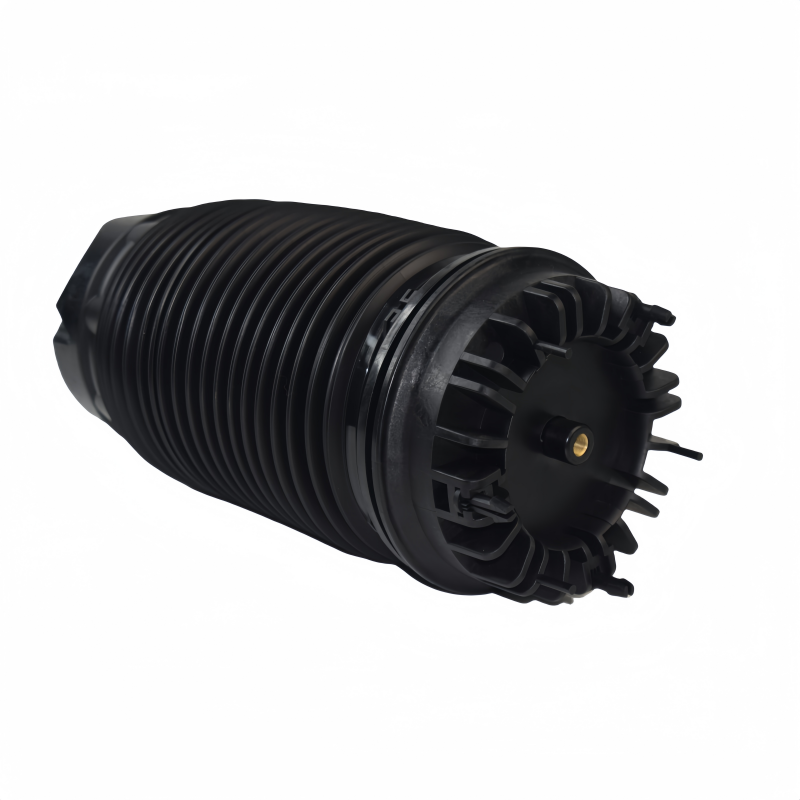
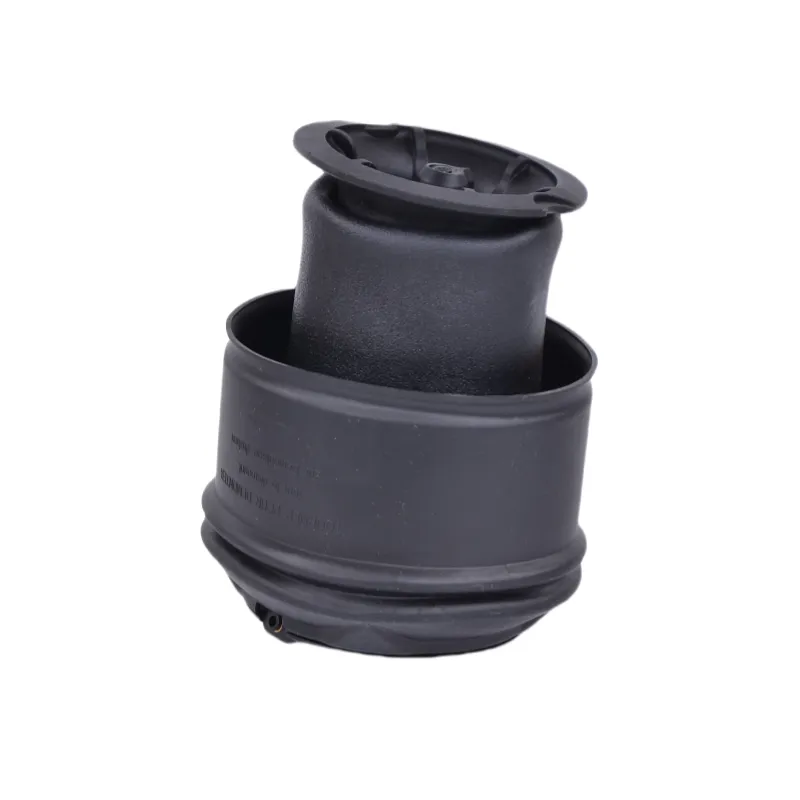
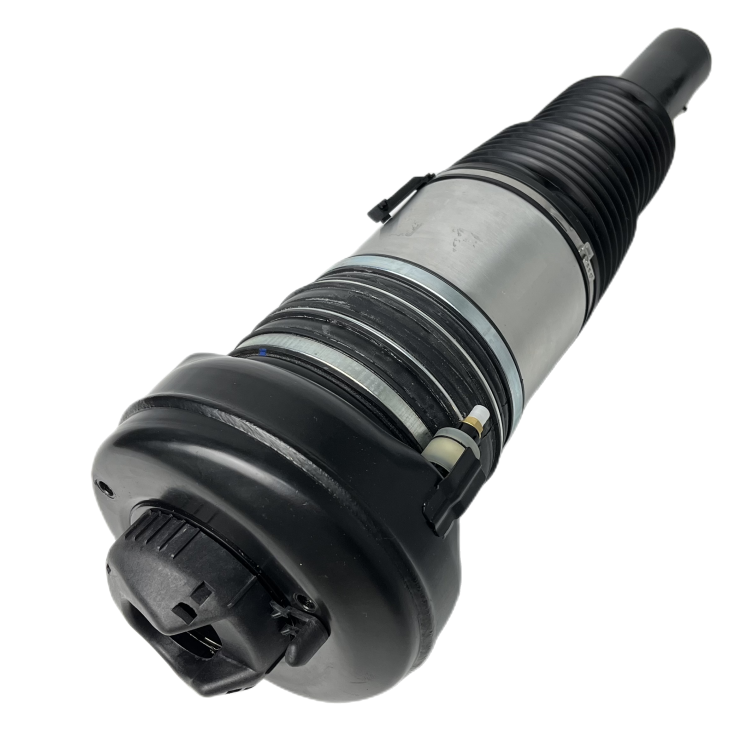
The air suspension system's sophisticated damping capabilities deliver comfort levels that redefine passenger expectations and transform long-distance travel from endurance test into genuinely relaxing experience. Unlike conventional suspension systems with fixed damping rates determined by mechanical shock absorber valving, the air suspension system employs electronically controlled dampers that adjust their resistance characteristics thousands of times per second based on real-time road surface conditions and vehicle dynamics. This continuous adaptation means the suspension responds optimally whether you encounter smooth highway pavement, broken urban streets, or rutted country roads, automatically selecting the ideal damping force for each specific situation. Sensors throughout the vehicle monitor vertical acceleration at each wheel, body roll angles, pitch and dive movements, and steering inputs, feeding this data to control algorithms that calculate perfect damping settings faster than human perception can register the initial disturbance. When your wheel hits a pothole or expansion joint, the air suspension system instantly softens damping to allow the air spring to absorb the impact energy without transmitting harsh shock into the cabin, protecting passengers from jarring impacts that cause fatigue and discomfort during extended drives. Simultaneously, when you enter a corner or make an emergency maneuver, the system immediately firms damping to control body motions, preventing excessive lean that creates unsettling sensations and reduces tire contact patch effectiveness. This dual-mode capability, soft for bumps but firm for handling, represents the fundamental advantage that active systems hold over passive mechanical designs forced to compromise between comfort and control. The air springs themselves contribute to comfort through their progressive spring rate characteristics, becoming gradually firmer as compression increases, providing supple initial response to small road irregularities while still controlling larger impacts without bottoming harshly. This progressive behavior closely mimics ideal suspension response curves that engineers target but cannot achieve with linear-rate coil springs. The air suspension system's isolation of road noise deserves particular emphasis, as the air springs' construction prevents transmission of high-frequency vibrations that metal coil springs conduct directly into the chassis, creating audible road roar and buzzing sensations through the steering wheel and floor panels. Passengers notice this refinement most clearly during highway cruising, where the absence of constant low-level vibration reduces fatigue significantly over journeys spanning several hours. The system's ability to maintain consistent ride quality regardless of vehicle load represents another comfort advantage, as adding passengers or cargo does not degrade ride quality the way it does with conventional springs that grow stiffer under compression. Your family experiences the same smooth, controlled ride whether the vehicle carries one occupant or seven with full luggage, maintaining comfort consistency that makes the air suspension system particularly valuable for vehicles serving varied duty cycles from solo commuting to fully-loaded vacation travel.

 EN
EN