Air Suspension System: Advanced Comfort and Performance Technology for Modern Vehicles

Get a Free Quote

Our representative will contact you soon.
Email
Name
Company Name
Message
0/1000

air suspension system

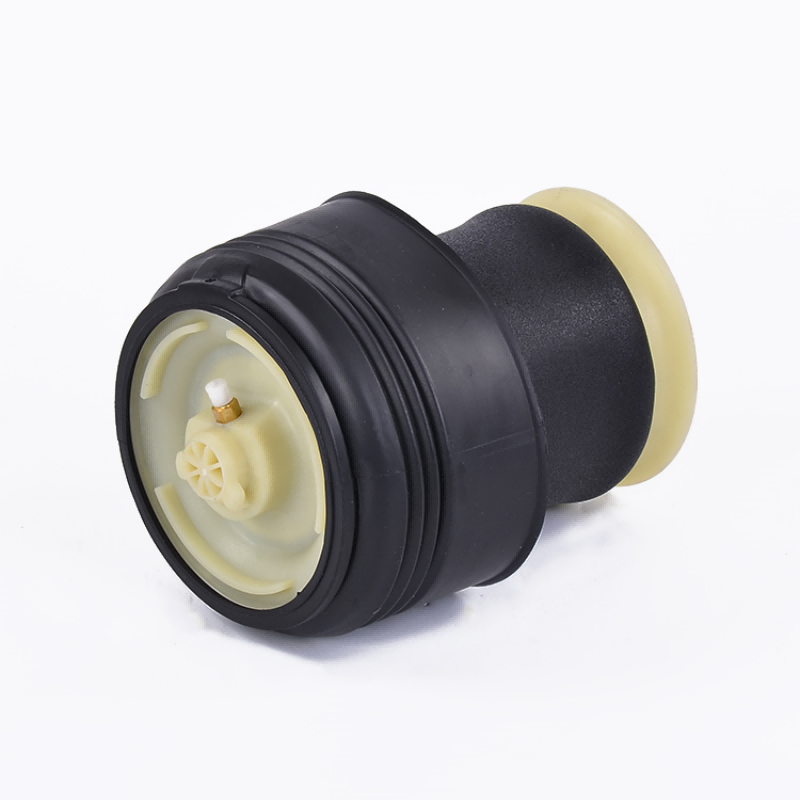
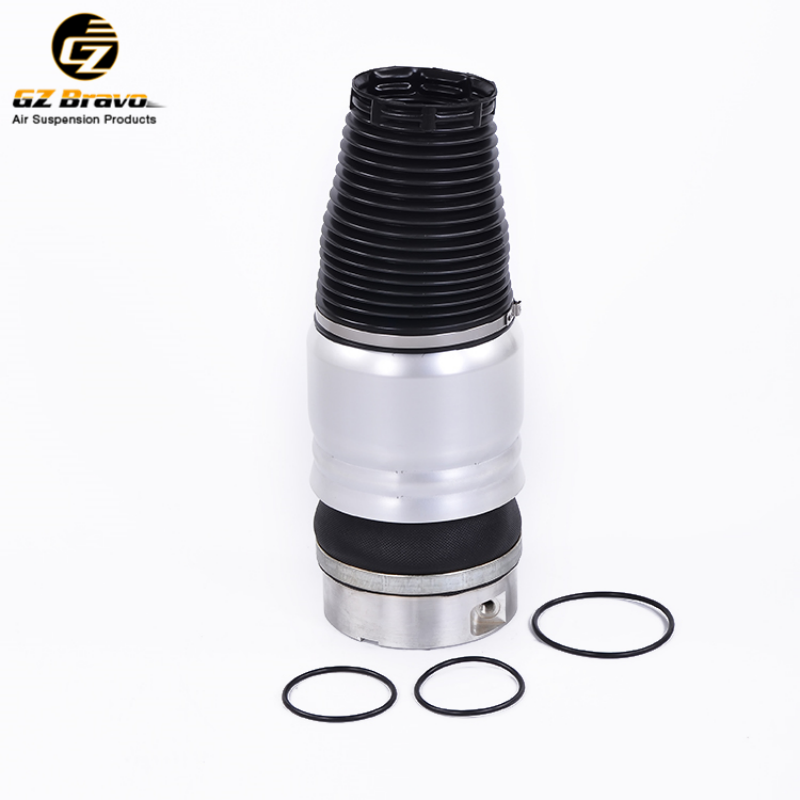
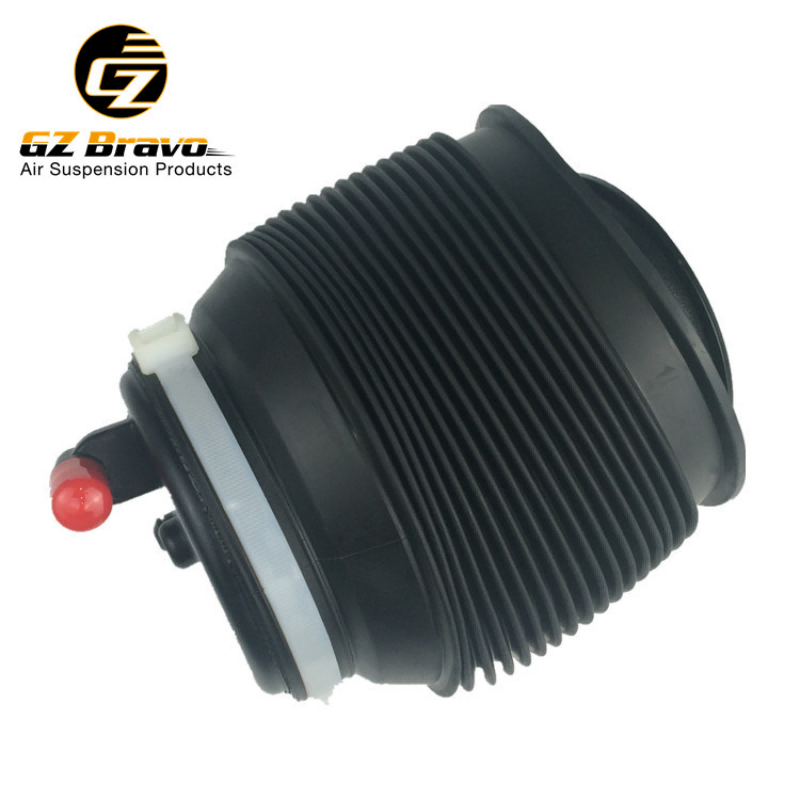
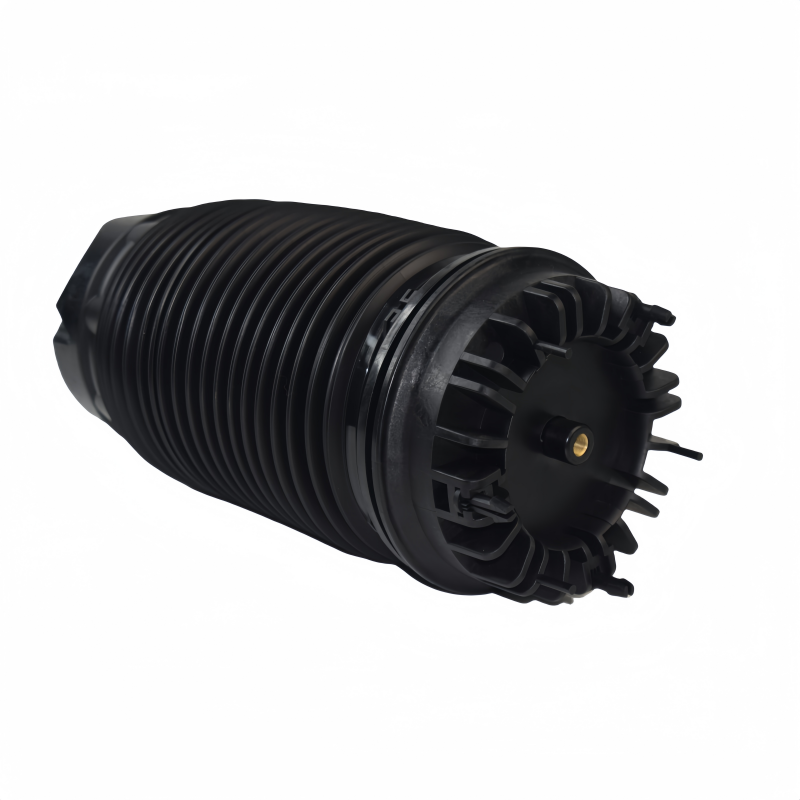
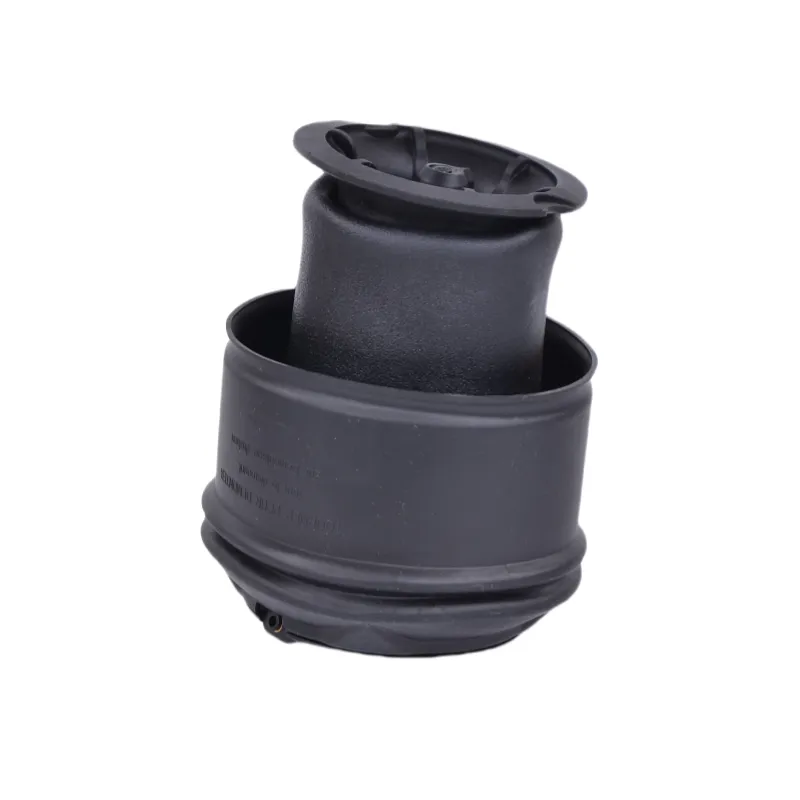
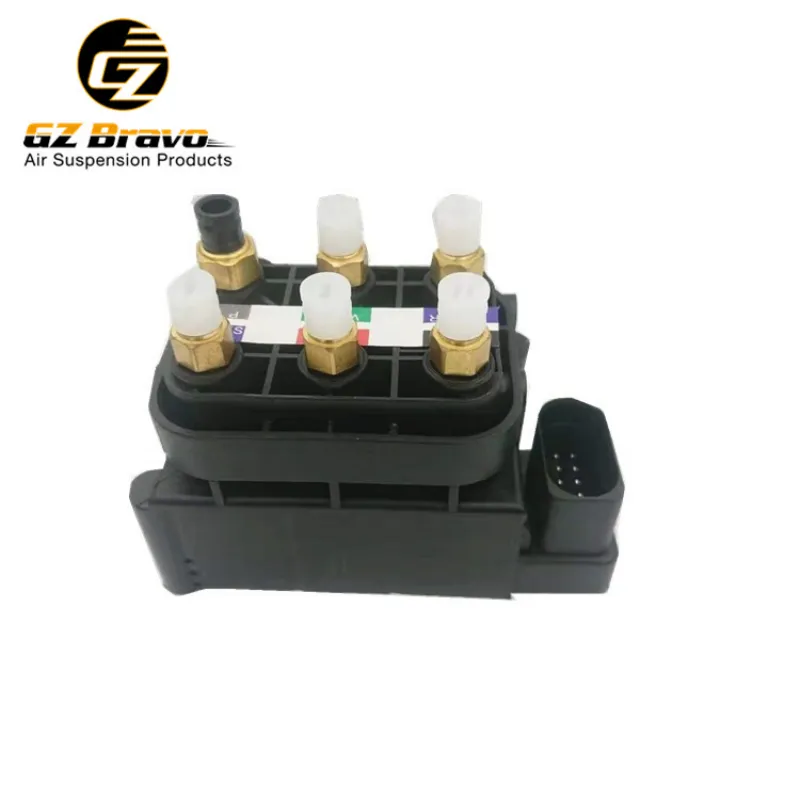
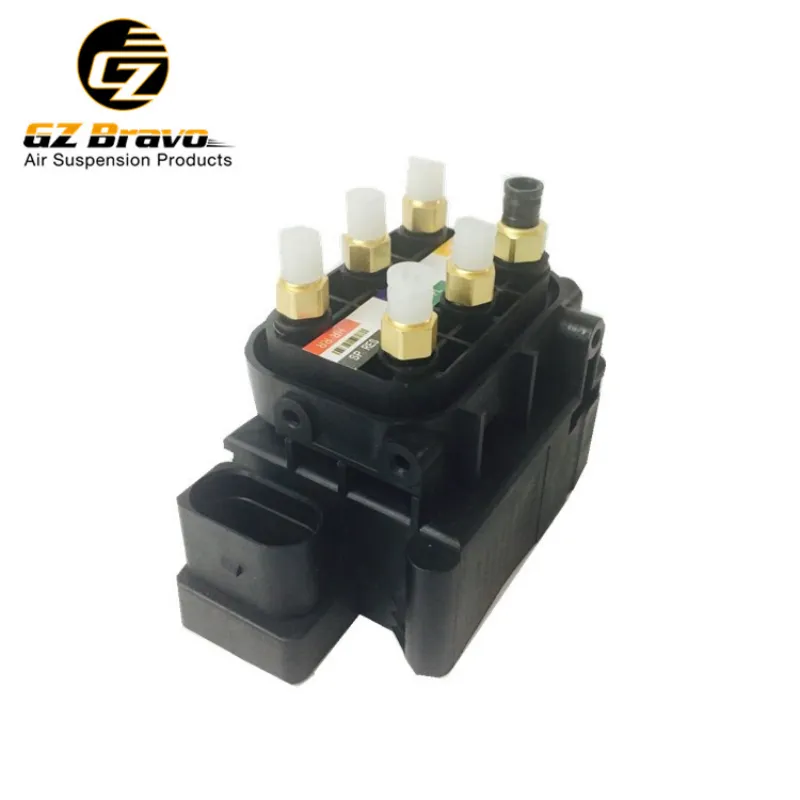
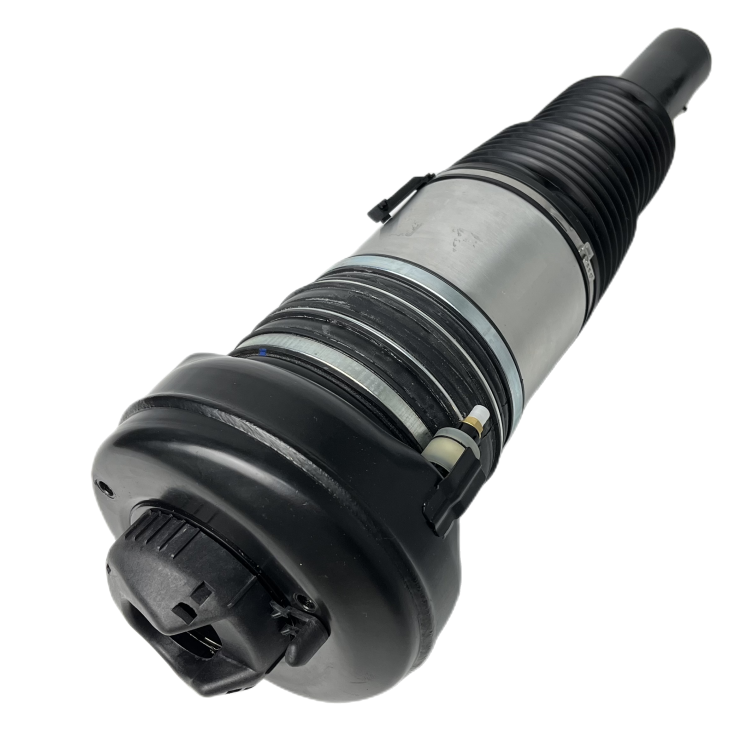
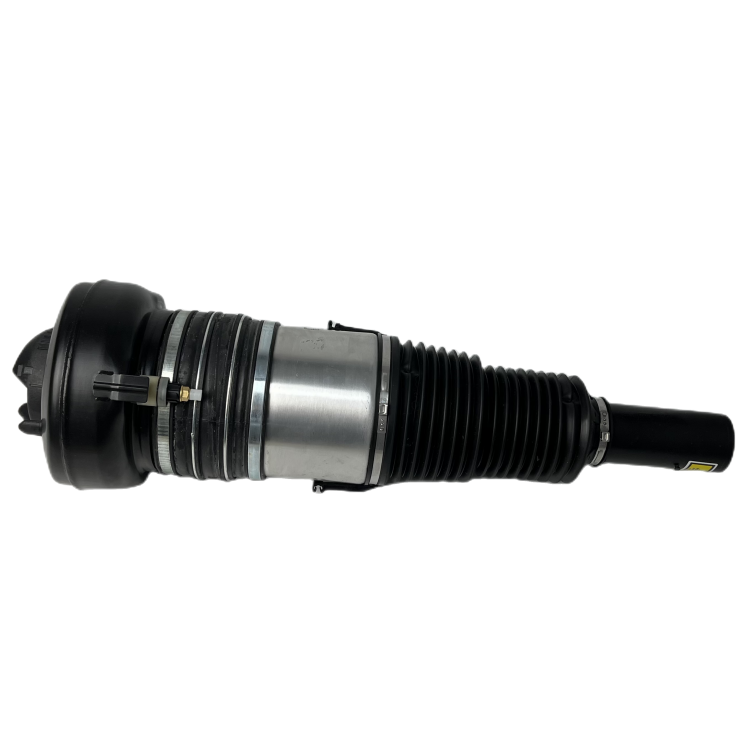
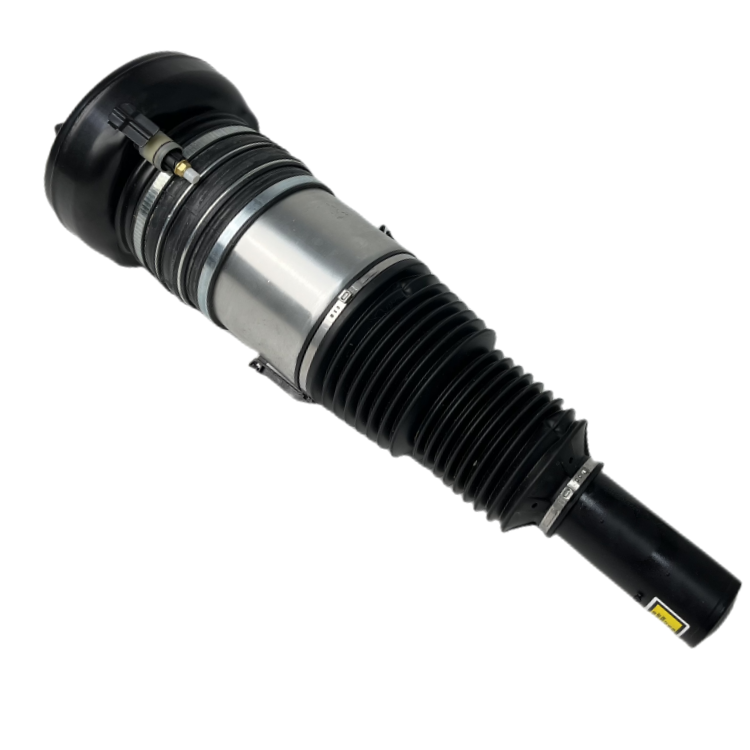
The air suspension system represents a sophisticated automotive technology that replaces traditional coil or leaf spring setups with pressurized air-filled rubber bellows. This innovative mechanism fundamentally transforms how vehicles manage weight distribution, absorb road impacts, and deliver passenger comfort. At its core, the system utilizes compressed air stored in flexible chambers that expand and contract based on road conditions and load requirements. The main functions encompass automatic ride height adjustment, dynamic load leveling, and superior shock absorption capabilities that adapt in real-time to driving scenarios. Technological features include electronic control modules that monitor vehicle dynamics through multiple sensors, adjustable damping rates that respond within milliseconds, and integrated compressor systems that maintain optimal air pressure across all suspension points. The air suspension system employs interconnected air springs at each wheel position, working in harmony with sophisticated valve assemblies that precisely regulate airflow distribution. Applications span luxury sedans seeking refined ride quality, commercial trucks requiring variable load management, SUVs demanding off-road capability with on-road comfort, and performance vehicles needing adjustable handling characteristics. The system integrates seamlessly with modern vehicle stability controls, traction management systems, and driver-selectable driving modes. Advanced implementations feature predictive algorithms that pre-adjust suspension settings based on GPS navigation data and road surface scanning technologies. The air suspension system's modular architecture allows manufacturers to customize configurations for specific vehicle platforms while maintaining consistent performance standards. This versatility makes it equally suitable for family transportation prioritizing comfort, commercial applications requiring durability, and performance enthusiasts seeking dynamic responsiveness that traditional suspension systems cannot deliver through mechanical means alone.

New Product Releases

The air suspension system delivers transformative benefits that directly enhance your daily driving experience and vehicle ownership satisfaction. First, comfort reaches unprecedented levels as the system absorbs road imperfections with remarkable efficiency, eliminating the harsh jolts and vibrations that traditional suspensions transmit into the cabin. Your passengers notice the difference immediately during long journeys, arriving refreshed rather than fatigued from constant jarring movements. The adjustable nature means you control ride firmness based on preferences, selecting softer settings for highway cruising or firmer configurations when spirited driving demands precise handling response. Load management becomes effortless as the air suspension system automatically compensates when carrying heavy cargo or towing trailers, maintaining level vehicle stance regardless of weight distribution changes. This automatic leveling protects your vehicle's mechanical components from uneven stress while ensuring headlight aim remains correct and handling characteristics stay predictable. Ground clearance adjustment provides practical versatility that springs cannot match, allowing you to raise the vehicle for navigating rough terrain, deep snow, or steep driveways, then lower it for improved aerodynamics during highway travel or easier passenger entry and cargo loading. Fuel efficiency benefits emerge from the aerodynamic advantages of reduced ride height at speed and the system's ability to minimize unnecessary suspension movement that would otherwise waste energy. The air suspension system extends tire life by maintaining optimal contact patch geometry across varying load conditions, preventing uneven wear patterns that plague vehicles with static suspension setups. Handling precision improves dramatically as the system reduces body roll during cornering, minimizes nose dive under braking, and eliminates squat during acceleration, keeping the vehicle planted and predictable through dynamic maneuvers. Resale value typically remains stronger for vehicles equipped with air suspension systems due to the premium perception and genuine functional advantages that buyers recognize. Maintenance of other vehicle components decreases because the superior shock absorption reduces stress transmitted to chassis members, body panels, and interior trim pieces. The system's diagnostic capabilities alert you to potential issues before they become serious problems, unlike conventional suspensions that deteriorate gradually without warning. Noise isolation reaches exceptional standards as the air springs dampen road noise transmission more effectively than metal coil springs, creating a quieter cabin environment that enhances conversation clarity and audio system performance. These combined advantages deliver measurable improvements in comfort, capability, efficiency, and long-term ownership satisfaction that justify the technology's integration into modern vehicle design.

Latest News

What factors affect durability of air suspension components in daily use?

27

May

What factors affect durability of air suspension components in daily use?

When it comes to vehicle ride quality and load management, air suspension components play a central role in delivering comfort, stability, and adaptability across a wide range of driving conditions. Unlike traditional coil spring setups, air-based sy...
View More
How does a solenoid valve block improve airflow management in suspension setups?

03

Jun

How does a solenoid valve block improve airflow management in suspension setups?

Modern air suspension systems depend on precise control of pressurized air to deliver the ride comfort and handling performance that drivers expect. At the center of this control architecture sits the solenoid valve block, a compact but critically im...
View More
Is a solenoid valve block essential for precise control in air suspension systems?

03

Jun

Is a solenoid valve block essential for precise control in air suspension systems?

The question of whether a solenoid valve block is truly essential for precise control in air suspension systems is one that every vehicle owner, fleet manager, and automotive technician should understand clearly. Air suspension systems are complex, p...
View More
How does a solenoid valve block improve suspension adjustment accuracy?

03

Jun

How does a solenoid valve block improve suspension adjustment accuracy?

Modern air suspension systems rely on a precise network of components to deliver a smooth, controlled ride — and at the heart of that network sits the solenoid valve block. This compact but critical assembly governs how compressed air is distri...
View More

Get a Free Quote

Our representative will contact you soon.
Email
Name
Company Name
Message
0/1000

air suspension system

Adaptive Ride Height Technology Transforms Vehicle Capability

Adaptive Ride Height Technology Transforms Vehicle Capability

The air suspension system's adaptive ride height capability represents one of its most valuable and distinguishing features, offering functionality that fundamentally expands what your vehicle can accomplish across diverse situations. This technology allows driver-commanded or automatic adjustment of ground clearance through a range typically spanning four to six inches, depending on vehicle application and system configuration. When approaching off-road terrain, unpaved driveways, or areas with deep snow accumulation, you can raise the vehicle to maximum height with a simple button press, providing clearance that prevents undercarriage contact and enables confident navigation through challenging conditions that would stop vehicles with fixed suspension geometry. The air suspension system's sensors continuously monitor ride height and make micro-adjustments to maintain your selected setting regardless of load changes or road surface variations. Conversely, highway driving benefits from lowered ride height settings that reduce aerodynamic drag by bringing the vehicle closer to the road surface, cutting through air more efficiently and delivering measurable fuel economy improvements during extended cruising. This lowered position also lowers the vehicle's center of gravity, enhancing stability during lane changes and reducing the tippy feeling that taller vehicles sometimes exhibit at speed. Parking and loading scenarios gain tremendous practical advantage as the air suspension system can drop to its lowest setting, making passenger entry and exit more comfortable for children and elderly occupants while simplifying cargo loading by reducing lift-over height at the rear tailgate or trunk opening. Commercial applications particularly value this feature for delivery vehicles and service trucks where workers repeatedly load and unload equipment throughout their workday. The system remembers your preferences and can automatically adjust based on vehicle speed, detecting highway travel and lowering accordingly, then raising back up when you decelerate for urban driving or off-pavement excursions. Advanced implementations integrate with navigation systems to predictively adjust suspension height based on upcoming road conditions identified through GPS data and crowd-sourced road surface information. This proactive adjustment ensures optimal ground clearance arrives before you encounter the situation requiring it, rather than reacting after scraping has already occurred. The air suspension system's height adjustment occurs smoothly and quietly, typically completing full-range travel in under ten seconds, fast enough to respond to changing conditions without creating delays in your driving routine. Safety benefits extend beyond ground clearance as the system can automatically lower the vehicle during emergency braking scenarios, increasing tire contact patch size and improving stopping performance when every foot of braking distance matters most.
Intelligent Load Leveling Maintains Optimal Vehicle Dynamics

Intelligent Load Leveling Maintains Optimal Vehicle Dynamics

Load leveling functionality within the air suspension system provides automatic compensation that maintains proper vehicle geometry regardless of cargo weight or passenger distribution, delivering benefits that extend far beyond simple convenience into genuine safety and performance territory. Traditional suspension systems sag under heavy loads, creating dangerous handling imbalances, improper headlight aim that blinds oncoming traffic, and accelerated wear on mechanical components stressed by operating outside their designed parameters. The air suspension system eliminates these compromises through continuous monitoring and instant pressure adjustment across individual air springs. When you load heavy cargo into the rear storage area, sensors immediately detect the increased weight and command the compressor to add air pressure to rear suspension chambers, raising the vehicle back to its designed ride height within seconds. This automatic response maintains proper weight distribution across all four tires, ensuring braking performance remains consistent and steering response stays predictable rather than becoming vague or wandering as front-end weight transfer would cause with conventional springs. Towing applications showcase the air suspension system's load leveling capabilities most dramatically, as trailer tongue weight that would normally squat the rear suspension and lift the front wheels gets countered automatically, keeping the vehicle level and maintaining full steering control and braking capability. The system adjusts dynamically as you accelerate, brake, and corner while towing, constantly rebalancing air pressure distribution to counteract weight transfer forces that would otherwise compromise vehicle stability. Passenger loading benefits equally, as the air suspension system compensates when rear seats fill with occupants, preventing the tail-down, nose-up stance that reduces rear visibility and creates uncomfortable rake angles. This automatic leveling happens transparently without driver intervention, though manual override controls allow you to fine-tune settings for specific situations like launching a boat at a steep ramp where intentional stance adjustment helps alignment. The load leveling function protects your vehicle's mechanical components by preventing overloaded suspension travel that would bottom out springs and shock absorbers, causing impact damage that leads to expensive repairs. Headlight aim remains correct because the vehicle maintains level stance, ensuring your visibility stays optimal without blinding other drivers or pointing uselessly skyward. Aerodynamics stay efficient as the designed body angle relative to airflow gets preserved rather than disrupted by sagging rear suspension creating drag-inducing stance changes. The air suspension system's load sensors provide data to other vehicle systems, allowing transmission shift programming and engine management to optimize performance based on actual vehicle weight rather than operating on default assumptions. This integration delivers smoother power delivery and more appropriate gear selection when heavily loaded, enhancing drivability beyond what suspension function alone would suggest.
Superior Comfort Through Advanced Damping Control

Superior Comfort Through Advanced Damping Control

The air suspension system's sophisticated damping capabilities deliver comfort levels that redefine passenger expectations and transform long-distance travel from endurance test into genuinely relaxing experience. Unlike conventional suspension systems with fixed damping rates determined by mechanical shock absorber valving, the air suspension system employs electronically controlled dampers that adjust their resistance characteristics thousands of times per second based on real-time road surface conditions and vehicle dynamics. This continuous adaptation means the suspension responds optimally whether you encounter smooth highway pavement, broken urban streets, or rutted country roads, automatically selecting the ideal damping force for each specific situation. Sensors throughout the vehicle monitor vertical acceleration at each wheel, body roll angles, pitch and dive movements, and steering inputs, feeding this data to control algorithms that calculate perfect damping settings faster than human perception can register the initial disturbance. When your wheel hits a pothole or expansion joint, the air suspension system instantly softens damping to allow the air spring to absorb the impact energy without transmitting harsh shock into the cabin, protecting passengers from jarring impacts that cause fatigue and discomfort during extended drives. Simultaneously, when you enter a corner or make an emergency maneuver, the system immediately firms damping to control body motions, preventing excessive lean that creates unsettling sensations and reduces tire contact patch effectiveness. This dual-mode capability, soft for bumps but firm for handling, represents the fundamental advantage that active systems hold over passive mechanical designs forced to compromise between comfort and control. The air springs themselves contribute to comfort through their progressive spring rate characteristics, becoming gradually firmer as compression increases, providing supple initial response to small road irregularities while still controlling larger impacts without bottoming harshly. This progressive behavior closely mimics ideal suspension response curves that engineers target but cannot achieve with linear-rate coil springs. The air suspension system's isolation of road noise deserves particular emphasis, as the air springs' construction prevents transmission of high-frequency vibrations that metal coil springs conduct directly into the chassis, creating audible road roar and buzzing sensations through the steering wheel and floor panels. Passengers notice this refinement most clearly during highway cruising, where the absence of constant low-level vibration reduces fatigue significantly over journeys spanning several hours. The system's ability to maintain consistent ride quality regardless of vehicle load represents another comfort advantage, as adding passengers or cargo does not degrade ride quality the way it does with conventional springs that grow stiffer under compression. Your family experiences the same smooth, controlled ride whether the vehicle carries one occupant or seven with full luggage, maintaining comfort consistency that makes the air suspension system particularly valuable for vehicles serving varied duty cycles from solo commuting to fully-loaded vacation travel.


Get a Free Quote

Our representative will contact you soon.
Email
Name
Company Name
Message
0/1000