Air Suspension Strut Systems: Superior Comfort, Performance, and Versatility for Modern Vehicles

Get a Free Quote

Our representative will contact you soon.
Email
Name
Company Name
Message
0/1000

air suspension strut

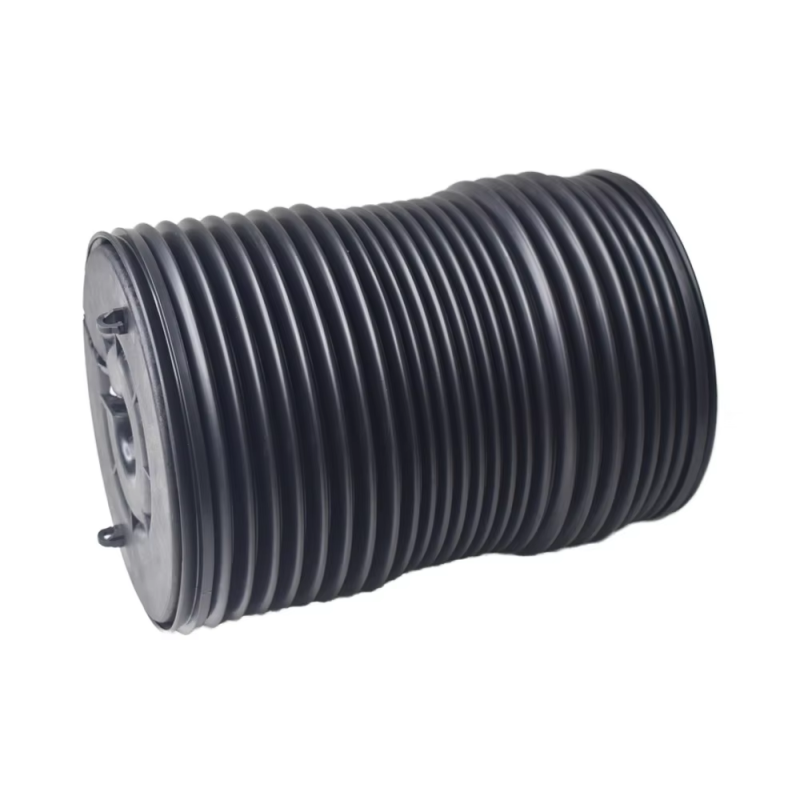
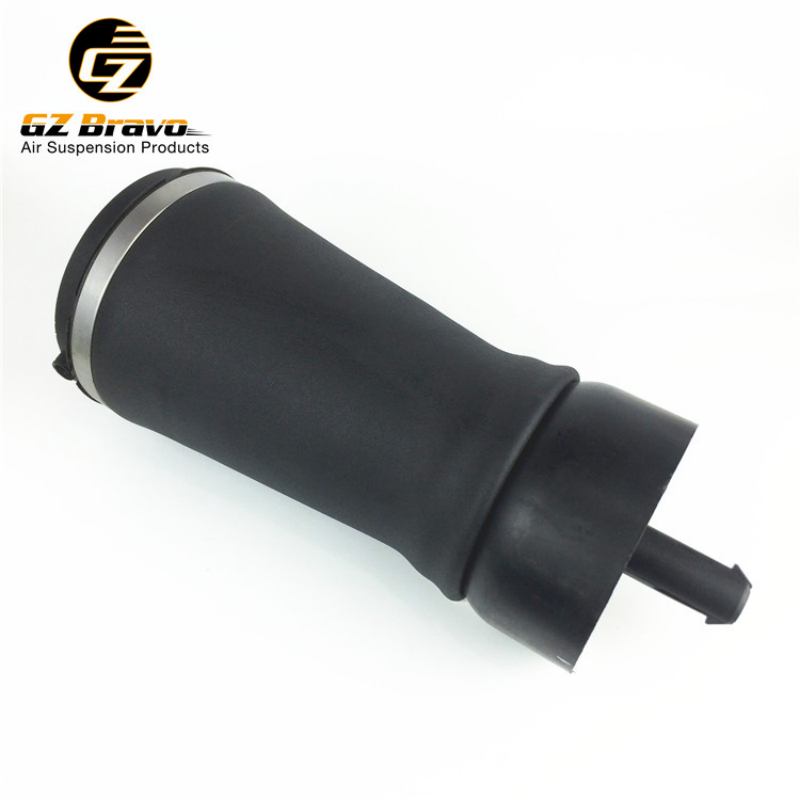
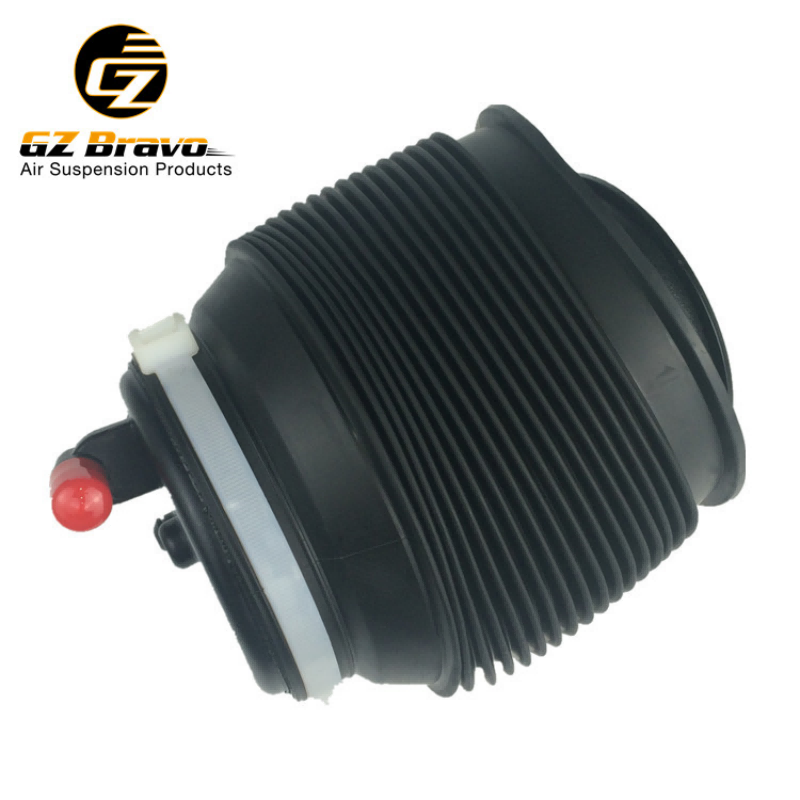
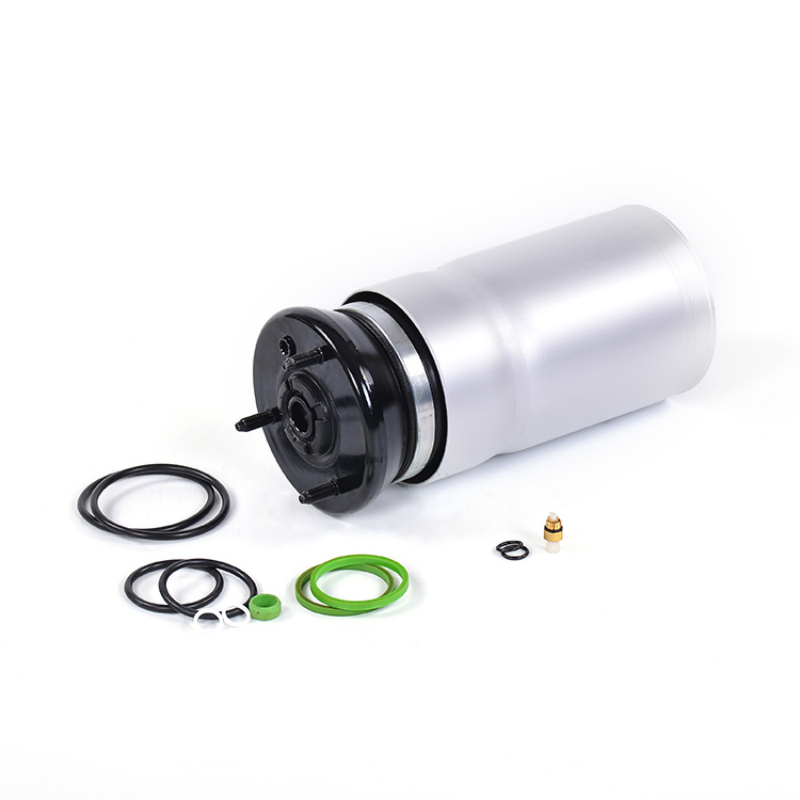
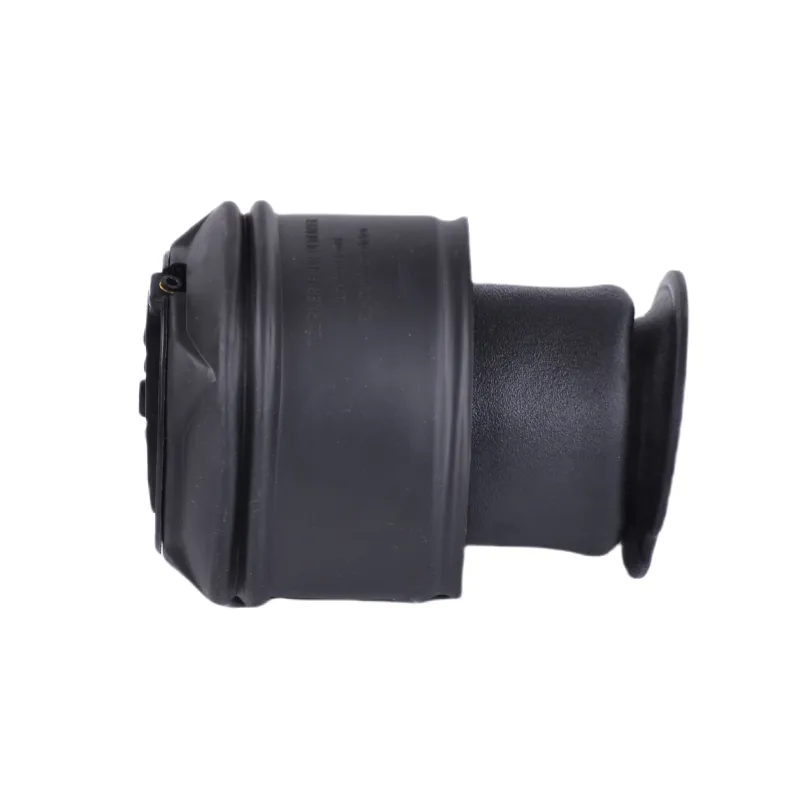
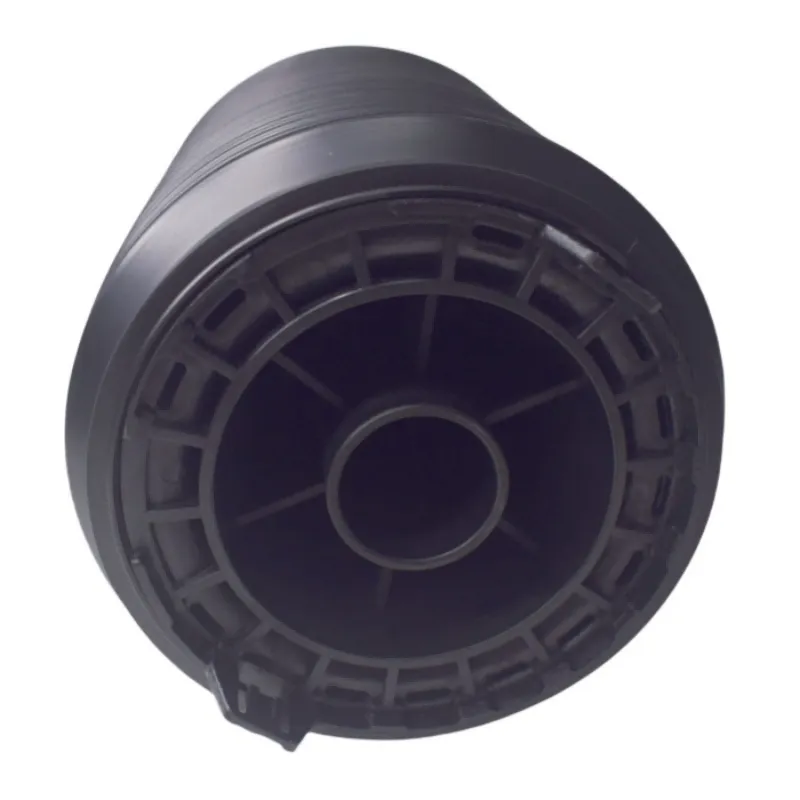
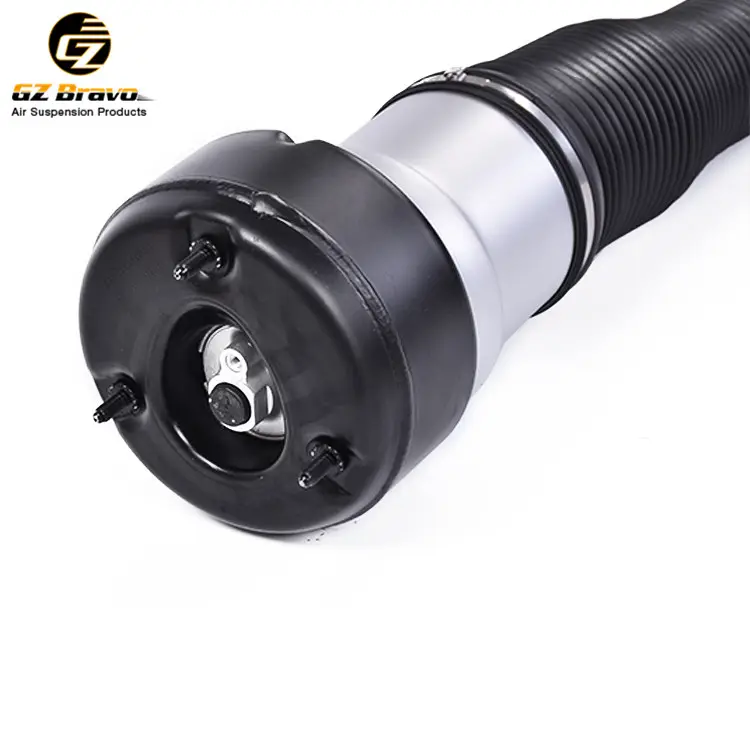
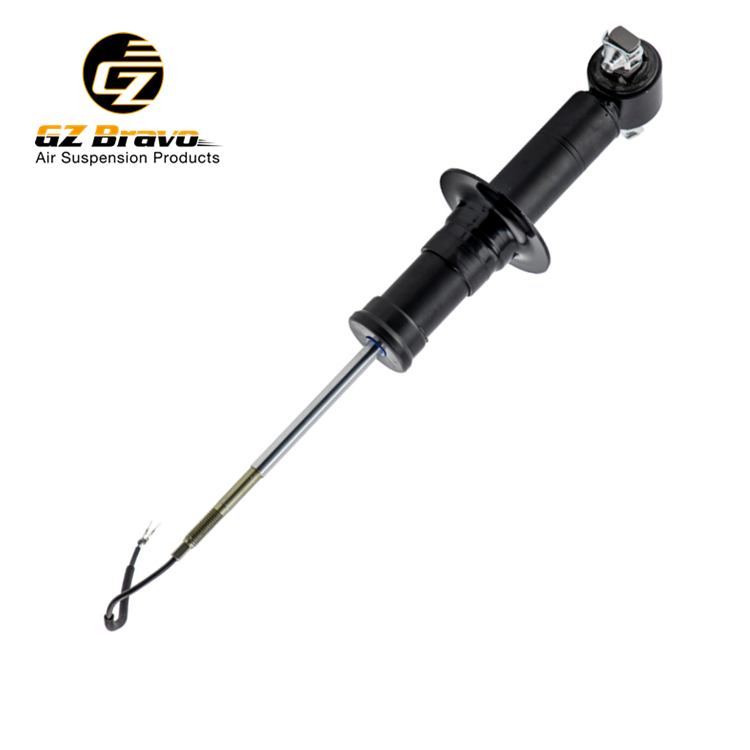
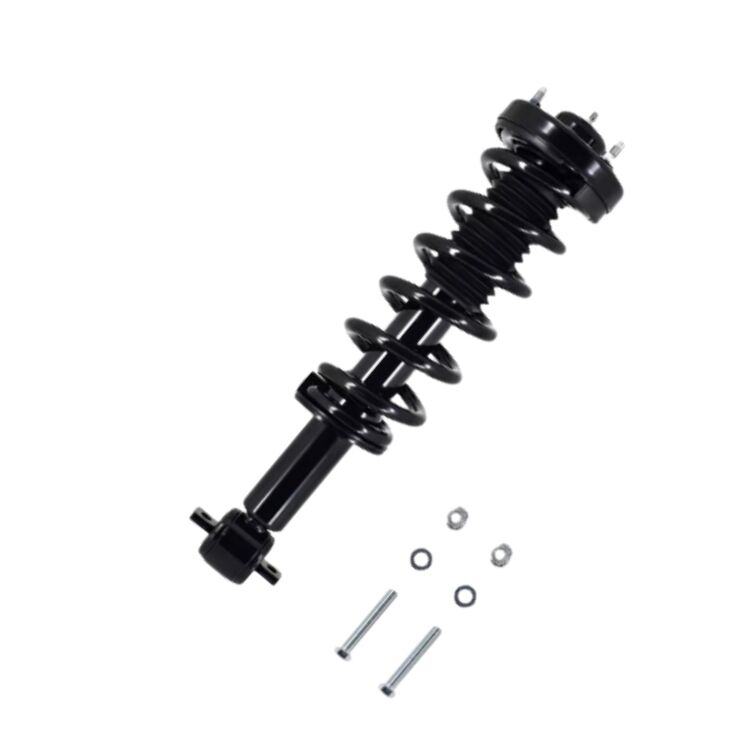
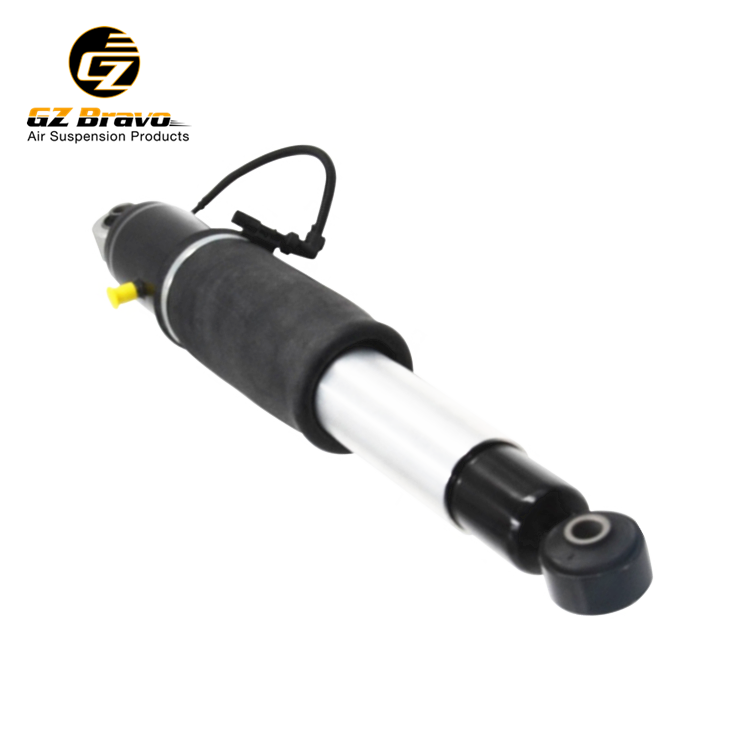
An air suspension strut represents a sophisticated automotive component that transforms how vehicles handle road conditions and deliver comfort to passengers. This advanced system replaces traditional coil springs and shock absorbers with pressurized air chambers that work in harmony with electronic controls to provide superior ride quality. The air suspension strut operates by using compressed air as the primary medium for supporting vehicle weight and absorbing impacts from road irregularities. At its core, the system consists of a durable rubber and fabric air spring, or air bag, that inflates and deflates based on driving conditions and load requirements. The air suspension strut integrates seamlessly with modern vehicle architecture, connecting to an onboard air compressor, electronic control module, and various sensors that constantly monitor vehicle height, speed, and road conditions. This intelligent design allows the suspension to adapt in real-time, adjusting stiffness and ride height to match current driving scenarios. The main functions of an air suspension strut extend beyond simple shock absorption. It actively maintains optimal vehicle stance regardless of cargo weight, ensuring that your vehicle remains level whether empty or fully loaded. This load-leveling capability proves invaluable for vehicles that frequently carry varying weights or tow trailers. The technology also enables drivers to manually adjust ride height for different purposes, such as lowering the vehicle for easier entry and exit or raising it to navigate rough terrain and deep snow. Air suspension struts feature advanced damping characteristics that traditional systems cannot match. The pressurized air chambers respond instantly to road imperfections, isolating the cabin from bumps, potholes, and vibrations more effectively than mechanical springs. Modern air suspension struts incorporate sophisticated valving and electronic controls that adjust damping rates hundreds of times per second, creating a smooth, controlled ride that adapts to changing conditions. This technology finds applications across diverse vehicle segments, from luxury sedans and SUVs to commercial trucks and high-performance sports cars, proving its versatility and effectiveness in enhancing vehicle dynamics and passenger comfort across all driving environments.

New Product Recommendations

Air suspension struts deliver remarkable comfort improvements that passengers notice immediately. The system absorbs road imperfections with exceptional efficiency, creating a floating sensation that isolates occupants from harsh impacts and vibrations. Unlike conventional suspension systems that offer fixed spring rates, air suspension struts continuously adjust their damping characteristics to match road conditions, resulting in a consistently smooth ride whether you travel on highways or rough country roads. This adaptive capability means your vehicle maintains composure over speed bumps, potholes, and uneven pavement without the jarring impacts associated with traditional springs. The comfort advantage extends to reducing driver fatigue during long journeys, as the refined ride quality minimizes the physical stress that accumulates from constant vibration and motion. Vehicle handling sees substantial enhancement with air suspension struts installed. The system maintains optimal tire contact with the road surface by keeping the vehicle level and stable during cornering, acceleration, and braking. This improved contact patch translates directly into better traction and more predictable steering response. When you navigate curves, the air suspension strut can increase stiffness to reduce body roll, keeping the vehicle flat and composed. During straight-line driving, the system softens to prioritize comfort without sacrificing control. This dual-mode capability provides the best of both worlds, offering sports-car-like handling when you want it and luxury-car comfort when you prefer relaxation. The load-carrying benefits of air suspension struts prove invaluable for practical vehicle use. Traditional springs sag under heavy loads, compromising handling, braking, and headlight aim. Air suspension struts automatically compensate for added weight by increasing air pressure in the chambers, maintaining factory ride height and preserving proper vehicle geometry. This self-leveling action ensures your vehicle performs consistently whether carrying passengers, cargo, or towing a trailer. The technology prevents the rear-end squat that occurs with conventional suspensions, keeping your vehicle level and safe regardless of load. Air suspension struts contribute to better fuel efficiency through reduced aerodynamic drag. By lowering the vehicle at highway speeds, the system decreases air resistance, allowing your vehicle to slip through the air more efficiently. Some systems can lower the vehicle by up to two inches at speed, creating measurable fuel savings over time. The ability to raise ride height when needed also protects the undercarriage from damage when navigating obstacles, potentially saving costly repairs. Maintenance requirements for modern air suspension struts have improved dramatically, with quality components lasting well over 100,000 miles under normal use. The sealed air springs resist contamination and wear better than traditional components, while electronic controls provide diagnostic capabilities that alert you to potential issues before they become serious problems. This predictive maintenance approach helps prevent unexpected failures and extends overall system longevity, making air suspension struts a practical long-term investment in vehicle performance and comfort.

Latest News

How does air suspension improve ride comfort in commercial vehicle applications?

27

May

How does air suspension improve ride comfort in commercial vehicle applications?

In commercial vehicle applications, driver comfort and cargo protection are not luxuries — they are operational necessities. Rough roads, heavy payloads, and long-haul routes place extraordinary stress on both the vehicle and the people inside ...
View More
Why do manufacturers adopt air suspension systems for luxury vehicle platforms?

27

May

Why do manufacturers adopt air suspension systems for luxury vehicle platforms?

The decision to adopt air suspension systems in luxury vehicle platforms is not an arbitrary engineering choice. It represents a deliberate commitment to delivering a driving experience that consistently exceeds passenger expectations, meets stringen...
View More
Is a solenoid valve block essential for precise control in air suspension systems?

03

Jun

Is a solenoid valve block essential for precise control in air suspension systems?

The question of whether a solenoid valve block is truly essential for precise control in air suspension systems is one that every vehicle owner, fleet manager, and automotive technician should understand clearly. Air suspension systems are complex, p...
View More
How does an air suspension compressor improve performance in load support systems?

03

Jun

How does an air suspension compressor improve performance in load support systems?

When a vehicle carries heavy loads or navigates uneven terrain, the demands placed on its suspension system increase dramatically. An air suspension compressor sits at the heart of any pneumatic load support system, continuously managing air pressure...
View More

Get a Free Quote

Our representative will contact you soon.
Email
Name
Company Name
Message
0/1000

air suspension strut

Adaptive Ride Height Control Enhances Versatility and Convenience

Adaptive Ride Height Control Enhances Versatility and Convenience

The ability to adjust vehicle ride height on demand stands as one of the most practical and versatile features of air suspension struts. This adaptive capability transforms how you interact with your vehicle across different situations and environments. When you approach your vehicle for entry, the air suspension strut system can automatically lower the chassis by several inches, reducing the step-in height and making access significantly easier for all passengers, particularly children, elderly individuals, and those with mobility challenges. This convenience feature eliminates the struggle of climbing into tall SUVs and trucks, enhancing everyday usability without requiring aftermarket steps or running boards that can interfere with ground clearance. Once you settle into the driver's seat and begin your journey, the system raises the vehicle back to its optimal driving height, restoring proper aerodynamics and handling characteristics. The practical advantages extend far beyond entry convenience. When you encounter challenging terrain, such as deep snow, mud, or rough trails, you can command the air suspension strut to raise the vehicle to its maximum height setting, increasing ground clearance by up to four inches compared to the lowered position. This additional clearance protects vital undercarriage components from damage while improving approach and departure angles for navigating obstacles. The raised setting proves particularly valuable when traversing flooded roads, allowing you to ford deeper water safely. Conversely, at highway speeds, many air suspension strut systems automatically lower the vehicle to reduce aerodynamic drag, cutting through air resistance more efficiently and improving fuel economy. This automatic height adjustment happens seamlessly without driver intervention, optimizing performance based on speed sensors. For those who tow trailers or haul heavy cargo, the load-leveling aspect of adjustable ride height provides critical safety benefits. Traditional suspension systems allow the rear of the vehicle to sag under load, which tilts the headlights upward, blinds oncoming traffic, reduces steering control, and creates dangerous handling characteristics. Air suspension struts automatically detect the added weight and increase air pressure to compensate, maintaining level vehicle stance regardless of cargo. This consistent geometry ensures your brakes, steering, and headlights function as designed, preserving safety margins even when hauling maximum loads. The system continuously monitors and adjusts, so you never need to manually compensate for different loads.
Superior Vibration Isolation Delivers Unmatched Comfort

Superior Vibration Isolation Delivers Unmatched Comfort

Air suspension struts excel at isolating passengers from road irregularities through their unique damping properties that conventional metal springs simply cannot replicate. The fundamental difference lies in how compressed air behaves compared to steel coils. Air possesses inherent compliance and progressivity that allows it to absorb impacts with a smoothness that mechanical springs cannot match. When your tire encounters a pothole or expansion joint, the air suspension strut compresses the air chamber, which acts as a cushion that gradually absorbs the impact energy. Unlike a metal spring that rebounds with a fixed force curve, the air chamber's response becomes progressively stiffer as it compresses, preventing harsh bottoming while still maintaining a supple initial response to small bumps. This progressive rate means the suspension handles both minor road texture and major impacts with equal competence, never feeling too soft or too harsh. The result is a refined ride quality that passengers describe as floating over the road rather than being jostled by it. The vibration isolation benefits extend to reducing noise transmission into the cabin. Road noise primarily enters vehicles through the suspension mounting points, where vibrations travel through metal components into the body structure. Air suspension struts interrupt this transmission path more effectively than traditional systems because the air chamber acts as an additional isolation layer between the wheel and chassis. High-frequency vibrations that cause annoying buzzing and rumbling get absorbed by the air spring before they reach the passenger compartment, creating a quieter cabin environment that enhances the perception of quality and luxury. This noise reduction proves especially noticeable on coarse pavement and chip-seal roads that generate significant tire roar with conventional suspensions. Modern air suspension struts incorporate electronic damping control that adjusts shock absorber valving hundreds of times per second based on sensor inputs. Accelerometers mounted throughout the vehicle detect the slightest suspension movements and road inputs, feeding this information to a control module that instantly calculates the optimal damping rate for current conditions. When the system detects small, high-frequency inputs like road texture, it softens the damping to allow the suspension to absorb these minor bumps without transmitting them to the chassis. When sensors detect larger, lower-frequency inputs like body roll during cornering or pitch during braking, the system stiffens damping to control these motions and maintain vehicle composure. This real-time adaptation creates a magic carpet ride that remains composed and controlled regardless of road conditions or driving maneuvers, delivering comfort that static suspension systems cannot approach.
Extended Component Longevity Reduces Long-Term Ownership Costs

Extended Component Longevity Reduces Long-Term Ownership Costs

Air suspension struts demonstrate superior durability compared to traditional suspension components when properly maintained, translating into lower long-term ownership costs and fewer unexpected repairs. Modern air springs utilize advanced materials including multiple layers of reinforced rubber compounds and high-strength fabric that resist the degradation that plagues conventional components. The sealed design of air suspension struts protects internal components from the primary enemies of suspension longevity: moisture, road salt, and contaminants. Traditional shock absorbers feature exposed piston rods that constantly slide through seals, creating opportunities for corrosion and seal damage as road grime accumulates on these surfaces. Air suspension struts eliminate this vulnerability by enclosing all moving parts within the sealed air chamber, preventing exposure to corrosive elements. This protection proves especially valuable in regions that experience harsh winters with heavy road salt application, where conventional suspension components often fail prematurely due to corrosion-induced seal failure and piston damage. The reduced wear extends to other vehicle systems as well, creating cascading benefits throughout the chassis. Because air suspension struts maintain consistent ride height and optimal suspension geometry regardless of load or wear, other components like wheel bearings, ball joints, and tie rod ends experience more uniform loading patterns and reduced stress. Traditional suspensions gradually sag as springs fatigue, altering suspension geometry and creating uneven wear patterns that accelerate component degradation. Air suspension struts prevent this geometric drift by constantly adjusting to maintain factory specifications, ensuring that all suspension and steering components operate within their designed parameters throughout the system's service life. This geometric stability also preserves tire life by maintaining proper alignment angles and preventing the irregular wear patterns that develop when suspension height changes. The diagnostic capabilities built into modern air suspension strut systems provide proactive maintenance advantages that prevent catastrophic failures. The electronic control module constantly monitors system pressure, ride height sensors, and component function, detecting abnormalities that indicate developing problems. When the system identifies a slow leak, sensor malfunction, or compressor issue, it alerts the driver through dashboard warnings, allowing you to address the problem before it leads to complete system failure or leaves you stranded. This predictive maintenance capability contrasts sharply with conventional suspensions that provide no warning before sudden failure. Additionally, the modular design of air suspension strut systems simplifies repairs when maintenance becomes necessary. Individual components like air springs, height sensors, or valves can be replaced independently without requiring complete system overhaul, reducing repair costs compared to traditional systems where interconnected components often require simultaneous replacement. Quality air suspension strut components from reputable manufacturers routinely exceed 100,000 miles of service life, with many systems operating trouble-free for 150,000 miles or more when basic maintenance like keeping the air dryer serviced is performed according to manufacturer recommendations.

Get a Free Quote

Our representative will contact you soon.
Email
Name
Company Name
Message
0/1000