Component Durability and Replacement Cycles
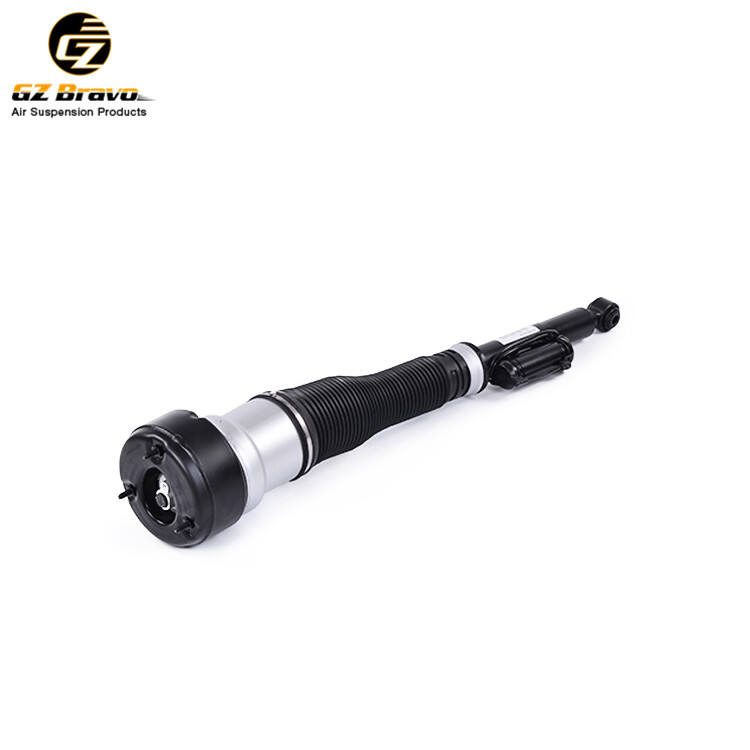
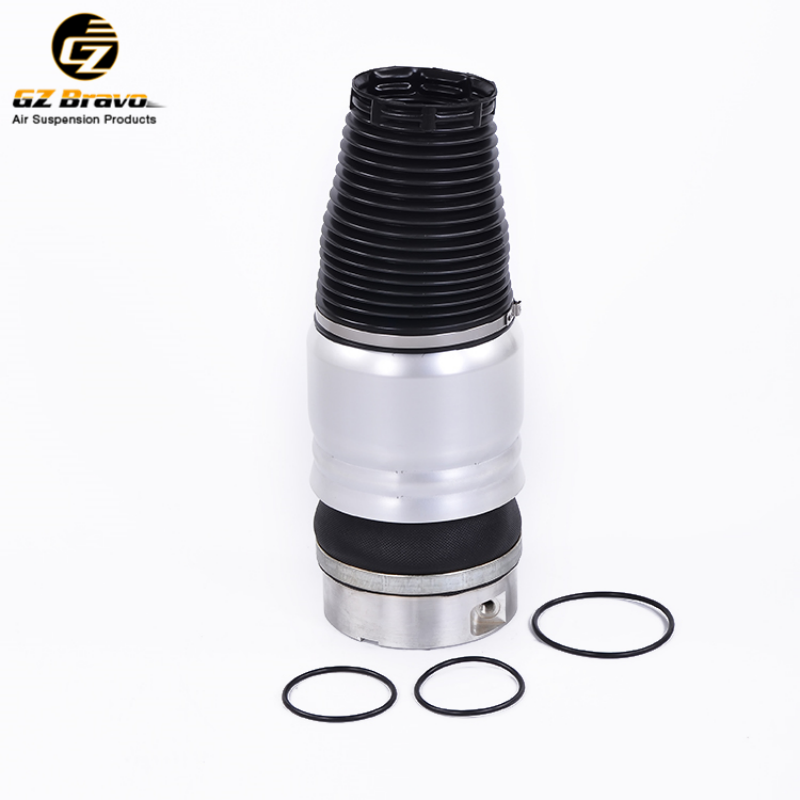
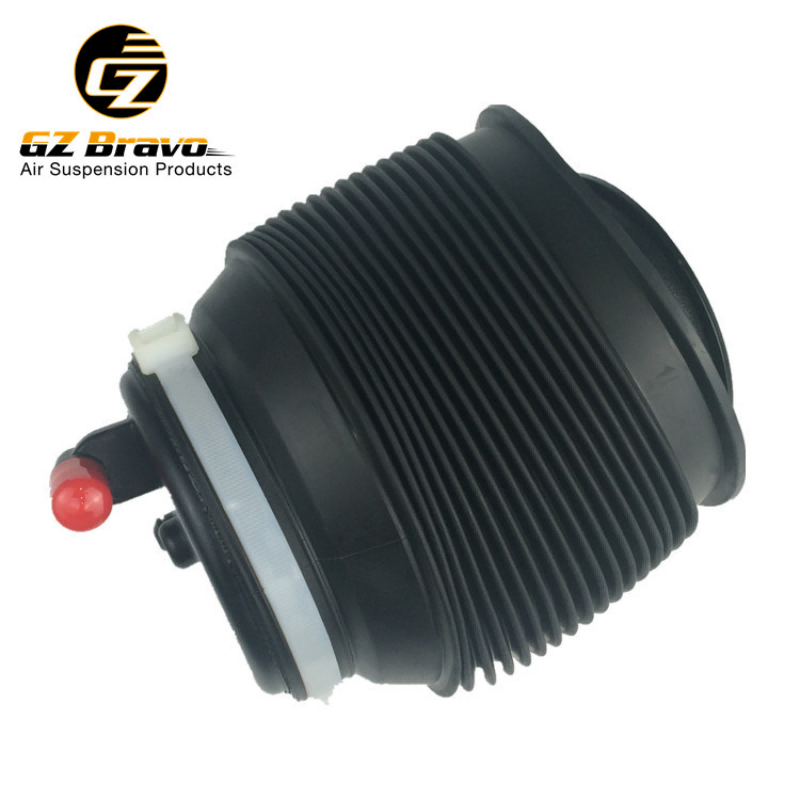
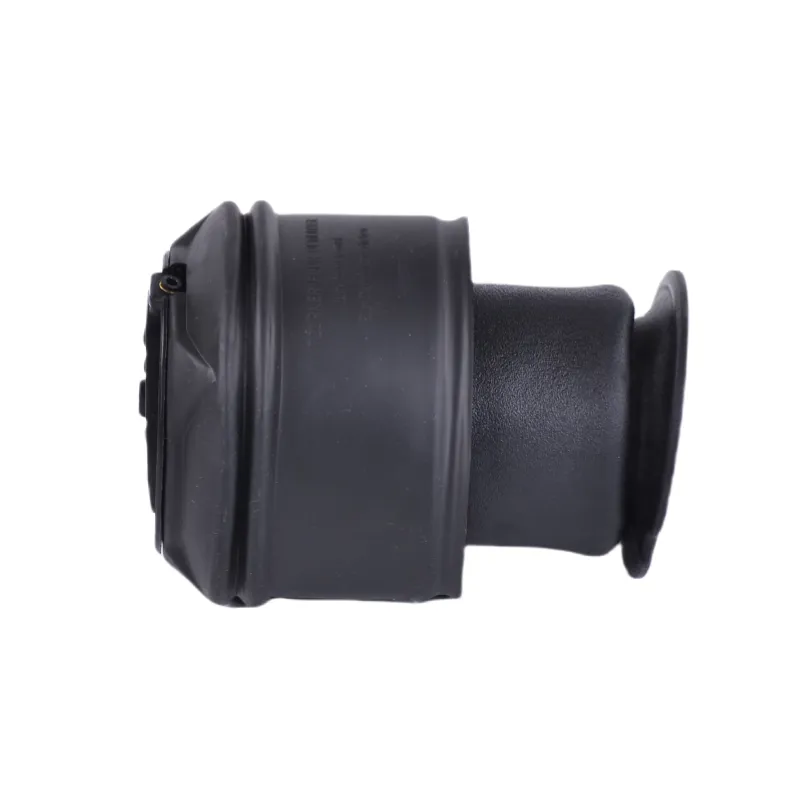
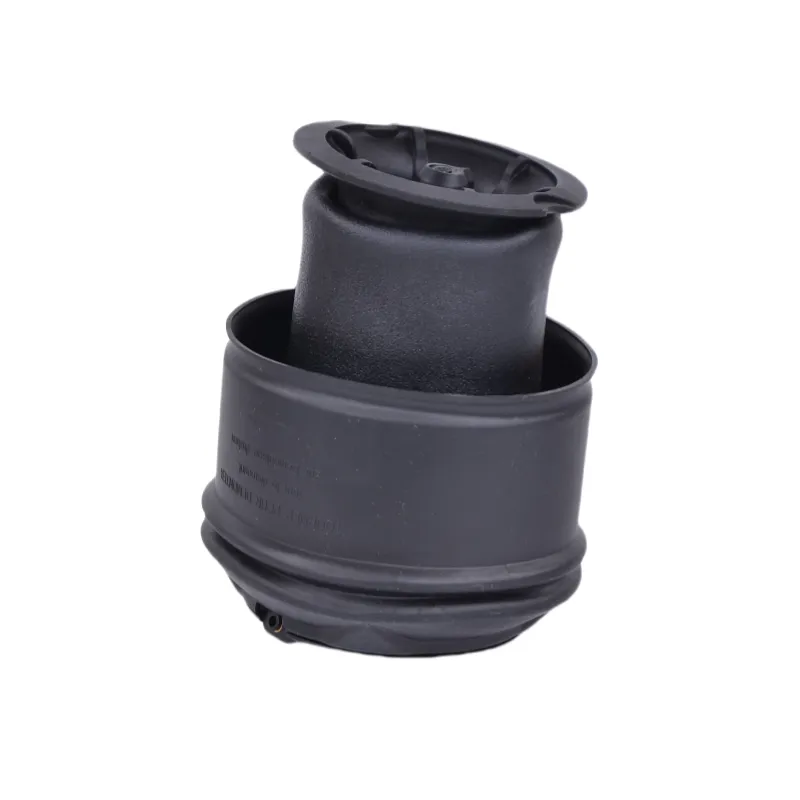
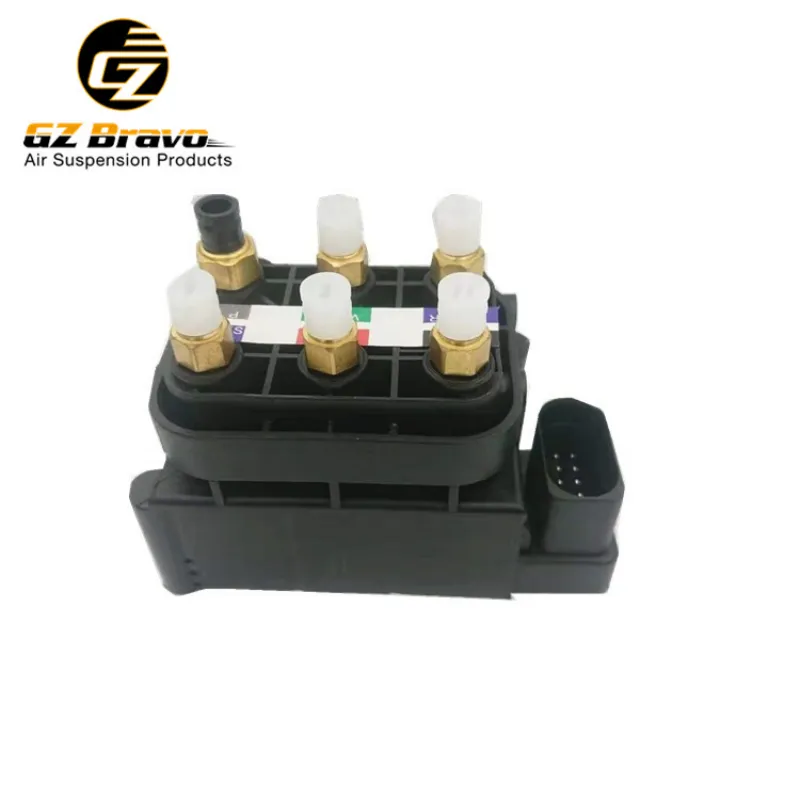
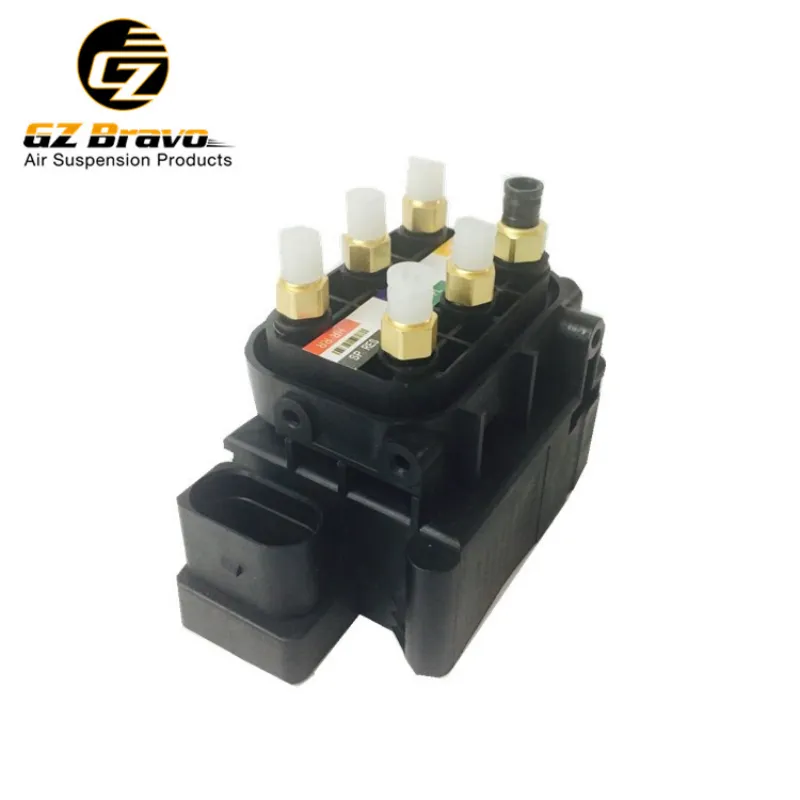
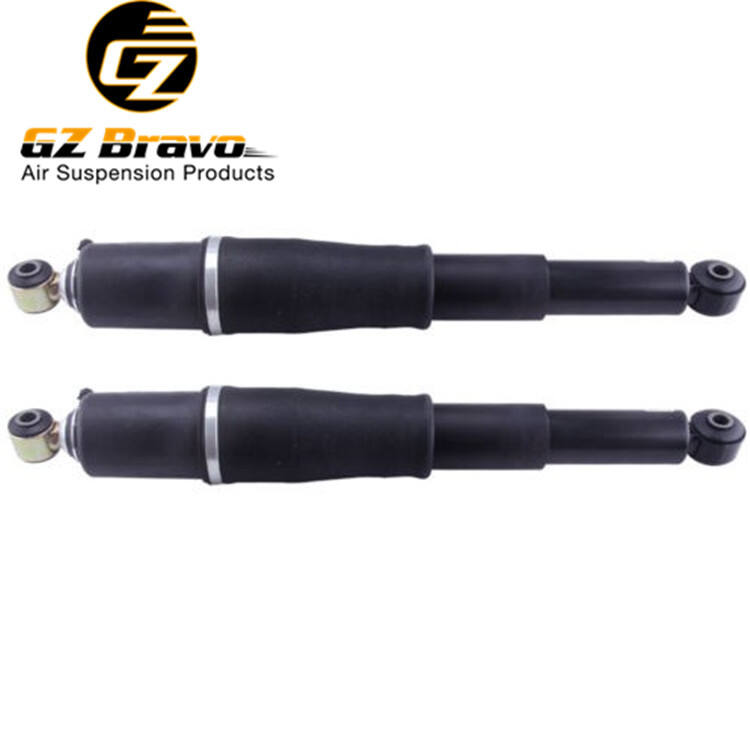
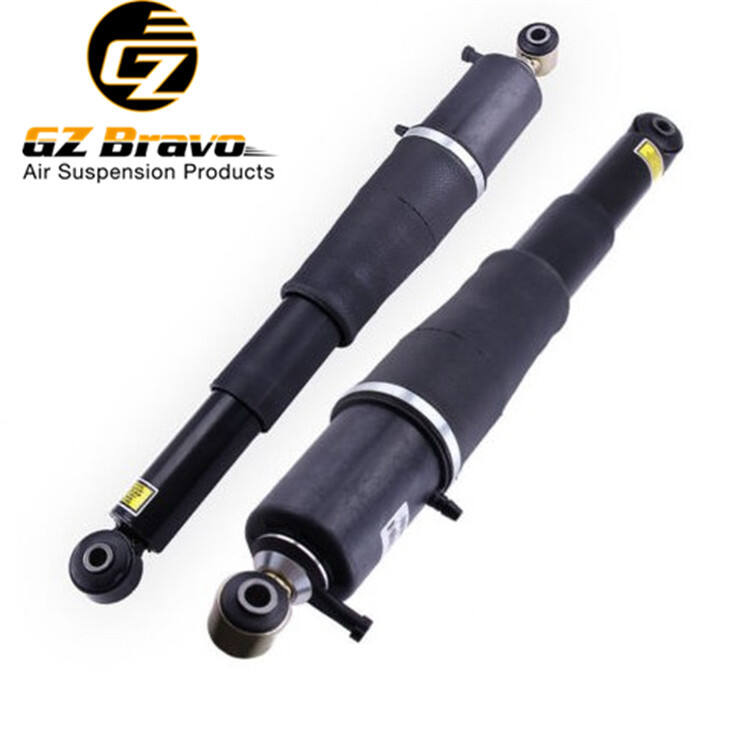
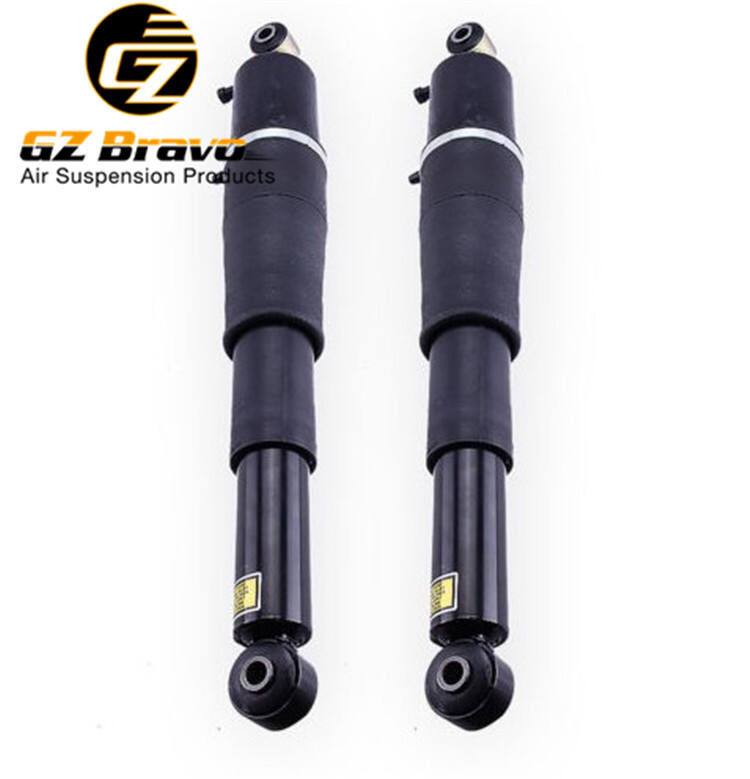
Understanding the specific lifespan of individual components within air suspension systems provides vehicle owners with actionable knowledge for maintenance planning and cost management. The question of how long does air suspension last cannot be answered with a single number because the system comprises multiple components with varying durability characteristics and failure modes. Air springs, also called airbags or air bellows, represent the most visible components and typically last between 80,000 to 100,000 miles under normal conditions, though exposure to road debris, petroleum products, and ozone can accelerate rubber degradation. High-quality air springs manufactured with multi-layer reinforced rubber compounds and protective sleeves can exceed 120,000 miles, while budget replacements may fail below 60,000 miles, demonstrating the importance of component quality in determining how long does air suspension last. The air compressor, responsible for pressurizing the system, operates under significant thermal and mechanical stress, typically requiring replacement between 60,000 to 80,000 miles, though duty cycle heavily influences longevity. Vehicles that frequently adjust ride height or carry varying loads place higher demands on compressors, potentially reducing lifespan to 40,000 miles, while highway-driven vehicles with stable loads may see compressors last beyond 100,000 miles. Air lines and fittings constructed from nylon or polyurethane generally outlast other components, often remaining serviceable for 150,000 miles or more, but become brittle with age and exposure to engine heat, eventually developing leaks that compromise system performance. Electronic control valves and height sensors typically last 100,000 miles but can fail prematurely due to water intrusion or electrical issues, emphasizing the importance of proper sealing and connector maintenance. The air dryer or desiccant cartridge, essential for removing moisture that causes internal corrosion, requires replacement every 30,000 to 50,000 miles to maintain system health and maximize how long does air suspension last across all components. Neglecting air dryer maintenance allows moisture accumulation that corrodes valves, freezes in cold weather causing operational failures, and degrades rubber components from the inside out. Understanding these individual component lifespans allows owners to implement preventive replacement strategies, addressing wear items before they fail and damage other system parts, ultimately extending total system longevity and reducing emergency repair costs.

 EN
EN