How Long Does Air Suspension Last: Complete Lifespan Guide and Maintenance Tips

Get a Free Quote

Our representative will contact you soon.
Email
Name
Company Name
Message
0/1000

how long does air suspension last

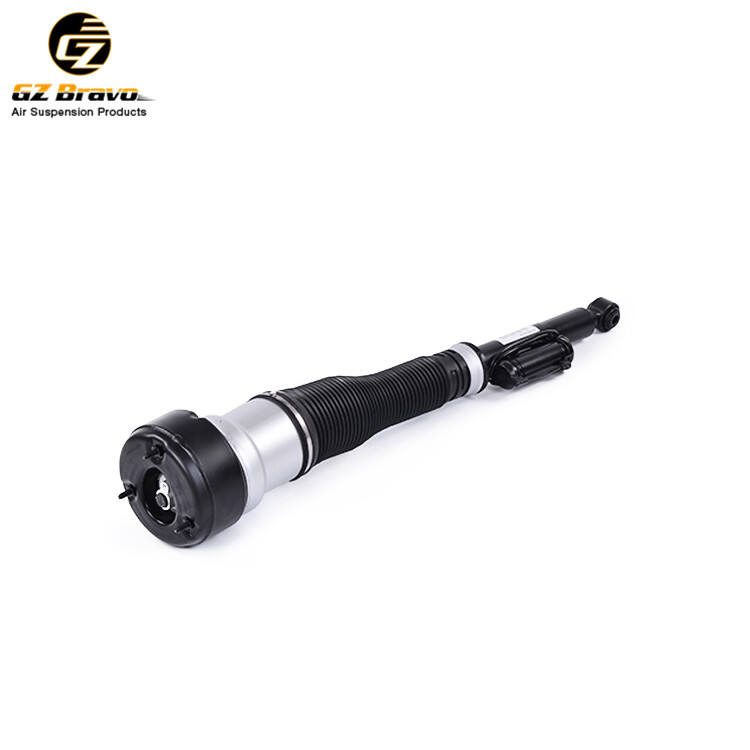
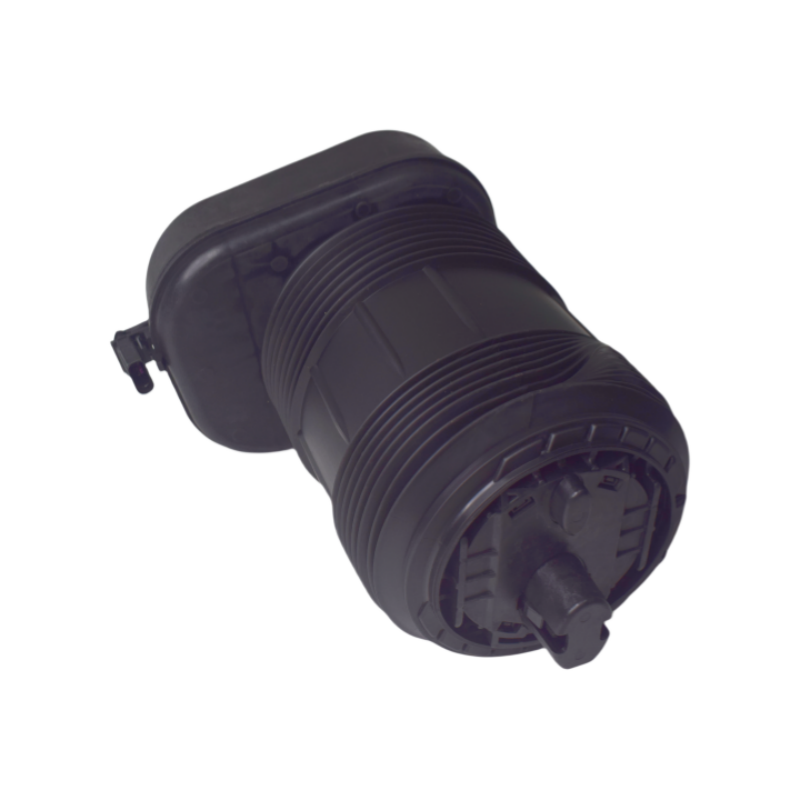
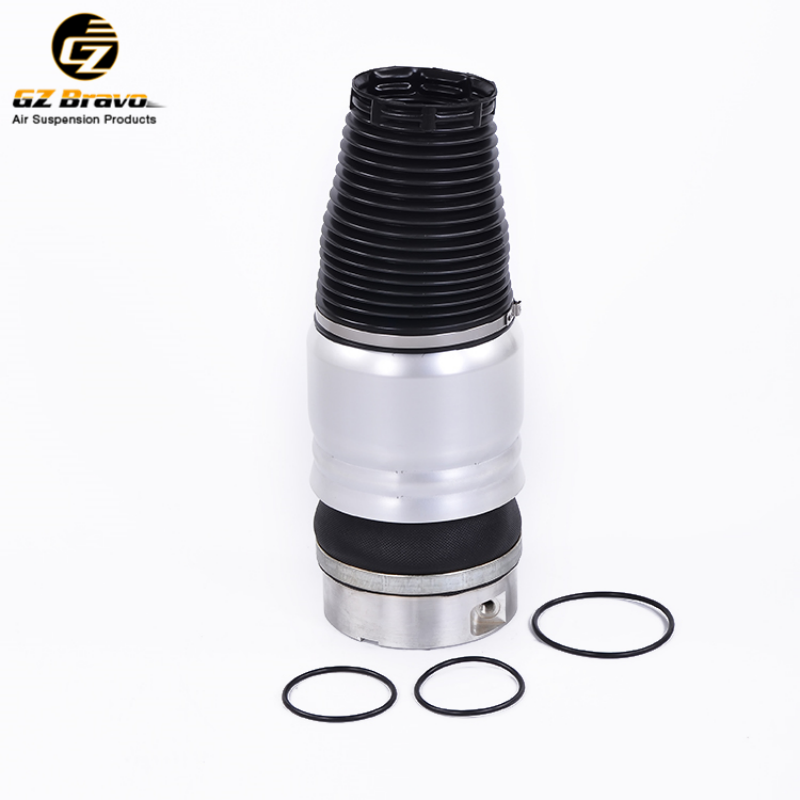
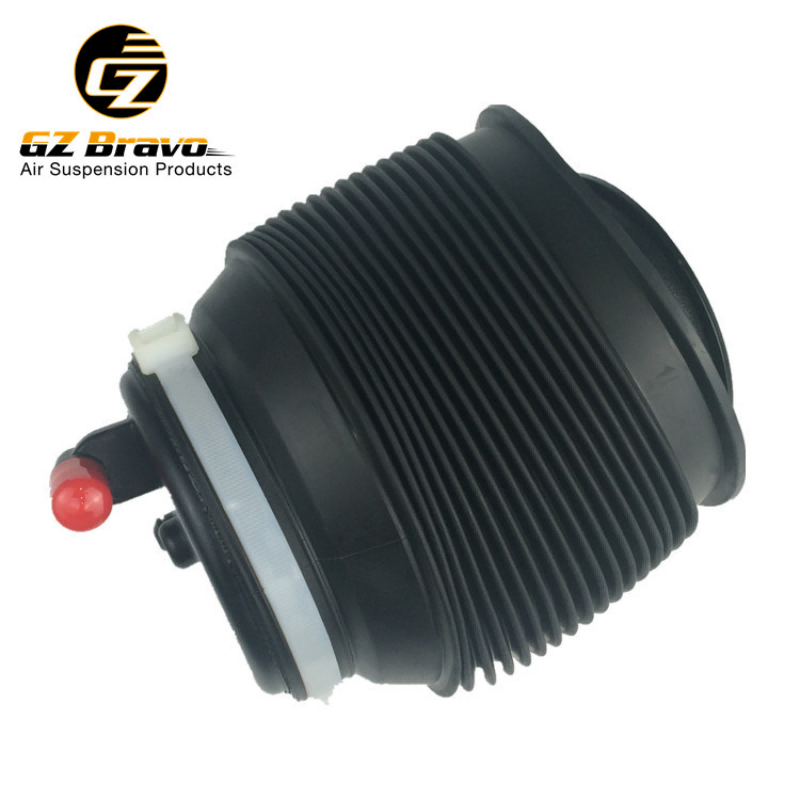
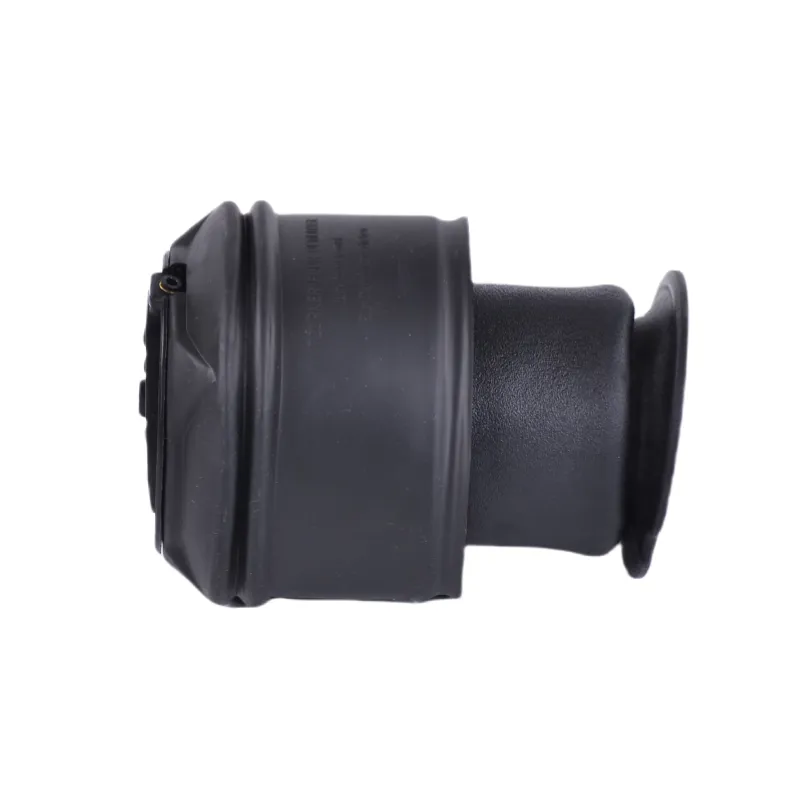
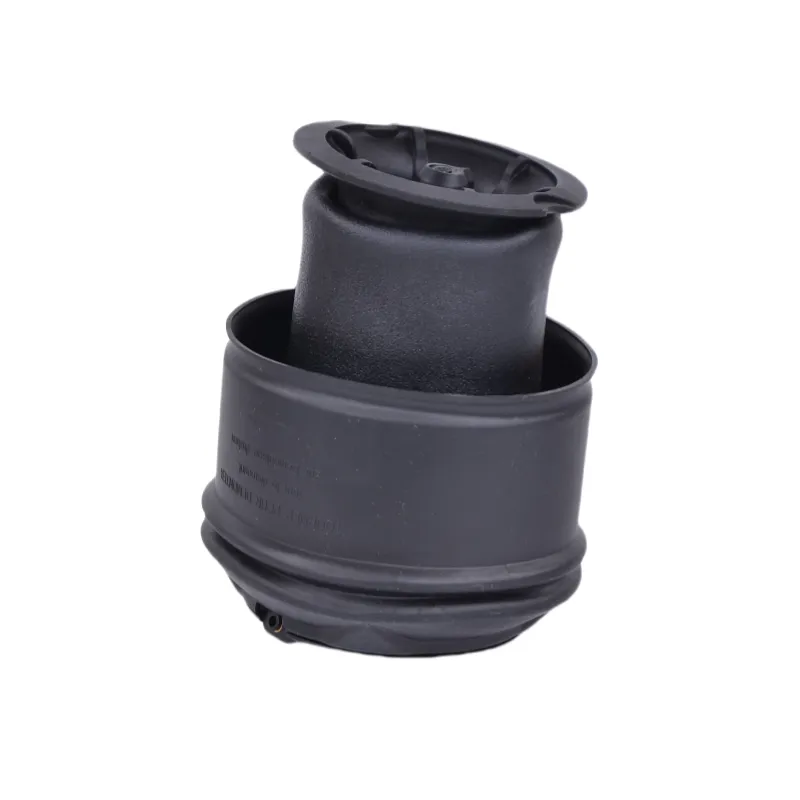
Understanding how long does air suspension last is essential for vehicle owners considering this advanced technology or those already equipped with air suspension systems. Air suspension represents a sophisticated alternative to traditional coil spring or leaf spring setups, utilizing compressed air to support vehicle weight and provide adjustable ride characteristics. The lifespan of air suspension components varies based on multiple factors including driving conditions, maintenance practices, component quality, and environmental exposure. Typically, air suspension systems can last anywhere from 50,000 to 100,000 miles under normal operating conditions, though premium systems with proper maintenance may exceed 150,000 miles. The main components that determine how long does air suspension last include air springs or airbags, compressors, air lines, valves, and electronic control modules. Air springs themselves generally last between 80,000 to 100,000 miles before requiring replacement, while compressors may need attention between 60,000 to 80,000 miles depending on usage frequency. The technological features that impact longevity include rubber compound quality in air springs, compressor duty cycle ratings, moisture management systems, and protective coatings on metal components. Applications range from luxury sedans and SUVs to commercial trucks and performance vehicles, each presenting unique durability challenges. Climate plays a significant role in determining how long does air suspension last, with extreme temperatures, road salt exposure, and humidity accelerating component degradation. Regular inspection of air lines for cracks, monitoring compressor operation for unusual noises, and checking for air leaks can significantly extend system lifespan. Modern air suspension systems incorporate self-diagnostic capabilities that alert drivers to potential issues before complete failure occurs, allowing proactive maintenance that preserves component longevity and prevents costly emergency repairs.

New Product Releases

The advantages of understanding how long does air suspension last extend far beyond simple maintenance planning, offering vehicle owners tangible benefits in cost management, safety, and driving experience. First, knowing the expected lifespan allows owners to budget appropriately for maintenance and replacement costs, avoiding financial surprises when components eventually wear out. Air suspension systems provide adjustable ride height, enabling drivers to lower vehicles for improved aerodynamics and fuel efficiency during highway driving or raise them for increased ground clearance on rough terrain. This versatility protects undercarriage components from damage, indirectly extending the life of expensive parts like exhaust systems and oil pans. The load-leveling capability maintains consistent ride height regardless of cargo weight, preventing premature wear on tires and suspension bushings that occurs when vehicles sag under heavy loads. Unlike traditional springs that gradually lose firmness over time, air suspension maintains consistent performance throughout its service life until components actually fail, providing predictable handling characteristics. When considering how long does air suspension last, owners gain confidence in planning vehicle ownership duration and resale timing, as well-maintained air suspension adds value to used vehicles. The improved ride comfort reduces driver fatigue on long trips and minimizes cargo damage during transport, benefits that accumulate substantial value over the vehicle's lifetime. Air suspension systems absorb road imperfections more effectively than conventional setups, reducing stress transmitted to body panels and interior components, which decreases rattles and squeaks as vehicles age. The adjustability allows customization for different driving scenarios, from comfortable daily commuting to spirited weekend driving, maximizing vehicle utility without compromising component longevity. Understanding expected lifespans enables owners to recognize abnormal wear patterns early, addressing underlying issues like alignment problems or contaminated air supply before they cause cascade failures affecting multiple components. The diagnostic capabilities built into modern systems provide real-time health monitoring, alerting owners to gradual degradation rather than sudden catastrophic failures, allowing convenient scheduled repairs instead of roadside emergencies. Air suspension longevity directly correlates with proper maintenance practices, rewarding attentive owners with extended service intervals and reduced total cost of ownership compared to neglected systems that fail prematurely.

Latest News

How does air suspension improve ride comfort in commercial vehicle applications?

27

May

How does air suspension improve ride comfort in commercial vehicle applications?

In commercial vehicle applications, driver comfort and cargo protection are not luxuries — they are operational necessities. Rough roads, heavy payloads, and long-haul routes place extraordinary stress on both the vehicle and the people inside ...
View More
What factors affect durability of air suspension components in daily use?

27

May

What factors affect durability of air suspension components in daily use?

When it comes to vehicle ride quality and load management, air suspension components play a central role in delivering comfort, stability, and adaptability across a wide range of driving conditions. Unlike traditional coil spring setups, air-based sy...
View More
How does a solenoid valve block improve airflow management in suspension setups?

03

Jun

How does a solenoid valve block improve airflow management in suspension setups?

Modern air suspension systems depend on precise control of pressurized air to deliver the ride comfort and handling performance that drivers expect. At the center of this control architecture sits the solenoid valve block, a compact but critically im...
View More
How does a solenoid valve block improve suspension adjustment accuracy?

03

Jun

How does a solenoid valve block improve suspension adjustment accuracy?

Modern air suspension systems rely on a precise network of components to deliver a smooth, controlled ride — and at the heart of that network sits the solenoid valve block. This compact but critical assembly governs how compressed air is distri...
View More

Get a Free Quote

Our representative will contact you soon.
Email
Name
Company Name
Message
0/1000

how long does air suspension last

Component Durability and Replacement Cycles

Component Durability and Replacement Cycles

Understanding the specific lifespan of individual components within air suspension systems provides vehicle owners with actionable knowledge for maintenance planning and cost management. The question of how long does air suspension last cannot be answered with a single number because the system comprises multiple components with varying durability characteristics and failure modes. Air springs, also called airbags or air bellows, represent the most visible components and typically last between 80,000 to 100,000 miles under normal conditions, though exposure to road debris, petroleum products, and ozone can accelerate rubber degradation. High-quality air springs manufactured with multi-layer reinforced rubber compounds and protective sleeves can exceed 120,000 miles, while budget replacements may fail below 60,000 miles, demonstrating the importance of component quality in determining how long does air suspension last. The air compressor, responsible for pressurizing the system, operates under significant thermal and mechanical stress, typically requiring replacement between 60,000 to 80,000 miles, though duty cycle heavily influences longevity. Vehicles that frequently adjust ride height or carry varying loads place higher demands on compressors, potentially reducing lifespan to 40,000 miles, while highway-driven vehicles with stable loads may see compressors last beyond 100,000 miles. Air lines and fittings constructed from nylon or polyurethane generally outlast other components, often remaining serviceable for 150,000 miles or more, but become brittle with age and exposure to engine heat, eventually developing leaks that compromise system performance. Electronic control valves and height sensors typically last 100,000 miles but can fail prematurely due to water intrusion or electrical issues, emphasizing the importance of proper sealing and connector maintenance. The air dryer or desiccant cartridge, essential for removing moisture that causes internal corrosion, requires replacement every 30,000 to 50,000 miles to maintain system health and maximize how long does air suspension last across all components. Neglecting air dryer maintenance allows moisture accumulation that corrodes valves, freezes in cold weather causing operational failures, and degrades rubber components from the inside out. Understanding these individual component lifespans allows owners to implement preventive replacement strategies, addressing wear items before they fail and damage other system parts, ultimately extending total system longevity and reducing emergency repair costs.
Environmental and Usage Factors Affecting Longevity

Environmental and Usage Factors Affecting Longevity

The question of how long does air suspension last depends significantly on environmental conditions and usage patterns, factors that vehicle owners can partially control through informed decisions and protective measures. Climate represents one of the most influential variables, with extreme temperatures causing thermal cycling that degrades rubber compounds and accelerates seal deterioration. In regions experiencing harsh winters, road salt exposure corrodes metal components including compressor housings, air line fittings, and mounting brackets, potentially reducing how long does air suspension last by 30 to 40 percent compared to moderate climates. Ultraviolet radiation in sunny environments breaks down rubber molecular structures in exposed air springs, causing surface cracking and eventual failure, though protective boots and covers can mitigate this degradation. Humidity and moisture exposure promote internal corrosion of valves and air distribution blocks, particularly when air dryers are not maintained properly, allowing water vapor to condense within the system during temperature fluctuations. Driving conditions dramatically impact component wear rates, with frequent off-road use or pothole-riddled urban streets subjecting air springs to excessive flexing and abrasion that shortens their lifespan compared to smooth highway driving. Vehicles operating in dusty or sandy environments face accelerated compressor wear as airborne particles enter through intake filters, acting as abrasive contaminants that damage piston seals and cylinder walls. Load patterns also determine how long does air suspension last, with vehicles consistently operated at maximum capacity placing continuous strain on air springs and compressors, accelerating fatigue failures compared to lightly loaded applications. Frequent ride height adjustments, while showcasing system versatility, increase compressor duty cycles and valve operations, accumulating wear more rapidly than vehicles maintained at constant height settings. Geographic location influences replacement part availability and service expertise, with owners in areas having limited air suspension support potentially experiencing extended downtime and higher repair costs when components fail. Parking habits affect longevity, as vehicles stored outdoors face accelerated weathering compared to garage-kept vehicles protected from temperature extremes and UV exposure. Understanding these environmental and usage factors empowers owners to implement protective strategies such as regular cleaning to remove corrosive road salt, applying rubber protectants to air springs, parking in covered areas when possible, and adjusting driving habits to minimize unnecessary system stress, all contributing to maximizing how long does air suspension last in their specific circumstances.
Maintenance Practices That Extend Air Suspension Lifespan

Maintenance Practices That Extend Air Suspension Lifespan

Proactive maintenance represents the most effective strategy for maximizing how long does air suspension last, transforming potentially expensive systems into reliable, long-lasting investments through relatively simple preventive measures. Regular visual inspections every 10,000 miles allow early detection of air spring cracks, abraded air lines, corroded fittings, and oil leaks from compressors before minor issues escalate into complete failures requiring emergency repairs. Cleaning air springs and surrounding components removes road grime, salt, and petroleum residues that chemically attack rubber compounds, with mild soap solutions and soft brushes providing effective cleaning without damaging protective coatings. Air dryer replacement at manufacturer-specified intervals, typically every 30,000 to 50,000 miles, maintains system moisture control and represents one of the most cost-effective maintenance tasks for extending how long does air suspension last across all components. Monitoring system responsiveness provides early warning of developing problems, with sluggish height adjustments indicating compressor wear or air leaks, while uneven ride height suggests individual air spring or valve failures. Addressing small air leaks immediately prevents compressor overwork, as even minor leaks force the compressor to cycle more frequently, accelerating wear and potentially causing premature failure that affects overall system reliability. Replacing worn compressor intake filters prevents abrasive particle ingestion that damages internal seals and cylinders, with filter replacement every 20,000 to 30,000 miles representing minimal investment that protects expensive compressor assemblies. Applying rubber conditioners specifically formulated for automotive applications helps maintain air spring flexibility and resistance to cracking, particularly valuable in climates with extreme temperature variations or high UV exposure. Checking electrical connections and cleaning corrosion from sensor plugs and valve harnesses ensures proper system operation and prevents diagnostic errors that mask actual mechanical issues requiring attention. Professional suspension alignment after air spring replacement maintains proper geometry and prevents premature tire wear while ensuring even load distribution across suspension components. Understanding diagnostic trouble codes and utilizing available scan tools enables owners to differentiate between minor sensor glitches and serious mechanical failures, avoiding unnecessary component replacements while addressing genuine problems promptly. Seasonal preparations, including pre-winter inspections and corrosion protection treatments, help vehicles withstand harsh conditions that accelerate component degradation. Keeping detailed maintenance records documents system health over time, aids in identifying patterns or recurring issues, and provides valuable information when selling the vehicle, as prospective buyers pay premium prices for well-maintained air suspension systems. By implementing comprehensive maintenance practices, owners can realistically expect their air suspension systems to exceed average lifespan expectations, with some well-maintained systems remaining fully operational beyond 150,000 miles, demonstrating that investment in preventive care dramatically influences how long does air suspension last and delivers substantial long-term value.

Get a Free Quote

Our representative will contact you soon.
Email
Name
Company Name
Message
0/1000