Self-Leveling Capability for Consistent Performance and Safety
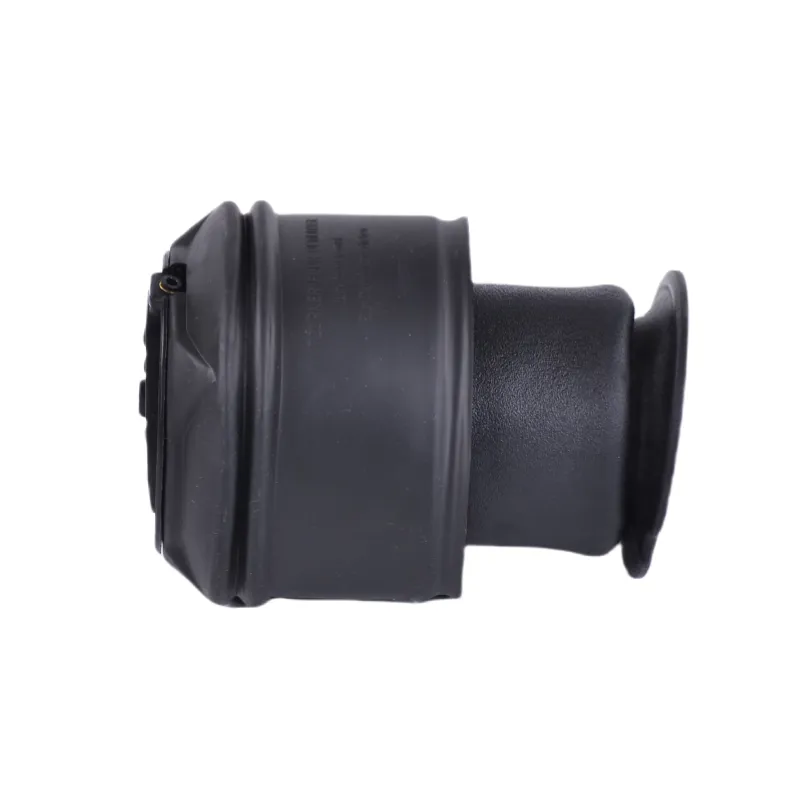
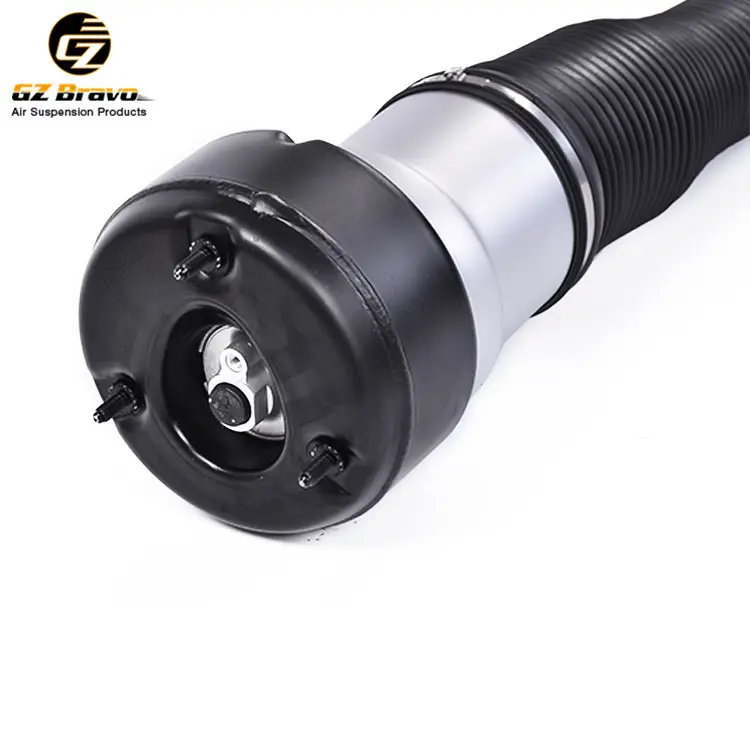
The self-leveling capability of pneumatic suspension stands as one of its most valuable features, automatically maintaining optimal vehicle attitude regardless of load variations or weight distribution changes. This intelligent function continuously monitors vehicle height using precision sensors positioned at each corner or axle, feeding real-time data to the electronic control unit that orchestrates suspension adjustments. When you add cargo, attach a trailer, or have passengers enter the vehicle, the system immediately detects the resulting suspension compression and responds by increasing air pressure in the affected springs to restore the predetermined ride height. This automatic compensation happens within seconds, requiring no driver intervention or manual adjustment. The importance of maintaining level vehicle attitude extends far beyond aesthetics; it directly impacts safety, performance, and component longevity. When a vehicle sags at the rear due to heavy loading, the headlights angle upward, potentially blinding oncoming drivers and reducing your own forward visibility. Pneumatic suspension eliminates this problem by keeping the vehicle level, ensuring headlights remain properly aimed regardless of cargo weight. Brake performance also depends on proper weight distribution, and a sagging rear end can compromise braking efficiency by reducing weight on the front tires where most braking force is generated. The self-leveling feature ensures optimal brake balance is maintained at all times. Handling characteristics remain consistent with pneumatic suspension because the system prevents the geometry changes that occur when traditional suspensions compress under load. Steering response, cornering stability, and emergency maneuver capability all depend on suspension geometry remaining within design parameters. Without self-leveling, a heavily loaded vehicle handles differently than an empty one, requiring drivers to adjust their driving style. Pneumatic suspension eliminates this variability, providing predictable handling regardless of load conditions. This consistency proves particularly valuable for commercial drivers who alternate between loaded and unloaded operation throughout their workday. Trailer towing benefits enormously from self-leveling pneumatic suspension because tongue weight from the trailer naturally pushes down the rear of the towing vehicle. Traditional suspensions may sag several inches under this load, creating an unsafe nose-high attitude that reduces steering control and increases aerodynamic drag. The pneumatic suspension compensates automatically, maintaining level stance and proper weight distribution for safe, stable towing. The system can even be programmed with trailer-specific settings that adjust damping characteristics for optimal towing performance. Component protection represents another crucial advantage of self-leveling capability, as maintaining proper ride height prevents overextension of suspension components, exhaust systems, and driveline parts that could otherwise contact the chassis or ground when the vehicle sags. This protection extends the service life of expensive components and prevents damage that could result in costly repairs or dangerous failures.

 EN
EN