Pneumatic Suspension Systems: Advanced Air Suspension Technology for Superior Ride Comfort and Versatility

Get a Free Quote

Our representative will contact you soon.
Email
Name
Company Name
Message
0/1000

pneumatic suspension

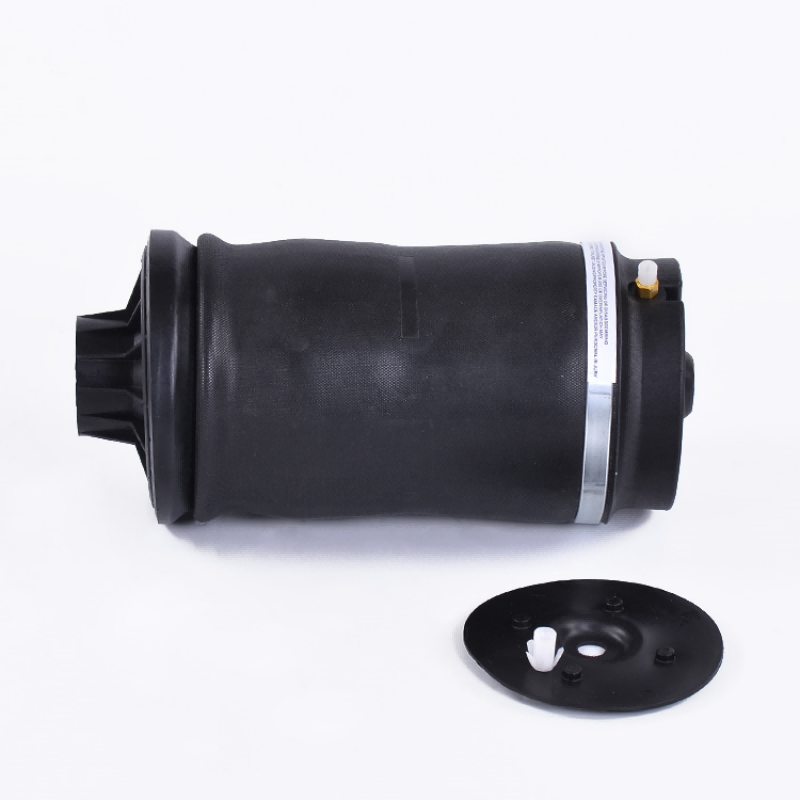
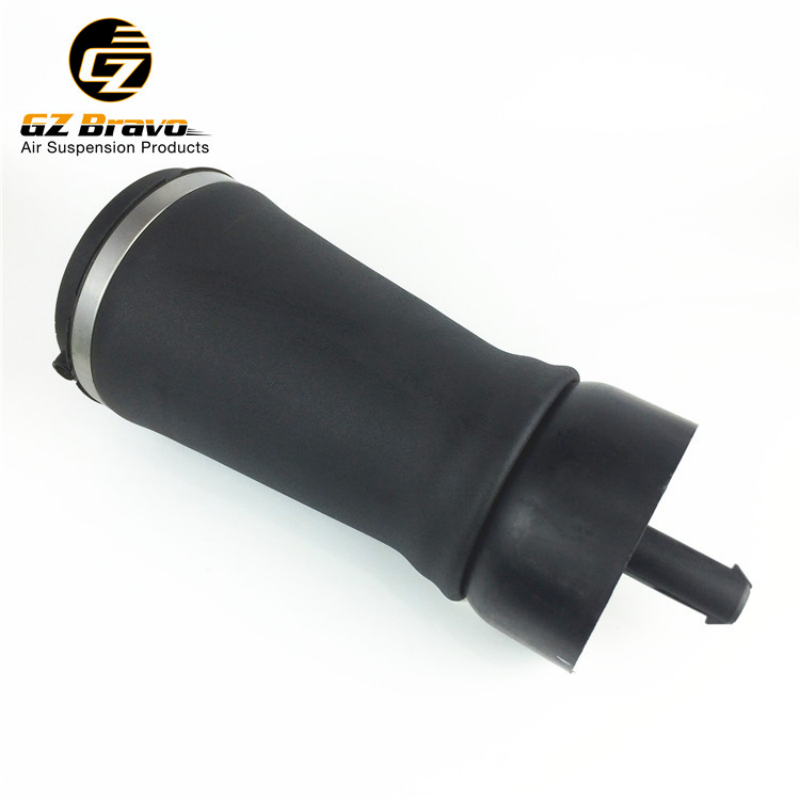
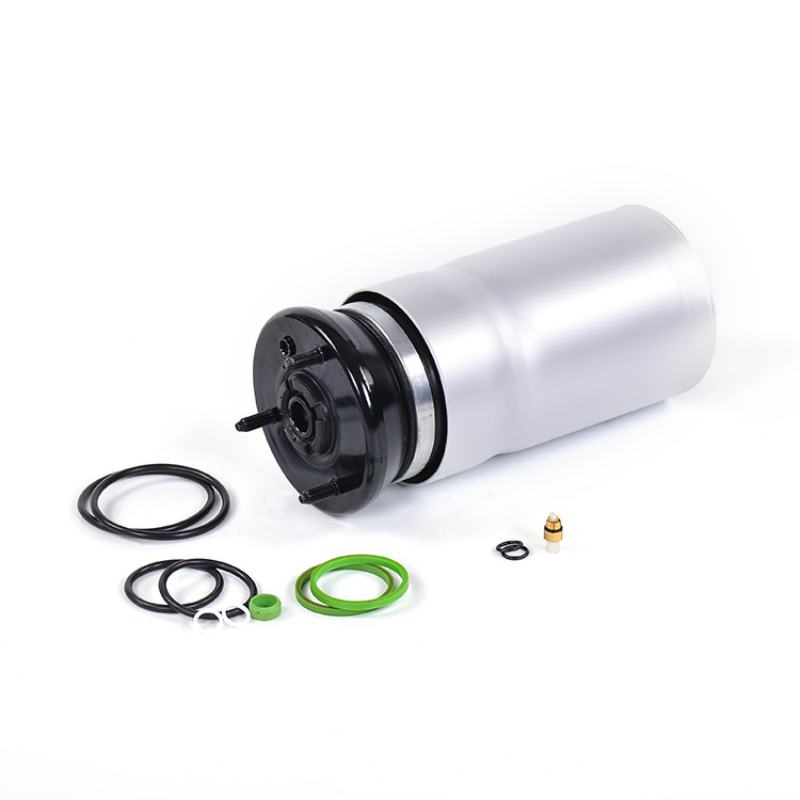
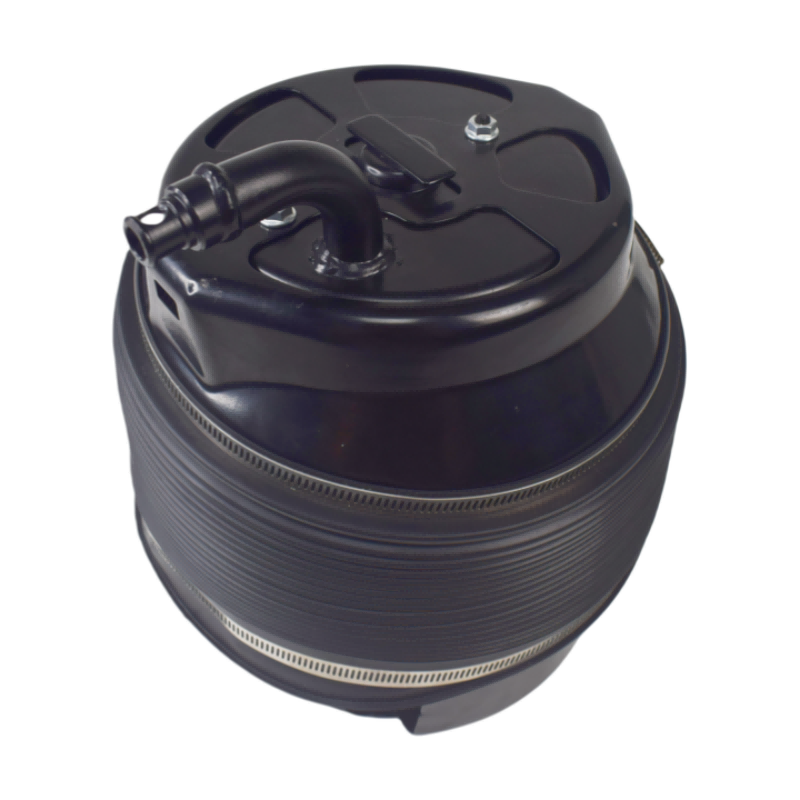
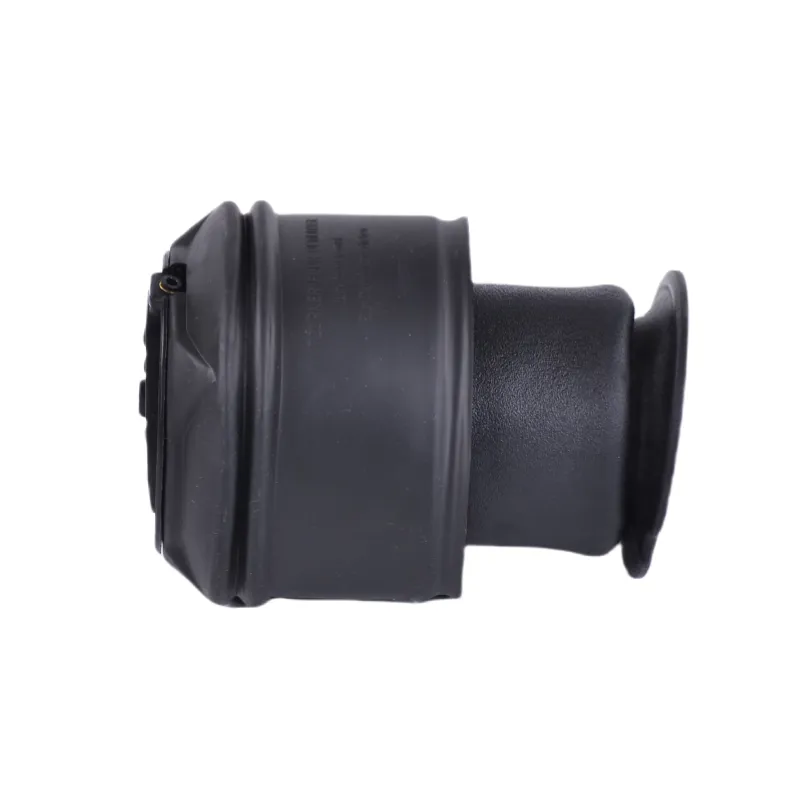
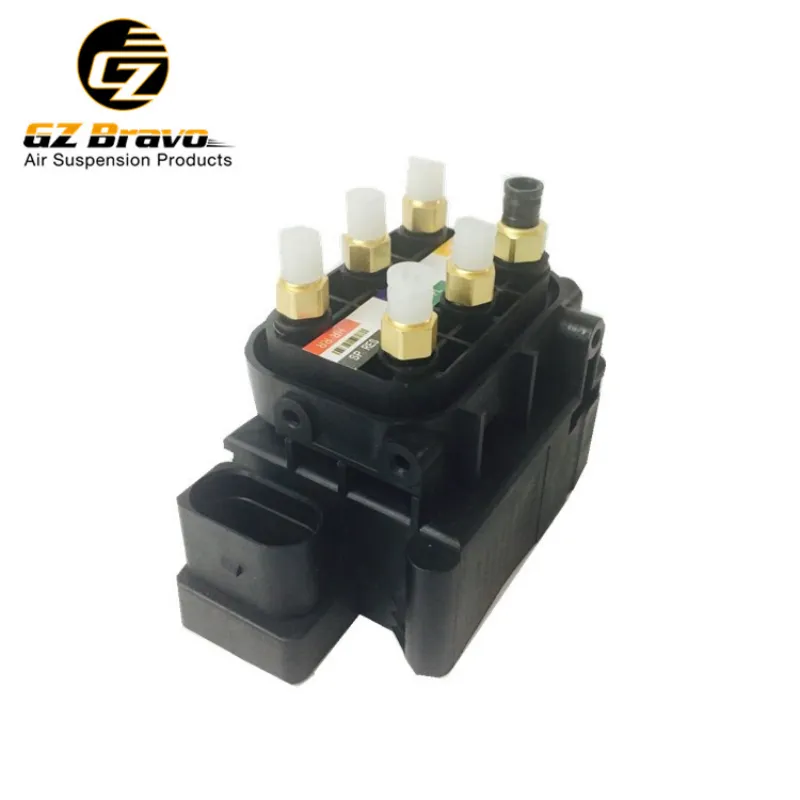
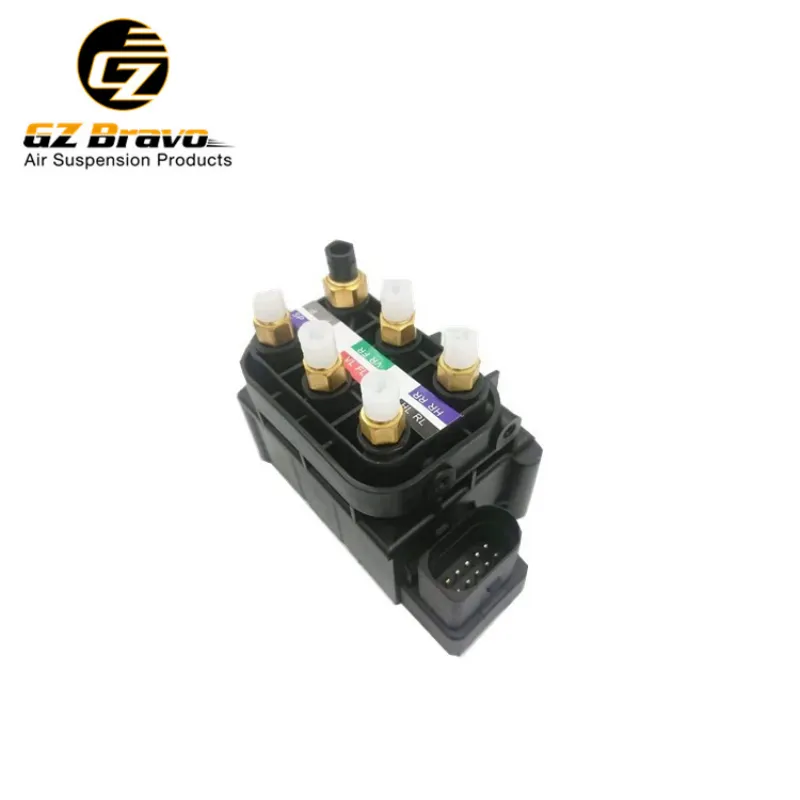
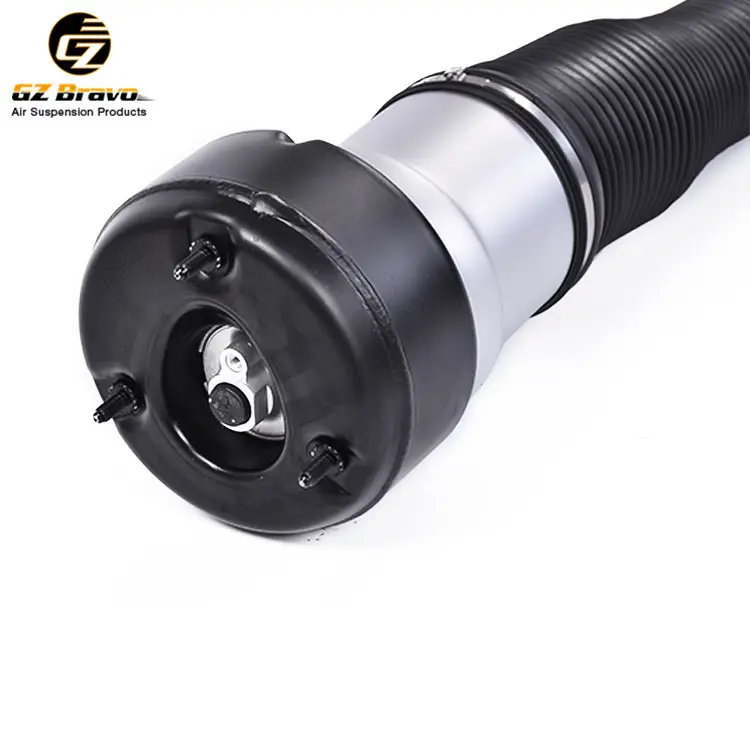
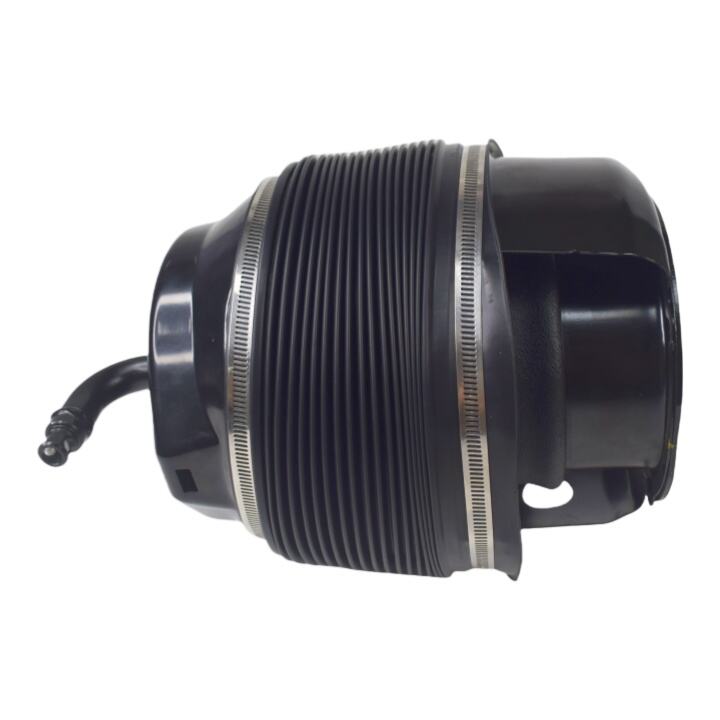
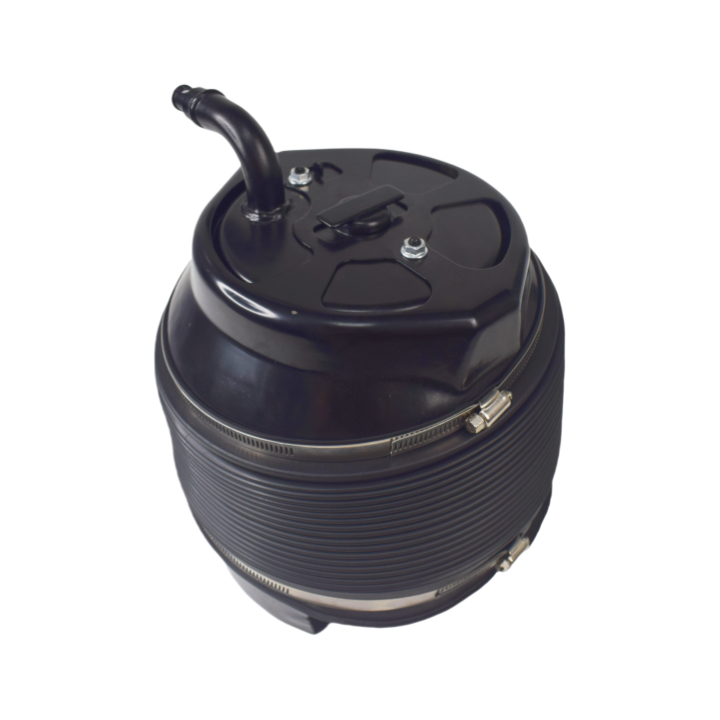
Pneumatic suspension represents an advanced vehicle suspension technology that utilizes compressed air springs instead of traditional steel coil or leaf springs to support vehicle weight and absorb road impacts. This sophisticated system consists of several key components including air springs, air compressors, electronic control units, height sensors, and air distribution valves that work together seamlessly. The primary function of pneumatic suspension is to provide variable ride height adjustment, allowing drivers to raise or lower their vehicles according to different driving conditions and load requirements. The technological features of this system include real-time monitoring capabilities that continuously assess vehicle load, speed, and road conditions to automatically adjust air pressure within the springs. Modern pneumatic suspension systems integrate with vehicle computer networks to deliver precise control over damping characteristics and ride quality. The air springs themselves are durable rubber and fabric composite structures that can be inflated or deflated within seconds, offering flexibility that conventional springs cannot match. Applications of pneumatic suspension span across various vehicle categories, from luxury passenger cars and SUVs to commercial trucks, buses, and specialized vehicles like ambulances where smooth ride quality is essential. In the automotive luxury segment, pneumatic suspension has become a hallmark feature that distinguishes premium vehicles from standard models. Commercial vehicle operators benefit significantly from this technology as it helps protect sensitive cargo during transport and reduces driver fatigue on long journeys. The system also finds applications in recreational vehicles and trailers where leveling capabilities are crucial for comfort and stability when parked. Heavy-duty trucks equipped with pneumatic suspension can better distribute load weight, leading to reduced wear on road infrastructure and extended vehicle component lifespan. The adaptability of pneumatic suspension makes it invaluable for vehicles that encounter varying load conditions throughout their operational life, providing consistent performance regardless of cargo weight or passenger numbers.

Popular Products

The pneumatic suspension delivers substantial practical benefits that directly improve your daily driving experience and vehicle performance. First and foremost, this technology provides exceptional ride comfort by effectively isolating passengers from road irregularities and vibrations. When you drive over bumps, potholes, or uneven surfaces, the air springs absorb these impacts more efficiently than traditional springs, resulting in a smoother, more refined journey for everyone inside the vehicle. This comfort advantage becomes particularly noticeable during long-distance travel where reduced fatigue translates to safer driving and more pleasant experiences. Another significant benefit is the adjustable ride height capability that pneumatic suspension offers. You can raise your vehicle for better ground clearance when navigating rough terrain, snow, or flooded areas, then lower it for improved aerodynamics and fuel efficiency during highway cruising. This versatility means one vehicle can adapt to multiple scenarios without compromise. For families loading groceries or luggage, the ability to lower the rear suspension makes accessing the cargo area considerably easier, reducing strain and effort. Vehicle handling and stability receive remarkable improvements with pneumatic suspension systems. The technology automatically adjusts suspension stiffness based on driving conditions, cornering forces, and acceleration patterns. During spirited driving or emergency maneuvers, the system firms up to reduce body roll and maintain better tire contact with the road surface. Conversely, during relaxed cruising, it softens to prioritize comfort. This intelligent adaptation means you do not have to choose between comfort and performance. Load-carrying capability becomes more manageable with pneumatic suspension because the system maintains consistent ride height regardless of cargo weight. When you load heavy items or tow a trailer, the suspension compensates automatically to prevent the vehicle from sagging, which preserves proper headlight aim, maintains optimal handling characteristics, and ensures brake performance remains unaffected. This self-leveling feature protects your vehicle from premature wear caused by operating in a nose-up or tail-down attitude. Maintenance benefits also deserve mention, as pneumatic suspension reduces stress on other vehicle components. By absorbing road impacts more effectively, it lessens the punishment inflicted on chassis parts, body panels, and interior fittings. Your vehicle experiences less rattling, fewer squeaks, and reduced structural fatigue over time. Additionally, the improved weight distribution and reduced dynamic loading help tires wear more evenly, extending their service life and saving you replacement costs. The investment in pneumatic suspension technology pays dividends through enhanced resale value, as vehicles equipped with this feature typically command premium prices in the used market due to their desirability and perceived quality.

Tips And Tricks

How does air suspension improve ride comfort in commercial vehicle applications?

27

May

How does air suspension improve ride comfort in commercial vehicle applications?

In commercial vehicle applications, driver comfort and cargo protection are not luxuries — they are operational necessities. Rough roads, heavy payloads, and long-haul routes place extraordinary stress on both the vehicle and the people inside ...
View More
Is a solenoid valve block essential for precise control in air suspension systems?

03

Jun

Is a solenoid valve block essential for precise control in air suspension systems?

The question of whether a solenoid valve block is truly essential for precise control in air suspension systems is one that every vehicle owner, fleet manager, and automotive technician should understand clearly. Air suspension systems are complex, p...
View More
Can a solenoid valve block support fast response in adaptive suspension systems?

03

Jun

Can a solenoid valve block support fast response in adaptive suspension systems?

When engineers and automotive specialists evaluate the performance ceiling of adaptive suspension systems, one component consistently emerges as a critical enabler of real-time responsiveness: the solenoid valve block. In air suspension architectures...
View More
How does an air suspension compressor improve performance in load support systems?

03

Jun

How does an air suspension compressor improve performance in load support systems?

When a vehicle carries heavy loads or navigates uneven terrain, the demands placed on its suspension system increase dramatically. An air suspension compressor sits at the heart of any pneumatic load support system, continuously managing air pressure...
View More

Get a Free Quote

Our representative will contact you soon.
Email
Name
Company Name
Message
0/1000

pneumatic suspension

Superior Comfort Through Advanced Air Spring Technology

Superior Comfort Through Advanced Air Spring Technology

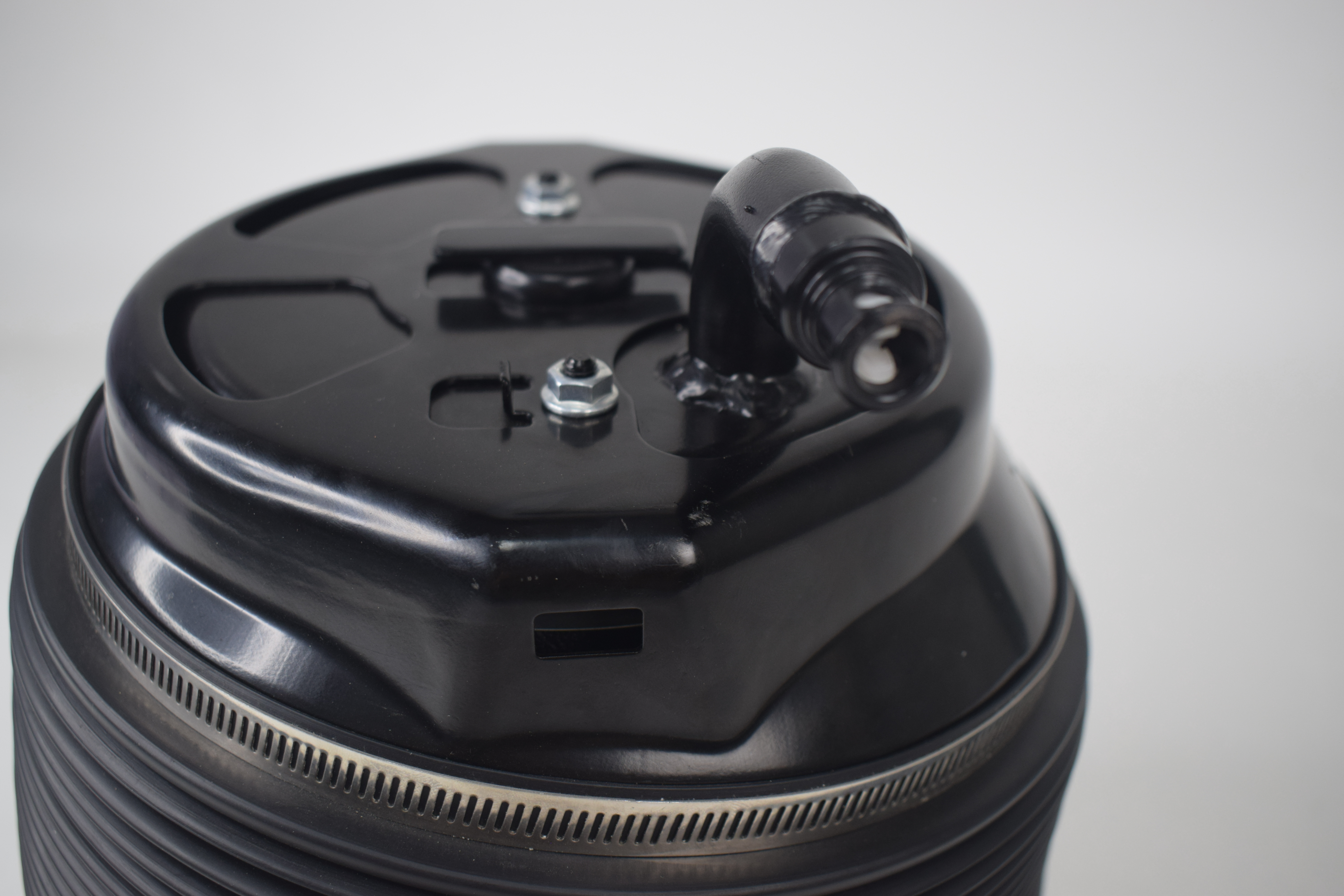
The pneumatic suspension system revolutionizes ride comfort through its innovative use of air spring technology that fundamentally changes how vehicles interact with road surfaces. Unlike conventional metal springs that have fixed spring rates, air springs in a pneumatic suspension can vary their stiffness infinitely by adjusting internal air pressure. This means the suspension responds intelligently to changing conditions rather than providing a one-size-fits-all solution. When sensors detect smooth highway conditions, the system reduces air pressure slightly to create a softer, more compliant ride that absorbs minor surface imperfections before they reach the cabin. Passengers experience a floating sensation reminiscent of luxury sedans, where the vehicle seems to glide over the pavement. Conversely, when the system detects aggressive driving inputs or rough road conditions, it increases air pressure to provide additional support and control. The air springs themselves consist of reinforced rubber bellows filled with compressed air, creating a progressive spring rate that becomes firmer as compression increases. This progressive characteristic means small bumps are absorbed gently while larger impacts receive increasingly firm resistance, preventing harsh bottoming out. The pneumatic suspension excels particularly in isolating high-frequency vibrations that cause fatigue during extended driving. Traditional springs can transmit these vibrations through their metal structure, but air acts as an additional damping medium that dissipates vibrational energy before it reaches passengers. Many owners report arriving at destinations feeling significantly more refreshed compared to driving vehicles with conventional suspension systems. The comfort benefits extend beyond just bump absorption; pneumatic suspension also reduces noise transmission from the road. The air springs do not create the metallic spring noise that sometimes occurs with coil springs, contributing to a quieter cabin environment. For families with young children, this enhanced comfort means kids can sleep peacefully during travel, and for professionals, it means arriving at important meetings without the physical stress that comes from harsh suspension systems. The technology also benefits passengers with back problems or other physical sensitivities who find traditional suspensions uncomfortable. Medical transport vehicles and ambulances increasingly adopt pneumatic suspension because it minimizes patient discomfort during transport, demonstrating the tangible health and comfort advantages this technology provides in critical applications.
Intelligent Ride Height Adjustment for Maximum Versatility

Intelligent Ride Height Adjustment for Maximum Versatility

One of the most compelling features of pneumatic suspension is its ability to adjust vehicle ride height on demand, delivering unprecedented versatility that adapts your vehicle to countless situations throughout ownership. This capability transforms a single vehicle into a multi-purpose tool that handles diverse challenges without compromise. The ride height adjustment function operates through electronic controls that command the air compressor and valve system to add or remove air from individual springs or axles. Most systems offer several preset height settings accessible via dashboard controls, allowing you to select the appropriate configuration with a simple button press. The highest setting provides maximum ground clearance, typically raising the vehicle by several inches compared to the standard position. This elevated stance proves invaluable when traversing obstacles like speed bumps at steep driveway entrances, navigating unpaved roads with ruts and rocks, or driving through deep snow or standing water. Off-road enthusiasts appreciate how pneumatic suspension allows their vehicles to tackle challenging terrain that would otherwise risk damage to undercarriage components. The system can raise the vehicle before entering difficult sections, then lower it again for stable highway driving afterward. For urban drivers, the ability to lower the vehicle provides distinct advantages in everyday situations. Lowering the rear suspension when loading heavy items reduces the lifting height required, making it easier to slide cargo into place and reducing the risk of back strain. Parents loading children into car seats find the lowered position more convenient, and individuals with mobility limitations benefit from the reduced step-in height. Some pneumatic suspension systems include an automatic lowering feature that activates when you turn off the ignition, making entry and exit more comfortable for all passengers. The aerodynamic benefits of lowering the vehicle at highway speeds should not be overlooked, as reduced ride height decreases the frontal area exposed to wind resistance, potentially improving fuel economy by several percent during long-distance cruising. Racing and performance applications utilize pneumatic suspension for its ability to lower the center of gravity, which enhances handling dynamics and cornering stability. The system can be programmed to automatically lower at higher speeds, then raise again when decelerating, providing optimal configuration for each driving phase. Commercial vehicle operators gain substantial benefits from ride height adjustment, particularly for loading dock operations where precise height matching eliminates the need for ramps or extra lifting equipment. This capability streamlines logistics operations and reduces loading times significantly. The pneumatic suspension system remembers your preferred settings and can automatically adjust to stored configurations when certain conditions are met, such as detecting a trailer connection or sensing increased cargo weight, ensuring optimal performance without requiring constant manual intervention.
Self-Leveling Capability for Consistent Performance and Safety

Self-Leveling Capability for Consistent Performance and Safety

The self-leveling capability of pneumatic suspension stands as one of its most valuable features, automatically maintaining optimal vehicle attitude regardless of load variations or weight distribution changes. This intelligent function continuously monitors vehicle height using precision sensors positioned at each corner or axle, feeding real-time data to the electronic control unit that orchestrates suspension adjustments. When you add cargo, attach a trailer, or have passengers enter the vehicle, the system immediately detects the resulting suspension compression and responds by increasing air pressure in the affected springs to restore the predetermined ride height. This automatic compensation happens within seconds, requiring no driver intervention or manual adjustment. The importance of maintaining level vehicle attitude extends far beyond aesthetics; it directly impacts safety, performance, and component longevity. When a vehicle sags at the rear due to heavy loading, the headlights angle upward, potentially blinding oncoming drivers and reducing your own forward visibility. Pneumatic suspension eliminates this problem by keeping the vehicle level, ensuring headlights remain properly aimed regardless of cargo weight. Brake performance also depends on proper weight distribution, and a sagging rear end can compromise braking efficiency by reducing weight on the front tires where most braking force is generated. The self-leveling feature ensures optimal brake balance is maintained at all times. Handling characteristics remain consistent with pneumatic suspension because the system prevents the geometry changes that occur when traditional suspensions compress under load. Steering response, cornering stability, and emergency maneuver capability all depend on suspension geometry remaining within design parameters. Without self-leveling, a heavily loaded vehicle handles differently than an empty one, requiring drivers to adjust their driving style. Pneumatic suspension eliminates this variability, providing predictable handling regardless of load conditions. This consistency proves particularly valuable for commercial drivers who alternate between loaded and unloaded operation throughout their workday. Trailer towing benefits enormously from self-leveling pneumatic suspension because tongue weight from the trailer naturally pushes down the rear of the towing vehicle. Traditional suspensions may sag several inches under this load, creating an unsafe nose-high attitude that reduces steering control and increases aerodynamic drag. The pneumatic suspension compensates automatically, maintaining level stance and proper weight distribution for safe, stable towing. The system can even be programmed with trailer-specific settings that adjust damping characteristics for optimal towing performance. Component protection represents another crucial advantage of self-leveling capability, as maintaining proper ride height prevents overextension of suspension components, exhaust systems, and driveline parts that could otherwise contact the chassis or ground when the vehicle sags. This protection extends the service life of expensive components and prevents damage that could result in costly repairs or dangerous failures.


Get a Free Quote

Our representative will contact you soon.
Email
Name
Company Name
Message
0/1000