Superior Load Management and Self-Leveling Capability
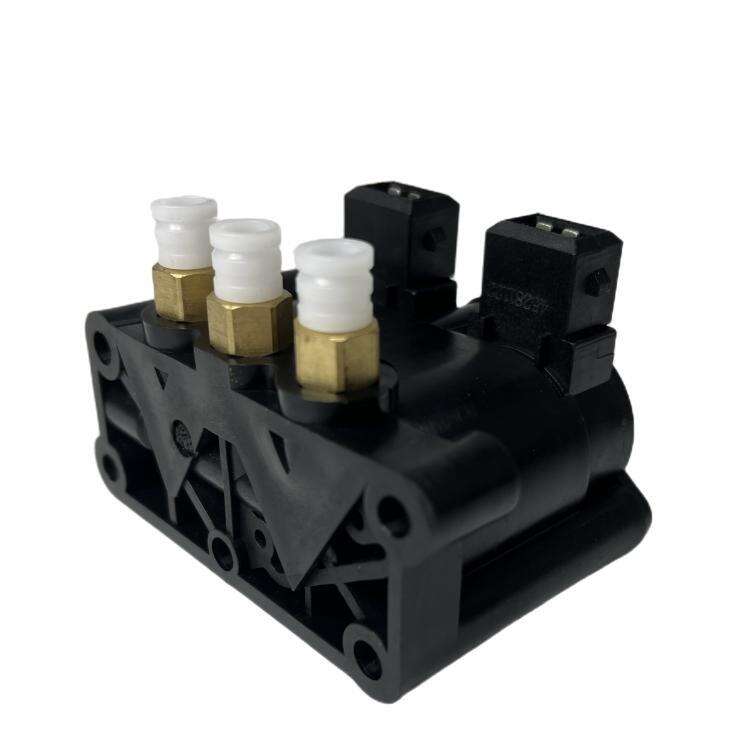
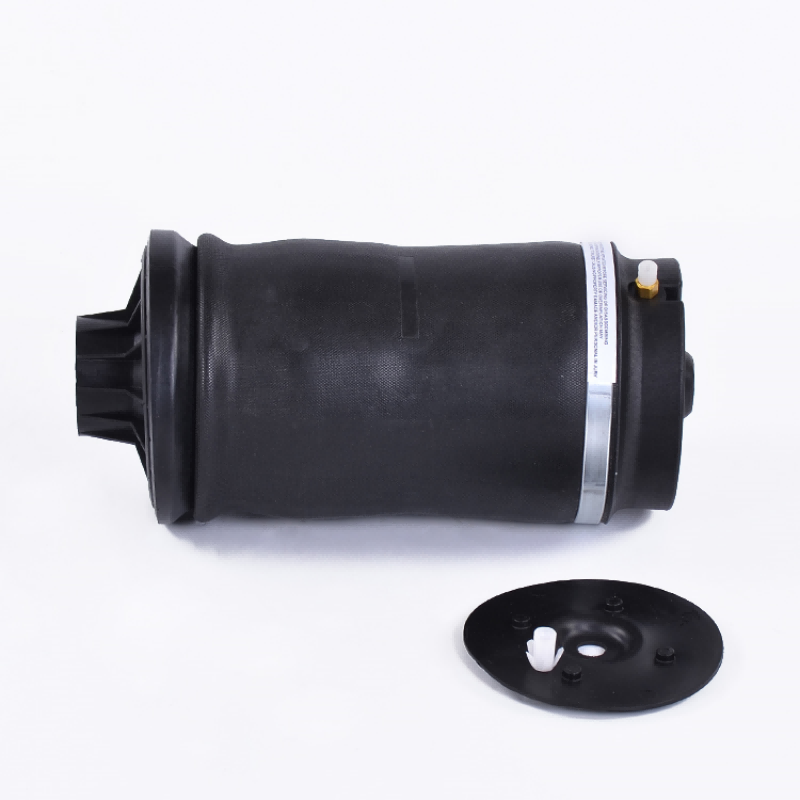
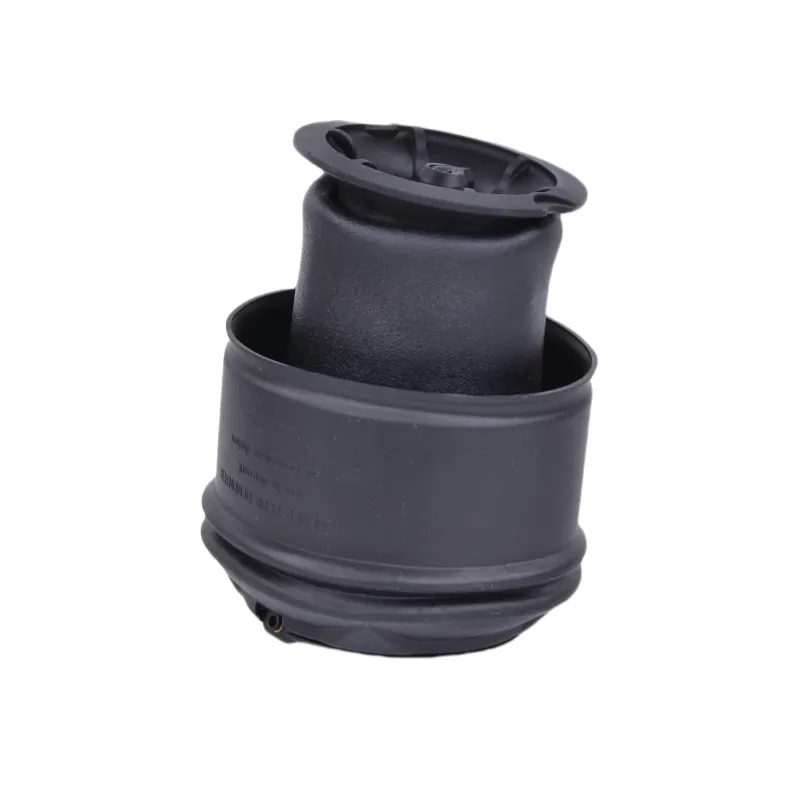
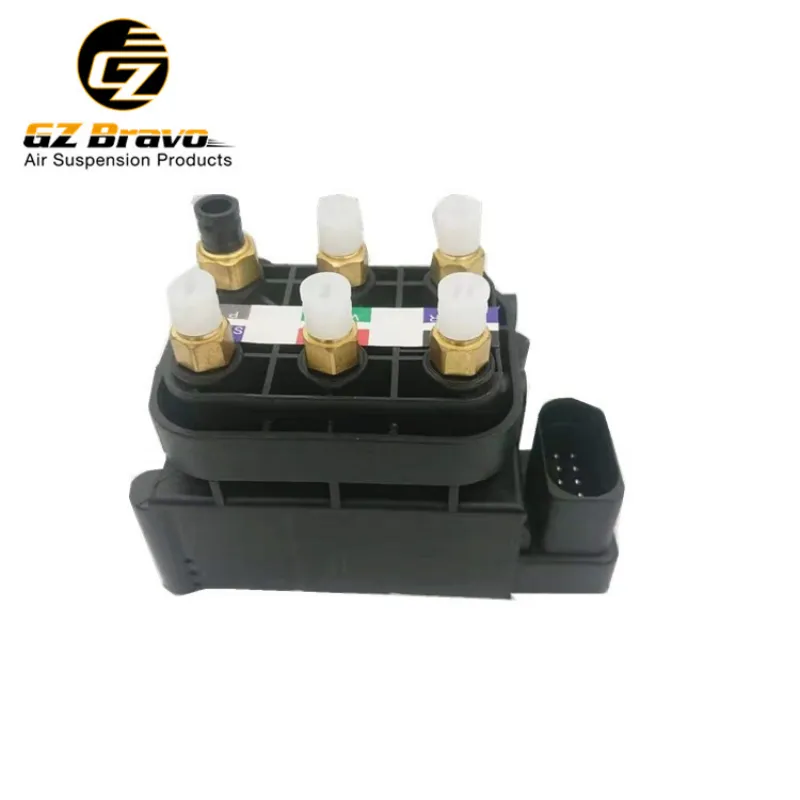
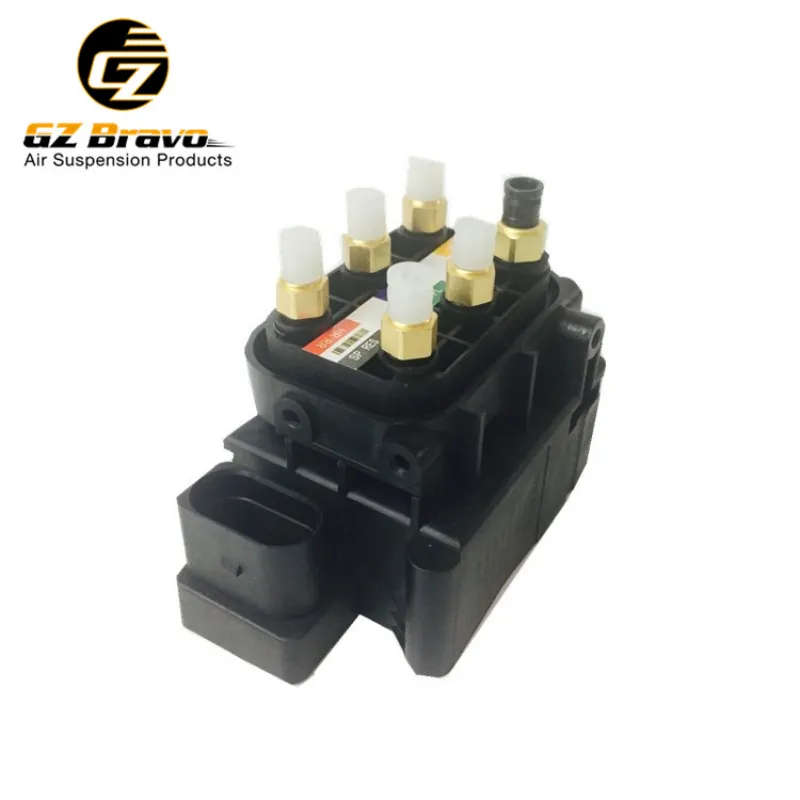
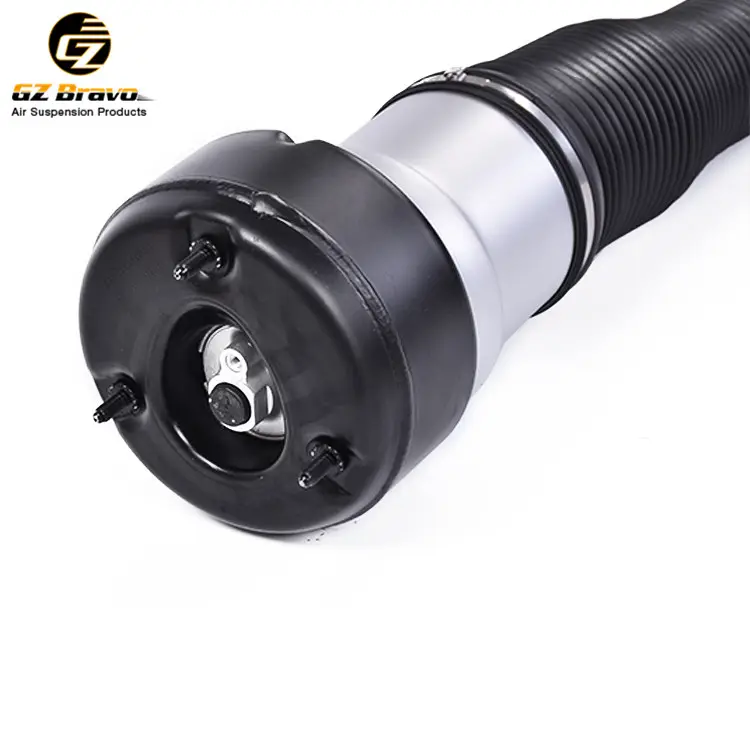
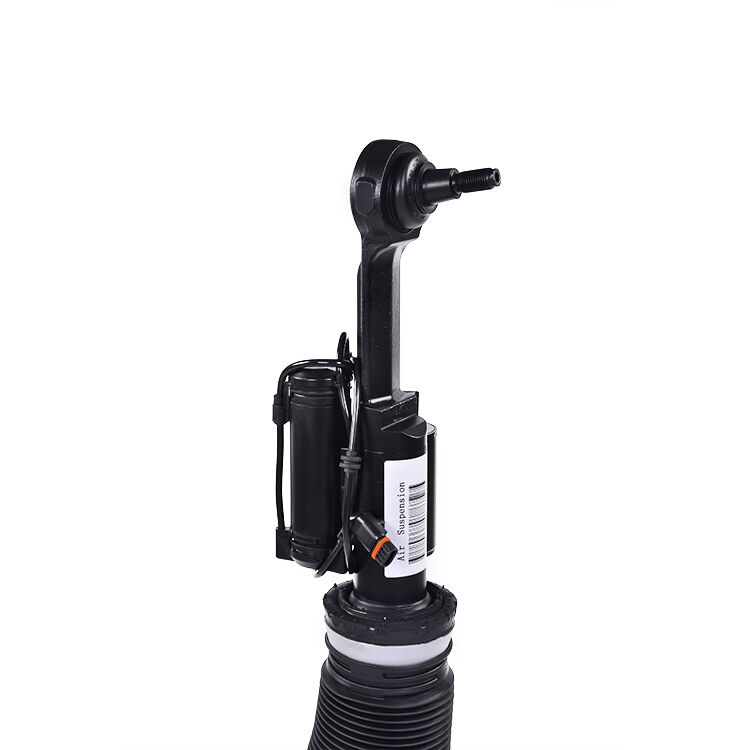
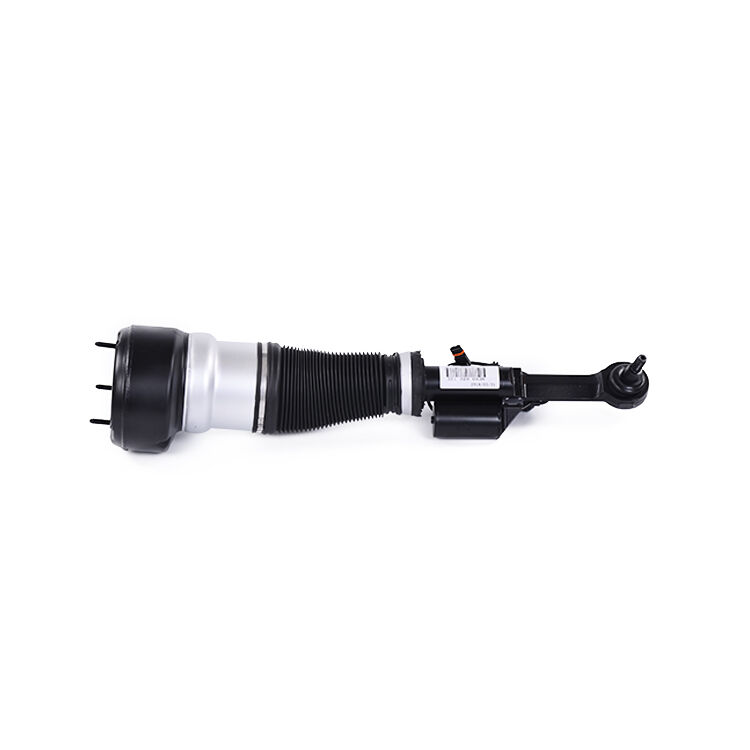
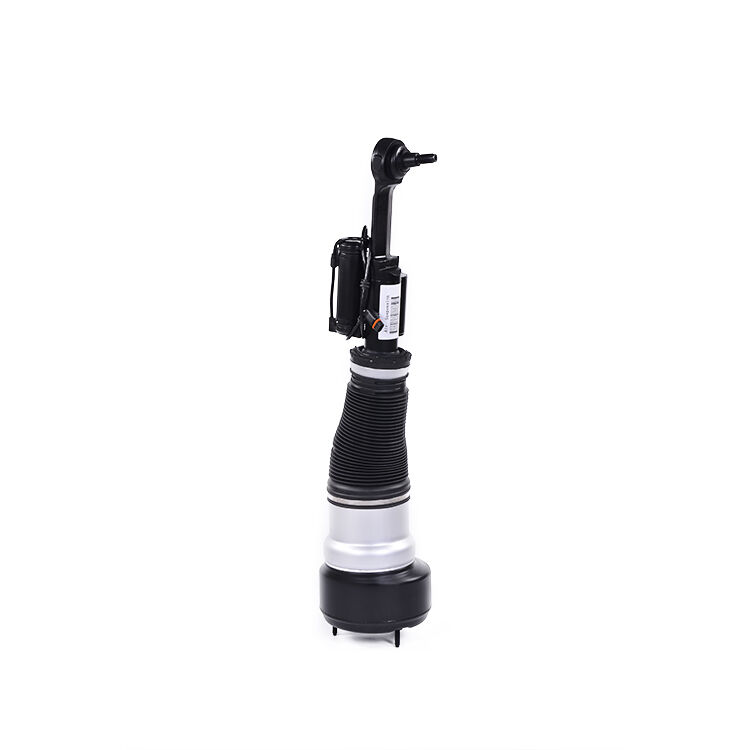
The self-leveling functionality of air strut suspension represents a quantum leap forward in load management technology, addressing one of the most persistent challenges that conventional suspension systems have struggled to overcome effectively. Traditional coil spring or leaf spring suspensions exhibit fixed spring rates that cannot adapt to changing load conditions, resulting in compromised ride quality and handling when carrying heavy cargo or multiple passengers. The air strut suspension eliminates this limitation entirely through its ability to modulate air pressure dynamically within the suspension chambers, automatically compensating for weight variations to maintain optimal vehicle geometry regardless of loading conditions. This intelligent load management begins the moment you add weight to your vehicle, whether by filling the cargo area, occupying all passenger seats, or attaching a trailer. Sophisticated sensors distributed throughout the chassis constantly measure the vehicle's attitude and suspension compression, feeding this data to the electronic control module which calculates the precise air pressure adjustments needed to restore the vehicle to its ideal ride height. Within moments, the onboard compressor activates and delivers additional compressed air to the strut chambers, inflating them to counteract the added weight and restore proper suspension geometry. The practical benefits of this self-leveling capability extend across multiple dimensions of vehicle performance and safety. From a handling perspective, maintaining consistent ride height ensures that the suspension operates within its optimal range of motion, preserving the carefully engineered geometry that determines how the wheels interact with the road surface. When a conventional suspension sags under heavy load, it alters camber angles, toe settings, and other critical alignment parameters that directly affect tire contact patches and handling predictability. The air strut suspension prevents this degradation, ensuring that your vehicle maintains its designed handling characteristics regardless of how much weight you are carrying. Safety considerations further underscore the importance of self-leveling functionality, particularly regarding headlight aim and visibility. When rear suspension sags due to heavy cargo, it tilts the entire vehicle nose-up, causing headlights to aim higher than intended and potentially blinding oncoming drivers while simultaneously reducing your forward visibility. The air strut suspension automatically corrects this attitude, keeping headlights properly aimed and maintaining safe visibility for everyone on the road. Additionally, the level stance ensures that your vehicle maintains appropriate approach and departure angles, reducing the risk of scraping when entering driveways or navigating uneven terrain transitions. The self-leveling feature also contributes to more consistent braking performance by maintaining proper weight distribution across all four wheels, ensuring predictable stopping distances regardless of load conditions.

 EN