Air Strut Suspension Systems - Advanced Comfort and Performance Technology

Get a Free Quote

Our representative will contact you soon.
Email
Name
Company Name
Message
0/1000

air strut

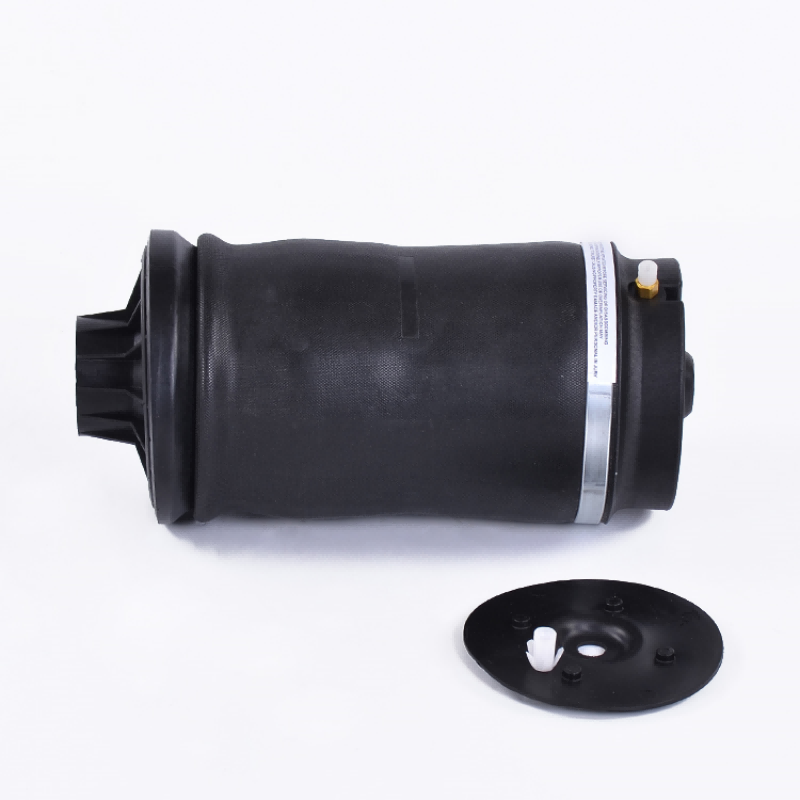
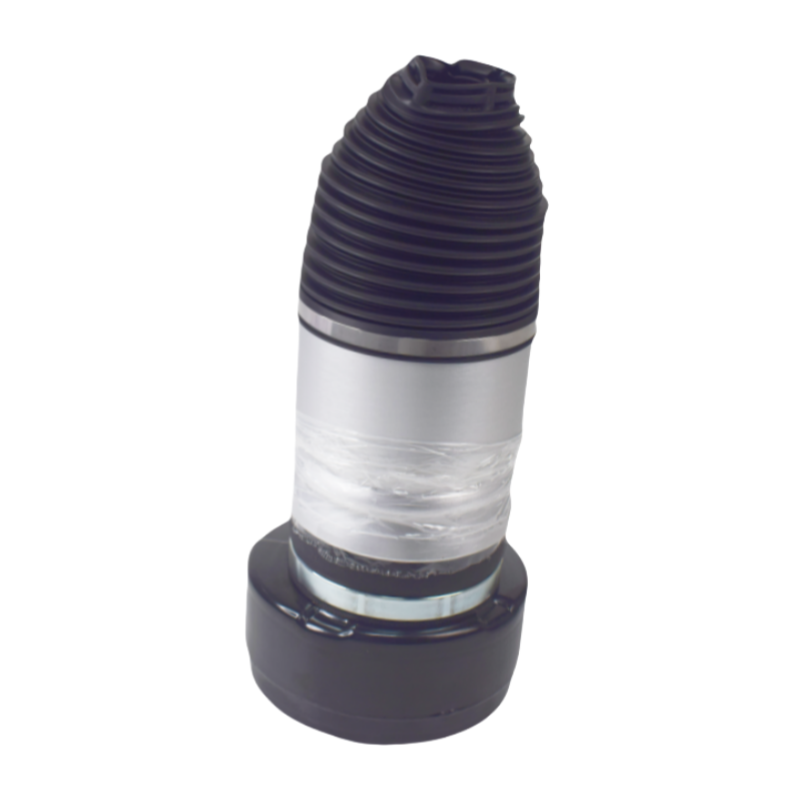
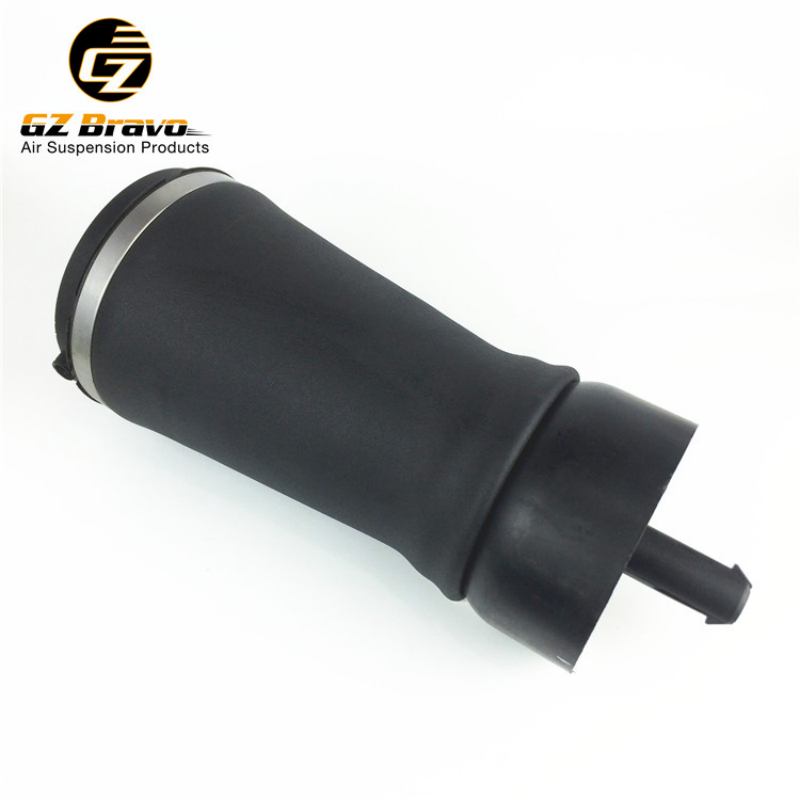
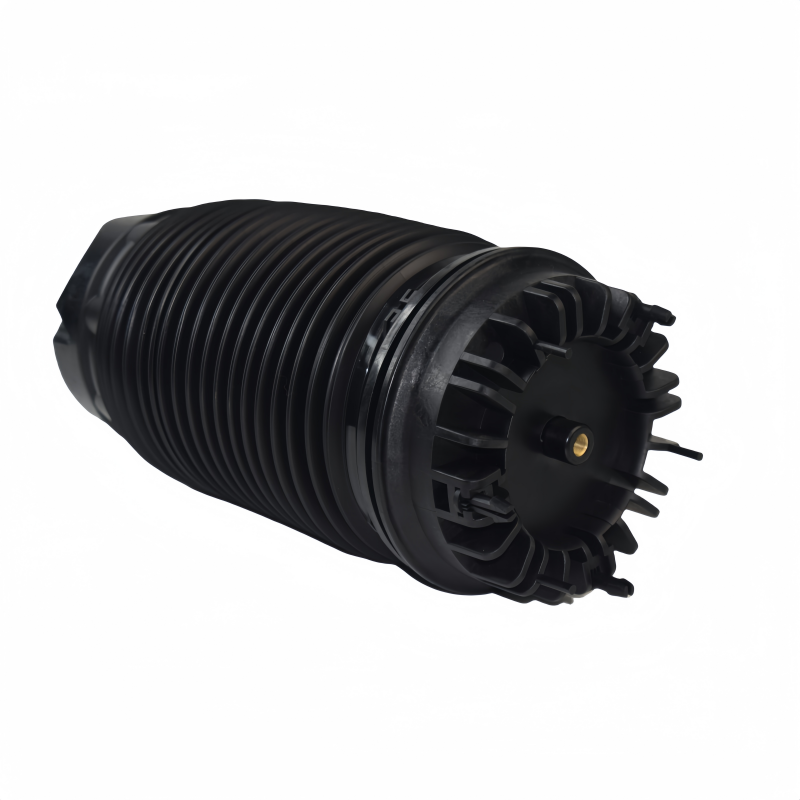
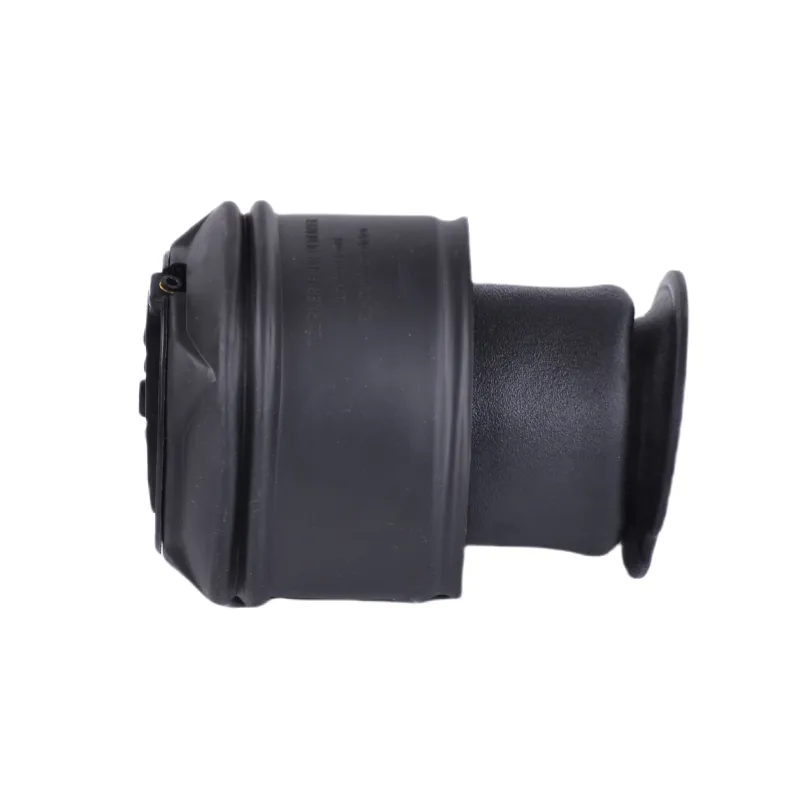
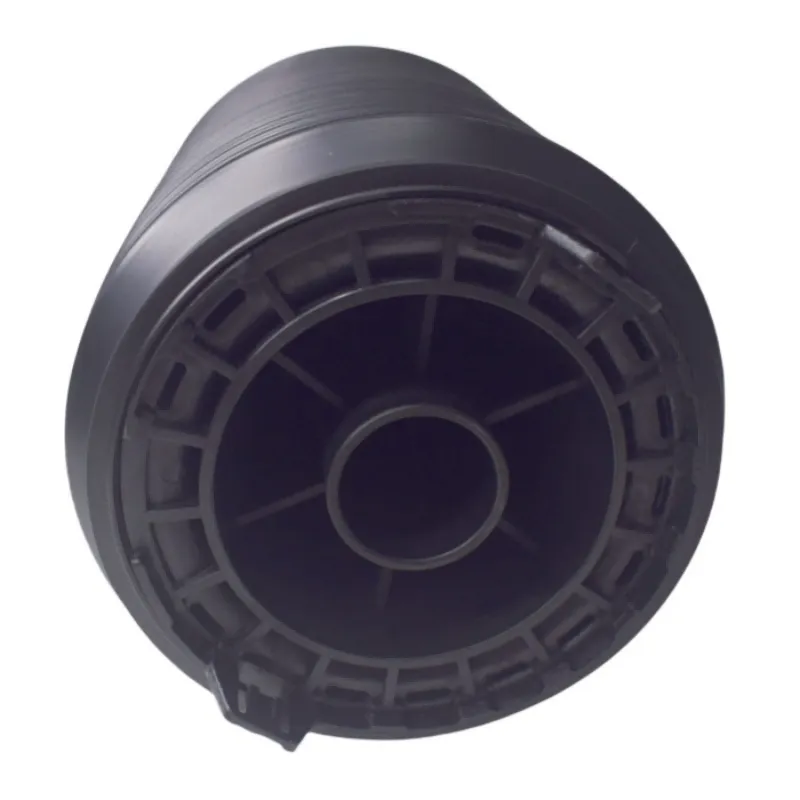
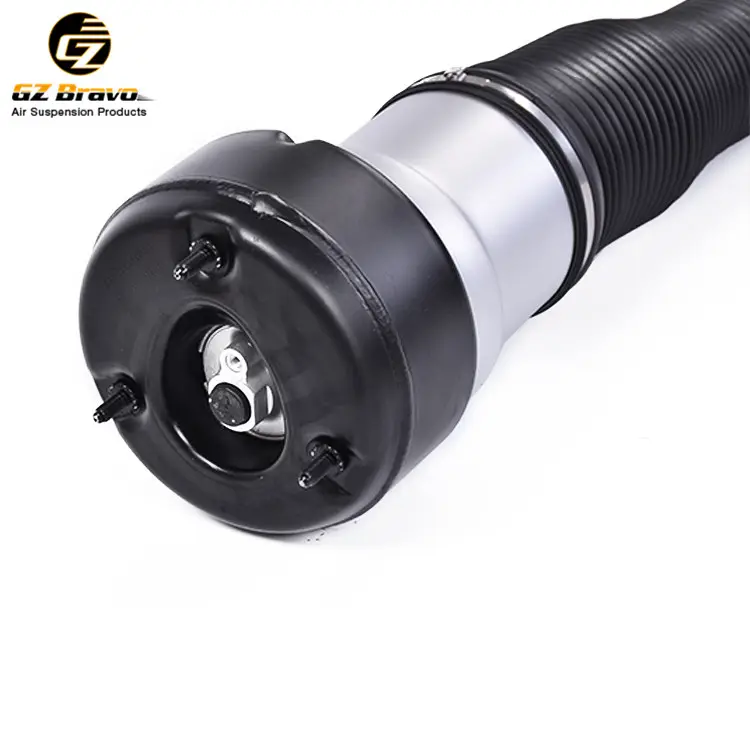
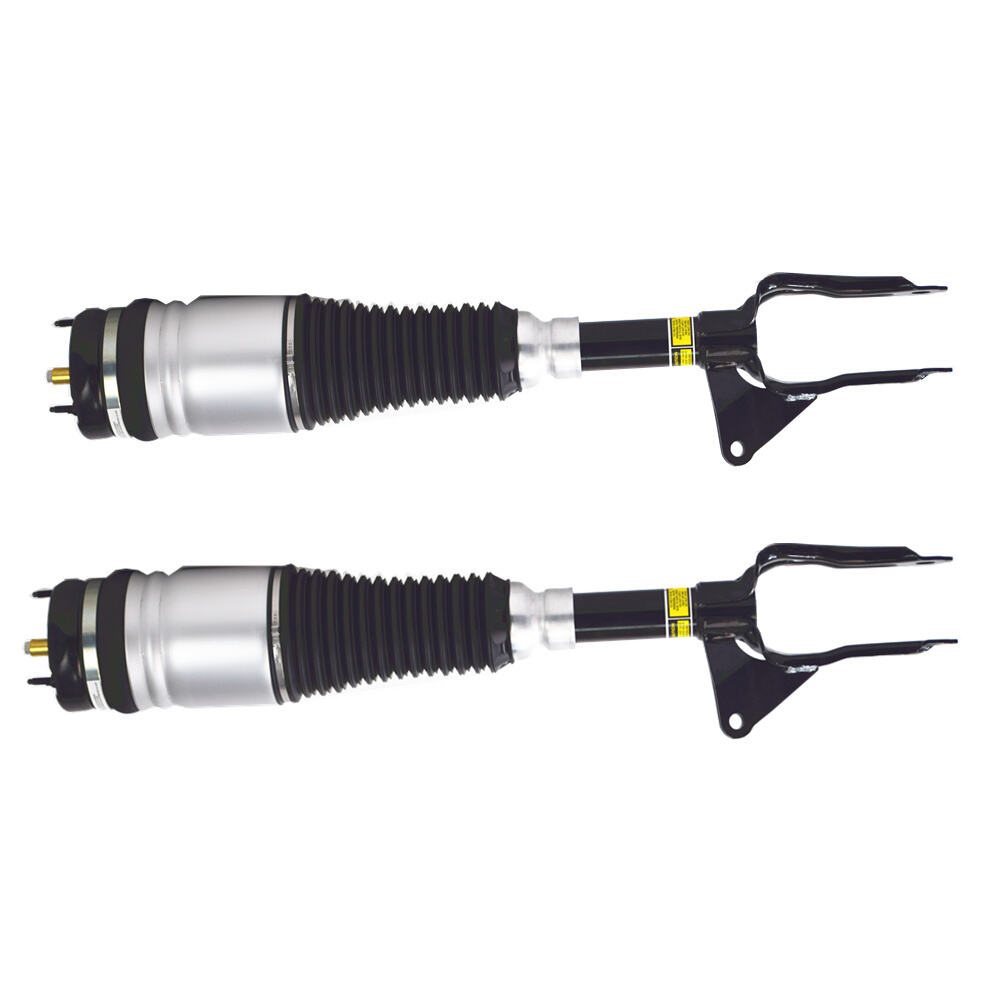
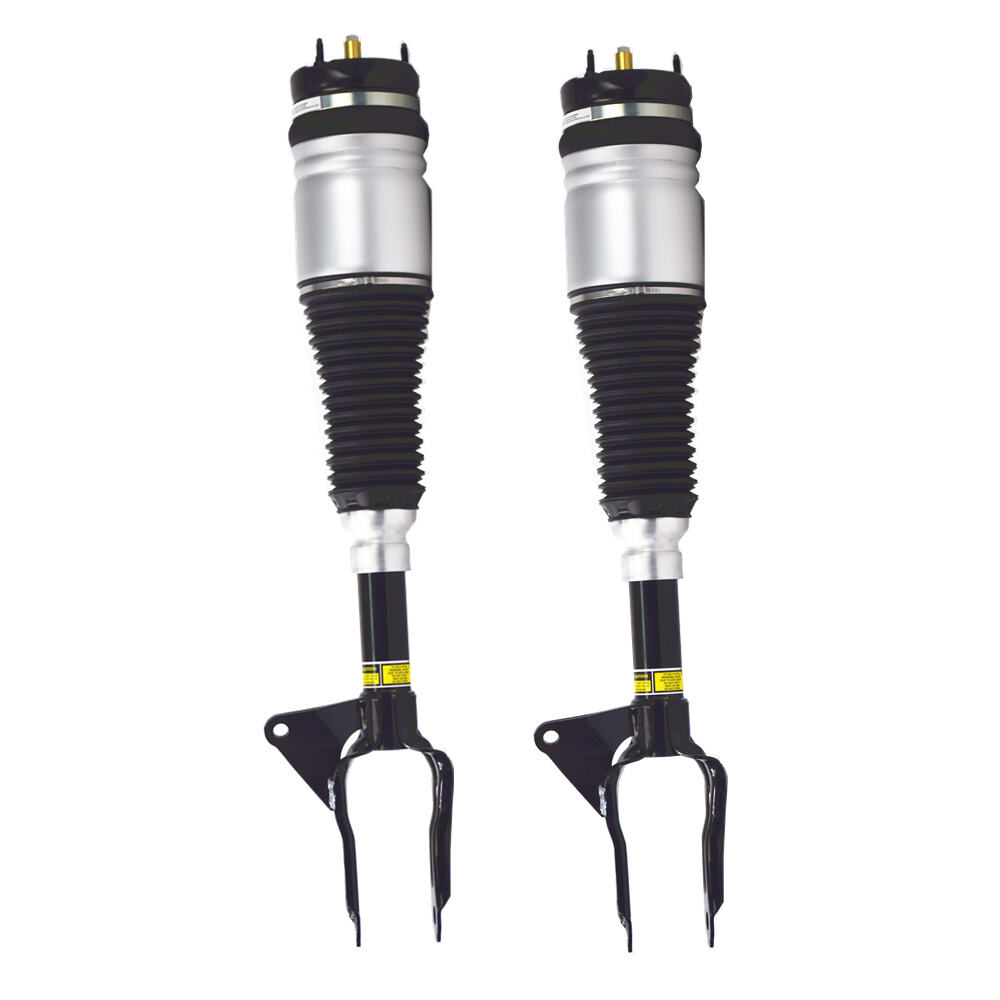
An air strut represents a sophisticated suspension component that combines pressurized air technology with structural support mechanisms to deliver superior ride quality and load management capabilities. This advanced automotive component operates by utilizing compressed air contained within a flexible rubber and fabric reinforced chamber, which replaces traditional coil or leaf springs in vehicle suspension systems. The air strut integrates multiple functions into a single unit, including shock absorption, height adjustment, and load leveling, making it an essential element in modern suspension engineering. The primary function of an air strut involves supporting vehicle weight while simultaneously absorbing road irregularities and vibrations that would otherwise transfer directly to the vehicle chassis and occupants. Unlike conventional suspension components, the air strut adjusts its internal pressure dynamically, responding to changing load conditions and driving circumstances in real-time. This adaptability ensures consistent ride height regardless of cargo weight or passenger count, maintaining optimal vehicle geometry and handling characteristics across diverse operating conditions. Technological features embedded within the air strut include precision-engineered rubber bladders that contain pressurized air, integrated damping mechanisms that control oscillation, and sophisticated mounting hardware that connects the component to both the vehicle frame and wheel assembly. Many contemporary air strut designs incorporate electronic sensors and control valves that communicate with vehicle management systems, enabling automated adjustments based on speed, acceleration, cornering forces, and driver preferences. The applications for air strut technology span numerous vehicle categories, from luxury sedans and SUVs to commercial trucks and specialized transport vehicles. In passenger vehicles, the air strut enhances comfort by isolating occupants from road imperfections while maintaining precise vehicle control during dynamic maneuvers. Commercial applications benefit from load-leveling capabilities that preserve proper ride height when transporting heavy cargo, preventing excessive suspension compression that could compromise safety and handling. Performance vehicles utilize air strut systems to enable adjustable ride height, lowering the chassis for improved aerodynamics during high-speed operation while raising it for navigating obstacles or speed bumps in urban environments.

New Product Releases

The air strut delivers exceptional ride comfort that surpasses traditional suspension systems by actively adapting to road conditions and vehicle loading in ways that fixed-rate springs simply cannot match. When you drive a vehicle equipped with air strut technology, you immediately notice the smooth, controlled manner in which it glides over bumps, potholes, and uneven pavement surfaces. This superior comfort stems from the air strut's ability to modify its spring rate instantaneously, softening over minor road irregularities while firming up during aggressive driving to prevent excessive body roll. Vehicle owners appreciate how the air strut maintains consistent ride height regardless of how much weight they load into the trunk or cargo area, eliminating the sagging rear end that plagues vehicles with conventional springs when heavily loaded. This automatic leveling capability not only preserves the visual appeal of your vehicle but also maintains proper headlight aim, prevents tire wear caused by misalignment, and ensures that safety systems function as designed. The adjustable nature of the air strut provides practical versatility that enhances daily usability across multiple scenarios. You can raise your vehicle's ground clearance when navigating rough terrain, deep snow, or steep driveways, then lower it for easier entry and exit or improved fuel efficiency on highways. This flexibility proves particularly valuable for families with elderly passengers or individuals with mobility challenges who struggle with high vehicle entry points. The air strut extends the functional lifespan of your vehicle by reducing stress on other components throughout the suspension and chassis systems. By effectively isolating road shock and vibration, it minimizes fatigue damage to body panels, interior trim, electronic components, and cargo. Commercial vehicle operators recognize substantial economic advantages from air strut implementation, as maintaining proper vehicle height prevents premature tire wear, reduces structural stress on the frame, and improves aerodynamic efficiency for better fuel economy. The air strut also enhances vehicle safety by maintaining optimal suspension geometry during all loading conditions, ensuring predictable handling characteristics and consistent braking performance. When your vehicle sits at the correct ride height, steering response remains precise, weight distribution stays balanced, and all safety systems operate within their designed parameters. Additionally, the air strut contributes to improved towing capability by compensating for tongue weight that would otherwise cause the rear of your vehicle to squat excessively, compromising visibility, headlight aim, and trailer control. Modern air strut systems integrate seamlessly with advanced driver assistance technologies, enabling features like adaptive suspension that automatically adjusts damping rates based on driving style and road conditions. This intelligent responsiveness creates a driving experience that feels tailored to your preferences, whether you prioritize comfort during long highway journeys or enhanced control on winding roads.

Latest News

How does air suspension improve ride comfort in commercial vehicle applications?

27

May

How does air suspension improve ride comfort in commercial vehicle applications?

In commercial vehicle applications, driver comfort and cargo protection are not luxuries — they are operational necessities. Rough roads, heavy payloads, and long-haul routes place extraordinary stress on both the vehicle and the people inside ...
View More
Why do manufacturers adopt air suspension systems for luxury vehicle platforms?

27

May

Why do manufacturers adopt air suspension systems for luxury vehicle platforms?

The decision to adopt air suspension systems in luxury vehicle platforms is not an arbitrary engineering choice. It represents a deliberate commitment to delivering a driving experience that consistently exceeds passenger expectations, meets stringen...
View More
How does a solenoid valve block improve airflow management in suspension setups?

03

Jun

How does a solenoid valve block improve airflow management in suspension setups?

Modern air suspension systems depend on precise control of pressurized air to deliver the ride comfort and handling performance that drivers expect. At the center of this control architecture sits the solenoid valve block, a compact but critically im...
View More
How does an air suspension compressor improve performance in load support systems?

03

Jun

How does an air suspension compressor improve performance in load support systems?

When a vehicle carries heavy loads or navigates uneven terrain, the demands placed on its suspension system increase dramatically. An air suspension compressor sits at the heart of any pneumatic load support system, continuously managing air pressure...
View More

Get a Free Quote

Our representative will contact you soon.
Email
Name
Company Name
Message
0/1000

air strut

Adaptive Load Leveling Technology for Consistent Performance

Adaptive Load Leveling Technology for Consistent Performance

The air strut incorporates sophisticated load leveling technology that represents one of its most valuable features for both everyday drivers and commercial operators who demand reliable performance under varying weight conditions. This intelligent system continuously monitors vehicle height using precision sensors positioned at each corner of the chassis, detecting even minor changes in suspension compression that indicate added weight from passengers, cargo, or towing loads. When the system recognizes that additional weight has compressed the suspension beyond optimal parameters, it automatically commands the air compressor to increase pressure within the air strut chambers, restoring the vehicle to its predetermined ride height within seconds. This automatic adjustment happens seamlessly without any driver intervention required, making it an effortless benefit that works constantly in the background to optimize vehicle performance. The practical advantages of this load leveling capability extend far beyond simple convenience, directly impacting vehicle safety, component longevity, and operating costs. When your vehicle maintains proper ride height regardless of load, the suspension geometry remains within factory specifications, ensuring that steering angles, camber settings, and weight distribution all function as engineers intended. This geometric consistency translates to predictable handling characteristics that help you maintain control during emergency maneuvers or adverse weather conditions. The air strut's load leveling prevents the dangerous rear-end sag that occurs with conventional springs when heavily loaded, a condition that elevates the front of the vehicle and causes headlights to aim upward into the eyes of oncoming drivers while simultaneously reducing your own forward visibility. By keeping the vehicle level, the air strut ensures your headlights illuminate the road properly and your field of vision remains unobstructed. For vehicles equipped with towing packages, the load leveling function of the air strut proves invaluable when connecting trailers, as tongue weight often causes significant rear suspension compression that compromises towing stability and accelerates component wear. The air strut compensates for this additional weight automatically, maintaining proper hitch height and weight distribution between the tow vehicle and trailer for safer, more controlled towing dynamics. Commercial vehicle operators particularly value this feature because consistent ride height translates directly into reduced tire wear, as proper suspension geometry prevents the uneven contact patches that lead to premature tire replacement.
Multi-Stage Damping Control for Enhanced Ride Quality

Multi-Stage Damping Control for Enhanced Ride Quality

The air strut achieves superior ride quality through its advanced multi-stage damping control system that adjusts shock absorption characteristics based on driving conditions, vehicle speed, and suspension movement velocity. Unlike conventional shock absorbers that provide fixed damping rates regardless of circumstances, the air strut employs sophisticated valving mechanisms that vary resistance to compression and rebound forces dynamically. This intelligent damping control operates through precisely engineered internal passages and valves within the air strut assembly that respond to the speed at which the suspension moves. During slow suspension movements caused by gradual weight shifts or gentle road undulations, the air strut provides minimal damping resistance, allowing the suspension to move freely and absorb these minor disturbances without transmitting harshness to the vehicle cabin. This soft damping during low-velocity movements creates the luxurious, floating ride sensation associated with premium vehicles, isolating occupants from the small vibrations and texture variations present in road surfaces. Conversely, when the suspension encounters sharp impacts from potholes or rapid compression during aggressive cornering, the air strut instantly increases damping resistance to control the suspension movement and prevent excessive oscillation. This velocity-sensitive damping prevents the bouncing sensation that occurs with under-damped suspensions while avoiding the harsh, jarring impacts characteristic of over-damped systems. The result is a perfectly balanced ride that feels both comfortable during normal driving and controlled during dynamic maneuvers. Many advanced air strut systems incorporate electronically controlled damping adjustment that adds another layer of adaptability to the suspension tuning. These systems utilize electric actuators or magnetic rheological fluid technology to modify damping characteristics in milliseconds based on inputs from vehicle sensors monitoring acceleration, braking, cornering forces, and road surface conditions. The electronic control unit processes this information and commands the air strut to optimize damping for current conditions, firming up during spirited driving to reduce body roll and maintain tire contact with the road, then softening during highway cruising to maximize comfort. Drivers often have the ability to select different suspension modes through dashboard controls, choosing between comfort-oriented settings for relaxed driving, sport modes for enhanced responsiveness, or custom configurations that balance their specific preferences. This customization capability ensures the air strut adapts to your driving style rather than forcing you to accept a one-size-fits-all compromise.
Integrated Height Adjustment for Maximum Versatility

Integrated Height Adjustment for Maximum Versatility

The integrated height adjustment capability of the air strut provides remarkable versatility that expands vehicle utility beyond what fixed-height suspension systems can achieve, enabling owners to optimize ground clearance for specific situations and usage scenarios. This adjustable ride height function operates through controlled addition or removal of air pressure within the air strut chambers, raising or lowering the vehicle body relative to the wheels and road surface. The adjustment range typically spans several inches, providing meaningful clearance changes that dramatically alter vehicle capabilities and usability. Raising the vehicle increases ground clearance for navigating obstacles, rough terrain, deep snow, or flooded roadways that would otherwise risk underbody damage or immobilization. This elevated position proves essential when driving on unpaved roads, crossing drainage ditches, or approaching steep driveways with sharp approach angles that could cause conventional vehicles to scrape their front bumpers. Off-road enthusiasts value this feature for trail driving where obstacles like rocks, logs, and ruts require maximum clearance to avoid mechanical damage. Conversely, lowering the vehicle reduces the center of gravity, improving aerodynamic efficiency and enhancing handling dynamics during high-speed driving. The reduced ride height decreases wind resistance, contributing to improved fuel economy during highway travel while also creating a more aggressive, sporty appearance that many drivers prefer aesthetically. The lowered position also facilitates easier vehicle entry and exit, particularly beneficial for families with young children, elderly passengers, or individuals with physical limitations who struggle with the high step-in heights of SUVs and trucks. Loading and unloading cargo becomes significantly easier when the air strut lowers the vehicle, reducing the lift height required to place items into the trunk or cargo bed. This ergonomic advantage reduces physical strain and makes the vehicle more practical for frequent cargo handling. Some air strut systems include a special loading mode that lowers the vehicle to its minimum height and can even tilt one side lower than the other to facilitate wheelchair loading or heavy item placement. The height adjustment functionality of the air strut also enables innovative features like automatic speed-dependent lowering, where the vehicle reduces its ride height automatically as velocity increases to optimize aerodynamics and stability, then raises back to normal height when slowing down. This intelligent automation ensures you benefit from improved high-speed characteristics without sacrificing everyday usability or manually managing ride height adjustments.

Get a Free Quote

Our representative will contact you soon.
Email
Name
Company Name
Message
0/1000