Air Ride System: Advanced Suspension Technology for Superior Comfort and Performance

Get a Free Quote

Our representative will contact you soon.
Email
Name
Company Name
Message
0/1000

air ride system

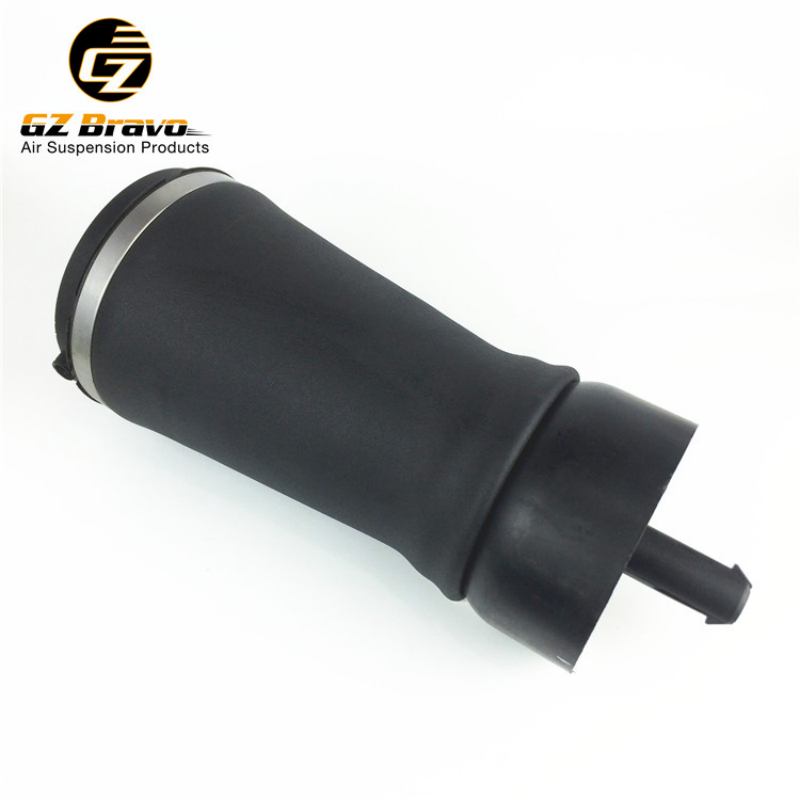
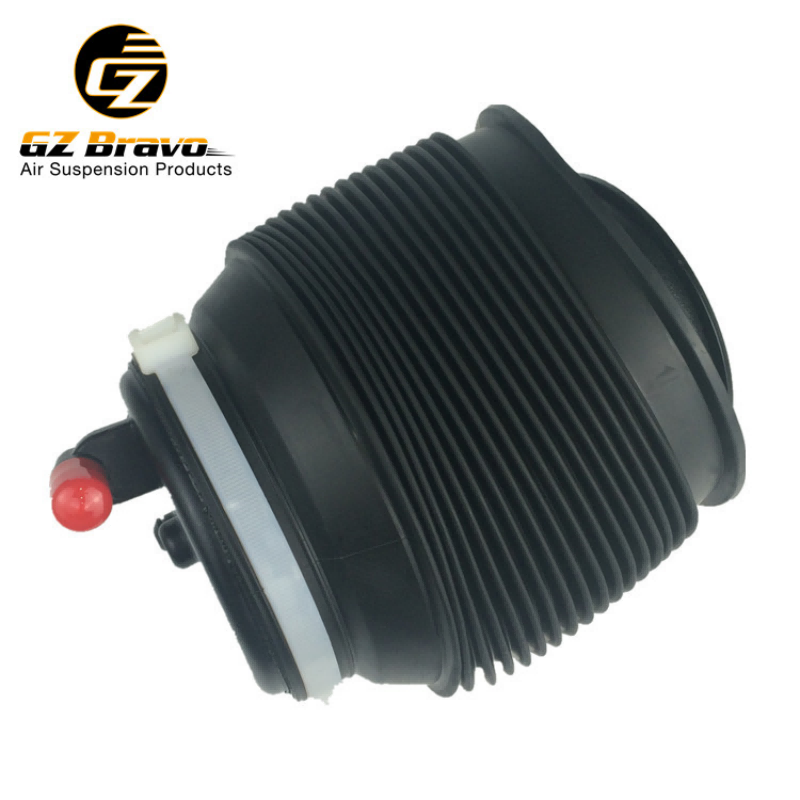
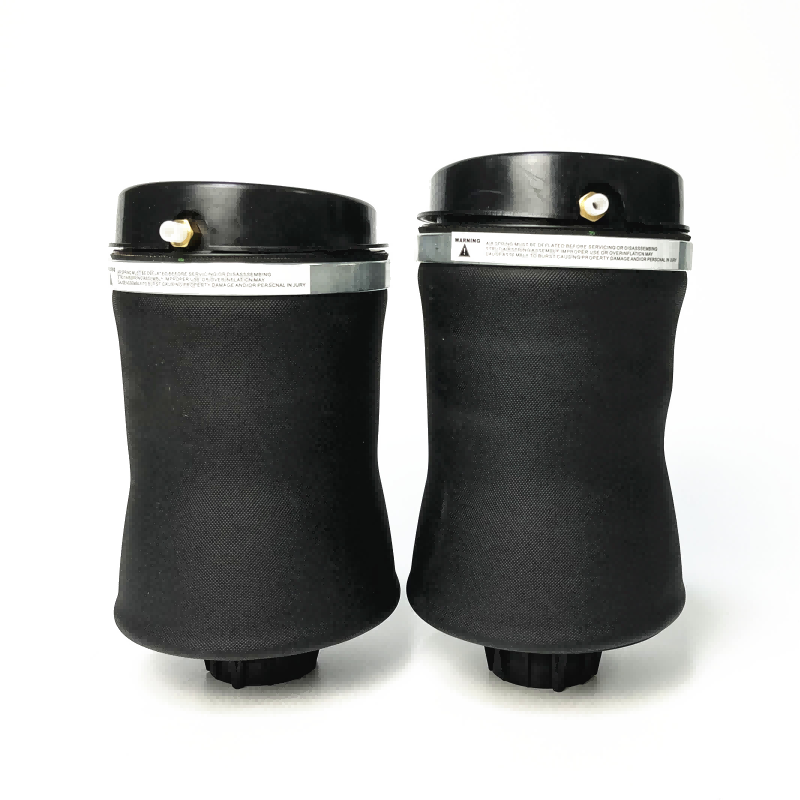
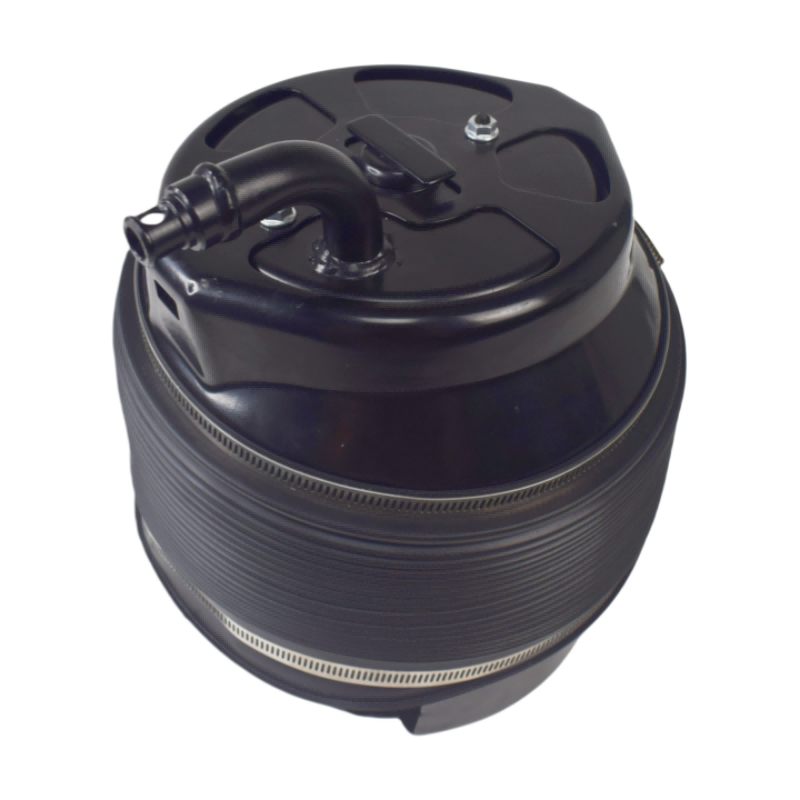
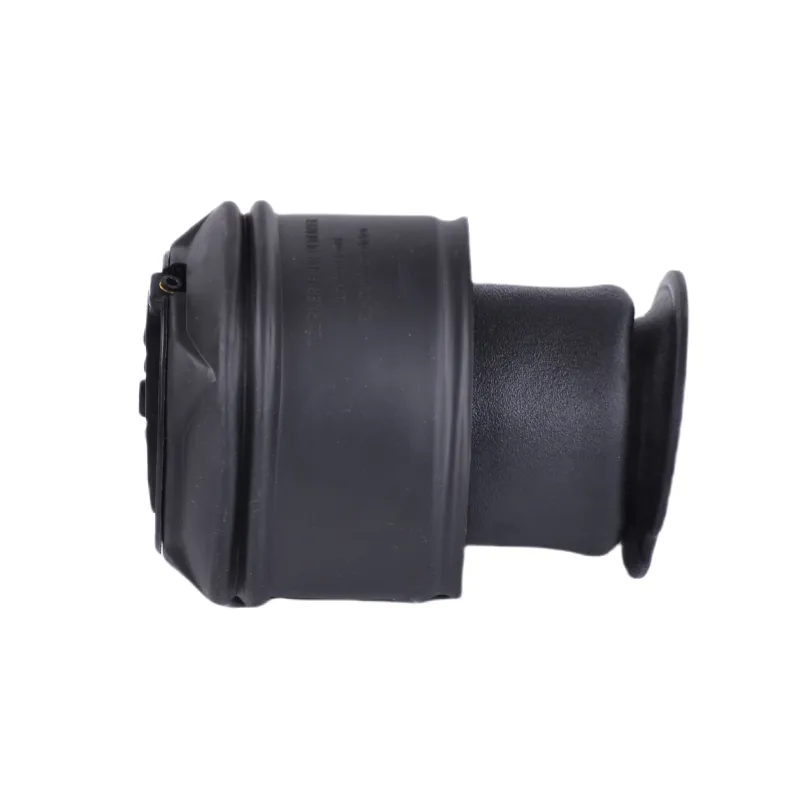
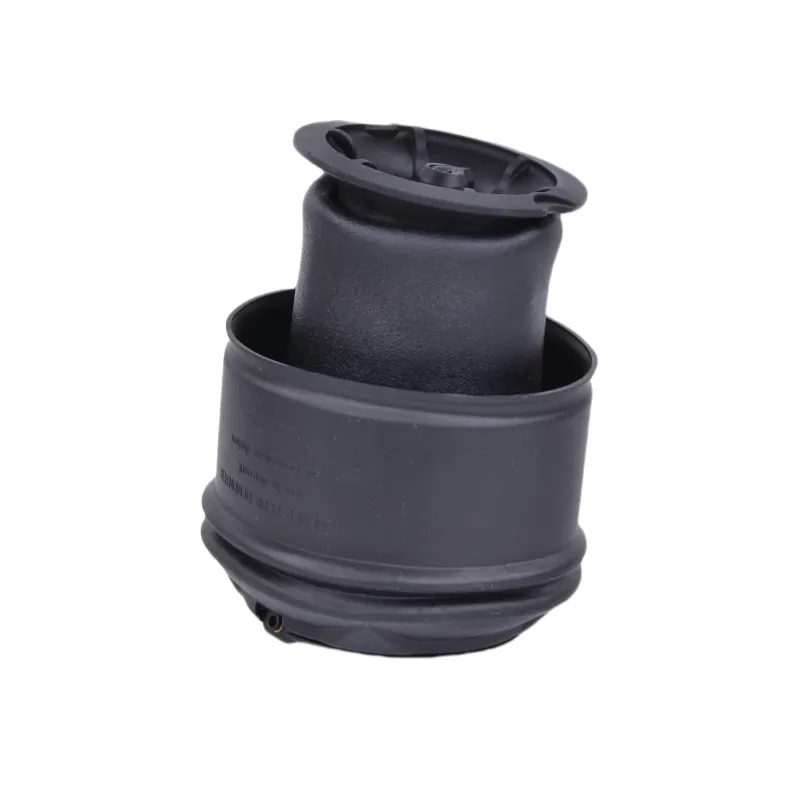
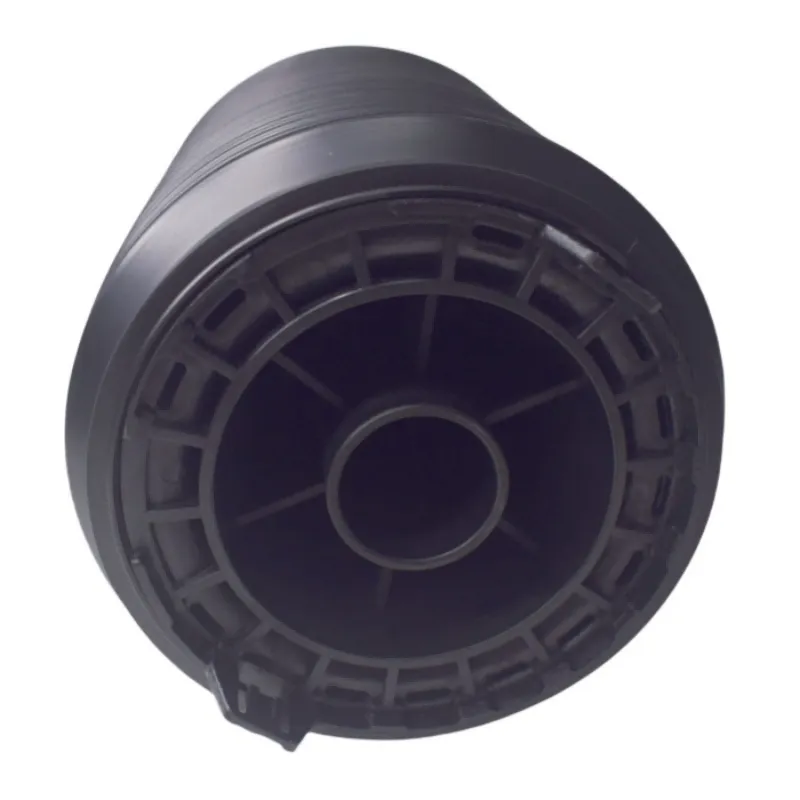
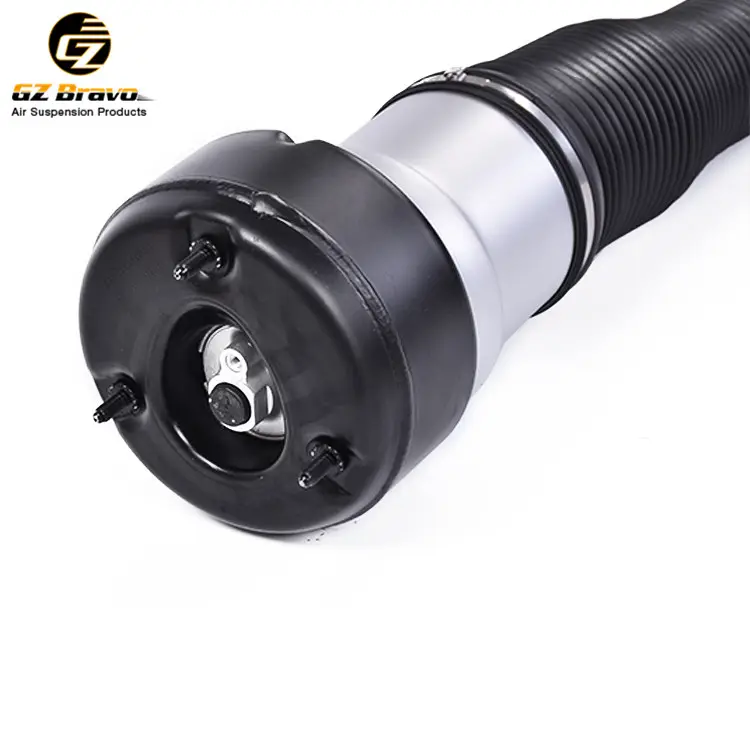
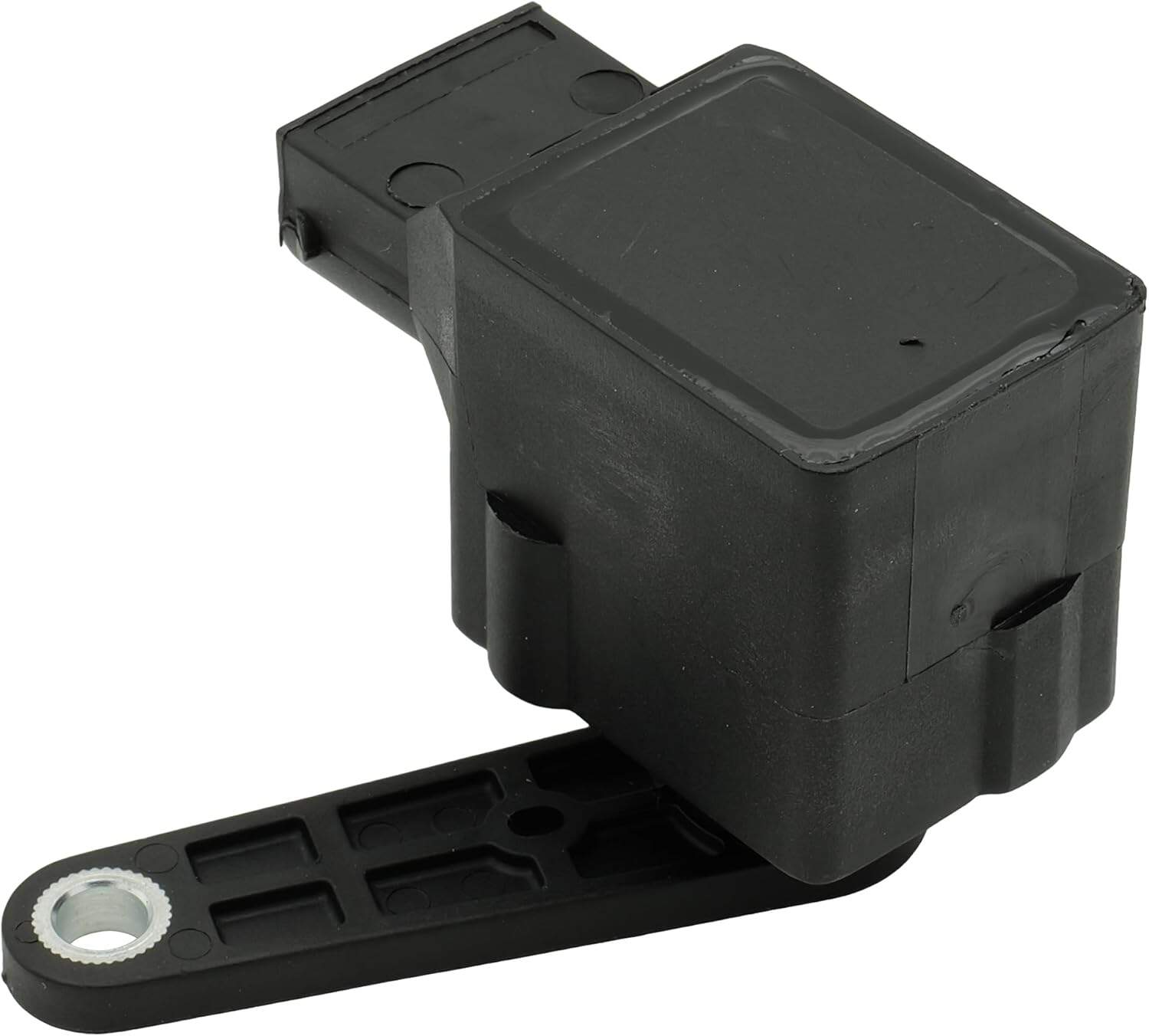
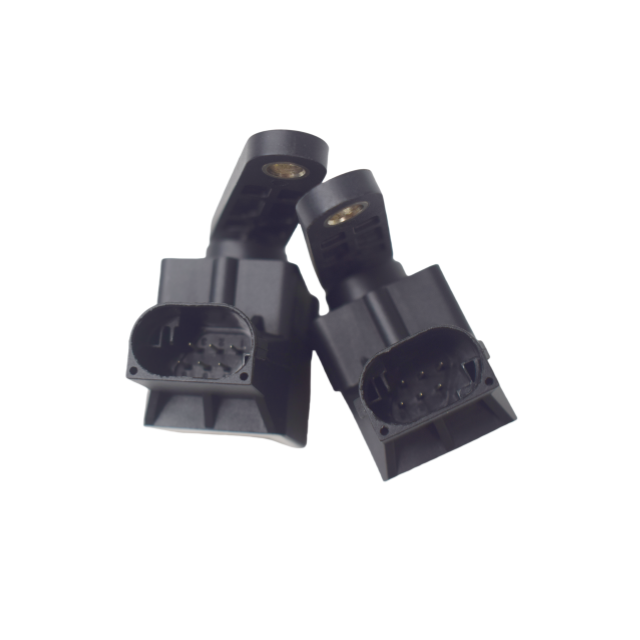
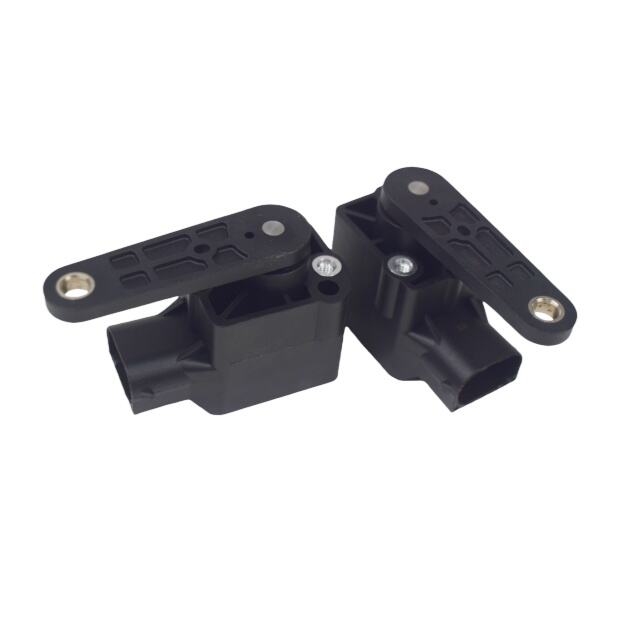
The air ride system represents a sophisticated suspension technology that has revolutionized vehicle comfort and performance across multiple transportation sectors. At its core, this innovative system utilizes compressed air springs instead of traditional steel coil or leaf springs to support vehicle weight and absorb road irregularities. The air ride system consists of several key components including air springs, an air compressor, electronic control units, height sensors, and a network of valves that work together to create an adaptable suspension platform. The main functions of this technology encompass automatic load leveling, ride height adjustment, and enhanced shock absorption capabilities. When a vehicle encounters varying load conditions or different road surfaces, the air ride system responds by adjusting air pressure within the springs to maintain optimal ride characteristics. The technological features that distinguish this system include real-time monitoring capabilities, programmable ride settings, and intelligent load distribution algorithms. Modern air ride system implementations incorporate sophisticated electronic controls that continuously analyze vehicle dynamics and make instantaneous adjustments to ensure consistent performance. Applications for this technology span diverse transportation segments, from luxury passenger vehicles and commercial trucks to recreational vehicles and specialized transport equipment. In the commercial transportation industry, the air ride system has become particularly valuable for fleet operators who require consistent cargo protection and improved driver comfort during long-haul operations. The system also finds extensive use in passenger cars where manufacturers seek to provide superior ride quality while maintaining handling precision. Agricultural equipment, emergency vehicles, and even some industrial machinery have adopted air ride system technology to enhance operational effectiveness. The versatility of this suspension solution allows it to be calibrated for specific applications, whether prioritizing comfort, load capacity, or handling characteristics, making it an increasingly popular choice across the transportation industry.


New Product Recommendations

Choosing an air ride system for your vehicle delivers numerous practical benefits that directly impact daily operation and long-term ownership experience. First and foremost, this technology significantly improves ride comfort by effectively isolating passengers and cargo from road imperfections. Unlike conventional suspension systems that maintain fixed spring rates, the air ride system automatically adapts to changing conditions, ensuring smooth travel whether your vehicle is empty or fully loaded. This adaptability means you will experience consistent comfort levels regardless of cargo weight, which proves especially valuable for commercial operators who frequently alternate between loaded and unloaded conditions. The system actively monitors vehicle height and makes continuous adjustments to maintain optimal ground clearance, preventing the sagging that often occurs with traditional suspensions under heavy loads. Another major advantage relates to cargo protection, as the enhanced cushioning effect reduces vibration transmission that can damage sensitive goods during transport. Business owners transporting fragile items, electronics, or perishable products particularly benefit from this protective characteristic. The air ride system also contributes to improved fuel efficiency through better aerodynamics, as the ability to lower vehicle height at highway speeds reduces air resistance and decreases fuel consumption. Drivers appreciate the enhanced handling characteristics that come from maintaining consistent vehicle stance during cornering and braking maneuvers. The system provides superior stability by automatically adjusting spring rates to counteract body roll and pitch, resulting in more confident vehicle control in various driving situations. Maintenance advantages emerge from reduced wear on vehicle components, as the superior shock absorption minimizes stress on chassis, cargo beds, and attached equipment. The reduced vibration also decreases driver fatigue during extended trips, contributing to safety and productivity improvements. Vehicle owners gain operational flexibility through adjustable ride height settings, making it easier to load and unload cargo or navigate obstacles when needed. The air ride system extends tire life by maintaining proper vehicle alignment and even weight distribution across all wheels. This technology also preserves road surfaces better than traditional suspensions, as the improved shock absorption reduces impact forces that contribute to pavement degradation. For fleet managers, these combined advantages translate into lower total cost of ownership through reduced maintenance expenses, decreased downtime, improved driver retention, and enhanced cargo delivery reliability. The investment in air ride system technology typically pays dividends through these multiple operational improvements that compound over the vehicle's service life.

Tips And Tricks

How does air suspension improve ride comfort in commercial vehicle applications?

27

May

How does air suspension improve ride comfort in commercial vehicle applications?

In commercial vehicle applications, driver comfort and cargo protection are not luxuries — they are operational necessities. Rough roads, heavy payloads, and long-haul routes place extraordinary stress on both the vehicle and the people inside ...
View More
Is air suspension suitable for off-road and heavy-duty driving conditions?

27

May

Is air suspension suitable for off-road and heavy-duty driving conditions?

When drivers and fleet managers consider upgrading or replacing their vehicle's suspension system, one question consistently rises to the top: is air suspension genuinely capable of handling the punishment of off-road terrain and heavy-duty workloads...
View More
Why do manufacturers adopt air suspension systems for luxury vehicle platforms?

27

May

Why do manufacturers adopt air suspension systems for luxury vehicle platforms?

The decision to adopt air suspension systems in luxury vehicle platforms is not an arbitrary engineering choice. It represents a deliberate commitment to delivering a driving experience that consistently exceeds passenger expectations, meets stringen...
View More
How does an air suspension compressor improve performance in load support systems?

03

Jun

How does an air suspension compressor improve performance in load support systems?

When a vehicle carries heavy loads or navigates uneven terrain, the demands placed on its suspension system increase dramatically. An air suspension compressor sits at the heart of any pneumatic load support system, continuously managing air pressure...
View More

Get a Free Quote

Our representative will contact you soon.
Email
Name
Company Name
Message
0/1000

air ride system

Intelligent Load Leveling and Automatic Height Adjustment

Intelligent Load Leveling and Automatic Height Adjustment

The intelligent load leveling capability represents one of the most valuable features of the air ride system, providing automatic compensation for varying cargo weights and passenger loads without requiring manual intervention. This sophisticated functionality utilizes precision height sensors positioned at each corner of the vehicle to continuously monitor suspension position relative to the chassis. When the system detects changes in vehicle height caused by loading or unloading, the electronic control unit immediately initiates corrective action by directing the air compressor to add or release air from the springs as needed. This process happens seamlessly in the background, typically completing adjustments within seconds of detecting height deviations. The practical importance of this feature cannot be overstated for commercial operations where load weights vary significantly throughout the workday. Traditional suspension systems experience substantial ride height changes when transitioning between empty and loaded conditions, which can affect handling characteristics, ground clearance, and even headlight aim. The air ride system eliminates these concerns by maintaining consistent vehicle geometry regardless of payload. This consistency ensures that your vehicle always operates within optimal parameters for safety and performance. Drivers particularly appreciate how the automatic leveling feature prevents the tail-down, nose-up attitude that occurs with conventional suspensions when hauling heavy loads in the rear. By keeping the vehicle level, the air ride system maintains proper weight distribution across all axles, which improves braking effectiveness, tire wear patterns, and overall stability. The height adjustment capability also provides tremendous practical value when loading or unloading cargo, as you can lower the vehicle to reduce lift heights and simplify material handling. This feature proves especially beneficial for wheelchair-accessible vehicles, delivery vans, and any application where frequent entry and exit occur. The programmable nature of modern air ride system controls allows operators to save preferred height settings for different scenarios, enabling quick transitions between transport mode and loading mode with simple button activation. This intelligent automation removes guesswork from suspension management while delivering consistent results that enhance both safety and operational efficiency across diverse applications.
Superior Vibration Isolation and Shock Absorption

Superior Vibration Isolation and Shock Absorption

The exceptional vibration isolation and shock absorption capabilities of the air ride system deliver transformative benefits for both cargo protection and occupant comfort. Unlike metal springs that transmit road shock directly through rigid coils or leaves, air springs utilize the compressibility of air to create a cushioning effect that dramatically reduces impact forces reaching the vehicle body. This fundamental difference in operating principles allows the air ride system to absorb bumps, potholes, and road irregularities with remarkable effectiveness. The pneumatic nature of air springs provides a progressive spring rate that increases resistance gradually as compression occurs, resulting in smoother response characteristics compared to the linear rates of conventional springs. This progressive behavior means that small bumps receive gentle absorption while larger impacts encounter increased resistance to prevent bottoming out. The air ride system effectively functions as an isolation barrier between rough road surfaces and valuable cargo or passengers, minimizing the vibration transmission that causes fatigue, damage, and discomfort. For commercial transporters of sensitive goods such as electronics, medical equipment, glassware, or agricultural products, this vibration isolation capability directly translates to reduced product damage claims and higher customer satisfaction. The financial implications of decreased breakage rates can be substantial for businesses whose profitability depends on delivering intact merchandise. Passenger comfort improvements prove equally significant, as the air ride system eliminates the harsh jolts and continuous vibration that characterize traditional suspension systems on imperfect roads. Drivers report significantly reduced fatigue levels after long trips in vehicles equipped with this technology, which contributes to improved safety through better alertness and concentration. The shock absorption excellence of the air ride system also protects vehicle components from excessive stress, extending the service life of chassis members, body panels, and mounted equipment. Trailer operators particularly value how this technology reduces maintenance requirements for refrigeration units, lift gates, and other accessories that suffer accelerated wear from constant vibration. The system's ability to absorb impacts without transmitting forces throughout the vehicle structure creates a more durable platform that withstands demanding operating conditions. This durability advantage combines with the comfort benefits to create compelling value for anyone seeking to optimize vehicle performance and longevity while providing superior protection for transported goods and occupants.
Enhanced Vehicle Dynamics and Handling Precision

Enhanced Vehicle Dynamics and Handling Precision

The air ride system delivers remarkable improvements in vehicle dynamics and handling precision through its ability to actively manage suspension characteristics in response to driving conditions. This advanced capability stems from the electronic control system's capacity to adjust air spring pressure independently at each wheel position, creating dynamic responses that optimize vehicle behavior during acceleration, braking, and cornering maneuvers. When sensors detect body roll during cornering, the air ride system can increase spring pressure on the outside wheels while adjusting the inside wheels to counteract lean and maintain a more level attitude. This active roll control enhances driver confidence and allows higher cornering speeds with improved stability compared to passive suspension systems. The handling benefits extend to braking situations where the system can compensate for forward weight transfer by adjusting rear suspension firmness to prevent excessive nose dive and maintain balanced weight distribution. These dynamic adjustments happen instantaneously without driver input, creating a more composed and predictable vehicle that responds precisely to steering inputs. The air ride system also excels at managing pitch control during acceleration, preventing the rear suspension compression that causes power loss and traction problems with conventional suspensions. By maintaining optimal ride height and spring rates throughout the acceleration process, this technology ensures consistent power delivery and improved performance. Drivers operating vehicles in diverse conditions appreciate how the air ride system adapts to different scenarios, providing comfortable cruising characteristics on smooth highways while automatically firming up when aggressive driving inputs occur. This versatility eliminates the traditional compromise between ride comfort and handling performance that characterizes fixed-rate suspension systems. The ability to program different suspension modes allows customization for specific preferences or requirements, with settings optimized for highway efficiency, spirited driving, off-road capability, or maximum load carrying. Commercial vehicle operators benefit from the enhanced stability that the air ride system provides when navigating challenging road conditions, tight urban environments, or adverse weather situations. The improved handling precision reduces accident risk while enabling more productive operation through increased average speeds and reduced driver stress. Fleet managers recognize that vehicles equipped with air ride system technology experience fewer handling-related incidents and demonstrate better overall safety records compared to conventionally suspended units. These performance advantages complement the comfort and cargo protection benefits to create a comprehensive solution that elevates vehicle capabilities across multiple dimensions simultaneously.

Get a Free Quote

Our representative will contact you soon.
Email
Name
Company Name
Message
0/1000