Intelligent Load Management and Self-Leveling Capability
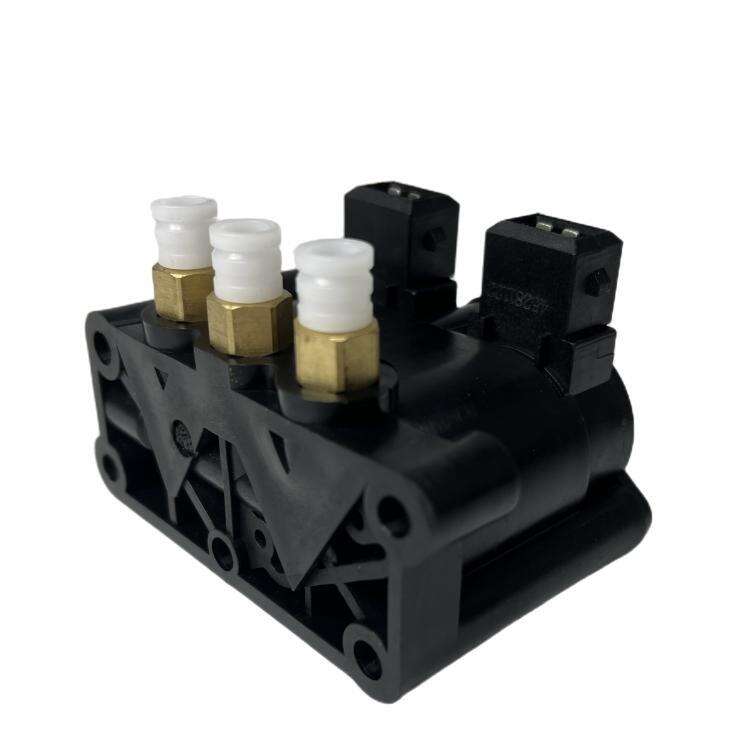
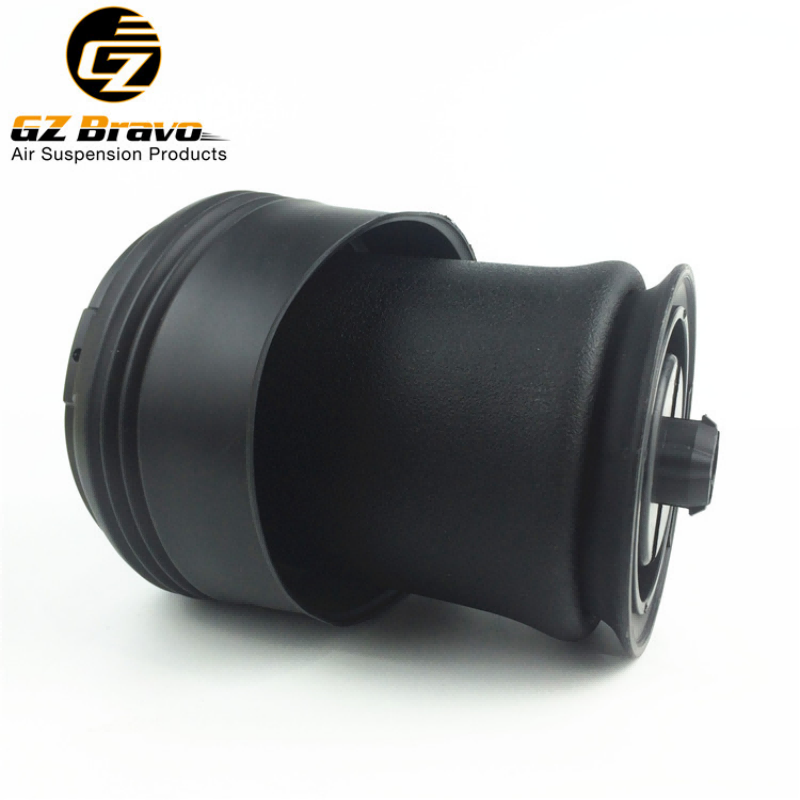
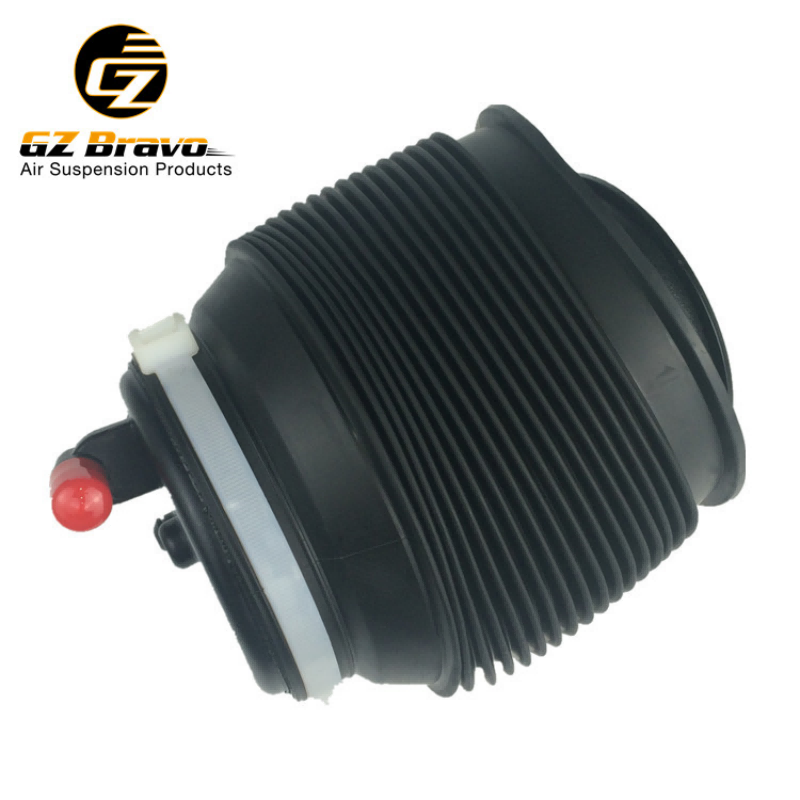
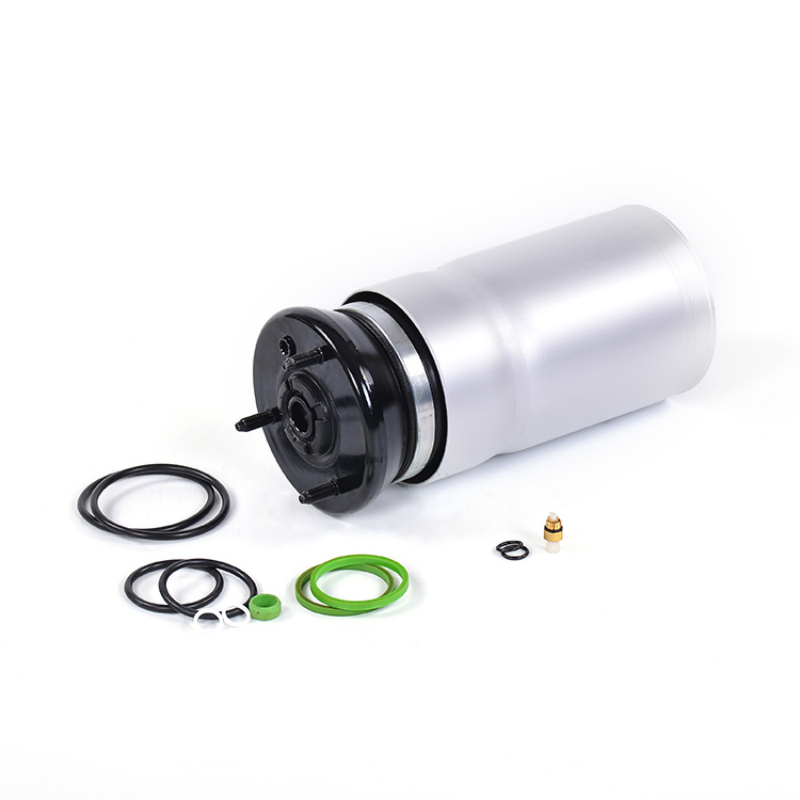
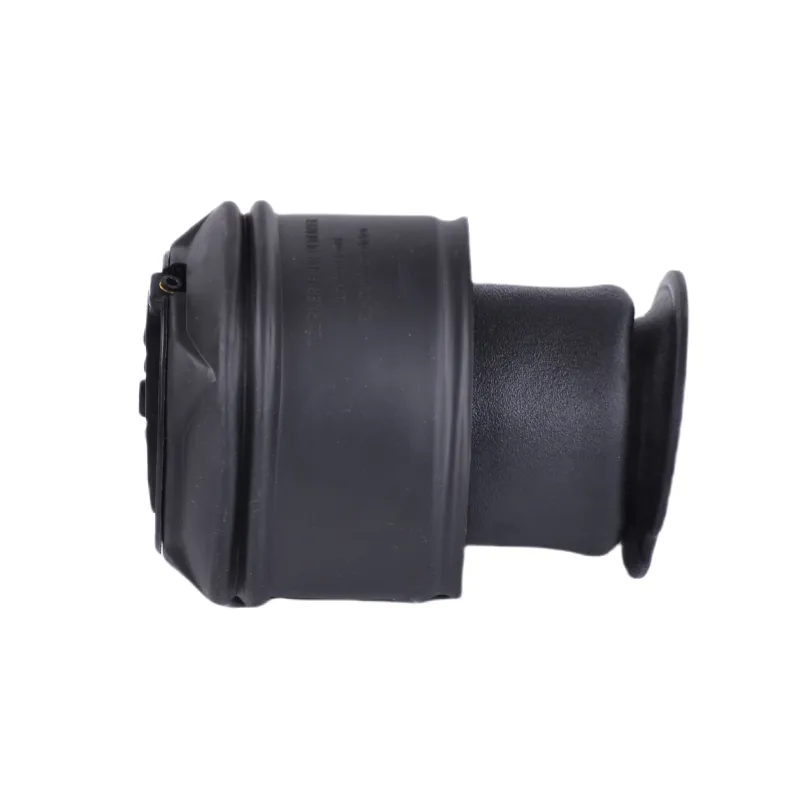
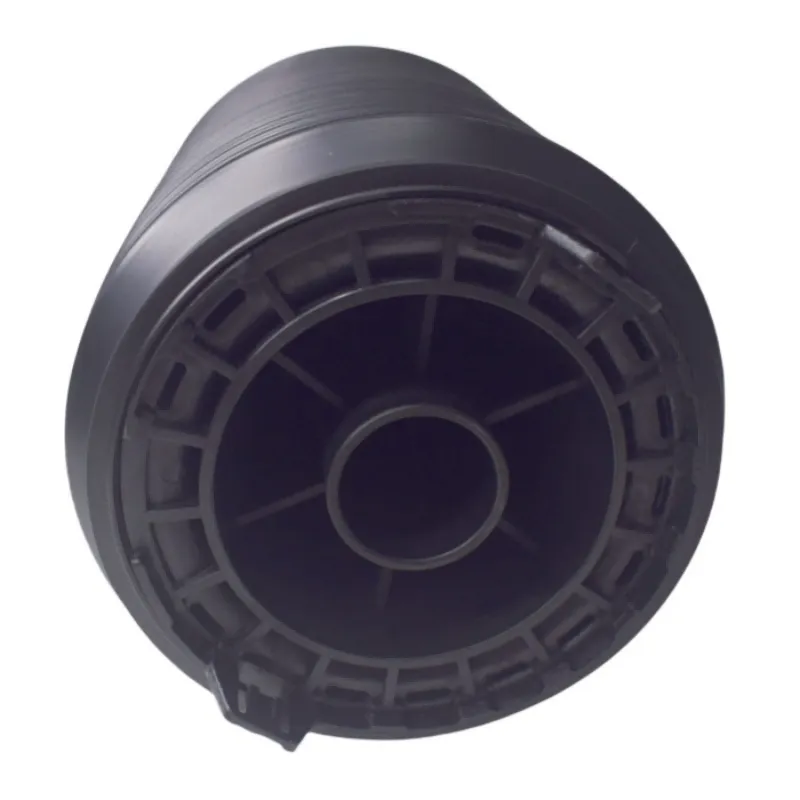
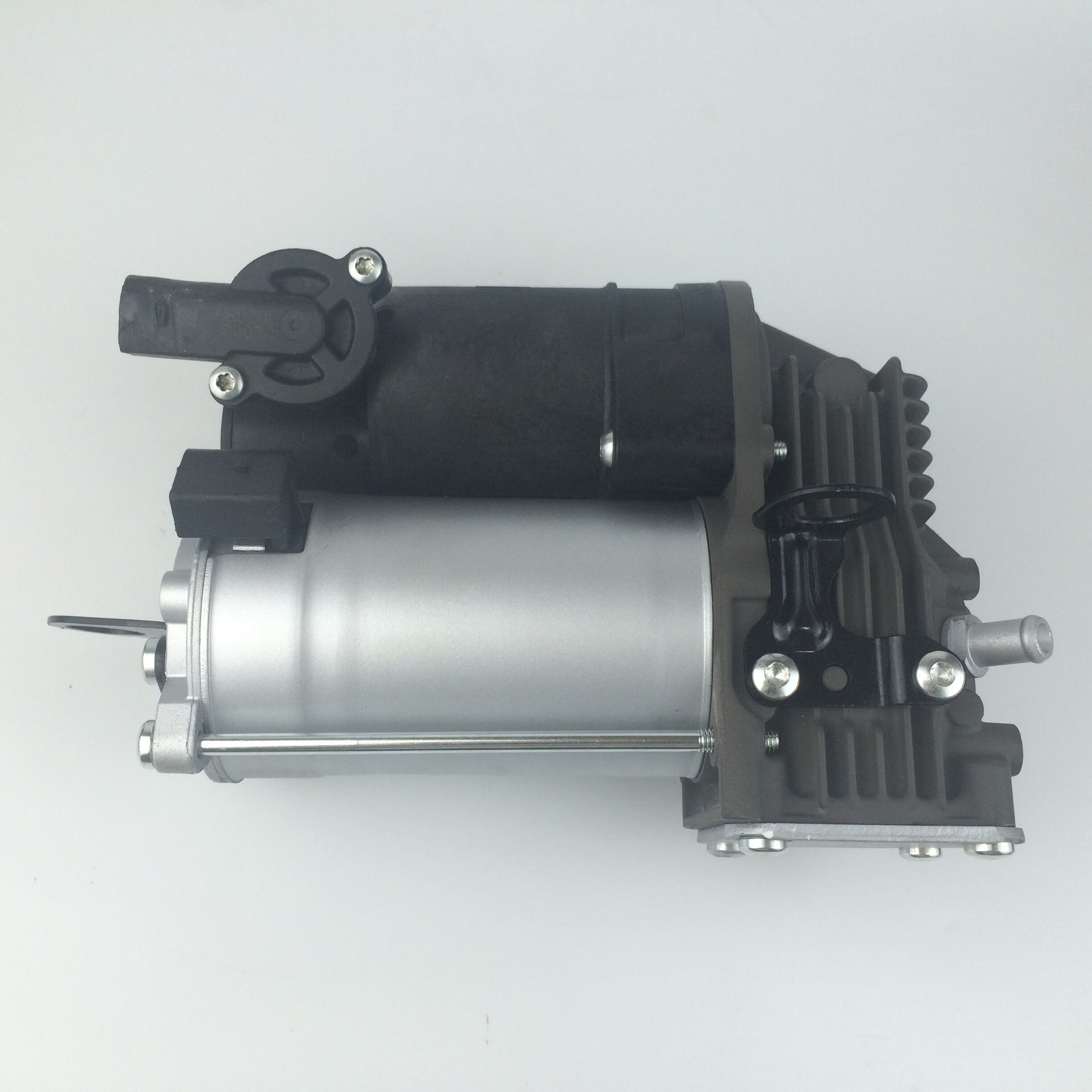
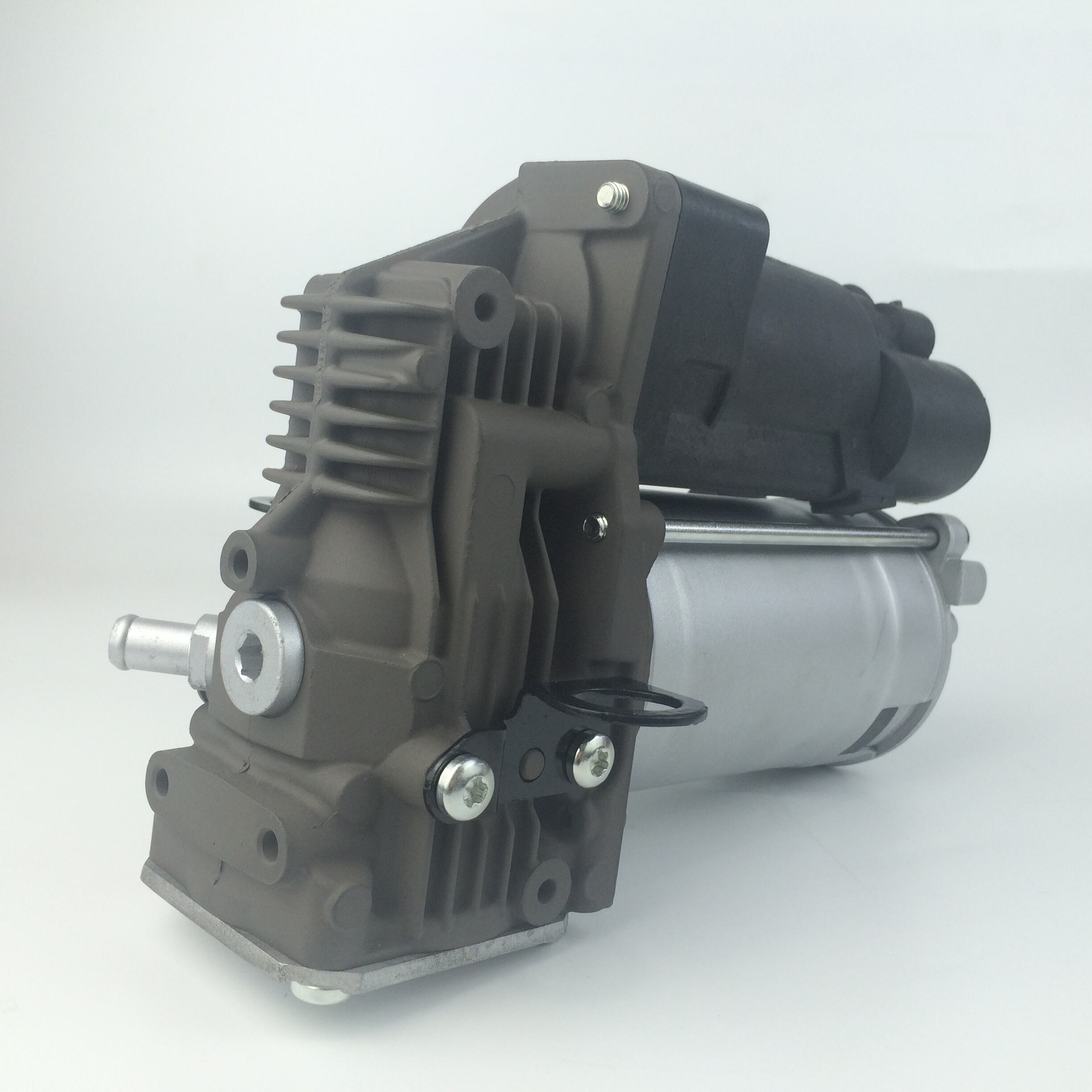
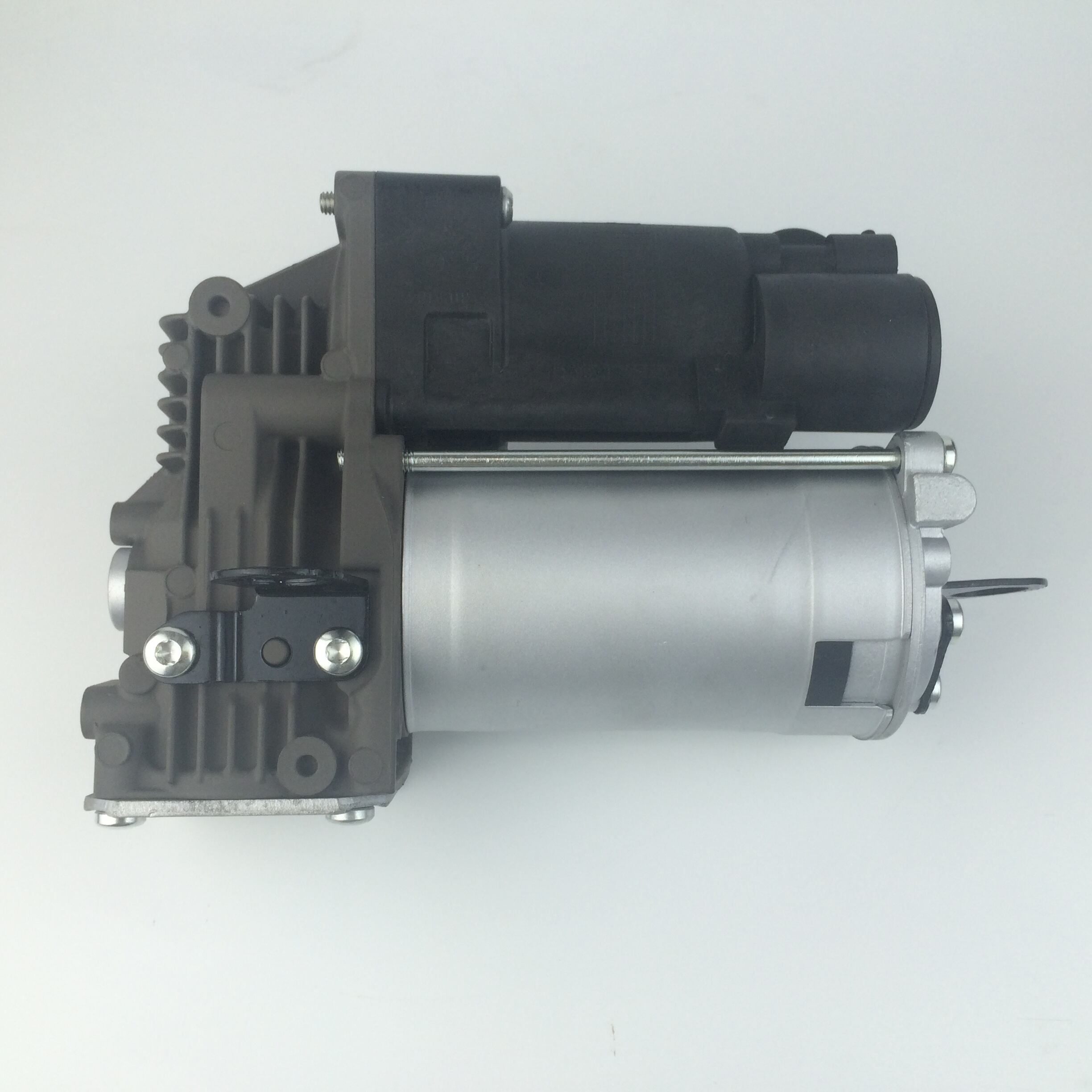
The self-leveling capability of auto parts air suspension represents one of its most practical and valuable features, addressing a fundamental limitation that affects all vehicles with conventional spring systems. Traditional suspensions compress when you add weight, causing the rear of the vehicle to sag noticeably when cargo fills the trunk, passengers occupy rear seats, or trailers attach to the hitch. This sagging creates multiple serious problems: headlights aim upward, blinding oncoming traffic and reducing your forward visibility; handling characteristics change dramatically as weight distribution shifts; braking performance suffers as front wheel loading decreases; and ground clearance reduces, increasing the risk of scraping on driveways or speed bumps. Auto parts air suspension solves all these issues automatically through intelligent load sensing and compensation. Height sensors mounted at each corner of the vehicle continuously measure the distance between the chassis and the wheel assembly, detecting immediately when additional weight causes the suspension to compress. The electronic control unit receives this information and commands the air compressor to increase pressure in the affected air springs, raising the vehicle back to its proper ride height within seconds. This automatic adjustment happens seamlessly without driver intervention, ensuring the vehicle always maintains optimal geometry regardless of loading conditions. The benefits extend far beyond aesthetics and convenience into real safety and performance improvements. Proper ride height means your headlights illuminate the road correctly rather than the sky, suspension geometry remains optimized for predictable handling, and brake force distribution stays balanced for maximum stopping power. For trucks and SUVs used to tow trailers or haul heavy cargo, auto parts air suspension proves absolutely invaluable, transforming these vehicles from barely manageable when loaded to confident and controlled in all situations. The system compensates for tongue weight from trailers that would otherwise overwhelm rear springs, maintains level stance when beds fill with construction materials or camping equipment, and keeps the vehicle stable when passenger distribution becomes uneven. Commercial applications particularly benefit from this technology, as delivery vehicles, mobile service trucks, and passenger vans experience constantly varying loads throughout their workdays. Auto parts air suspension ensures these vehicles always perform optimally whether empty or fully loaded, improving safety for drivers and other road users while reducing wear on tires, brakes, and drivetrain components. The load-leveling capability also enables vehicles to carry heavier loads safely within their rated capacity, as the suspension can provide adequate support that fixed springs might struggle to deliver, maximizing utility without compromising safety or comfort.

 EN