Airmatic Suspension System: Complete Guide to Advanced Air Suspension Technology, Benefits, and Features

Get a Free Quote

Our representative will contact you soon.
Email
Name
Company Name
Message
0/1000

airmatic suspension system

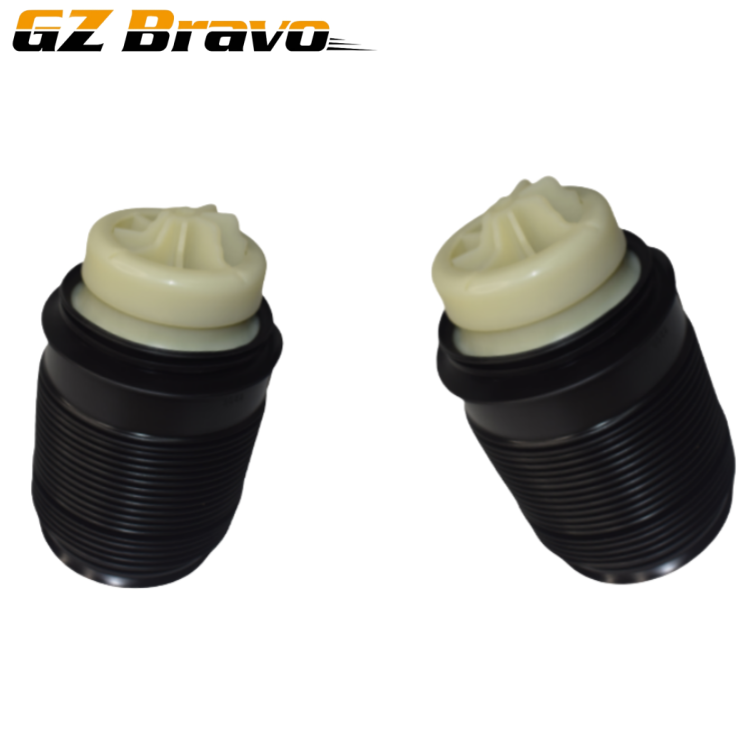
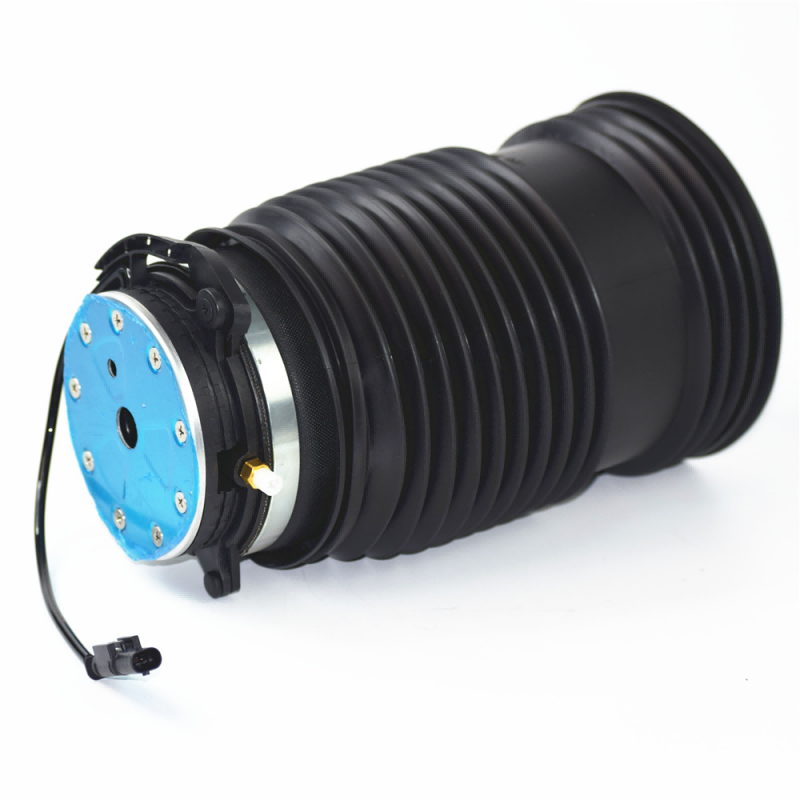
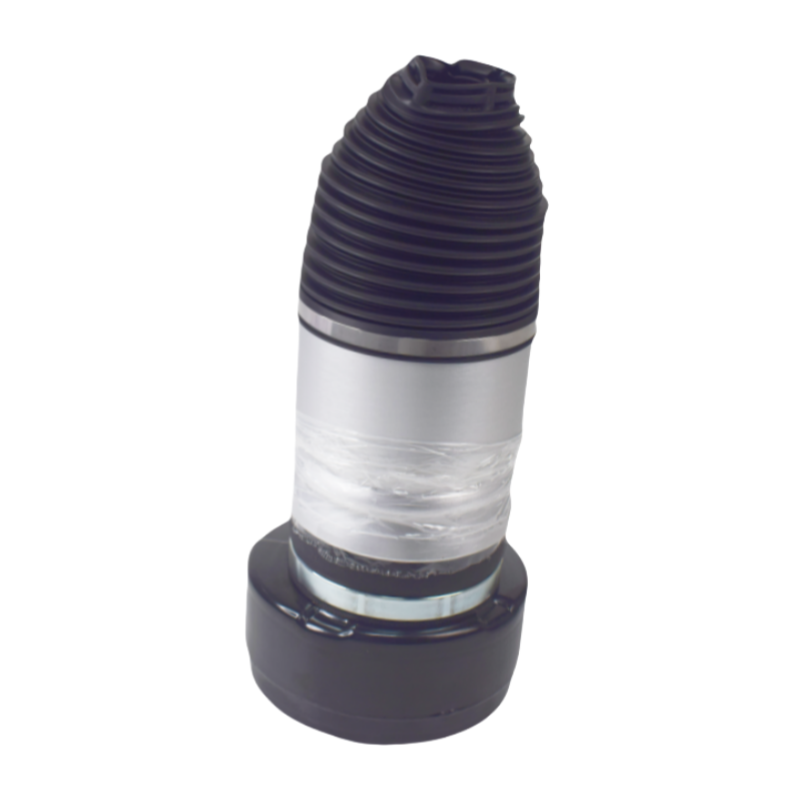
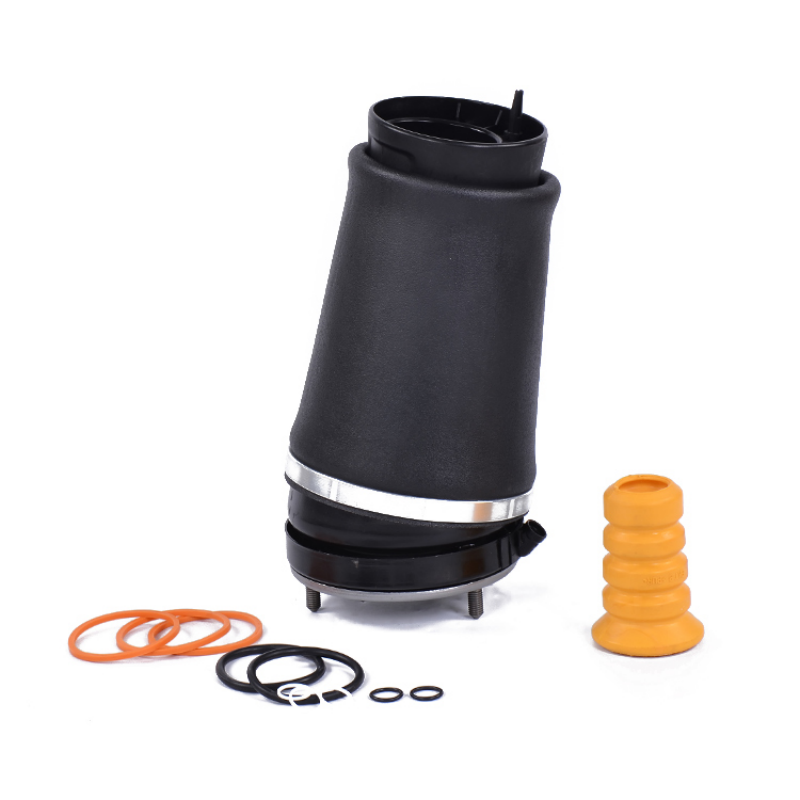
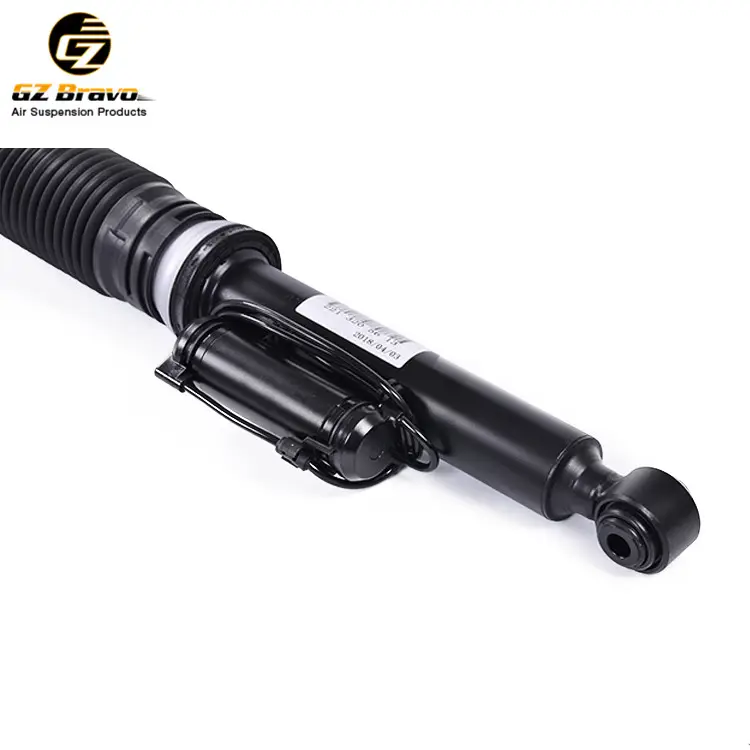
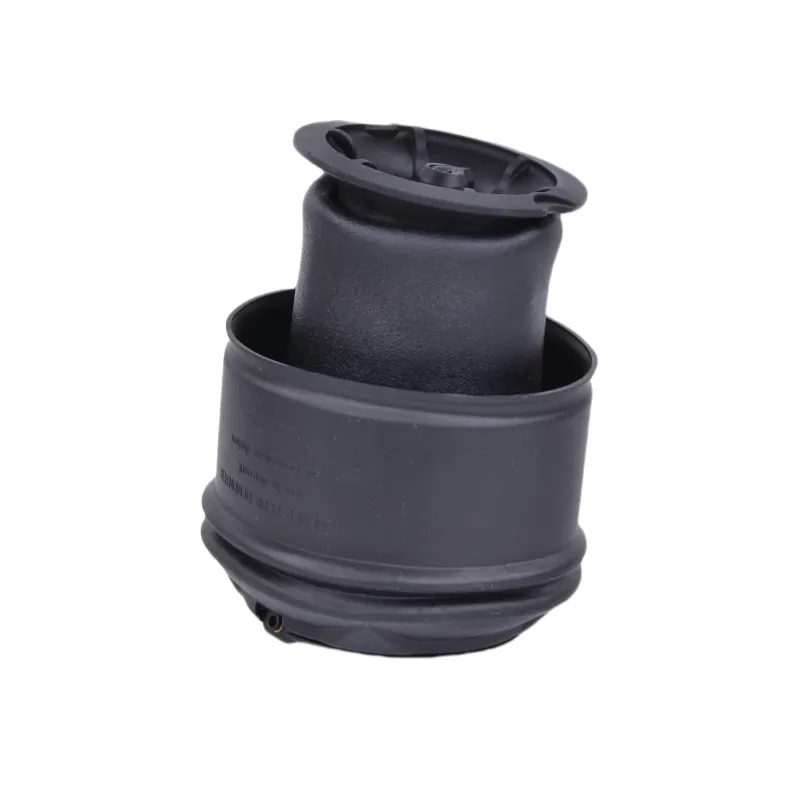
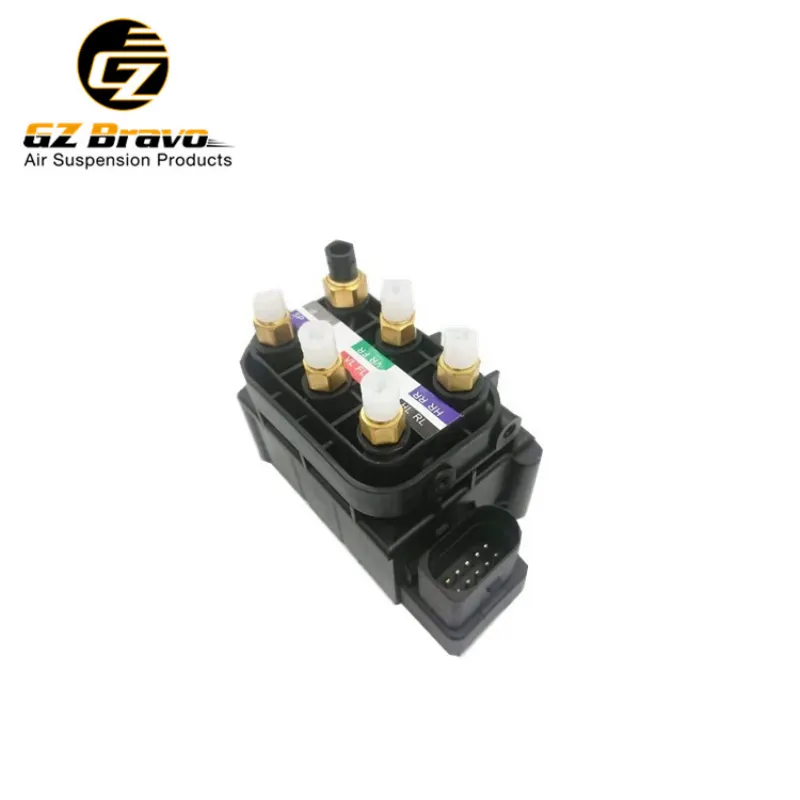
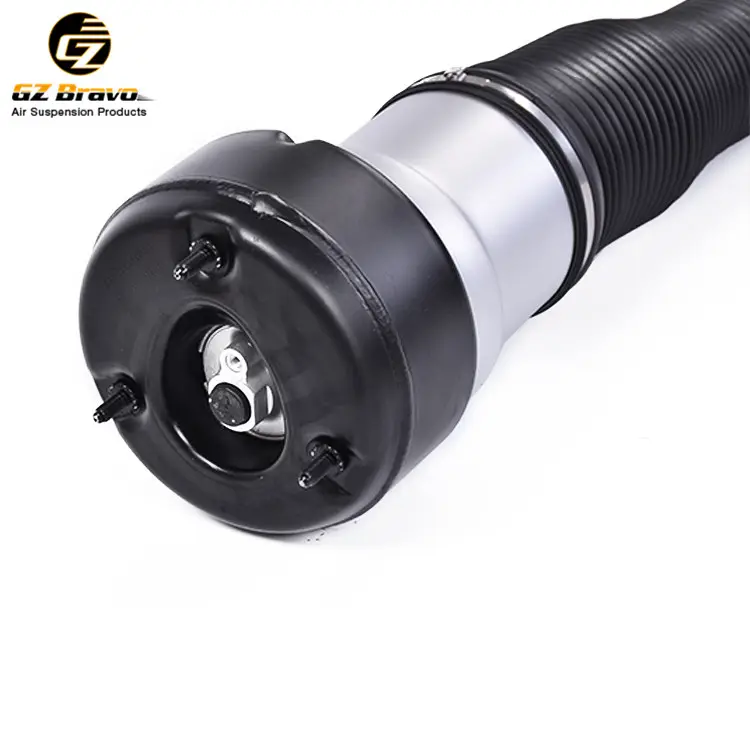
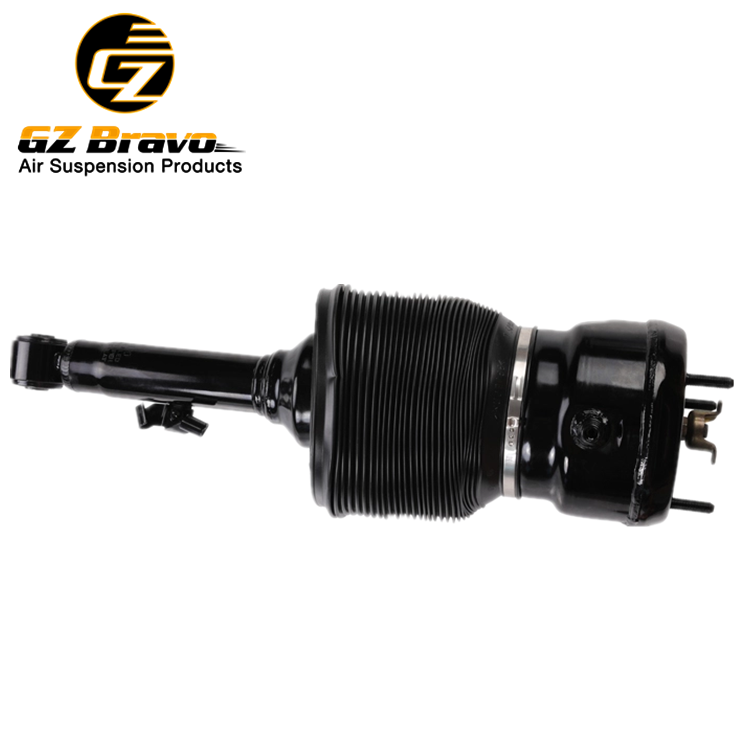
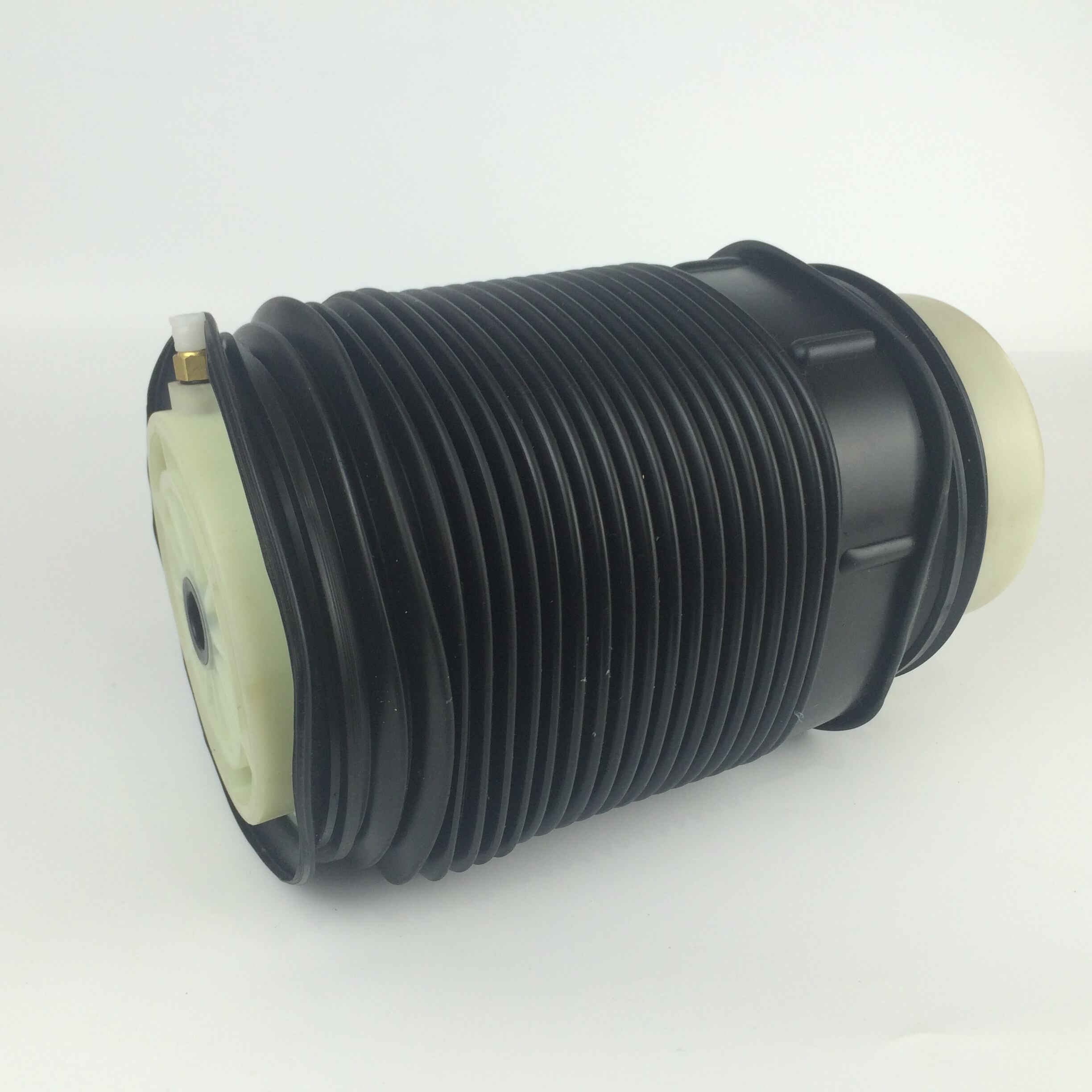
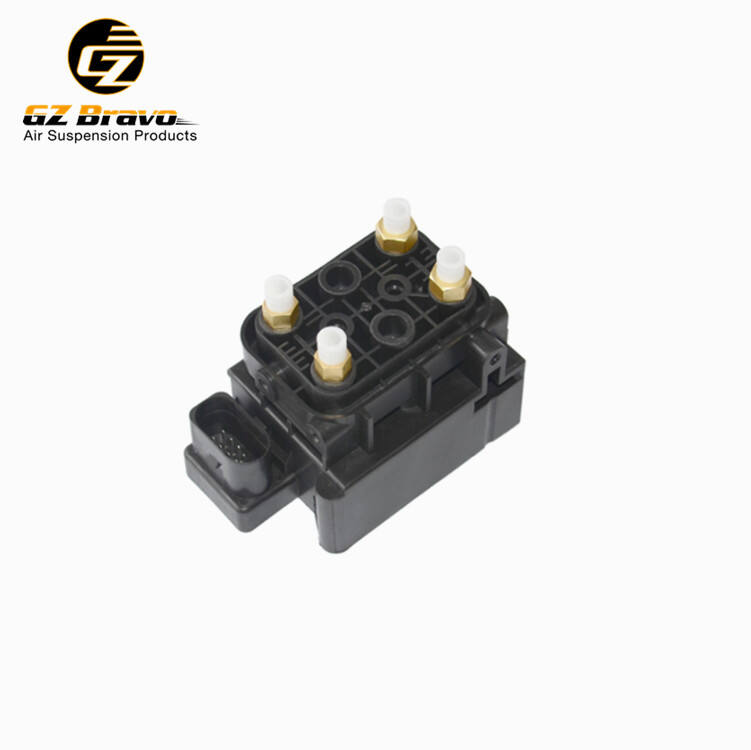
The airmatic suspension system represents a sophisticated advancement in automotive engineering that transforms how vehicles handle road conditions and deliver comfort to passengers. This innovative air-based suspension technology replaces traditional coil springs with air springs, also known as air bags or bellows, which can be inflated or deflated to adjust the vehicle's ride height and stiffness. The airmatic suspension system operates through a complex network of components including an air compressor, electronic control unit, height sensors, and pneumatic valves that work together seamlessly. The main function of this system is to automatically adjust suspension settings based on driving conditions, load weight, and driver preferences. By continuously monitoring vehicle dynamics through sophisticated sensors, the airmatic suspension system can make real-time adjustments to optimize performance. The technological features include adaptive damping control that modifies shock absorber firmness, automatic leveling that maintains consistent ride height regardless of cargo weight, and multiple driving modes that allow customization of handling characteristics. Applications of the airmatic suspension system span across luxury sedans, SUVs, commercial vehicles, and high-performance sports cars. Premium automotive manufacturers integrate this technology to enhance driving experiences, improve safety margins, and provide superior comfort levels. The system excels in various scenarios from highway cruising where it lowers the vehicle for improved aerodynamics and fuel efficiency, to off-road adventures where increased ground clearance becomes essential. The airmatic suspension system also benefits commercial applications by compensating for varying load conditions, ensuring stable handling whether the vehicle is empty or fully loaded, making it particularly valuable for fleet operators and businesses requiring consistent performance standards across different operational demands.

Popular Products

The airmatic suspension system delivers remarkable benefits that directly improve your daily driving experience in ways you will notice immediately. First and foremost, this technology provides exceptional comfort by absorbing road imperfections more effectively than conventional suspension setups. When you drive over bumps, potholes, or uneven surfaces, the system automatically adjusts to cushion the impact, ensuring passengers enjoy a smooth, luxurious ride quality that reduces fatigue during long journeys. The adaptability of the airmatic suspension system means your vehicle performs optimally in diverse conditions without requiring manual adjustments. During spirited driving on winding roads, the system firms up the suspension to reduce body roll and enhance stability, giving you confidence through corners. Conversely, when cruising on highways, it softens to prioritize comfort, creating a floating sensation that makes miles disappear effortlessly. Load carrying becomes significantly easier with the airmatic suspension system because it automatically compensates when you add passengers or cargo. Traditional suspensions sag under weight, compromising handling and safety, but this advanced system maintains proper ride height regardless of load, ensuring consistent performance and preventing the rear end from drooping when towing trailers or hauling equipment. Fuel economy improvements represent another practical advantage, as the system can lower your vehicle at higher speeds to reduce aerodynamic drag, helping you save money at the fuel pump over time. The technology also extends the lifespan of other vehicle components by minimizing stress and vibration transferred through the chassis. Tires wear more evenly because the system maintains optimal contact with the road surface, preventing premature degradation and reducing replacement costs. Ground clearance adjustment proves invaluable when navigating challenging terrain or entering steep driveways, as you can raise the vehicle with a simple button press to avoid scraping expensive undercarriage components. Safety enhancements emerge from improved stability during emergency maneuvers, as the system responds faster than mechanical suspensions to counteract weight transfer and maintain traction. The airmatic suspension system also increases resale value because buyers recognize the premium nature of this technology and appreciate the enhanced driving dynamics it provides. Maintenance requirements remain reasonable, with modern systems engineered for durability and longevity, while diagnostic capabilities allow technicians to quickly identify and address any issues that may arise, ensuring minimal downtime and maximum enjoyment of your vehicle's capabilities throughout ownership.

Tips And Tricks

How does air suspension enhance stability during high-speed driving operations?

27

May

How does air suspension enhance stability during high-speed driving operations?

When a vehicle travels at high speed, the margin for error shrinks dramatically. Every bump in the road, every shift in load distribution, and every gust of crosswind becomes a real threat to driver control. This is precisely where air suspension pro...
View More
What factors affect durability of air suspension components in daily use?

27

May

What factors affect durability of air suspension components in daily use?

When it comes to vehicle ride quality and load management, air suspension components play a central role in delivering comfort, stability, and adaptability across a wide range of driving conditions. Unlike traditional coil spring setups, air-based sy...
View More
Can a solenoid valve block support fast response in adaptive suspension systems?

03

Jun

Can a solenoid valve block support fast response in adaptive suspension systems?

When engineers and automotive specialists evaluate the performance ceiling of adaptive suspension systems, one component consistently emerges as a critical enabler of real-time responsiveness: the solenoid valve block. In air suspension architectures...
View More
How does an air suspension compressor improve performance in load support systems?

03

Jun

How does an air suspension compressor improve performance in load support systems?

When a vehicle carries heavy loads or navigates uneven terrain, the demands placed on its suspension system increase dramatically. An air suspension compressor sits at the heart of any pneumatic load support system, continuously managing air pressure...
View More

Get a Free Quote

Our representative will contact you soon.
Email
Name
Company Name
Message
0/1000

airmatic suspension system

Intelligent Adaptive Ride Control Technology

Intelligent Adaptive Ride Control Technology

The airmatic suspension system incorporates intelligent adaptive ride control technology that fundamentally changes how vehicles respond to dynamic driving conditions and environmental factors. This sophisticated feature utilizes an array of advanced sensors strategically positioned throughout the vehicle to continuously monitor multiple parameters including wheel position, body movement, acceleration forces, and road surface conditions at a rate of hundreds of times per second. The electronic control unit processes this constant stream of data using complex algorithms to predict upcoming suspension needs and make preemptive adjustments before disturbances affect passenger comfort. Unlike passive suspension systems that simply react to road inputs after impacts occur, the airmatic suspension system anticipates changes and proactively modifies damping characteristics to counteract them. This predictive capability stems from integration with other vehicle systems, including the navigation unit which can identify upcoming road conditions based on GPS data and historical information, allowing the suspension to prepare for curves, elevation changes, or rough pavement ahead. The value this brings to customers extends beyond mere comfort, as the intelligent adaptive ride control enhances safety by maintaining optimal tire contact with road surfaces during all driving scenarios. When cornering aggressively, the system instantly stiffens the outer suspension to combat body roll, keeping the vehicle flat and responsive while preventing the unsettling sensation of leaning excessively. During straight-line acceleration or braking, it manages pitch control to keep the vehicle level, improving stability and driver confidence. The technology recognizes individual driving styles and adapts accordingly, learning whether you prefer sporty, firm handling or softer, comfort-oriented settings, then automatically applying these preferences without requiring constant manual adjustments. For families, this means children can sleep peacefully in the back seat while you navigate imperfect roads, as the system isolates cabin occupants from harsh impacts. Business professionals appreciate arriving at destinations feeling refreshed rather than fatigued from harsh ride quality. The intelligent adaptive ride control within the airmatic suspension system represents a significant technological achievement that transforms vehicle dynamics from a compromise between comfort and performance into a seamless integration of both qualities, delivering exactly what you need precisely when you need it, enhancing every journey regardless of distance or destination.
Automatic Load Leveling and Height Adjustment Capability

Automatic Load Leveling and Height Adjustment Capability

One of the most practical and immediately noticeable features of the airmatic suspension system is its automatic load leveling and height adjustment capability, which fundamentally solves problems that have plagued vehicle owners for decades. Traditional suspension systems suffer from a critical limitation: they are engineered for a specific load range and perform optimally only within those parameters. Add heavy cargo or additional passengers, and the rear suspension compresses, causing the vehicle to squat awkwardly, reducing ground clearance, compromising headlight aim, degrading handling characteristics, and creating an uncomfortable driving experience. The airmatic suspension system eliminates these issues entirely through its automatic load leveling function that continuously monitors vehicle height at all four corners and adjusts air pressure within each air spring to maintain the factory-specified ride height regardless of weight distribution. This capability proves invaluable for customers who regularly transport varying loads, whether families on vacation with luggage, contractors carrying tools and materials, or outdoor enthusiasts towing boats and campers. The system detects increased weight within milliseconds and immediately adds air pressure to the affected springs, raising the vehicle back to proper height and ensuring consistent handling, braking performance, and visibility. Beyond automatic leveling, the height adjustment capability allows drivers to manually raise or lower the vehicle to suit specific situations, providing versatility that conventional suspensions cannot match. When approaching a parking garage with limited clearance, you can lower the vehicle at the touch of a button, gaining crucial inches that prevent roof damage. Off-road adventurers benefit tremendously from the ability to raise ride height when traversing rocky trails, deep snow, or water crossings, protecting vulnerable undercarriage components while improving approach and departure angles. The airmatic suspension system typically offers multiple height settings ranging from a lowered position for easier entry and exit, especially beneficial for elderly passengers or those with mobility challenges, to a raised off-road mode that transforms a luxury sedan or SUV into a surprisingly capable explorer. Loading heavy items becomes simpler when you lower the rear suspension, reducing the lifting height required to place objects in the cargo area, preventing strain and injury. The automatic load leveling feature also enhances towing safety by maintaining proper weight distribution between the vehicle and trailer, preventing dangerous sway conditions that can lead to loss of control, making the airmatic suspension system an essential feature for anyone who regularly tows recreational vehicles, work trailers, or horse transporters, providing peace of mind and capability that conventional suspensions simply cannot deliver.
Enhanced Comfort and Noise Isolation Performance

Enhanced Comfort and Noise Isolation Performance

The airmatic suspension system delivers enhanced comfort and noise isolation performance that sets vehicles equipped with this technology apart from those using conventional steel spring suspensions, creating a driving environment that rivals the smoothness of luxury trains or premium aircraft. Air springs possess inherent characteristics that make them superior at absorbing vibrations and isolating cabin occupants from road imperfections compared to metal coil springs. The pneumatic nature of air springs allows them to compress and expand with variable spring rates, meaning they become progressively softer or firmer based on the magnitude of impacts, providing gentle response to small bumps while remaining controlled during larger disturbances. This variable rate characteristic proves impossible to achieve with traditional springs, which maintain constant rates regardless of compression distance. The result is a suspension that feels supple and compliant over minor road texture like tar strips, expansion joints, and rough pavement, yet remains composed and controlled when encountering larger obstacles such as potholes or speed bumps. The airmatic suspension system also excels at dampening high-frequency vibrations that cause road noise and harshness to transmit into the cabin through the chassis. Air acts as a natural isolator, absorbing these vibrations before they reach the vehicle body, creating a quieter interior environment where conversations occur easily, music sounds clearer, and long-distance travel becomes less tiresome. Passengers consistently report feeling more relaxed and less fatigued after extended journeys in vehicles equipped with the airmatic suspension system compared to conventionally suspended alternatives. The comfort advantages extend to secondary ride motions, those subtle movements and oscillations that occur after initial impacts, which the system controls more effectively through its sophisticated damping management. Where traditional suspensions might continue bouncing or swaying after hitting a bump, the airmatic suspension system quickly returns the vehicle to a stable, controlled state, eliminating the floating or unsettled sensation that some passengers find nauseating. This superior damping control proves particularly valuable for passengers prone to motion sickness, as the reduced secondary motions help maintain equilibrium and comfort. The system also minimizes the harsh impacts transmitted through the steering wheel and seat, reducing driver fatigue during extended periods behind the wheel. Professional drivers, sales representatives, and anyone who spends significant time commuting recognize the value of arriving at destinations feeling fresh rather than exhausted from fighting a harsh suspension. The enhanced comfort provided by the airmatic suspension system transforms vehicles into mobile sanctuaries where occupants remain isolated from the stress and harshness of deteriorating infrastructure, making every journey more pleasant and demonstrating why discerning customers consider this technology essential rather than optional when selecting their next vehicle.

Get a Free Quote

Our representative will contact you soon.
Email
Name
Company Name
Message
0/1000