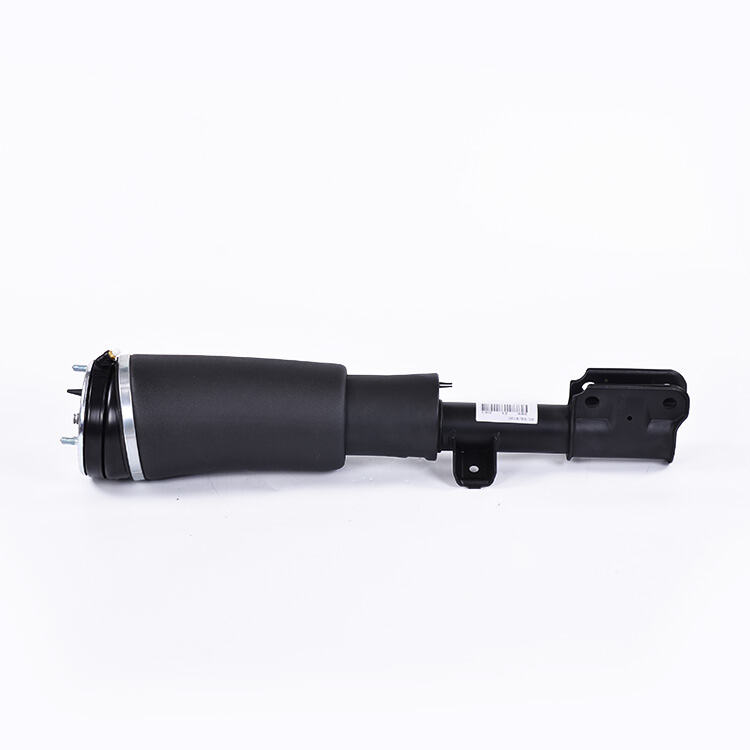
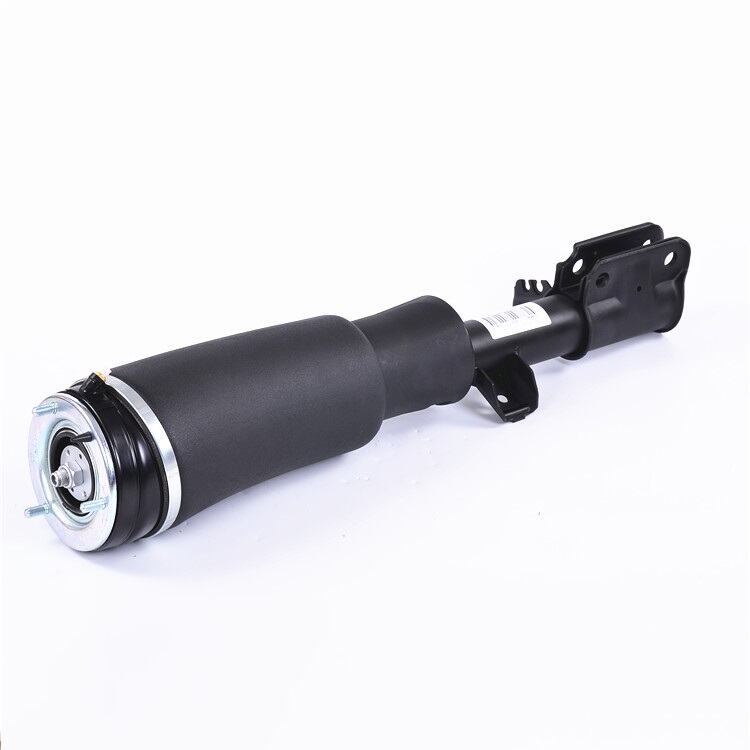
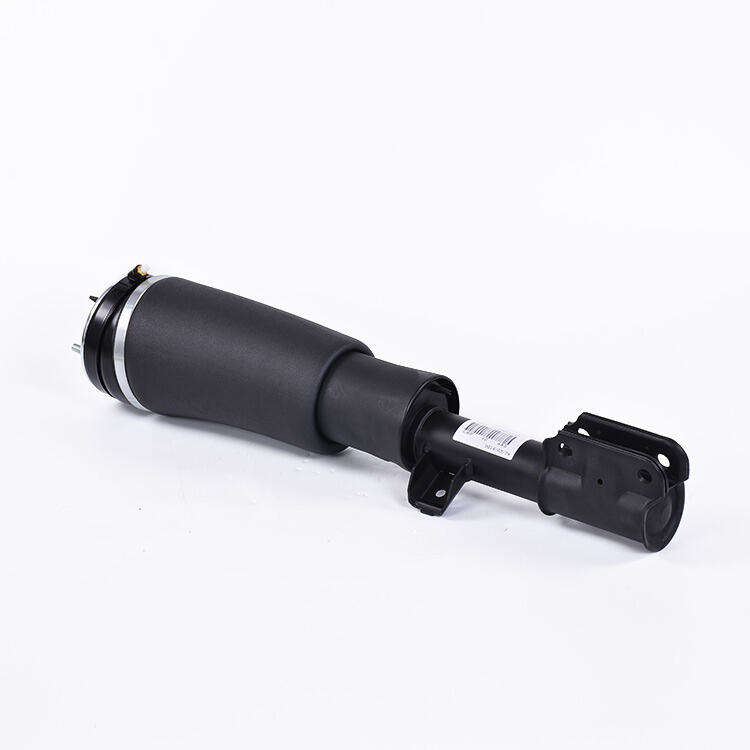
Range Rover Air Suspension: Advanced Technology for Superior Comfort and Capability

Get a Free Quote

Our representative will contact you soon.
Email
Name
Company Name
Message
0/1000

range rover air suspension

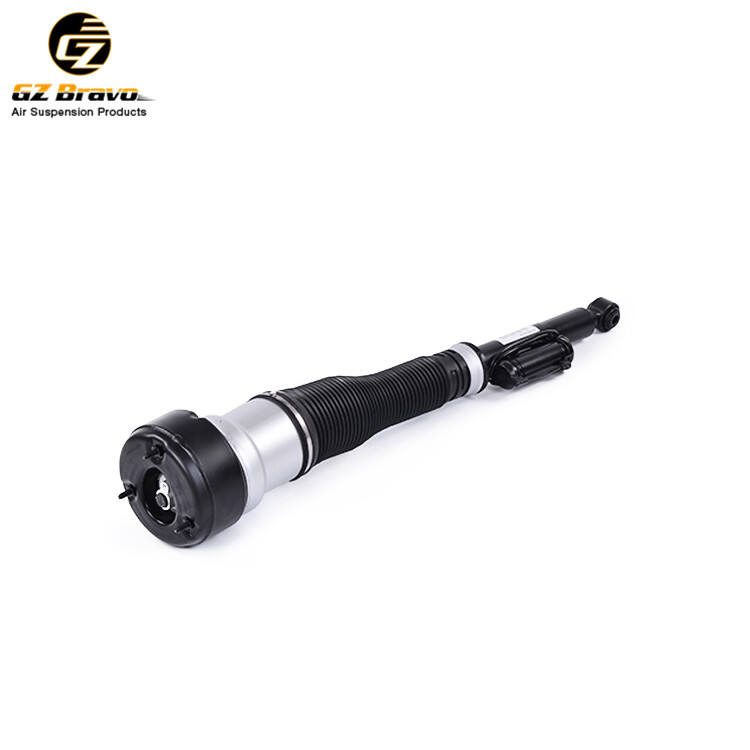
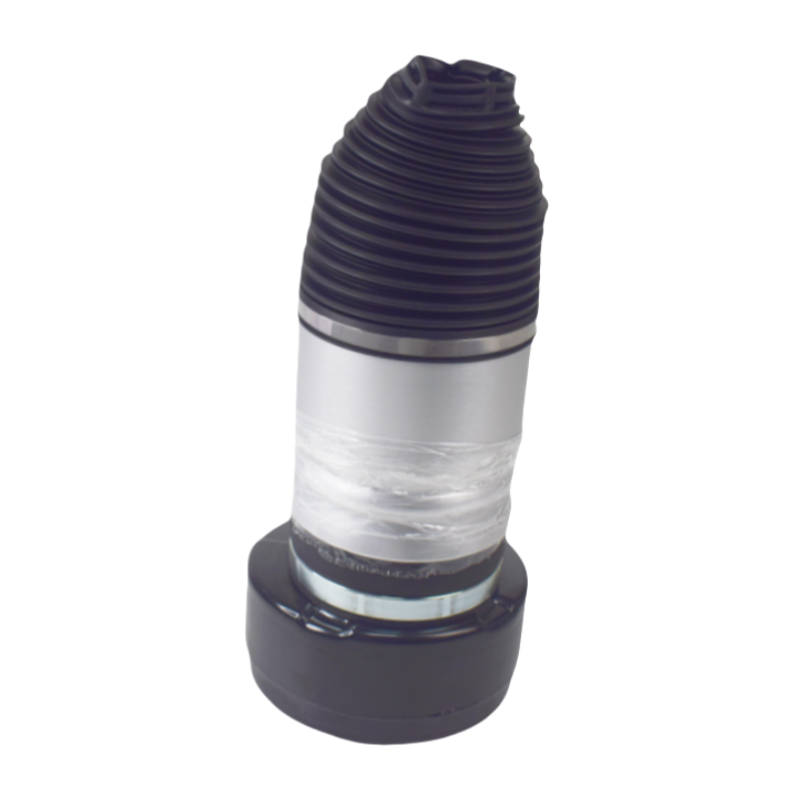
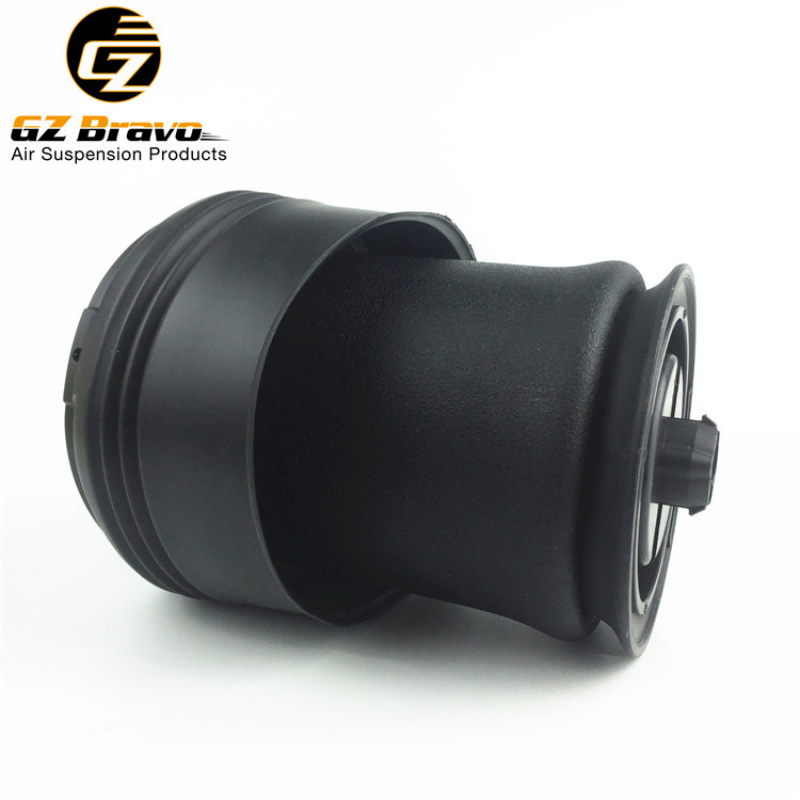
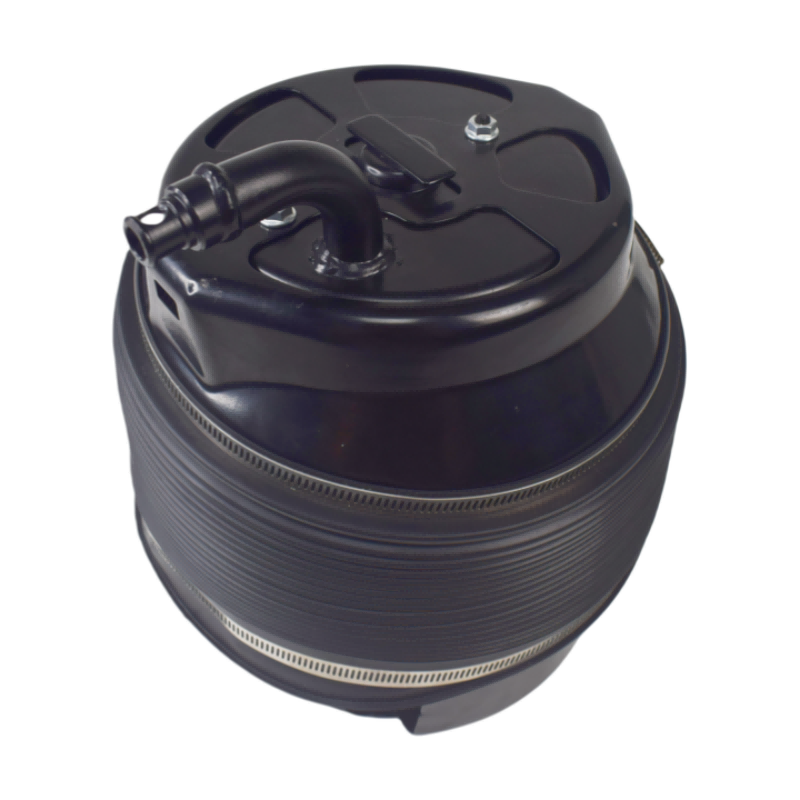
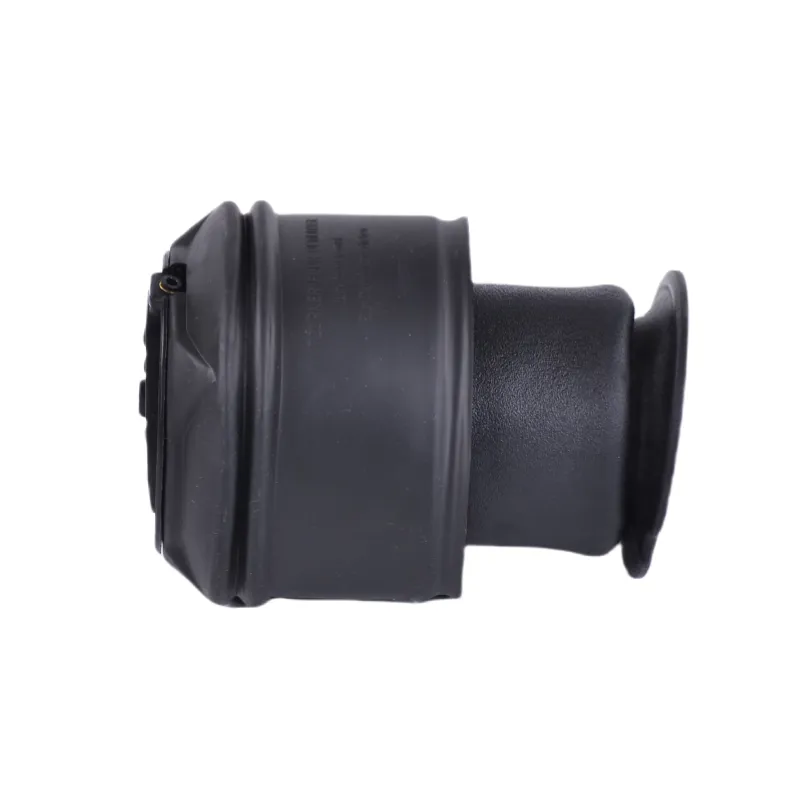
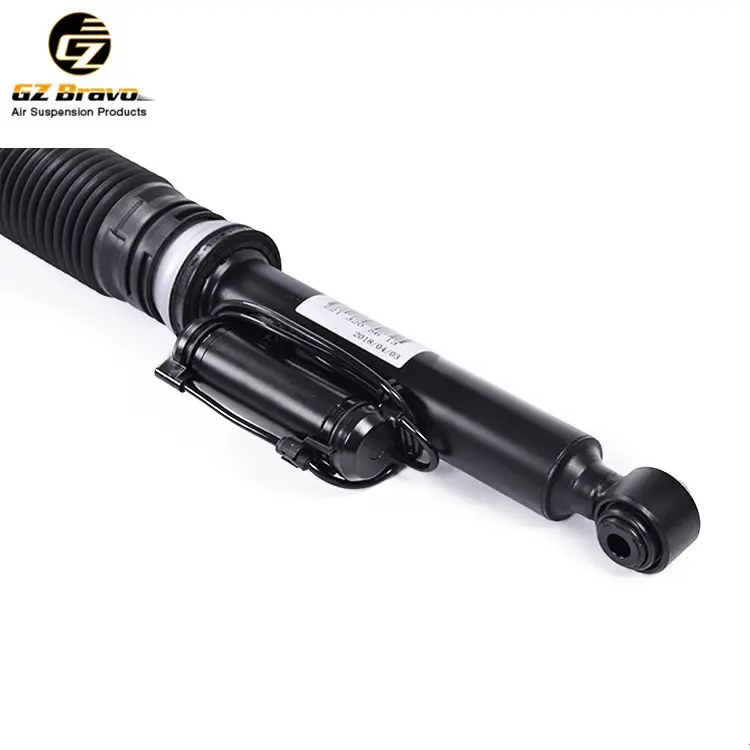
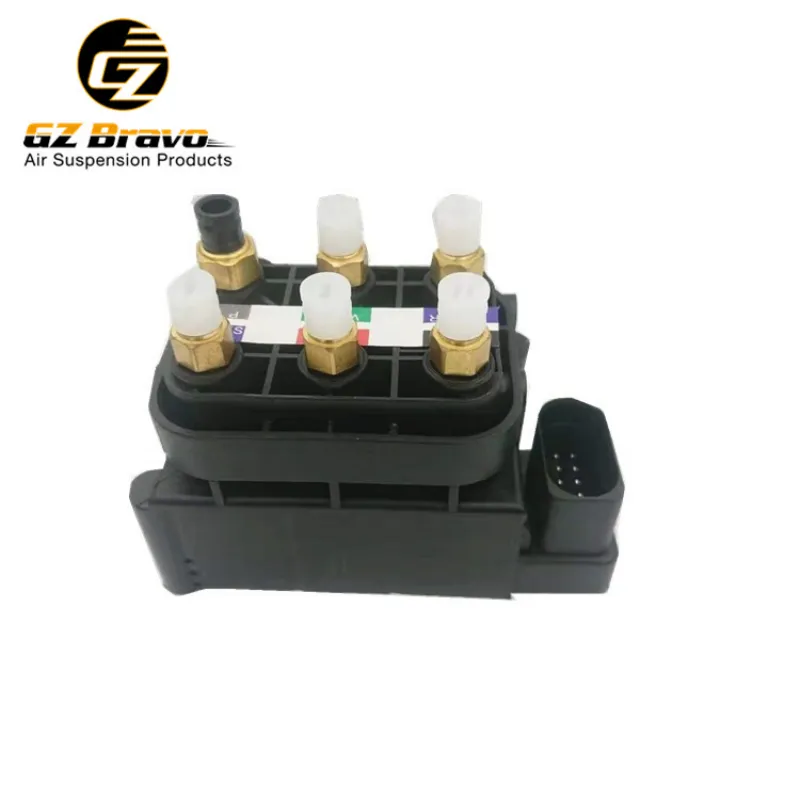
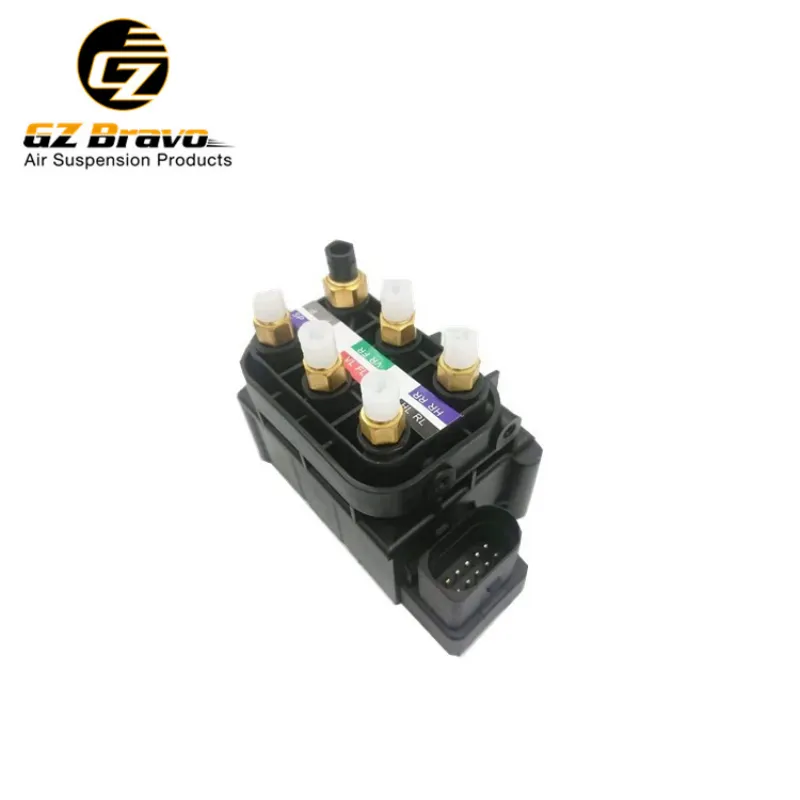
The Range Rover air suspension represents a sophisticated engineering marvel that transforms the driving experience through intelligent height adjustment and adaptive damping technology. This advanced system replaces traditional steel springs with air-filled bags that can be electronically controlled to modify the vehicle's ride height and firmness based on driving conditions, load requirements, and driver preferences. The primary functions of the Range Rover air suspension include automatic leveling to maintain consistent ride height regardless of passenger or cargo weight, terrain response capabilities that optimize ground clearance for off-road adventures, and enhanced comfort through continuous monitoring and adjustment of damping rates. The technological features incorporate multiple sensors positioned throughout the vehicle that constantly measure body movement, wheel travel, and road surface conditions, transmitting data to the electronic control unit hundreds of times per second. This real-time processing enables the system to make instantaneous adjustments, ensuring optimal performance whether navigating city streets or challenging wilderness trails. The applications of this suspension technology extend across various driving scenarios, from highway cruising where the system lowers the vehicle to improve aerodynamics and fuel efficiency, to rock crawling where maximum height provides essential clearance over obstacles. The Range Rover air suspension also facilitates easier entry and exit by lowering the vehicle when parked, particularly beneficial for elderly passengers or when loading heavy items into the cargo area. Additionally, the system integrates seamlessly with other vehicle technologies including the Terrain Response system, which automatically selects appropriate suspension settings based on the selected driving mode, whether sand, mud, snow, or rock crawl settings are chosen by the driver.

New Products

The Range Rover air suspension delivers remarkable benefits that directly enhance your daily driving experience and expand your vehicle's capabilities beyond conventional suspension systems. First and foremost, this technology provides unmatched comfort for all occupants by absorbing road imperfections with exceptional efficiency. Unlike traditional suspensions that offer fixed damping rates, the adaptive nature of the Range Rover air suspension constantly adjusts to changing road conditions, smoothing out bumps, potholes, and rough surfaces before they transfer harshness into the cabin. This means your passengers arrive at destinations feeling refreshed rather than fatigued from constant jolting and vibration. The versatility of height adjustment proves invaluable in practical situations you encounter regularly. When loading groceries, luggage, or sports equipment, you can lower the rear of your vehicle with a simple button press, reducing the lifting height and making it significantly easier to load heavy items without straining your back. Parents appreciate this feature when securing children in car seats, as the lowered position provides better access and reduces awkward reaching. For adventurous drivers, the Range Rover air suspension unlocks genuine off-road capability by raising the vehicle to navigate obstacles that would stop conventional SUVs. Stream crossings become manageable with increased wading depth, while rocky trails pose less risk of underbody damage thanks to the enhanced ground clearance. The system actively prevents the vehicle from getting stuck by maintaining optimal wheel contact with uneven terrain, distributing power effectively to wheels with traction. Fuel economy improvements represent another tangible advantage, as the suspension automatically lowers at highway speeds to reduce wind resistance, cutting through air more efficiently and saving money at the pump during long journeys. The self-leveling capability ensures your vehicle maintains proper geometry regardless of load, which means headlights remain correctly aimed rather than pointing skyward when hauling cargo, improving nighttime safety for you and other drivers. Towing becomes more controlled and safer as the suspension compensates for trailer weight, preventing the rear sag that compromises handling and braking performance. The Range Rover air suspension also protects your investment by reducing wear on tires, as the system maintains optimal tire contact patches and prevents uneven wear patterns caused by sagging or misalignment. The enhanced stability during cornering inspires confidence, as the system firms up damping rates when detecting lateral forces, reducing body roll and keeping your vehicle composed through curves. This translates to better control in emergency maneuvers, potentially helping you avoid accidents by maintaining predictable handling characteristics when quick steering inputs become necessary.

Latest News

How does air suspension improve ride comfort in commercial vehicle applications?

27

May

How does air suspension improve ride comfort in commercial vehicle applications?

In commercial vehicle applications, driver comfort and cargo protection are not luxuries — they are operational necessities. Rough roads, heavy payloads, and long-haul routes place extraordinary stress on both the vehicle and the people inside ...
View More
How does air suspension enhance stability during high-speed driving operations?

27

May

How does air suspension enhance stability during high-speed driving operations?

When a vehicle travels at high speed, the margin for error shrinks dramatically. Every bump in the road, every shift in load distribution, and every gust of crosswind becomes a real threat to driver control. This is precisely where air suspension pro...
View More
How does a solenoid valve block improve airflow management in suspension setups?

03

Jun

How does a solenoid valve block improve airflow management in suspension setups?

Modern air suspension systems depend on precise control of pressurized air to deliver the ride comfort and handling performance that drivers expect. At the center of this control architecture sits the solenoid valve block, a compact but critically im...
View More
Can a solenoid valve block support fast response in adaptive suspension systems?

03

Jun

Can a solenoid valve block support fast response in adaptive suspension systems?

When engineers and automotive specialists evaluate the performance ceiling of adaptive suspension systems, one component consistently emerges as a critical enabler of real-time responsiveness: the solenoid valve block. In air suspension architectures...
View More

Get a Free Quote

Our representative will contact you soon.
Email
Name
Company Name
Message
0/1000

range rover air suspension

Intelligent Terrain Adaptability for Ultimate Versatility

Intelligent Terrain Adaptability for Ultimate Versatility

The Range Rover air suspension showcases its most impressive capabilities through intelligent terrain adaptability that automatically optimizes vehicle configuration for whatever environment you encounter. This sophisticated feature represents the pinnacle of automotive engineering, combining multiple sensor inputs with advanced algorithms to deliver seamless transitions between vastly different driving conditions. When you approach a steep incline on a mountain trail, the system recognizes the angle through pitch sensors and immediately adjusts ride height and damping to maintain optimal traction and approach angles, preventing the front bumper from scraping while ensuring wheels maintain contact with the ground. The Range Rover air suspension monitors articulation at each wheel individually, allowing diagonal wheels to extend or compress independently, which proves essential when traversing rocky terrain where wheels must travel through dramatically different vertical planes simultaneously. This articulation capability separates the Range Rover air suspension from simpler systems, as it permits the vehicle to maintain forward progress over obstacles that would leave three-wheeled contact vehicles stranded. Desert driving benefits enormously from the system's ability to increase ride height for soft sand navigation, reducing the likelihood of beaching the vehicle while simultaneously softening damping rates to allow wheels to float over undulating dunes rather than fighting against them. When returning to paved roads, the transition happens automatically as vehicle speed increases, with the Range Rover air suspension lowering progressively to its highway setting without driver intervention, improving stability and reducing wind noise. The integration with Terrain Response technology creates a synergistic relationship where selecting specific terrain modes instantly commands the suspension to adopt predetermined settings optimized for that environment. Snow mode, for example, instructs the Range Rover air suspension to maintain a moderate height for ground clearance while using gentler damping to maximize tire compliance and grip on slippery surfaces. Rock crawl mode raises the suspension to maximum height while stiffening damping to provide precise control and feedback during technical maneuvering at slow speeds. This adaptability extends to everyday situations as well, with the system automatically adjusting when it detects highway merging acceleration, firming up to reduce squat and maintain optimal weight distribution for maximum traction during hard acceleration events.
Advanced Load Management and Automatic Leveling Technology

Advanced Load Management and Automatic Leveling Technology

The Range Rover air suspension incorporates sophisticated load management capabilities that revolutionize how vehicles handle varying weight distributions and cargo requirements. This advanced automatic leveling technology employs precision height sensors at each corner of the vehicle, continuously measuring the distance between the chassis and ground to detect even subtle changes in vehicle attitude. When you load passengers or cargo, the system instantly recognizes the additional weight through increased compression of the air springs and responds by adding air pressure to the affected suspension bags, restoring the vehicle to its optimal ride height within seconds. This immediate response prevents the sagging rear end appearance common in conventionally suspended vehicles when loaded, maintaining the elegant profile and proper geometry that Range Rover engineers intended. The practical benefits extend far beyond aesthetics, as maintaining correct ride height ensures headlight aim remains accurate regardless of load, preventing dangerous situations where misaimed beams blind oncoming drivers or fail to illuminate the road ahead adequately. The Range Rover air suspension leveling function proves particularly valuable for towing applications, where trailer tongue weight would normally cause significant rear squat in traditional suspension systems. By automatically compensating for this downward force, the system maintains level vehicle stance, which preserves proper weight distribution across all four tires, ensuring predictable handling characteristics and optimal braking performance even when hauling heavy trailers approaching maximum towing capacity. The load management capabilities also enhance safety during emergency maneuvers while towing, as the level stance prevents dangerous pitch oscillations that can develop between tow vehicle and trailer during sudden braking or evasive steering inputs. Passenger comfort receives substantial benefits from this technology as well, since maintaining consistent ride height ensures suspension components operate within their optimal range regardless of occupancy. A fully loaded vehicle with seven passengers experiences the same refined ride quality as when driven solo, because the Range Rover air suspension adjusts air spring pressure to maintain ideal suspension geometry and damping characteristics. The system also prevents bottoming out when encountering sharp bumps or dips while carrying heavy loads, as increased air pressure provides greater resistance to compression, protecting suspension components and chassis from impact damage. This load adaptability extends the service life of suspension components by preventing overextension and excessive wear that occurs in conventional systems when regularly operated near weight limits.
Enhanced Comfort Through Dynamic Damping Control

Enhanced Comfort Through Dynamic Damping Control

The Range Rover air suspension delivers exceptional comfort through its dynamic damping control system that continuously adapts to driving conditions with remarkable precision and speed. This sophisticated technology employs electronically controlled dampers at each wheel, featuring internal valves that can alter resistance to suspension movement hundreds of times per second based on input from accelerometers, ride height sensors, steering angle sensors, and throttle position sensors distributed throughout the vehicle. The real-time processing capability allows the Range Rover air suspension to anticipate body movements before they occur, preemptively adjusting damper settings to counteract unwanted motion and maintain a composed, stable ride. When cruising on smooth highways, the system softens damping rates to allow the suspension to absorb minor surface irregularities without transmitting vibrations into the cabin, creating a magic carpet sensation that isolates occupants from the road below. The moment sensors detect larger disturbances ahead, such as expansion joints or pavement transitions, the dampers instantly firm up to control wheel and body movement, preventing the floating sensation that softer suspensions can produce when encountering sudden inputs. This dynamic adjustment happens seamlessly without driver awareness, yet the cumulative effect dramatically reduces fatigue during long journeys as passengers experience consistent, controlled motion rather than constant jostling. The Range Rover air suspension damping control proves equally impressive during spirited driving on winding roads, where the system detects increased lateral forces through accelerometers and immediately stiffens dampers to minimize body roll, keeping the vehicle flat and composed through corners. This maintains optimal tire contact patches for maximum grip while providing drivers with precise feedback about vehicle dynamics and available traction. The speed-sensitive nature of the damping adjustments means the Range Rover air suspension behaves differently at parking lot speeds compared to highway velocities, using softer settings during slow maneuvering for maximum comfort over speed bumps and parking blocks, then progressively firming as velocity increases to maintain stability and control. The system also recognizes and adapts to different road surfaces, distinguishing between smooth asphalt, broken pavement, gravel roads, and off-road trails, selecting appropriate damping characteristics for each surface type to optimize both comfort and control simultaneously. This intelligent adaptation eliminates the traditional compromise between soft suspensions that prioritize comfort but sacrifice handling precision and firm suspensions that enhance control at the expense of ride quality, allowing the Range Rover air suspension to deliver both attributes dynamically based on instantaneous requirements.


Get a Free Quote

Our representative will contact you soon.
Email
Name
Company Name
Message
0/1000