
 EN


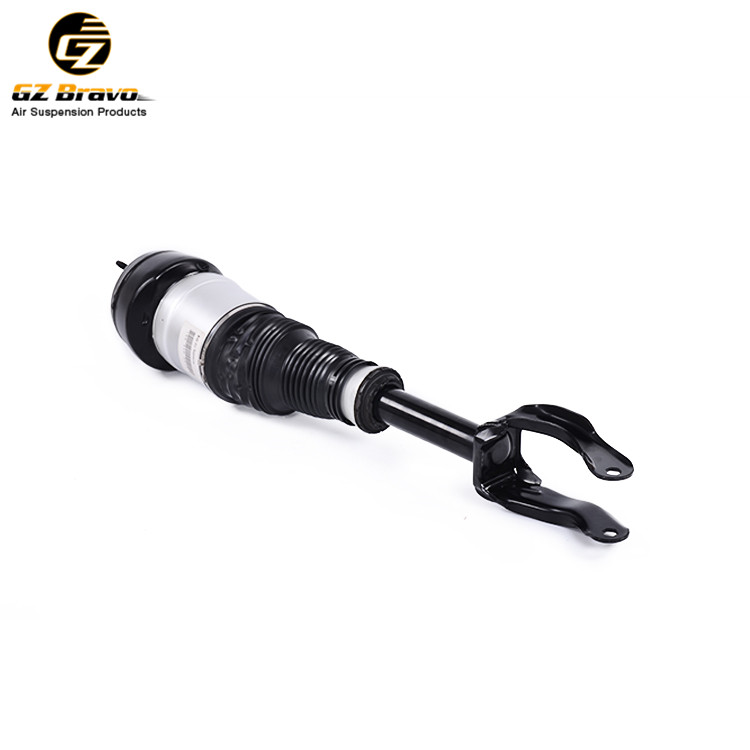
Adaptive suspension systems represent a fundamental shift in how vehicles manage ride quality, handling dynamics, and passenger comfort. Modern adaptive suspension systems use sophisticated electronic controls to continuously monitor road conditions and vehicle behavior, adjusting suspension stiffness and damping in real time. These adaptive suspension systems have become essential in luxury vehicles, performance cars, and commercial applications where precision handling and consistent comfort are critical. Understanding the technologies that power adaptive suspension systems reveals how contemporary vehicles achieve the balance between responsive handling and smooth, controlled rides across diverse driving conditions.

The core purpose of adaptive suspension systems is to deliver dynamic adjustment without requiring driver intervention or manual mode selection. Real-time control in adaptive suspension systems depends on a coordinated network of sensors, processors, and actuators working in millisecond intervals. This integration creates adaptive suspension systems that respond instantaneously to changes in road surface, vehicle load, steering input, and acceleration forces. The result is a suspension platform that maintains optimal performance across highway cruising, sharp cornering, rough terrain, and emergency maneuvers, all while preserving passenger comfort and vehicle stability.
Sensor and Data Acquisition Technology
Real-Time Measurement Systems
Adaptive suspension systems depend entirely on accurate, continuous data collection from multiple sensor points across the vehicle. Accelerometers mounted on the chassis measure vertical, lateral, and longitudinal movements in real time, feeding the control unit information about road impacts and vehicle dynamics. Suspension travel sensors track the position and velocity of each wheel, allowing adaptive suspension systems to detect whether wheels are compressing or extending. Steering angle sensors and wheel speed sensors provide additional context about driver intent and tire grip conditions, enabling adaptive suspension systems to anticipate suspension adjustments before dynamic events fully develop.
The sophistication of adaptive suspension systems lies in how quickly and accurately these sensors communicate with the central control module. Modern adaptive suspension systems sample sensor data hundreds of times per second, creating a detailed picture of vehicle behavior that would be impossible to achieve with slower sampling rates. This high-frequency data acquisition ensures that adaptive suspension systems can detect subtle road irregularities, such as small potholes or surface texture changes, long before they would cause noticeable vertical motion in traditional suspension designs.
Sensor Precision and Reliability
The effectiveness of adaptive suspension systems is directly proportional to sensor accuracy and reliability. Pressure sensors in hydraulic and pneumatic circuits ensure that adaptive suspension systems maintain correct fluid pressure across all operating conditions. Inertial measurement units integrated into the control unit allow adaptive suspension systems to monitor vehicle attitude and predict suspension load changes. Redundancy is built into quality adaptive suspension systems, with multiple sensors feeding the same information to the control unit so that system reliability remains high even if a single sensor develops a fault.
Electronic Control Algorithms and Processing
Real-Time Decision Making
At the heart of every adaptive suspension systems installation is a sophisticated electronic control unit running complex algorithms that process sensor inputs and determine optimal suspension responses. These algorithms in adaptive suspension systems use predictive modeling to anticipate how the vehicle will move based on current steering angle, road speed, and acceleration. Rather than simply reacting to suspension movement after it occurs, modern adaptive suspension systems proactively adjust damping and spring stiffness to prevent unwanted motion before it develops. This predictive capability is what distinguishes adaptive suspension systems from simpler, reactive suspension designs that only respond after detecting change.
The control algorithms running within adaptive suspension systems must balance competing demands for comfort and performance. When driving over rough roads, adaptive suspension systems must prioritize vertical compliance to minimize jolts transmitted to the cabin. During aggressive cornering, those same adaptive suspension systems shift priority toward lateral stiffness to control body roll and maintain tire contact with the road. The seamless transition between these modes demonstrates the sophisticated tuning found in high-quality adaptive suspension systems, where the vehicle feels responsive without feeling harsh or unstable.
Artificial Intelligence and Machine Learning
Contemporary adaptive suspension systems increasingly incorporate machine learning algorithms that learn and adapt based on actual driving patterns and road characteristics. Rather than using fixed tuning maps, advanced adaptive suspension systems can analyze trip data and gradually optimize suspension parameters for specific road conditions that the vehicle encounters regularly. This evolving intelligence means adaptive suspension systems become more effective over time as they gather more operational data. Some premium adaptive suspension systems now use predictive artificial intelligence that looks ahead using GPS map data, allowing adaptive suspension systems to begin adjusting suspension parameters before the vehicle encounters known rough sections of road.
Actuator and Adjustment Technologies
Electromagnetic Damper Control
Electromagnetic dampers represent the most common actuator technology used in modern adaptive suspension systems. These dampers contain small electrical solenoids that vary the oil flow through internal passages, allowing adaptive suspension systems to adjust damping force without any mechanical adjustment or latency. The response time of electromagnetic dampers in adaptive suspension systems is typically less than fifty milliseconds, enabling adaptive suspension systems to adapt to changing road conditions faster than a driver could manually adjust traditional suspension controls. The precision of electromagnetic dampers means adaptive suspension systems can achieve independent left and right adjustments, improving vehicle handling balance during asymmetrical maneuvers or uneven road surfaces.
The electrical architecture supporting electromagnetic actuators in adaptive suspension systems must handle rapid switching and precise current control. High-power transistor arrays in the control module energize the solenoids millions of times during a typical day of driving, creating a nearly infinite range of damping adjustments that adaptive suspension systems can utilize. This continuous adjustment capability gives adaptive suspension systems the ability to maintain optimal suspension performance across the full spectrum of driving conditions without requiring driver input or mode selection.
Pneumatic and Hydraulic Adjusters
Many premium adaptive suspension systems use pneumatic spring stiffness adjustment, where compressed air chambers are integrated into suspension components. The control unit manages solenoid valves that meter air pressure into or out of these chambers, allowing adaptive suspension systems to change spring rate in real time. Hydraulic systems used in some adaptive suspension systems offer similar benefits, with proportional control valves replacing fixed orifices, enabling adaptive suspension systems to adjust flow and pressure continuously. These systems provide adaptive suspension systems with independent control of spring and damping characteristics, delivering superior performance compared to single-variable adjustment strategies.
The advantage of pneumatic and hydraulic systems in adaptive suspension systems is their ability to vary both stiffness and load-carrying capacity simultaneously. This dual-function adjustment means adaptive suspension systems can raise ride height when the vehicle carries heavy cargo, then lower the vehicle to reduce aerodynamic drag during highway driving. Adaptive suspension systems employing these technologies can also distribute suspension compliance differently between front and rear wheels, allowing adaptive suspension systems to optimize handling balance and comfort independently at each corner.
FAQ
How do adaptive suspension systems decide between comfort and performance modes?
Adaptive suspension systems do not rely on discrete modes that drivers select manually. Instead, sophisticated algorithms continuously analyze sensor data and automatically adjust suspension parameters in real time to deliver optimal performance for current driving conditions. Adaptive suspension systems measure vehicle speed, steering input, lateral acceleration, and road surface texture, then instantly adjust damping and spring characteristics to match the driving situation. This continuous, seamless adaptation means adaptive suspension systems can feel comfortable during gentle highway cruising and capable during aggressive cornering, often within the same journey, without requiring driver intervention.
What is the typical response time of adaptive suspension systems to road changes?
Modern adaptive suspension systems respond to road changes in milliseconds, with electromagnetic damper adjustments occurring in under fifty milliseconds and pneumatic adjusters responding in less than one hundred milliseconds. Adaptive suspension systems sample sensor data hundreds of times per second, allowing control algorithms to detect road irregularities and initiate suspension adjustments before significant vertical motion develops. This rapid response capability is what makes adaptive suspension systems feel so much more controlled than traditional passive suspensions, as adaptive suspension systems suppress unwanted oscillations before they fully develop and reach the vehicle cabin.
Can adaptive suspension systems improve fuel efficiency and safety simultaneously?
Yes, adaptive suspension systems can optimize both efficiency and safety through intelligent real-time adjustment. When driving at steady highway speeds, adaptive suspension systems can reduce damping and stiffness to minimize tire friction and improve fuel economy. During braking or acceleration, adaptive suspension systems increase stiffness to prevent load transfer that would reduce traction and compromise braking performance. Adaptive suspension systems can also lower the vehicle during highway driving to reduce aerodynamic drag, then raise it for rough terrain or parking, demonstrating how adaptive suspension systems manage competing priorities through continuous dynamic optimization.