
 EN


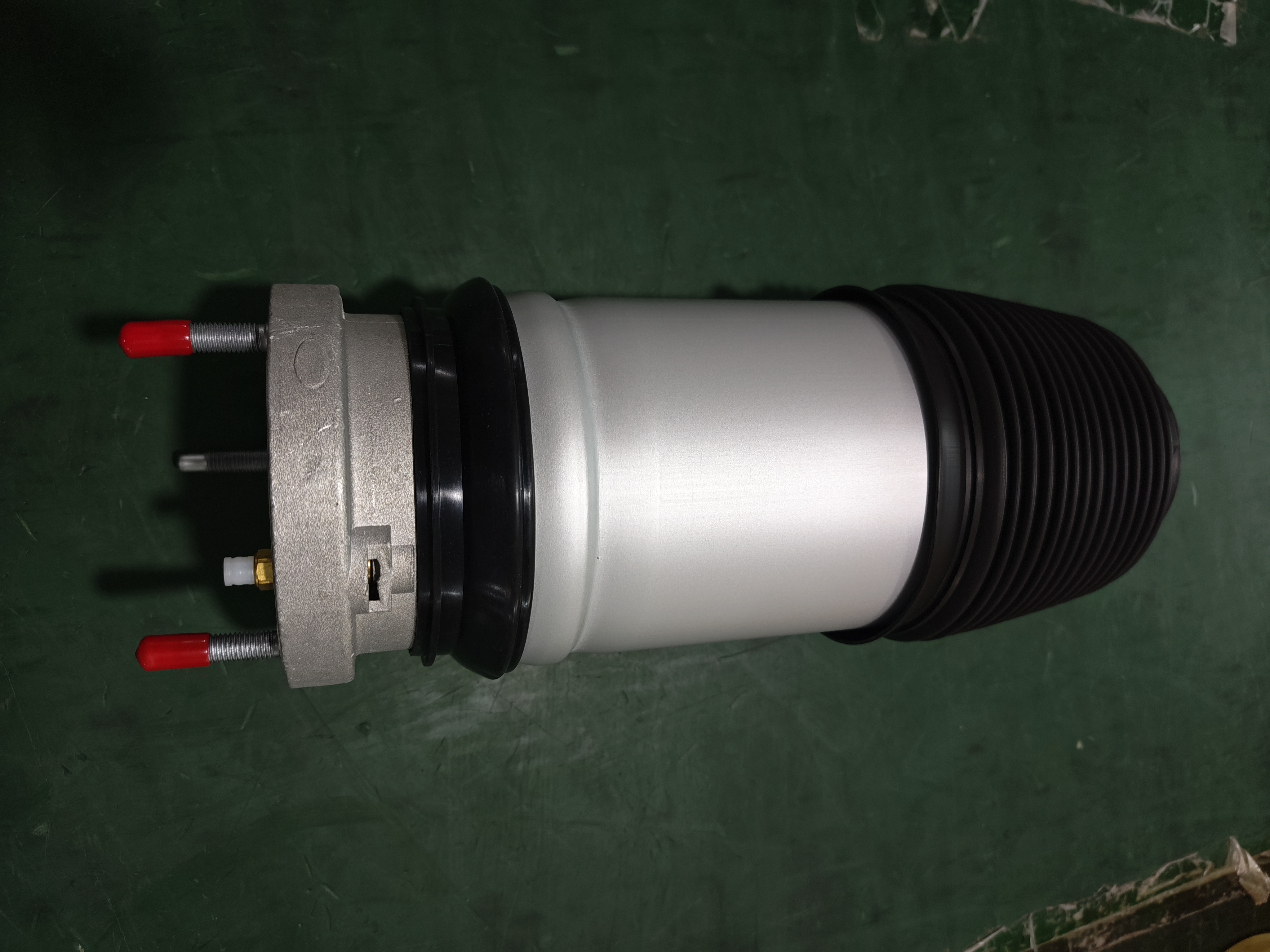
Fleet operators face constant pressure to improve operational efficiency while maintaining vehicle reliability and safety standards. One of the most significant technological investments driving this transformation is the adoption of air spring systems across transportation fleets. Modern fleet managers increasingly recognize that air spring systems deliver measurable improvements in ride quality, fuel consumption, component longevity, and overall operational performance. This shift represents a fundamental change in how the transportation industry approaches vehicle maintenance and efficiency optimization.

Understanding why air spring systems have become industry standard requires examining the concrete operational benefits they provide. Fleet operators who have transitioned to air spring systems report substantial reductions in maintenance costs, improved payload handling, and enhanced driver comfort that directly impacts retention rates. The economics of fleet operation demand solutions that deliver both immediate performance gains and long-term cost savings, making air spring systems a strategically important investment for transportation companies of all sizes.
Operational Performance Advantages of Air Spring Systems
Fuel Efficiency and Load Optimization
Air spring systems enable fleet operators to achieve superior fuel economy compared to traditional coil or leaf spring suspension designs. The adaptive nature of air spring systems allows vehicles to maintain optimal suspension height regardless of payload weight, reducing aerodynamic drag and rolling resistance. When air spring systems automatically adjust to load conditions, the vehicle maintains a consistent ride height, preventing the sagging that occurs with conventional springs and the accompanying increase in fuel consumption. Fleet operators managing mixed cargo loads benefit significantly from air spring systems because the suspension automatically optimizes for each unique weight distribution, translating directly to measurable fuel savings across the entire fleet.
Ride Quality and Cargo Protection
The smooth, controlled ride provided by air spring systems protects cargo from damage during transit while reducing vibration that can compromise sensitive equipment. Air spring systems isolate the vehicle chassis from road irregularities far more effectively than mechanical springs, preventing the harsh impacts and jarring movements that can damage freight. For fleet operators transporting time-sensitive or fragile materials, air spring systems represent a significant competitive advantage because goods arrive in better condition with reduced handling damage. The superior damping characteristics of air spring systems also mean reduced stress on cargo securing systems, lowering the total cost of logistics operations.
Maintenance Efficiency and Component Longevity
Extended Service Life and Reduced Downtime
Air spring systems significantly extend the operational life of critical drivetrain and chassis components by reducing shock loading and vibration transmitted through the vehicle structure. When suspension components experience less severe impact forces, they naturally last longer, reducing the frequency of expensive repairs and unexpected downtime. Fleet operators investing in air spring systems benefit from predictable maintenance schedules because the systems degrade more gradually than mechanical springs, allowing for planned service rather than emergency repairs. The reliability advantage of air spring systems is particularly important for regional and long-haul operations where unexpected breakdowns result in substantial revenue loss and customer dissatisfaction.
Maintenance Cost Reduction
The lower maintenance burden associated with air spring systems directly improves fleet profitability by reducing both scheduled and unscheduled service expenses. Air spring systems require fewer moving mechanical components compared to traditional leaf spring assemblies, which means fewer parts fail and fewer adjustments are necessary over the vehicle's service life. Fleet operators report that the total cost of ownership for vehicles equipped with air spring systems is substantially lower than mechanical suspension alternatives when calculated over a five to seven year operational window. Advanced air spring systems also provide diagnostic capabilities that alert maintenance personnel to developing issues before they become critical failures, enabling proactive rather than reactive maintenance scheduling.
Operational Safety and Payload Flexibility
Load-Adaptive Suspension Control
Air spring systems automatically adjust suspension stiffness and height based on vehicle load, maintaining optimal handling characteristics across the full range of possible cargo weights. This load-adaptive capability of air spring systems prevents the unsafe ride height changes that occur with fixed mechanical springs, reducing rollover risk and improving tire contact consistency. Fleet operators using air spring systems can confidently operate at maximum payload capacity because the suspension maintains appropriate geometry regardless of weight distribution. The precise control offered by air spring systems means vehicles maintain consistent braking performance, steering response, and stability regardless of whether they are traveling empty or fully loaded.
Driver Comfort and Retention
The enhanced comfort provided by air spring systems directly impacts driver satisfaction, fatigue levels, and retention rates within transportation companies. Long-haul drivers operating vehicles equipped with air spring systems experience significantly reduced physical stress from vibration and harsh road impacts, improving health outcomes and job satisfaction. Fleet operators struggling with driver recruitment and retention recognize that air spring systems contribute to competitive advantages in compensation packages by reducing occupational strain associated with commercial driving. This connection between vehicle comfort and employee retention makes air spring systems an investment in workforce stability and operational consistency.
Strategic Fleet Decision-Making and Competitive Advantage
Return on Investment Timeline
Fleet operators evaluating air spring systems investment recognize that the higher initial acquisition cost is offset relatively quickly through fuel savings, reduced maintenance, and decreased downtime. The typical payback period for air spring systems varies between two to three years depending on utilization patterns and fuel price volatility. For fleet operators managing large vehicle counts, the aggregate fuel savings alone from air spring systems can justify equipment replacement cycles, making air spring systems economically rational business decisions. The improved resale value of commercial vehicles equipped with air spring systems also contributes to positive return on investment calculations.
Competitive Market Positioning
Transportation companies equipped with air spring systems can offer superior service quality through more reliable vehicle availability and better cargo condition protection. In competitive freight markets, air spring systems enable fleet operators to differentiate service offerings based on reliability and cargo safety capabilities. Fleet operators adopting air spring systems position themselves to serve industries with strict delivery requirements and cargo protection standards, accessing market segments that pay premium rates for consistent performance. The operational excellence enabled by air spring systems translates directly into improved contract negotiation positions and customer retention within transportation markets.
FAQ
What types of vehicles benefit most from air spring systems?
Air spring systems provide the greatest benefits for commercial vehicles operating under variable load conditions, including delivery trucks, long-haul freight carriers, and regional distribution vehicles. Medium-duty and heavy-duty trucks experience the most significant fuel efficiency improvements and maintenance savings from air spring systems. Vehicles with high utilization rates maximize the return on investment in air spring systems because operating cost reductions accumulate faster with greater annual mileage.
How much fuel savings can fleet operators expect from air spring systems?
Fleet operators typically achieve fuel consumption reductions between 3% to 7% after implementing air spring systems across vehicle fleets. The magnitude of fuel savings depends on driving patterns, vehicle load factors, route topography, and the baseline suspension condition before air spring systems installation. Some fleet operators report even higher savings when air spring systems are combined with other efficiency technologies and careful route optimization practices. Conservative financial projections for air spring systems implementation typically assume 4% to 5% fuel savings for calculation purposes.
Are air spring systems compatible with existing fleet management systems?
Modern air spring systems integrate seamlessly with contemporary fleet management and telematics platforms, providing real-time diagnostic data and performance monitoring. Air spring systems equipped with electronic sensors can communicate suspension status, pressure data, and wear indicators directly to fleet management software. Retrofit air spring systems are available for existing vehicle platforms, enabling gradual fleet transitions without requiring complete vehicle replacement. Integration of air spring systems with existing systems enhances predictive maintenance capabilities and operational visibility.