
 EN


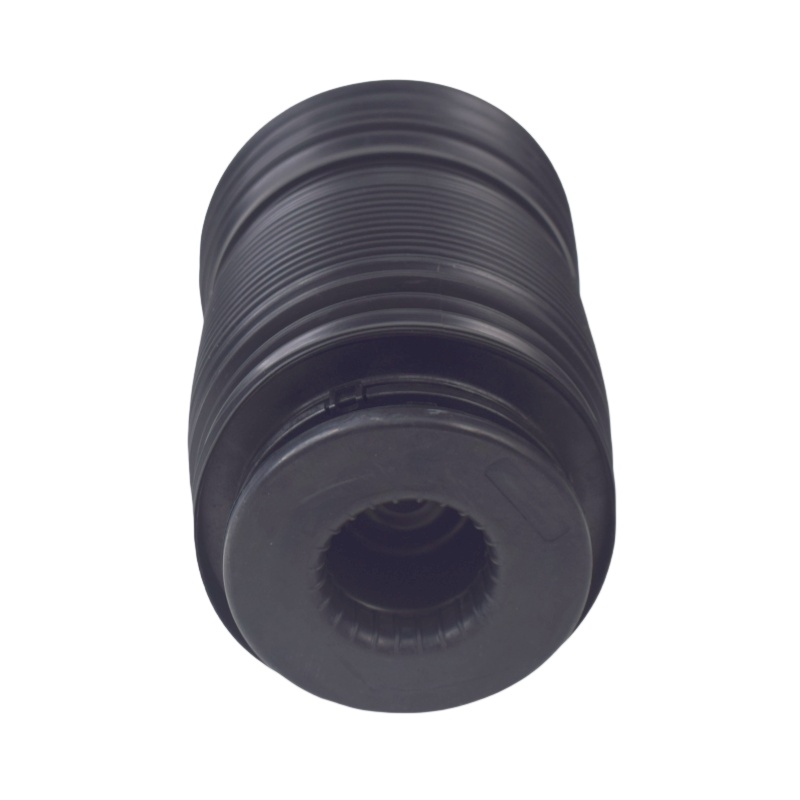
Vehicle suspension systems play an important role in ride comfort, road handling, and component protection. Air spring vibration reduction is one of the key benefits of automotive air suspension, which uses compressed air to support vehicle weight and respond to changes in road conditions. By working together with shock absorbers and other suspension components, air springs help manage suspension movement and maintain the intended ride height.
Understanding how air suspension works is useful for automotive repair businesses, replacement parts distributors, and vehicle owners. Different components perform different functions, and choosing the correct replacement part requires attention to vehicle application, component specifications, and system compatibility. This guide explains the working principles of air springs, the factors that influence vibration control, common suspension problems, and important considerations when sourcing replacement air suspension parts.

How Air Spring Vibration Reduction Works
The Function of Compressed Air
An air spring contains compressed air within a flexible, reinforced chamber that supports part of the vehicle's weight. When a wheel encounters an uneven road surface, the air spring compresses and expands as the suspension moves. This response allows the suspension to accommodate road irregularities while continuing to support the vehicle body.
The pressure and volume of the air inside the spring influence its spring rate and response characteristics. These characteristics affect how forces are transmitted through the suspension. Compared with a conventional spring arrangement, an appropriately designed air suspension system can offer greater flexibility in adjusting spring characteristics to suit different operating conditions.
However, air spring vibration reduction does not depend on the air spring alone. Suspension geometry, vehicle weight, tire characteristics, damping performance, and operating pressure all influence the final result. Evaluating the complete suspension system provides a more accurate understanding of ride comfort than considering a single component in isolation.
The Difference Between Air Springs and Shock Absorbers
Air springs and shock absorbers perform complementary but distinct functions. The air spring provides elastic support and helps maintain the intended ride height. The shock absorber controls suspension movement by dissipating energy, reducing excessive bouncing and repeated oscillation after the wheels encounter road disturbances.
When both components operate correctly, the suspension can respond to uneven surfaces while controlling unwanted body movement. A worn shock absorber may cause excessive bouncing even when the air spring remains functional. Similarly, a leaking air spring can affect ride height and suspension performance even if the shock absorber is still in serviceable condition.
This distinction is important when diagnosing suspension problems. Replacing the correct component can help restore system performance, while replacing an unrelated part may leave the original problem unresolved. For repair shops and parts distributors, understanding component functions is an important step in selecting suitable replacement products.
Factors That Influence Air Suspension Performance
Vehicle Load and Operating Pressure
Vehicle load affects the operating conditions of an air suspension system. Changes in passenger numbers or cargo weight can influence the pressure required to support the vehicle. Depending on the system design, electronic controls may adjust air pressure to maintain the specified ride height within the system's operating range.
Incorrect pressure, air leakage, a faulty height sensor, or a malfunctioning control component can interfere with normal operation. If a vehicle sits lower than expected or experiences uneven ride height, the cause may involve several interconnected parts rather than the air spring alone.
When troubleshooting these symptoms, technicians should consider the condition of the air springs, compressor, valve block, air lines, sensors, and electrical connections. A systematic inspection helps identify the underlying fault before replacement components are ordered.
Road Conditions and Suspension Design
Different road surfaces create different types of suspension input. Small surface irregularities, potholes, and repeated undulations can affect the suspension in different ways. Ride comfort depends on how the air spring responds to these inputs and how effectively the shock absorber controls subsequent movement.
Suspension characteristics also vary according to vehicle design and intended application. Components developed for one vehicle configuration may not provide the correct fit or operating characteristics for another. For this reason, replacement air springs and air suspension shock absorbers should be selected according to the specified application rather than appearance alone.
Component Condition and System Integrity
Air suspension components are exposed to repeated movement, pressure changes, temperature variations, and environmental contamination. Over time, rubber bellows may develop cracks, seals may deteriorate, and air lines or fittings may begin to leak. Compressors and valve blocks can also experience performance problems that affect the system's ability to maintain the correct ride height.
Common warning signs include uneven vehicle height, suspension sagging after parking, unusual noises, frequent compressor operation, and changes in ride comfort. These symptoms can have different causes, so they should be treated as diagnostic clues rather than proof that a particular component has failed.
Regular inspections and timely repairs help identify wear before it causes additional suspension problems. Maintaining the condition of individual components also helps preserve the performance of the complete air suspension system.
Key Benefits of a Properly Functioning Air Suspension System
Ride Comfort and Controlled Suspension Movement
One of the main advantages of automotive air suspension is its ability to provide elastic support while accommodating changes in load and road conditions. When the air springs and shock absorbers are correctly matched and functioning properly, the system can help reduce unwanted body movement and improve the driving experience.
The actual result depends on the original suspension design, component condition, road surface, and driving conditions. Air suspension does not eliminate every vibration or road impact. Instead, it provides a suspension arrangement designed to manage road inputs within the vehicle's intended operating range.
Ride Height Control
Many automotive air suspension systems use sensors and electronic controls to monitor ride height. When the system detects a change outside its intended range, it can adjust air pressure according to the vehicle's control strategy.
Maintaining the specified ride height supports the intended suspension geometry and helps the system operate as designed. If a vehicle leans to one side or remains too low, the issue may involve an air leak, a height sensor, a valve malfunction, or another system fault.
Correct diagnosis is particularly important when replacing electronic or pneumatic components. A replacement part must meet the vehicle's specifications and work with the existing suspension configuration.
Support for Suspension Component Longevity
Suspension components operate as an interconnected system. An air spring provides support, a shock absorber controls movement, and the compressor and valve block manage air delivery and distribution. Problems in one area can affect the operation of the others.
Replacing worn components with suitable parts and following the recommended maintenance procedures can help maintain normal suspension performance. For automotive repair businesses, accurate fault diagnosis and correct part selection can also reduce unnecessary replacement work and improve repair efficiency.
Common Air Suspension Problems and Their Causes
Air Spring Leakage
An air spring leak can prevent the suspension from maintaining the required pressure and ride height. Visible cracking, deterioration of the flexible bellows, or leakage around connections may indicate a problem that requires further inspection.
When leakage is suspected, technicians should inspect the relevant air spring, fittings, and connecting lines. The exact cause should be confirmed before ordering a replacement air spring or repair component.
Compressor Problems
The air suspension compressor supplies pressurized air to the system. If the compressor cannot maintain the required pressure, the vehicle may experience slow height adjustment or persistent suspension warnings.
However, repeated compressor operation does not necessarily mean the compressor itself has failed. Air leaks, valve problems, and incorrect sensor signals can also increase compressor demand. Diagnosing the entire system can help prevent unnecessary component replacement.
Valve Block and Height Sensor Faults
The valve block directs air to the relevant parts of the suspension system, while height sensors provide information used by the control system. A fault in either component may cause uneven ride height, incorrect pressure distribution, or abnormal suspension adjustment.
Electrical diagnosis, pressure checks, and inspection of pneumatic connections may be required to identify the cause. Following the vehicle manufacturer's diagnostic procedures helps technicians distinguish between sensor, valve, compressor, and air spring problems.
Worn Air Suspension Shock Absorbers
Worn shock absorbers may allow excessive suspension movement, repeated bouncing, or reduced control over body motion. These symptoms can occur even when the air spring maintains normal pressure.
During an inspection, technicians should evaluate the shock absorber alongside the air spring and other suspension components. If the vehicle uses an integrated air strut assembly, the correct replacement procedure will depend on the assembly design and vehicle specifications.
How to Select Replacement Air Suspension Parts
Confirm Vehicle Application and Part Numbers
Compatibility is one of the most important considerations when purchasing replacement air suspension parts. Differences in production year, vehicle configuration, installation position, suspension options, and mounting design can affect whether a component is suitable for a particular application.
Before placing an order, buyers should confirm the vehicle make, model, production year, installation position, and original equipment part number where available. Cross-referencing part numbers can help narrow down the available options, but final compatibility should be confirmed against the supplier's product specifications.
Visual similarity alone is not sufficient to establish compatibility. Two air springs or shock absorbers may appear similar while differing in mounting points, dimensions, pressure characteristics, or electronic requirements.
Evaluate Product Specifications and Quality Control
Air suspension components must withstand repeated loading and changing operating conditions. Product evaluation should therefore consider material construction, dimensional accuracy, sealing performance, connection design, and consistency with the intended application.
Depending on the product and its design, relevant quality procedures may include leakage testing, pressure or burst testing, and vibration testing. Buyers should confirm which procedures apply to the specific component and request appropriate product documentation when evaluating a supplier.
Clear product specifications and consistent inspection procedures help purchasing teams compare products and establish suitable quality requirements. They are especially relevant for distributors and importers managing multiple product types and replacement applications.
Consider Inventory and Manufacturing Capabilities
For automotive parts distributors, importers, and repair networks, sourcing decisions involve more than the specifications of a single component. Product range, part-number coverage, inventory availability, lead times, and manufacturing capabilities can all affect purchasing efficiency.
Suppliers offering a broad range of air suspension shocks, air springs, compressors, valve blocks, and repair kits may help buyers consolidate sourcing across related product categories. Buyers should verify actual stock availability, order quantities, delivery arrangements, and product application details before confirming an order.
OEM and ODM services may also be suitable for businesses requiring products manufactured to specified designs or developed from supplied samples. Before beginning a project, buyers should clarify technical drawings, material requirements, sample approval, testing criteria, production quantities, and acceptance standards with the manufacturer.
Maintenance Practices for Air Suspension Systems
Inspect Air Springs and Connections
Air springs, air lines, and fittings should be checked for visible wear, cracking, damaged connections, and signs of leakage. If the vehicle loses ride height while parked or the compressor operates more frequently than expected, a system inspection may be necessary.
Because air suspension systems contain pressurized components and may use electronic controls, inspection and repair should follow the vehicle manufacturer's procedures. Appropriate diagnostic equipment may be needed to identify faults that cannot be confirmed through visual inspection alone.
Check Compressor and Valve Block Operation
The compressor and valve block work together to provide and distribute air within the suspension system. Problems with either component can affect pressure regulation and ride height adjustment.
When abnormal operation occurs, technicians should consider potential air leakage, electrical faults, valve malfunction, and sensor issues before concluding that the compressor requires replacement. Checking related components can help identify the underlying cause and avoid unnecessary repairs.
Follow Application-Specific Service Procedures
Inspection intervals and maintenance requirements vary by vehicle design, component specifications, mileage, and operating conditions. There is no single service interval that applies to every air suspension system.
After replacing an air spring, air suspension shock absorber, compressor, or related component, the repair may require fault-code checks, system testing, or ride height calibration. The necessary steps depend on the vehicle's design and should follow the applicable service instructions.
Conclusion
Air spring vibration reduction is part of the broader function of an automotive air suspension system. Air springs provide elastic support, shock absorbers control suspension movement, and pneumatic and electronic components help regulate system operation. Their combined condition and compatibility influence ride comfort, ride height, and suspension performance.
For automotive parts buyers, selecting suitable replacement components requires attention to vehicle application, part numbers, product specifications, and quality control. Inventory coverage, manufacturing capabilities, and OEM/ODM requirements are also important considerations for distributors and importers.
By understanding how the individual components work and verifying compatibility before ordering, buyers can make more informed sourcing decisions and help maintain the intended performance of automotive air suspension systems.
Frequently Asked Questions
How does an air spring help reduce vibration?
An air spring compresses and expands as the suspension responds to road irregularities. This provides elastic support between the wheel assembly and vehicle body. The shock absorber controls subsequent suspension movement, and the combined performance depends on the design and condition of the complete system.
What is the difference between an air spring and an air suspension shock absorber?
An air spring supports vehicle weight and helps maintain ride height through compressed air. An air suspension shock absorber controls suspension movement by dissipating energy. Some vehicles use integrated air strut assemblies, so buyers should verify the component design and replacement requirements for the intended application.
What causes an air suspension system to lose ride height?
Possible causes include an air spring leak, damaged air lines, loose connections, a faulty valve block, compressor problems, or malfunctioning ride height sensors. Proper diagnosis is necessary because similar symptoms can result from different component failures.
How can buyers check air spring compatibility?
Buyers should verify the vehicle make, model, production year, suspension configuration, installation position, and original equipment part number where available. Compatibility should then be confirmed against the supplier's product specifications before an order is placed.
What should distributors consider when choosing an air suspension parts supplier?
Important considerations include product application coverage, part-number availability, quality inspection procedures, inventory levels, manufacturing capabilities, and OEM/ODM requirements. Buyers should also confirm delivery arrangements and request relevant product documentation before purchasing.
Table of Contents
- How Air Spring Vibration Reduction Works
- Factors That Influence Air Suspension Performance
- Key Benefits of a Properly Functioning Air Suspension System
- Common Air Suspension Problems and Their Causes
- How to Select Replacement Air Suspension Parts
- Maintenance Practices for Air Suspension Systems
- Conclusion
-
Frequently Asked Questions
- How does an air spring help reduce vibration?
- What is the difference between an air spring and an air suspension shock absorber?
- What causes an air suspension system to lose ride height?
- How can buyers check air spring compatibility?
- What should distributors consider when choosing an air suspension parts supplier?