
 EN


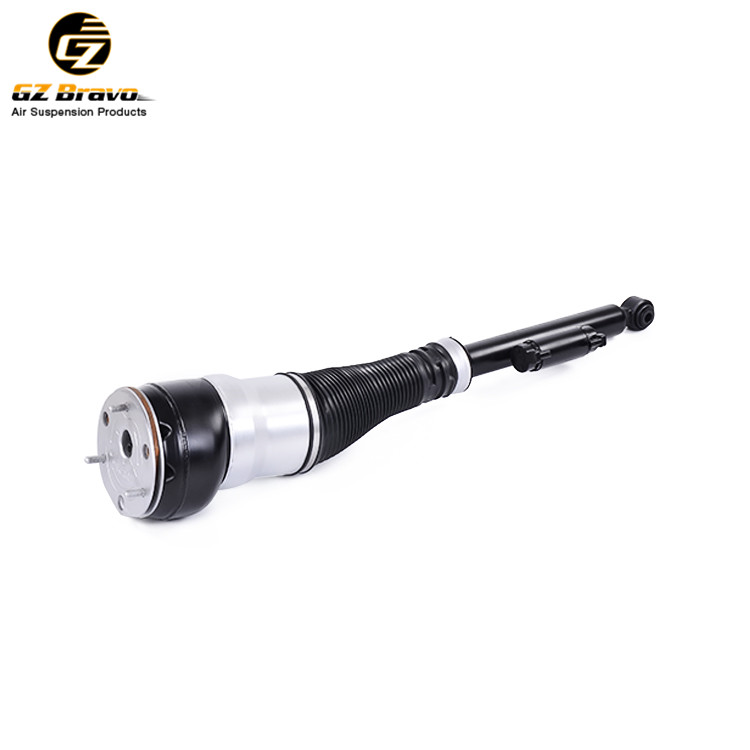
Airmatic suspension has become a hallmark of premium automotive engineering, offering luxury vehicle owners an unparalleled combination of comfort, performance, and adaptive handling characteristics. This advanced suspension technology utilizes compressed air instead of traditional coil springs to support vehicle weight and absorb road irregularities, making airmatic suspension an exceptional choice for enhancing ride quality in luxury vehicles. The system continuously adjusts to driving conditions, passenger load, and road surface characteristics, ensuring that airmatic suspension delivers a uniquely refined driving experience that distinguishes high-end vehicles from standard automobiles.

For manufacturers targeting the luxury segment, airmatic suspension represents a significant investment in ride quality and customer satisfaction. The technology's ability to maintain consistent comfort across diverse driving scenarios makes airmatic suspension particularly valuable for executive sedans, premium SUVs, and high-performance vehicles where passenger expectations demand excellence. Understanding the capabilities and benefits of airmatic suspension enables decision-makers to make informed choices about suspension architecture that directly impacts customer perception and market competitiveness.
How Airmatic Suspension Enhances Ride Comfort
Adaptive Air Pressure Management
The core function of airmatic suspension lies in its ability to automatically regulate air pressure within suspension chambers based on real-time vehicle dynamics and road conditions. Airmatic suspension uses sophisticated pressure sensors and electronic control modules to continuously monitor wheel movement, body acceleration, and load distribution, then adjusts air pressure instantaneously to optimize comfort and handling. This dynamic responsiveness means that airmatic suspension adapts seamlessly whether navigating smooth highways, rough urban streets, or winding mountain roads, providing occupants with a consistently smooth experience regardless of road surface quality or driving intensity.
Load Leveling and Height Adjustment
One of the defining characteristics of premium airmatic suspension systems is their ability to maintain vehicle height regardless of passenger count or cargo load. Airmatic suspension automatically raises or lowers the vehicle to compensate for additional weight, ensuring that ride geometry remains optimized and the chassis maintains proper alignment with the ground. This load-leveling capability of airmatic suspension is particularly important for luxury vehicles where maintaining precise suspension geometry translates directly to superior handling, tire wear evenness, and consistent ride quality even when fully loaded.
Performance Benefits of Airmatic Suspension Technology
Superior Isolation from Road Disturbances
Airmatic suspension excels at isolating vehicle occupants from vibrations and impacts that would otherwise transmit through mechanical suspension components to the cabin. The air chambers within airmatic suspension systems act as natural dampers, progressively absorbing impact energy across the suspension stroke rather than transferring harsh jolts directly to the vehicle frame. For luxury vehicle applications, this isolation quality of airmatic suspension creates a serene, cabin environment that enhances perceived quality and justifies premium pricing in competitive markets where ride refinement is a key purchasing factor.
Improved Handling and Cornering Stability
Beyond comfort, airmatic suspension delivers measurable handling improvements by actively controlling body roll during cornering and maintaining consistent ride height during acceleration and braking. The electronic control systems managing airmatic suspension can stiffen air chambers during spirited driving while maintaining softness on straight roads, providing drivers with responsive handling without sacrificing daily comfort. This versatility of airmatic suspension makes it ideal for luxury vehicles that must perform both as relaxing daily transportation and capable performers when drivers demand athletic driving dynamics.
Suitability Assessment for Luxury Vehicle Applications
Premium Market Positioning
Airmatic suspension is exceptionally well-suited for luxury vehicle ride comfort enhancement because it directly addresses the core expectations of affluent buyers who prioritize refinement and technology sophistication. Vehicles equipped with airmatic suspension command premium prices in secondary markets, indicating strong buyer perception of added value and desirability. The presence of airmatic suspension on a vehicle's specification sheet signals advanced engineering and commitment to customer comfort, making airmatic suspension a powerful differentiator in luxury segments where brand reputation and technological innovation strongly influence purchase decisions.
Long-Term Reliability and Maintenance Considerations
While airmatic suspension offers substantial comfort advantages, luxury vehicle owners should understand that airmatic suspension systems involve more complex components than conventional springs and dampers. Maintenance of airmatic suspension requires specialized diagnostic equipment and technical expertise, and air compressor components require periodic inspection to ensure proper system function. However, modern airmatic suspension systems demonstrate excellent long-term reliability when properly serviced, with many luxury vehicles maintaining original airmatic suspension components for over 100,000 miles with minimal issues, making airmatic suspension a sound long-term investment for demanding applications.
FAQ
Can airmatic suspension be retrofitted to vehicles not originally equipped with this technology?
Retrofitting airmatic suspension is technically possible but typically impractical for existing vehicles due to the extensive engineering modifications required. Airmatic suspension systems integrate deeply with vehicle suspension geometry, brake systems, and electronic control architectures, requiring comprehensive redesign of suspension mounting points and control software. Most vehicle manufacturers do not offer airmatic suspension retrofit kits because the complexity and cost would exceed the value proposition for existing vehicles, though specialized shops in some markets may provide custom airmatic suspension conversions for high-value classics or bespoke builds.
How does airmatic suspension compare to magnetic suspension systems in luxury applications?
Both airmatic suspension and magnetic suspension represent premium suspension technologies, each with distinct advantages for luxury vehicles. Airmatic suspension excels in providing smooth, comfortable isolation and load leveling at lower cost, while magnetic suspension offers faster response times and more sophisticated electronic tuning capabilities. For ride comfort specifically, airmatic suspension generally delivers superior comfort on rough surfaces because air provides more compliant cushioning, whereas magnetic suspension better suits performance-oriented luxury vehicles prioritizing handling over ultimate comfort smoothness.
What is the expected lifespan of airmatic suspension components in luxury vehicles?
Quality airmatic suspension systems typically remain functional for 80,000 to 150,000 miles with proper maintenance, with some premium installations exceeding these intervals. Air springs themselves often outlast original compressors and electronic control modules, which may require replacement after 80,000 to 100,000 miles depending on climate and driving conditions. Regular fluid changes, air filter maintenance, and prompt repair of minor leaks significantly extend airmatic suspension system lifespan, making preventive maintenance essential for maximizing the durability of this investment in luxury vehicle ride quality enhancement.