
 EN


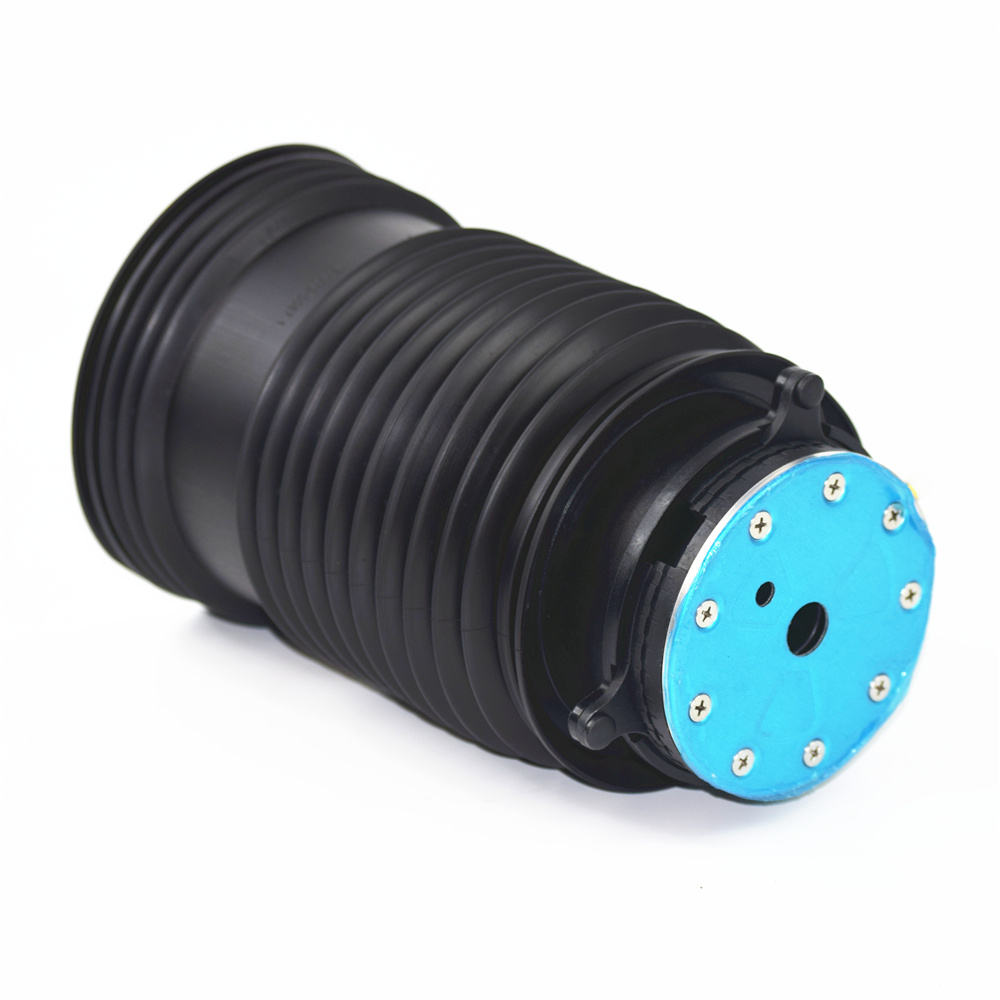
Air spring durability is a critical performance metric in modern suspension systems, automotive engineering, and industrial applications. The choice of materials used during air spring manufacturing directly influences how long these components withstand pressure cycles, temperature variations, and mechanical stress. Understanding which materials improve air spring durability helps manufacturers, engineers, and procurement teams make informed decisions that reduce maintenance costs, extend component lifespan, and enhance overall system reliability. This guide explores the specific materials that have proven most effective at enhancing air spring durability across manufacturing processes.

The manufacturing process for air springs involves layering elastomers, textiles, and metal components into a reinforced structure. Each material selection contributes to overall air spring durability through specific mechanical and chemical properties. Premium elastomer compounds, specialized reinforcement fabrics, and protective coatings work together to resist degradation, maintain structural integrity under repeated compression cycles, and protect against environmental hazards. Selecting the right combination of materials ensures that air spring durability meets or exceeds industry standards and customer expectations.
Premium Elastomer Compounds for Enhanced Air Spring Durability
Natural and Synthetic Rubber Selection
Natural rubber and synthetic elastomers form the foundation of air spring construction. High-grade natural rubber provides exceptional flexibility and resilience, while advanced synthetic compounds like nitrile rubber, neoprene, and EPDM offer superior resistance to ozone, heat, and chemical exposure. The choice between these elastomers directly affects air spring durability during manufacturing and throughout the component's operational life. Synthetic formulations with reinforced molecular structures demonstrate enhanced air spring durability by resisting premature cracking, degradation, and loss of elasticity under extreme conditions.
Additives and Compound Fortification
Modern manufacturing processes incorporate proprietary additives into elastomer compounds to boost air spring durability. Antioxidants prevent oxidative degradation, while UV stabilizers protect against sunlight exposure and environmental weathering. Carbon black reinforcement and silica fillers enhance structural strength and rigidity without compromising flexibility. These additives extend air spring durability by addressing specific failure modes including ozone cracking, thermal degradation, and loss of resilience over extended operational periods. Premium compound formulations used in high-performance air spring manufacturing can improve component lifespan by 30 to 50 percent compared to standard elastomers.
Reinforcement Textiles and Structural Materials
Fabric Layering Strategies
Air spring durability depends heavily on the textile reinforcement layers embedded within the elastomer matrix. Polyester, nylon, and aramid fabrics are commonly used to prevent radial expansion, resist internal pressure, and distribute mechanical loads evenly. Multi-layer fabric construction significantly improves air spring durability by creating a reinforced shell that resists puncture, abrasion, and fatigue stress. The weave density, thread count, and fabric orientation during manufacturing directly influence how effectively these materials contribute to overall air spring durability performance.
Metal Component Integration
Steel and aluminum components embedded within air spring structures provide critical structural support and enhance air spring durability. Top and bottom endcaps, piston rods, and valve connections require materials that resist corrosion while maintaining precise dimensional tolerances. Stainless steel offers exceptional corrosion resistance, extending air spring durability in environments exposed to salt spray, moisture, and chemical contaminants. Aluminum alloys provide lightweight alternatives when air spring durability requirements allow for reduced material density. Proper surface treatment of metal components through galvanizing, powder coating, or anodizing further extends air spring durability by preventing rust initiation and material degradation.
Protective Coatings and Surface Treatments
Elastomer Coating Systems
Advanced surface coatings protect elastomer components and dramatically improve air spring durability. Polyurethane coatings provide excellent abrasion resistance, protecting the air spring from mechanical wear during installation and operation. Chloroprene and other synthetic coatings resist ozone attack, a primary cause of premature air spring failure in outdoor and industrial environments. Specialized coating formulations enhance air spring durability by creating a protective barrier that shields the underlying elastomer from UV radiation, environmental pollutants, and thermal stress.
Adhesion Layers and Interface Protection
The adhesion between elastomer layers, fabric reinforcement, and metal components critically influences air spring durability. High-performance adhesives and bonding systems prevent delamination, a failure mode that rapidly reduces air spring durability and compromises functional performance. Manufacturers incorporate tie-gum layers and specialized bonding agents that maintain interfacial strength throughout repeated compression cycles and thermal fluctuations. Proper adhesion engineering ensures consistent air spring durability across entire production runs and extends component reliability over extended service periods.
FAQ
How do elastomer additives improve air spring durability?
Elastomer additives such as antioxidants, UV stabilizers, and reinforcing fillers work at the molecular level to prevent degradation mechanisms. Antioxidants intercept free radicals that cause chain scission in elastomer molecules, while UV stabilizers absorb harmful radiation. Carbon black and silica fillers increase structural stiffness and load-bearing capacity. Together, these additives significantly extend air spring durability by addressing specific environmental and operational stress factors that would otherwise cause premature failure.
What role does fabric reinforcement play in air spring durability?
Fabric reinforcement layers provide tensile strength and prevent radial expansion under internal pressure, which are essential for maintaining air spring durability. Polyester and aramid fabrics distribute mechanical loads evenly across the elastomer matrix, reducing localized stress concentrations that could lead to puncture or tear initiation. Multi-layer configurations with optimized weave patterns enhance air spring durability by creating redundancy and improving resistance to fatigue cycling. Proper fabric orientation during manufacturing ensures that reinforcement fibers align with primary stress directions, maximizing air spring durability performance.
Why is surface coating critical for air spring durability?
Surface coatings create a protective barrier between the elastomer and the external environment, directly improving air spring durability. Polyurethane and chloroprene coatings resist ozone attack, UV degradation, and chemical exposure that would otherwise penetrate and degrade the elastomer. These protective layers prevent premature cracking, discoloration, and loss of elasticity, which are common failure modes in uncoated components. Air spring durability specifications increasingly require high-performance coating systems as standard practice to meet customer expectations and regulatory compliance requirements.