
 EN


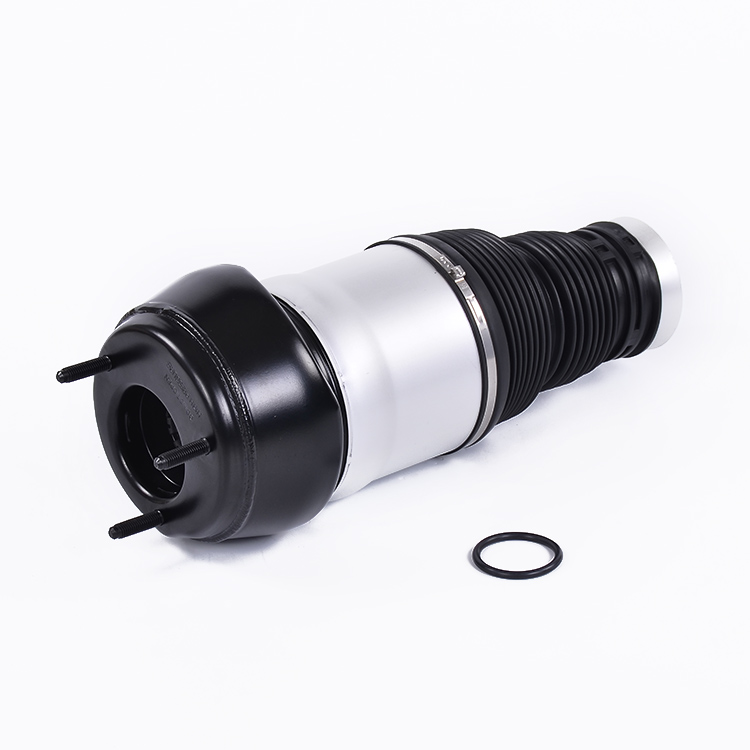
Airmatic suspension has revolutionized how modern vehicles handle varying loads and road conditions through intelligent automatic height adjustment. This advanced air suspension system continuously monitors vehicle load and automatically adjusts the suspension height to maintain optimal ride quality, stability, and performance regardless of cargo weight or passenger count. Understanding how airmatic suspension supports automatic height adjustment is essential for fleet managers, automotive technicians, and vehicle owners seeking to maximize suspension efficiency and extend component lifespan.

The seamless operation of airmatic suspension systems depends on precision engineering, real-time sensor feedback, and electronic control integration. When a vehicle equipped with airmatic suspension experiences changes in load distribution, the system responds instantly by adjusting air pressure within the suspension struts. This automatic compensation prevents the suspension from compressing excessively under heavy loads or extending unnecessarily when the vehicle is lightly loaded, ensuring consistent ground clearance and chassis attitude across all driving scenarios.
How Airmatic Suspension Achieves Automatic Height Adjustment
Real-Time Load Monitoring and Sensor Integration
Airmatic suspension relies on sophisticated sensor networks that continuously monitor vehicle dynamics and load conditions. Height sensors positioned at each wheel assembly measure the distance between the wheel hub and the chassis frame, providing instantaneous data about suspension compression and extension. Electronic control modules receive this information and cross-reference it with weight distribution data, accelerometer readings, and suspension pressure feedback. When airmatic suspension detects a deviation from the programmed target height, the system automatically adjusts air pressure to restore the vehicle to its optimal ride height within milliseconds.
Pressure Regulation and Electronic Control
The electronic control unit governing airmatic suspension operates continuously during vehicle operation, making real-time adjustments to maintain proper suspension geometry. Air compressors supply pressurized air to a central reservoir, which distributes controlled air flow through electronically managed solenoid valves. When airmatic suspension requires height adjustment, these valves modulate air pressure to individual suspension struts with precision timing. The system can increase or decrease air pressure within each strut independently, allowing airmatic suspension to compensate for uneven load distribution or sudden weight transfers during acceleration, braking, or cornering.
Load Compensation and Stability Benefits
Managing Weight Distribution and Preventing Bottoming Out
One of the primary advantages of airmatic suspension is its ability to prevent suspension bottoming when the vehicle carries heavy loads. Traditional coil spring suspensions lose their spring rate capability when compressed near their maximum travel, potentially causing the suspension to bottom out and creating unsafe handling conditions. Airmatic suspension maintains consistent ride height and spring rate regardless of load because air pressure increases as the suspension compresses, providing progressive spring characteristics. Whether the vehicle is lightly loaded or fully laden with cargo, airmatic suspension automatically adjusts height to keep the suspension working within its optimal operating range, protecting suspension components and ensuring predictable handling behavior.
Improving Ride Quality and Comfort Across Load Scenarios
Airmatic suspension provides superior ride comfort compared to passive suspension systems because it actively responds to changing load conditions. When passengers or cargo are added to the vehicle, airmatic suspension compensates by increasing air pressure proportionally, maintaining the original ride height and suspension compliance. This automatic adaptation means occupants experience consistent comfort whether the vehicle is empty or fully loaded, eliminating the harsh ride and excessive body roll associated with heavily laden vehicles on traditional suspensions. The continuous tuning capability of airmatic suspension allows the system to adapt to different road surfaces, driving speeds, and load conditions simultaneously.
Technical Implementation and Control Strategy
Integrated Electronic Control Systems
Modern airmatic suspension systems integrate multiple electronic control strategies to achieve reliable automatic height adjustment. The suspension control module communicates with other vehicle systems, including the engine control unit, transmission controller, and stability control system, to coordinate suspension adjustments with overall vehicle dynamics. When airmatic suspension detects anticipated load changes, such as heavy acceleration or emergency braking, it can proactively adjust pressure to optimize stability and traction. Advanced diagnostic capabilities allow technicians to monitor airmatic suspension performance in real-time, detecting pressure anomalies or sensor faults before they affect vehicle handling.
Adaptive Suspension Modes and Load Profiles
Many modern vehicles equipped with airmatic suspension offer multiple suspension modes that allow drivers to select height adjustment strategies based on driving conditions. The comfort mode prioritizes ride smoothness by using lower air pressure and increased compliance, ideal for highway driving or urban routes with variable loads. Sport mode increases suspension stiffness and lowers ride height for enhanced handling, while load-carrying mode automatically increases air pressure to maintain proper height under heavy cargo. Airmatic suspension systems with terrain response features can detect driving conditions and automatically switch modes, with height adjustment optimizing for each scenario from highway driving to low-speed off-road conditions.
Practical Advantages for Fleet and Commercial Applications
Extended Component Life and Reduced Maintenance Costs
Vehicles equipped with airmatic suspension experience significantly reduced wear on suspension bushings, ball joints, and shock absorber assemblies because the system maintains optimal suspension geometry regardless of load. When suspension components operate within their design envelope, as maintained by airmatic suspension automatic height adjustment, they last substantially longer than components in passive systems that experience extreme compression under heavy loads. Fleet operators benefit from lower maintenance costs and fewer warranty claims when vehicles use airmatic suspension, since the system prevents the harsh bottoming and extreme articulation that causes premature component failure.
Improved Safety and Handling Characteristics
Airmatic suspension enhances vehicle safety by maintaining consistent handling characteristics across all load conditions. The system prevents the front-end diving during braking and rear-end squatting during acceleration that occurs with conventional suspensions, preserving brake and steering response predictability. Headlight aim remains constant with airmatic suspension height adjustment, preventing unsafe downward beam deviation when vehicles are heavily loaded. Cargo remains secure because the vehicle maintains proper weight distribution balance, and trailer weight transfer is managed more effectively with consistent suspension geometry maintained by airmatic suspension.
FAQ
Does airmatic suspension automatically adjust height when the vehicle load changes?
Yes, airmatic suspension is specifically engineered to automatically adjust height whenever vehicle load changes. The system monitors height through sensor feedback and electronically commands air pressure adjustments to maintain target ride height within seconds of load changes. This automatic response ensures the vehicle maintains consistent ground clearance and suspension geometry whether fully loaded or empty.
How does airmatic suspension prevent suspension bottoming under heavy loads?
Airmatic suspension prevents bottoming by automatically increasing air pressure as the suspension compresses. Unlike coil springs that provide decreasing spring rates at maximum compression, airmatic suspension provides increasing air pressure that becomes stiffer as compression increases. This progressive spring characteristic allows airmatic suspension to maintain adequate ride height and suspension travel even under maximum design load conditions.
Can airmatic suspension improve fuel efficiency through automatic height adjustment?
Airmatic suspension can contribute to improved fuel efficiency by maintaining optimal suspension geometry that reduces rolling resistance and aerodynamic drag. When the vehicle is lightly loaded, airmatic suspension automatically lowers ride height slightly to reduce frontal area and wind resistance. The more consistent suspension compliance provided by airmatic suspension also reduces energy losses from suspension oscillation, contributing modestly to overall fuel economy improvements.