
 EN


Airmatic suspension systems represent a significant investment in vehicle comfort and performance, but understanding what drives airmatic suspension maintenance costs is essential for fleet managers and vehicle owners who want to control expenses over time. The cost of maintaining these sophisticated air-based suspension systems varies widely depending on multiple interconnected factors, from component wear patterns to diagnostic complexity. Unlike traditional coil spring suspensions, airmatic systems require specialized knowledge and precise maintenance protocols, which directly influences the total price of ownership. Recognizing the primary drivers of airmatic suspension maintenance costs allows you to make informed decisions about preventive care, repair scheduling, and long-term budgeting for your vehicles.

Managing airmatic suspension maintenance costs requires understanding the root causes of system failures and the service labor involved in repairs. The complexity of air suspension technology means that diagnostic procedures alone can represent a meaningful portion of total service expenses. By examining the specific factors that influence airmatic suspension maintenance costs, vehicle operators can develop realistic budgets and implement strategies to reduce unexpected repair bills while maintaining system reliability and safety performance.
Component Wear and Replacement as a Primary Cost Driver
Air Compressor and Pump Failures
The air compressor stands as one of the most expensive components in any airmatic suspension system, and compressor failure represents a major contributor to airmatic suspension maintenance costs. Compressors operate continuously to maintain system pressure, which means they endure significant mechanical stress over the vehicle's lifespan. When a compressor fails, repair shops must remove the component, diagnose the root cause, and either rebuild or replace it entirely. Replacement compressors can cost thousands of dollars when labor is factored in, making this single failure one of the most impactful expenses in airmatic suspension maintenance costs. Extended idling, moisture accumulation, and electrical issues can accelerate compressor degradation, further influencing long-term airmatic suspension maintenance costs for fleets operating in challenging environments.
Air Springs and Struts Deterioration
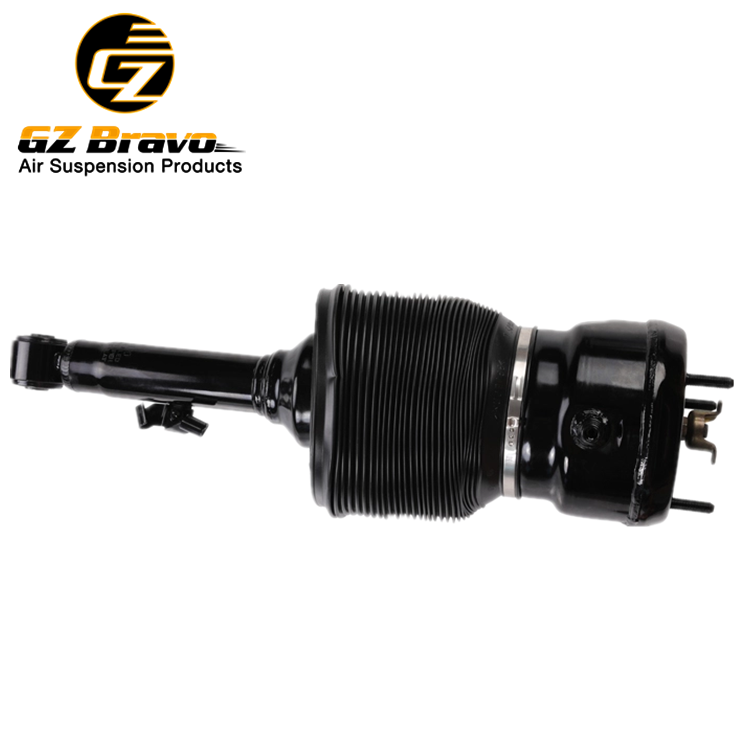
Air springs serve as the foundation of suspension performance, and their degradation directly impacts airmatic suspension maintenance costs. Air springs contain rubber bladders that flex millions of times during normal operation, gradually losing elasticity and developing microscopic cracks that allow air to escape. Once an air spring begins leaking, the system cannot maintain proper ride height, triggering warning lights and forcing immediate repair. Replacing air springs requires removing the suspension assembly, which involves significant labor time and specialized equipment, substantially increasing airmatic suspension maintenance costs. Environmental factors like extreme temperature fluctuations, road salt exposure, and high-mileage usage patterns accelerate this wear, directly influencing how quickly airmatic suspension maintenance costs accumulate for individual vehicles.
System Complexity and Diagnostic Expenses
Electronic Control Unit and Sensor Issues
Modern airmatic suspension systems rely on sophisticated electronic control units and multiple sensors working in harmony to regulate ride height, damping, and stability. When these electronic components malfunction, diagnosing the problem becomes time-consuming and expensive, substantially affecting airmatic suspension maintenance costs. Technicians must connect multiple diagnostic tools, interpret complex fault codes, and sometimes perform extensive electrical testing to isolate the actual failure point. A single faulty height sensor can trigger system failures that appear unrelated, extending diagnostic time and inflating airmatic suspension maintenance costs. Many repair facilities charge hourly rates for diagnostic work, meaning complex electronic issues directly translate to higher labor costs and increased total airmatic suspension maintenance costs.
Valve Block and Hydraulic Components
The valve block serves as the central control point for air distribution throughout the airmatic suspension system, managing pressure flow to individual air springs with precision. Internal valve wear, seal degradation, and internal blockages can compromise system function, and repairing or replacing a valve block requires specialized expertise and tools. A damaged valve block can be addressed with a airmatic suspension maintenance costs intervention that requires complete suspension system depressurization and careful reassembly. Labor intensity for valve block replacement contributes significantly to the overall airmatic suspension maintenance costs, as technicians must ensure perfect sealing and system calibration after installation. The precision required in this work prevents most vehicle owners from attempting DIY repair, ensuring professional service shop involvement and corresponding increases to airmatic suspension maintenance costs.
Usage Patterns and Environmental Factors
Mileage and Operating Conditions Impact on Airmatic Suspension Maintenance Costs
Vehicles operating in severe service conditions experience accelerated wear on airmatic suspension systems, directly correlating with elevated airmatic suspension maintenance costs. High-mileage commercial vehicles, delivery fleets, and vehicles frequently traveling on rough or unpaved roads place continuous stress on air springs, compressors, and valve components. Extreme temperature environments, whether scorching desert climates or freeze-thaw cycles in northern regions, degrade rubber seals and accelerate component failure, pushing airmatic suspension maintenance costs higher. Salt exposure in coastal areas or roads treated with de-icing chemicals accelerates corrosion of metal suspension components and electronic connectors, contributing to unexpected airmatic suspension maintenance costs. Understanding these environmental pressures allows fleet managers to anticipate when airmatic suspension maintenance costs will spike and plan maintenance schedules accordingly.
Preventive Maintenance and Cost Mitigation
Implementing structured preventive maintenance programs substantially reduces emergency repairs and controls long-term airmatic suspension maintenance costs. Regular air filter changes, compressor servicing, and system pressure checks identify small issues before they develop into expensive failures, directly lowering airmatic suspension maintenance costs. Vehicles with consistent preventive care demonstrate significantly lower average annual airmatic suspension maintenance costs compared to those operated on a reactive repair basis. Establishing maintenance intervals based on manufacturer recommendations and vehicle usage patterns proves far more cost-effective than waiting for system failures to trigger expensive emergency repairs that multiply overall airmatic suspension maintenance costs. Keeping detailed service records helps identify patterns in airmatic suspension maintenance costs and enables predictive planning for major component replacements before catastrophic failure occurs.
Labor Costs and Service Facility Selection
Specialized Expertise and Technical Requirements
Airmatic suspension systems demand specialized knowledge and training that not all repair facilities possess, which directly influences pricing for airmatic suspension maintenance costs. Technicians must understand air suspension technology, electrical system integration, and diagnostic procedures specific to these advanced systems to work efficiently. Facilities investing in specialized training, diagnostic equipment, and proprietary service information command higher labor rates that reflect their expertise, affecting the total airmatic suspension maintenance costs customers pay. Independent shops may charge less per hour than authorized dealers, but they sometimes require extended diagnostic time due to unfamiliar systems, potentially offsetting apparent savings and increasing actual airmatic suspension maintenance costs. Selecting repair facilities based on experience with your specific vehicle platform ensures faster, more accurate diagnosis and reduces unnecessary labor hours that would inflate airmatic suspension maintenance costs.
Geographic Location and Service Availability
Geographic location significantly influences the availability of qualified repair facilities and corresponding pricing for airmatic suspension maintenance costs. Rural areas with limited repair options may force vehicle owners to travel substantial distances for service or accept higher local pricing, directly impacting total airmatic suspension maintenance costs. Urban centers with multiple specialized facilities create competitive pricing pressure that can reduce airmatic suspension maintenance costs through market competition. International variations in labor costs, parts availability, and technical training standards result in dramatic differences in airmatic suspension maintenance costs across different regions. Fleet operators managing vehicles across multiple locations must account for these geographic variations when calculating expected airmatic suspension maintenance costs and planning maintenance budgets.
FAQ
What is the average cost of airmatic suspension maintenance per year?
Average annual airmatic suspension maintenance costs typically range from several hundred to several thousand dollars depending on vehicle age, mileage, and operating conditions. Preventively maintained systems in moderate-use applications might average five hundred to one thousand dollars annually, while heavily used commercial vehicles or aging systems can exceed three thousand dollars annually. These figures include routine maintenance, unexpected repairs, and occasional major component replacement amortized across the year.
How can I reduce airmatic suspension maintenance costs?
Reducing airmatic suspension maintenance costs begins with implementing consistent preventive maintenance schedules, including air filter changes, compressor servicing, and regular system inspections. Monitoring your dashboard warning lights and addressing issues immediately prevents minor problems from becoming expensive failures. Choosing experienced repair facilities that specialize in air suspension systems ensures efficient diagnostics and appropriate repair recommendations, avoiding unnecessary work that inflates airmatic suspension maintenance costs.
Are airmatic suspension maintenance costs higher than traditional suspension systems?
Yes, airmatic suspension maintenance costs generally exceed traditional coil spring suspension expenses due to system complexity, specialized component requirements, and required technical expertise. However, air suspension systems often provide superior comfort, ride quality, and longevity benefits that justify the elevated airmatic suspension maintenance costs for many applications. Long-term cost comparison should consider both maintenance expenses and the extended lifespan these systems typically provide compared to conventional suspension designs.