
 EN


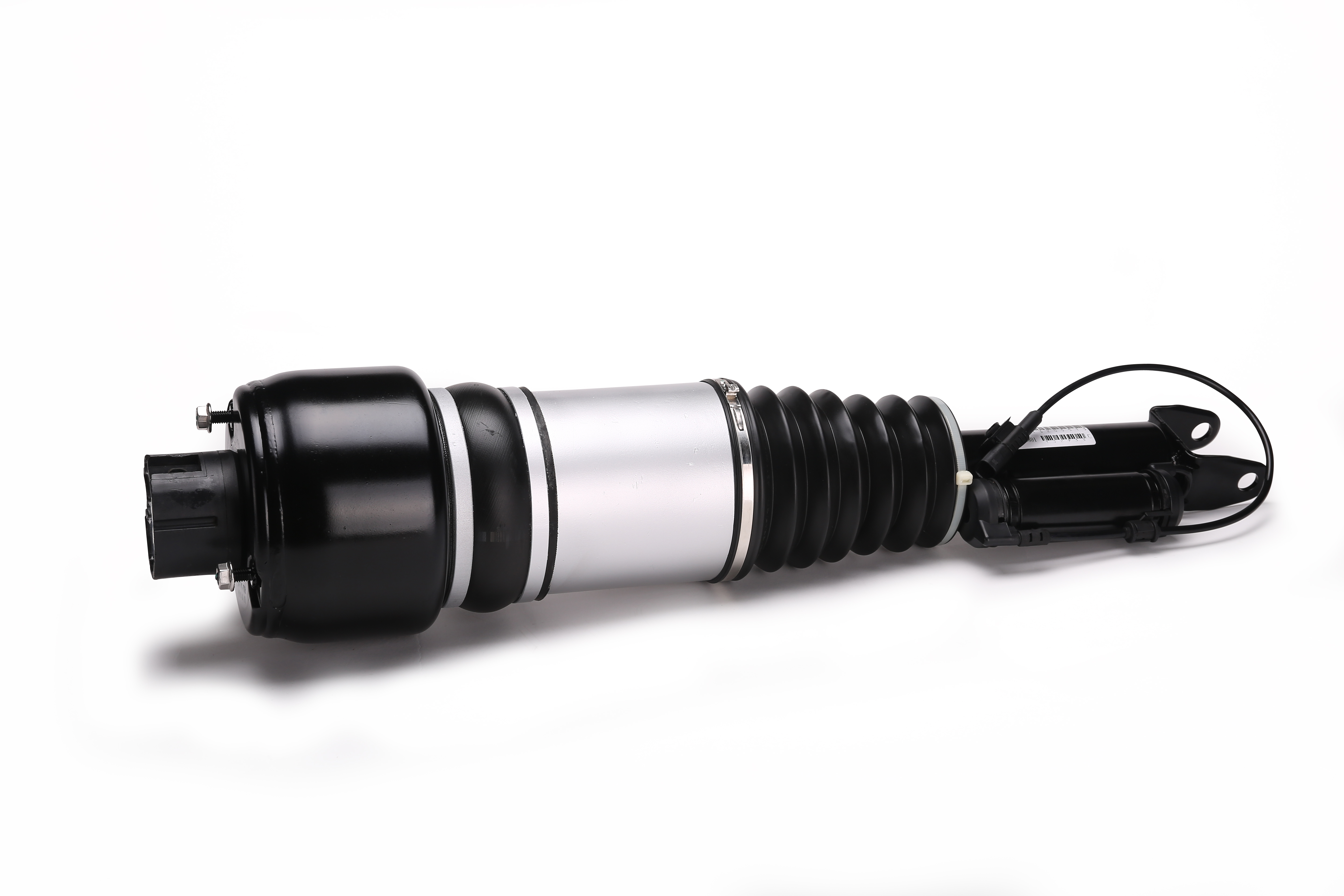
Modern vehicles demand a delicate balance between performance and comfort, and airmatic suspension represents one of the most sophisticated solutions to this challenge. Airmatic suspension technology continuously adjusts to driving conditions, road surfaces, and load changes, delivering responsive handling without compromising the smooth ride that passengers expect. Understanding how airmatic suspension optimizes both handling and passenger comfort together reveals why this technology has become essential for premium and performance vehicles worldwide.

Airmatic suspension achieves this dual performance through active damping and adaptive air springs that respond in real time. Unlike conventional passive suspensions that use fixed springs and shock absorbers, airmatic suspension actively monitors vehicle behavior, road conditions, and driver input to adjust suspension stiffness and height dynamically. This intelligent approach allows airmatic suspension to provide firm support during aggressive cornering while maintaining a compliant, absorbent character on rough surfaces, creating an experience that feels both controlled and refined.
How Airmatic Suspension Balances Handling and Comfort
Real-Time Adaptive Response Technology
Airmatic suspension operates through a network of sensors, an electronic control module, and air springs that work together seamlessly. The system continuously monitors wheel acceleration, vehicle pitch and roll, steering input, and brake force to predict and respond to driving conditions before they fully develop. When aggressive cornering is detected, airmatic suspension stiffens the air springs and adjusts damping to minimize body lean and keep the tire contact patches optimized for grip. Conversely, when cruising on smooth highways or encountering rough pavement, airmatic suspension softens its characteristics to absorb impacts and isolate the cabin from vibration.
Electronic Damping Adjustment
The electronic damping component of airmatic suspension represents a significant advancement over traditional shock absorbers. Rather than maintaining a fixed damping curve throughout the suspension travel, airmatic suspension adjusts damping force continuously across the stroke range. This means airmatic suspension can be firm during compression when the vehicle corners or brakes aggressively, yet remain soft during rebound to preserve ride comfort on routine driving. The result is that airmatic suspension delivers both superior body control and a genuinely comfortable ride quality that adapts to every driving scenario.
Performance Benefits of Airmatic Suspension Integration
Enhanced Cornering Stability and Precision
Airmatic suspension provides measurable improvements in lateral handling dynamics by maintaining consistent suspension geometry during cornering. The system reduces body roll by stiffening the suspension in the direction of the turn, keeping the vehicle flat and composed through curves. This active geometry management means airmatic suspension keeps tire load more consistent across the contact patch, improving grip and reducing understeer or oversteer tendency. Drivers appreciate how airmatic suspension responds to aggressive inputs with immediate, predictable body control that inspires confidence in demanding driving situations.
Braking and Acceleration Stability
Airmatic suspension actively compensates for weight transfer during braking and acceleration by adjusting air spring pressure and damping characteristics. When braking, airmatic suspension limits nose dive by stiffening front springs and damping, keeping the front tires loaded consistently for maximum braking force. During acceleration, airmatic suspension prevents rear squat and maintains level vehicle attitude to optimize traction and steering feel. This dynamic management of vehicle attitude ensures that airmatic suspension maintains predictable handling behavior across all acceleration and deceleration scenarios.
Passenger Comfort Advantages of Airmatic Suspension
Isolation from Road Imperfections
Airmatic suspension excels at insulating vehicle occupants from road harshness through its adaptive compliance characteristics. The air springs provide inherent isolation advantages over traditional coil springs, while the electronic damping in airmatic suspension further reduces vibration transmission by adjusting force in real time. When encountering potholes, gravel, or rough pavement, airmatic suspension softens dramatically to absorb impacts while maintaining vehicle stability. This means airmatic suspension delivers the kind of serene, absorbent ride quality typically associated with luxury vehicles, regardless of surface conditions encountered.
Load-Adaptive Comfort and Handling
Airmatic suspension automatically adjusts spring pressure based on vehicle load, maintaining consistent ride height and suspension characteristics whether the vehicle carries light or maximum payload. This load adaptation ensures that airmatic suspension delivers identical comfort and handling responses for a solo driver as for a fully loaded vehicle with passengers and cargo. Without load correction, heavier loading would lower the vehicle excessively, degrade handling geometry, and create harsh ride harshness. Airmatic suspension prevents these issues entirely by maintaining optimal suspension positioning throughout the vehicle's operational weight range.
Practical Implications for Vehicle Owners
Driving Mode Customization
Many vehicles equipped with airmatic suspension offer selectable driving modes that adjust suspension tuning to match driver preferences and driving situations. In comfort mode, airmatic suspension prioritizes isolation and smoothness, delivering a composed, whisper-quiet ride suitable for relaxed cruising and highway driving. Sport or performance modes sharpen airmatic suspension response, increasing firmness and responsiveness for more engaging handling dynamics. Airmatic suspension technology makes these transitions seamless and immediate, without requiring manual adjustments or compromising ride quality in any mode.
Maintenance Considerations
Airmatic suspension systems require periodic inspection of air springs, electronic components, and dampers to maintain optimal performance. Unlike traditional suspensions, airmatic suspension is sensitive to air leaks and electronic faults that can degrade comfort and handling progressively. Regular system diagnostics help identify developing issues before they become severe, while quality airmatic suspension components ensure longevity. Owners should address any airmatic suspension warning lights or changes in ride behavior promptly to prevent compounding damage and maintain both performance and safety.
FAQ
Can airmatic suspension reduce tire wear compared to conventional suspension?
Yes, airmatic suspension can extend tire life by maintaining more consistent tire contact pressure and load distribution throughout various driving conditions. The active geometry management in airmatic suspension keeps tires loaded evenly across their contact patches, preventing excessive edge wear that often occurs with passive suspensions. Additionally, airmatic suspension reduces jarring impacts and sudden load transfers that accelerate tire degradation, resulting in measurably longer tire intervals for vehicles equipped with this technology.
How does airmatic suspension perform in extreme weather conditions?
Airmatic suspension is specifically designed to perform reliably in harsh weather, including snow, ice, rain, and extreme temperatures. The electronic control system in airmatic suspension adjusts damping and stiffness to optimize traction in slippery conditions while maintaining stability and composure. Air springs in airmatic suspension remain functional in cold weather because they operate independently of fluid viscosity, unlike traditional hydraulic shocks. Vehicles equipped with airmatic suspension generally maintain superior winter handling and braking performance compared to conventional suspensions.
What is the typical lifespan of airmatic suspension components?
Quality airmatic suspension systems typically last between 80,000 and 100,000 miles under normal driving conditions, though individual component lifespan varies. Air springs may require replacement before dampers, while electronic sensors may develop faults before mechanical components fail. Regular maintenance of airmatic suspension, including fluid checks and system diagnostics, can extend component life significantly. Addressing airmatic suspension issues promptly prevents secondary damage that could shorten the lifespan of multiple components and increase overall ownership costs.