
 EN


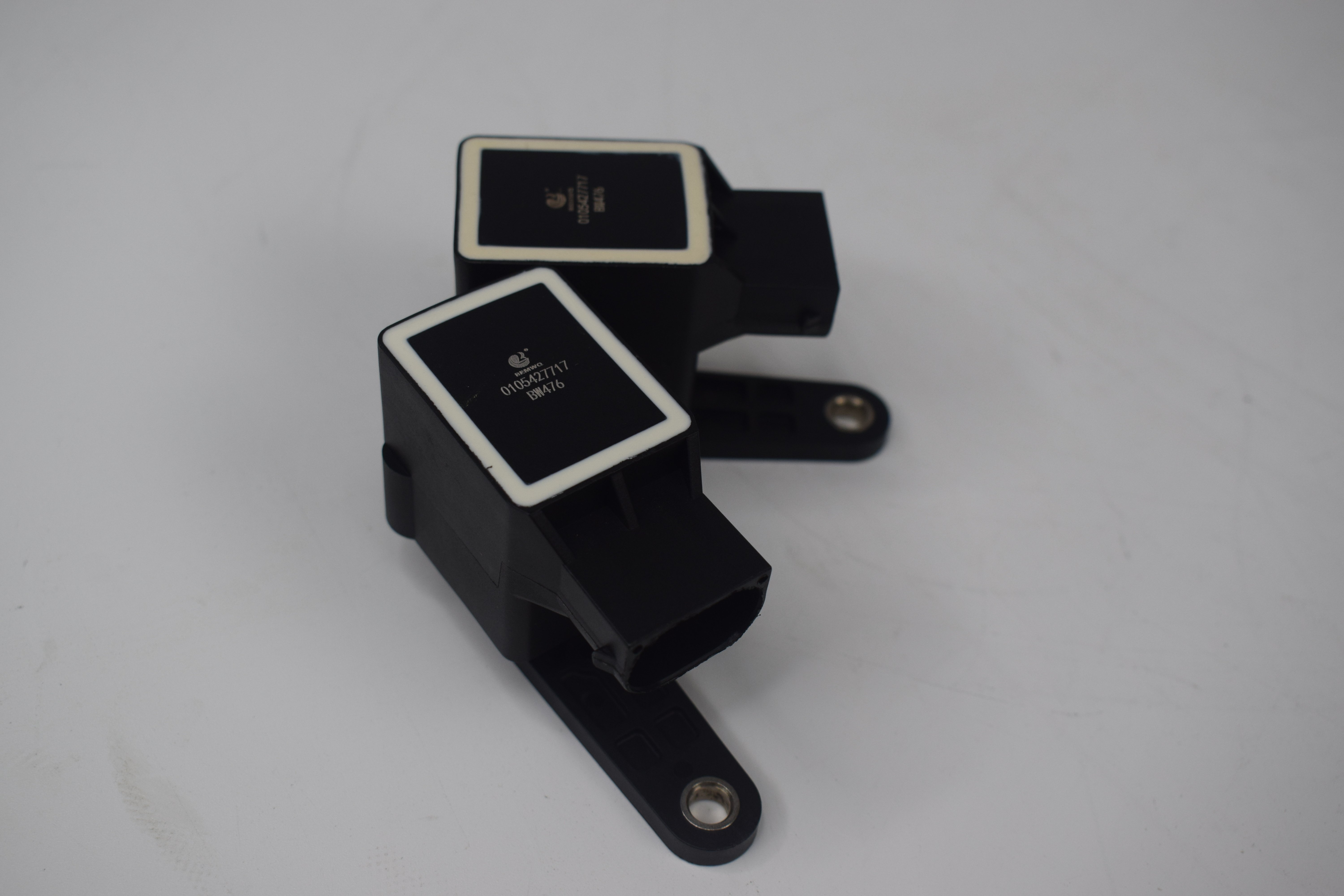
When suspension repairs become necessary, technicians often recommend replacing valve block units as part of the maintenance process. Understanding why valve block units demand replacement during suspension repairs helps vehicle owners appreciate the complexity of modern suspension systems and the engineering decisions behind these recommendations. Valve block units serve as critical control centers within air suspension architectures, managing pressure distribution, directional flow, and system response across all four corners of a vehicle.

The decision to replace valve block units during suspension repairs stems from multiple interconnected factors related to system performance, safety, and long-term reliability. When suspension components fail or require repair, the underlying causes often involve stress on valve block units themselves, making simultaneous replacement a logical and cost-effective strategy for preventing future breakdowns and ensuring optimal suspension performance across the vehicle's operational life.
Understanding Valve Block Unit Function and Failure Points
Core Responsibilities of Valve Block Units in Air Suspension
Valve block units operate as the nerve center of air suspension systems, controlling solenoid operations, pressure regulation, and air flow routing. These valve block units receive electronic signals from the vehicle's suspension control module and translate those signals into precise mechanical actions that adjust air pressure within suspension struts and springs. Inside valve block units, multiple internal passages, seals, and valve seats work in synchronized harmony to maintain ride height, manage leveling, and respond to changing road conditions with millisecond precision.
The complexity within valve block units makes them vulnerable to several failure mechanisms that develop over time. Moisture infiltration, thermal cycling, and contaminated air can compromise the internal valve seats and seals that make up the valve block units. When these internal components deteriorate, valve block units lose their ability to maintain precise pressure regulation, leading to uneven suspension behavior, ride height problems, and erratic system responses that necessitate broader suspension repairs.
Why Valve Block Units Deteriorate Alongside Other Suspension Components
Suspension systems experience constant stress from road impacts, temperature fluctuations, and pressure cycling. When air suspension struts or springs fail, the mechanical shock and pressure spikes that accompany their failure often place enormous strain on valve block units. This stress can damage internal seals within valve block units, crack delicate valve bodies, or compromise the electronic solenoid connections integrated into modern valve block units.
Environmental factors also accelerate valve block unit degradation. Moisture from roadway salt, ice-melting chemicals, and humidity penetrates suspension components and collects within valve block units where it corrodes internal passages and promotes seal decay. Temperature cycling from winter cold to summer heat causes valve block units materials to expand and contract, creating microscopic gaps that allow contaminants to enter and circulate through the valve block units throughout the system.
Economic and Performance Logic Behind Replacement Decisions
Preventing Cascading Failures and Repeat Repairs
Technicians recommend replacing valve block units during suspension repairs because doing so prevents expensive repeat service visits. If a suspension repair addresses only the strut or spring while leaving partially degraded valve block units in place, those compromised valve block units will continue to deteriorate. Within months, the same customer may return with a recurrence of suspension problems, requiring additional labor and parts expense to address the valve block units that should have been replaced initially.
This preventative approach saves customers money by eliminating the likelihood of premature re-repair. When technicians replace valve block units during the initial suspension service, they ensure that the entire suspension architecture operates cohesively. The new valve block units function reliably with repaired or replaced struts and springs, creating a stable suspension platform that maintains performance specifications and avoids the compounding costs of partial repairs.
System Integration and Warranty Considerations
Modern suspension systems operate as fully integrated networks where valve block units communicate constantly with electronic control modules, sensors, and actuators. When one component fails, technicians must evaluate the entire system's health because valve block units may have already suffered damage before the primary failure became noticeable. Replacing valve block units ensures that the entire integrated system operates within design specifications and restores the suspension to factory-intended performance.
Warranty protection also drives the decision to replace valve block units during suspension repairs. Many aftermarket and dealer warranties for suspension components require that valve block units meet specific conditions to maintain coverage. If valve block units remain in the vehicle and subsequently fail, warranty claims may be denied because the original failure was left unaddressed. Technicians replace valve block units proactively to ensure warranty validity and protect both the customer and the repair facility from future disputes.
Technical Factors That Make Valve Block Unit Replacement Essential
Seal Integrity and System Pressure Maintenance
Valve block units contain intricate seal systems that maintain pressure integrity throughout the suspension network. These seals deteriorate gradually, but suspension failures and repairs accelerate their degradation. When technicians encounter failed struts or springs, they understand that the pressure spikes and mechanical stress associated with those failures have already compromised the seals within valve block units. Continuing to operate with degraded seals means that air pressure will leak away over time, requiring constant re-pressurization and causing the suspension system to malfunction repeatedly.
Replacing valve block units during suspension repairs restores seal integrity immediately. New valve block units guarantee that pressure will be maintained at design specifications, preventing the slow degradation of ride quality and height control that partial repairs would produce. This restoration of seal integrity directly addresses one of the root causes of suspension failure, ensuring that repaired components can function reliably without being undermined by aging valve block units.
Solenoid Reliability and Electronic Control
Electronic solenoids integrated into valve block units are susceptible to failure from moisture, electrical surges, and electromagnetic interference. When suspension repairs are underway, technicians have the opportunity to inspect solenoid condition and functionality. If solenoids show signs of corrosion, weakened response, or electrical degradation, replacing valve block units becomes necessary because the electronic components cannot be serviced separately from the mechanical valve assembly.
The integration of solenoids within valve block units means that any electronic malfunction requires complete replacement. Technicians replace valve block units during suspension repairs rather than risk future solenoid failure that would again compromise suspension performance. This approach acknowledges the reality that modern valve block units are sealed assemblies designed for complete replacement rather than individual component repair.
FAQ
What happens if valve block units are not replaced during suspension repairs?
If valve block units remain in the vehicle when other suspension components are repaired or replaced, those partially degraded valve block units will continue to deteriorate. Within weeks or months, the compromised seals and internal components within valve block units will cause pressure loss, uneven ride height, and system malfunction. Customers will experience a return of suspension problems, requiring repeat service visits and additional repair costs. By not replacing valve block units initially, the repair becomes only temporary, creating customer dissatisfaction and unnecessary expense.
How long do valve block units typically last after replacement?
New valve block units should function reliably for the life of the vehicle when installed correctly and the suspension system operates within design parameters. Valve block units are engineered to withstand hundreds of thousands of suspension cycles and pressure variations. The lifespan of valve block units depends on driving conditions, climate, maintenance practices, and the condition of related components. Proper air filtration and regular suspension inspection can extend the service life of valve block units significantly, as these practices prevent moisture and contamination from damaging the internal mechanisms.
Are there situations where valve block units can be repaired instead of replaced?
Modern valve block units are designed as sealed, non-serviceable assemblies that cannot be repaired reliably. Internal seals, valve seats, and solenoid components are integrated into a single assembly and cannot be replaced individually without compromising the entire system. Some shops may attempt valve block unit refurbishment, but these refurbished valve block units offer uncertain reliability compared to new components. Most technicians and manufacturers recommend complete replacement of valve block units to ensure consistent performance and warranty protection, especially during suspension repairs when system reliability is critical.