
 EN


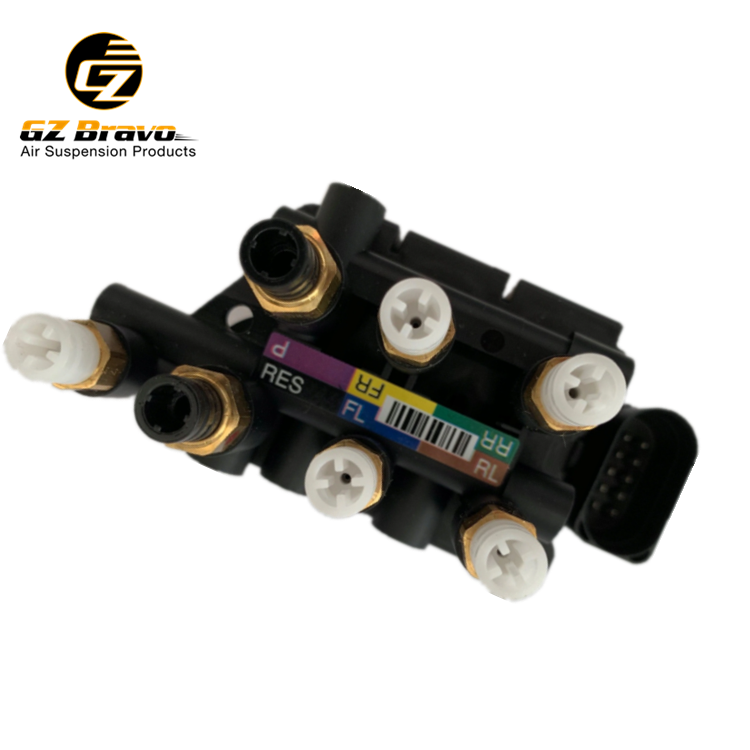
A durable valve block stands as one of the most critical components in modern automotive air systems, directly influencing suspension performance, ride quality, and system longevity. Whether you operate luxury vehicles, commercial fleets, or specialized automotive applications, understanding what makes a durable valve block truly reliable is essential for informed purchasing and maintenance decisions. The durable valve block manages complex pneumatic functions, regulating air flow, pressure distribution, and damping characteristics across multiple suspension circuits simultaneously.

The engineering behind an effective durable valve block involves multiple interconnected design and manufacturing standards that work together to ensure reliable operation under demanding automotive conditions. A properly constructed durable valve block maintains consistent performance across thousands of suspension cycles, temperature variations, and pressure fluctuations that occur during normal vehicle operation. This article explores the specific features, materials, design principles, and performance characteristics that distinguish a truly durable valve block from inferior alternatives in the automotive aftermarket.
Material Composition and Structural Integrity
Premium Alloy Selection for Durability
The foundation of any durable valve block begins with its material selection, where aluminum alloys or ductile iron form the primary structural component. A durable valve block manufactured from high-grade aluminum offers superior corrosion resistance and lightweight properties, reducing overall suspension system weight while maintaining strength across operating temperature ranges. The choice of alloy grade directly impacts how well a durable valve block resists internal erosion, external oxidation, and the micro-fracturing that occurs under repeated pressure cycling in air suspension systems.
Internal casting quality within a durable valve block proves equally critical, as porosity or gas inclusions create weak points where pressure leaks develop or internal passages collapse under stress. Precision casting techniques ensure that every durable valve block meets dimensional tolerances within microns, allowing internal passages to function as designed without restricting air flow or creating turbulence that accelerates component wear. Material hardness testing and surface treatment protocols guarantee that a durable valve block can withstand both the mechanical stresses of repeated valve actuation and the chemical exposure inherent in pneumatic systems.
Surface Treatment and Protective Coatings
Professional manufacturers apply specialized surface treatments to enhance durable valve block performance in corrosive environments where road salt, moisture, and chemical exposure pose constant threats. A durable valve block protected with anodizing, powder coating, or electroless nickel plating develops a barrier layer that prevents oxidation and extends service life significantly beyond untreated alternatives. These protective layers ensure that a durable valve block maintains its aesthetic appearance while resisting the degradation that compromises both function and longevity in harsh operating environments.
Internal Design and Pneumatic Efficiency
Optimized Valve Passage Architecture
The internal structure of a durable valve block incorporates precisely engineered air passages that distribute pneumatic flow with minimal resistance and maximum control precision. A durable valve block designed with smooth, gradual transitions between passage sections eliminates turbulent flow patterns that generate heat, noise, and accelerated component wear inside the valve assembly. The arrangement of inlet ports, outlet ports, and control passages within a durable valve block reflects advanced computational fluid dynamics modeling that ensures stable pressure regulation and rapid response to suspension demand signals.
Valve seat design within a durable valve block determines how effectively it seals under full operating pressure while allowing rapid pressure changes when suspension adjustments occur. A durable valve block with precision-ground valve seats and hardened seat inserts maintains seal integrity across millions of open-close cycles without developing the micro-leaks that gradually degrade system performance. The geometric relationship between valve bodies, springs, and seat surfaces in a durable valve block reflects engineering optimization that prioritizes both reliability and responsiveness across the full operating range.
Integration of Multiple Control Functions
Modern vehicles demand sophisticated suspension control that requires a durable valve block capable of managing multiple independent functions through a single integrated assembly. A durable valve block consolidates pressure regulation, height control, load sensing, and damping adjustment into compact form factor that simplifies installation while reducing potential leak points compared to modular valve systems. This integration within a durable valve block reduces overall component count, minimizes connection points vulnerable to vibration loosening, and improves diagnostic accuracy by consolidating control functions within one serviceable unit.
Performance Characteristics and Operational Reliability
Pressure Response and System Stability
The ability of a durable valve block to respond rapidly and accurately to suspension control signals determines ride quality, body motion control, and overall vehicle handling characteristics. A durable valve block with optimized internal spring rates and valve mass achieves response times measured in milliseconds, allowing the suspension system to react dynamically to road surface changes and driving inputs. Superior pressure regulation within a durable valve block maintains vehicle height within tight tolerances regardless of load changes or road conditions, preventing the sagging and nose-diving that occurs with inferior valve components.
Pressure stability delivered by a durable valve block ensures consistent suspension performance throughout the vehicle's operational lifetime, even as component wear and seal degradation gradually reduce efficiency in competing alternatives. The durable valve block maintains accurate pressure delivery at all circuit points, eliminating the pressure imbalances that cause uneven suspension behavior and premature component failure. This reliability directly translates to reduced maintenance costs, improved vehicle safety, and extended service intervals across the suspension system.
Temperature Performance and Environmental Resistance
A durable valve block must function reliably across the extreme temperature range experienced in automotive applications, from arctic winter conditions approaching minus forty degrees Celsius to desert heat exceeding sixty degrees Celsius. The internal spring rates and seal materials of a durable valve block are engineered to maintain consistent performance across these temperature extremes without losing responsiveness or developing pressure leaks. Thermal cycling resistance within a durable valve block ensures that repeated heating and cooling cycles do not cause material warping, seal degradation, or calibration drift that compromises suspension function.
Environmental exposure to moisture, salt spray, and chemical corrosion demands that a durable valve block maintain structural integrity long after inferior alternatives succumb to oxidation and internal rust formation. The protective coatings and corrosion-resistant materials incorporated into a durable valve block prevent the internal degradation that gradually restricts air passages and increases friction within valve mechanisms. This environmental resilience ensures that a durable valve block performs reliably throughout its service life regardless of geographic location, climate conditions, or seasonal weather variations.
FAQ
What specific material properties define a durable valve block for air suspension?
A durable valve block requires high-grade aluminum alloys or ductile iron that resists corrosion, maintains hardness under temperature cycling, and achieves precise dimensional tolerances essential for pneumatic function. Material selection determines whether a durable valve block can withstand repeated pressure cycling, thermal expansion, and chemical exposure throughout its operational lifespan. Surface treatments like anodizing or nickel plating further enhance the corrosion resistance that keeps a durable valve block functioning reliably in harsh environments.
How does valve design within a durable valve block affect suspension performance?
The internal architecture of a durable valve block directly determines pressure response speed, control precision, and system stability through optimized passage design and carefully engineered spring rates. A durable valve block with superior internal design delivers rapid response to suspension control signals, maintains accurate vehicle height, and prevents the handling issues that occur with inferior valve components. The integration of multiple control functions within a single durable valve block improves overall system reliability while reducing leak points and component complexity.
Why does temperature resistance matter in a durable valve block?
Temperature extremes cause material expansion, seal degradation, and spring rate changes that compromise performance in valve blocks lacking proper thermal engineering and protective measures. A durable valve block engineered for temperature resistance maintains calibration accuracy, preserves seal integrity, and sustains responsive operation across the full environmental range experienced in real-world automotive service. This thermal reliability ensures consistent suspension behavior regardless of seasonal weather, geographic location, or vehicle operating conditions throughout the year.