
 EN


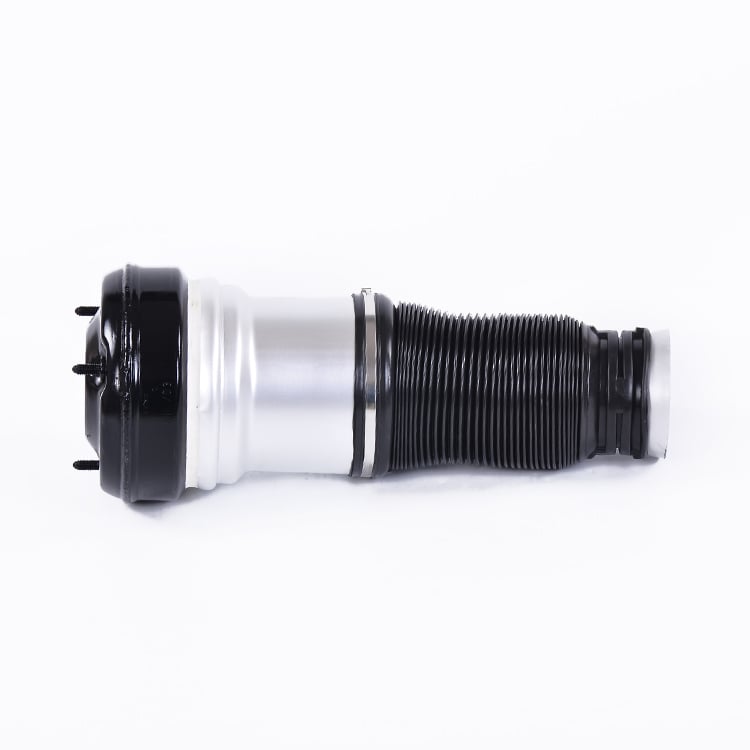
A valve block efficiency in vehicle suspension management represents a critical advancement in how modern vehicles regulate air pressure, damping force, and suspension responsiveness. The valve block serves as the central command center for air suspension systems, coordinating multiple hydraulic and pneumatic functions simultaneously to maintain optimal ride quality and vehicle stability. Understanding how valve block efficiency in vehicle suspension management operates provides valuable insight into why premium suspension systems deliver superior handling characteristics, increased safety margins, and extended component lifespan across diverse driving conditions.

The valve block efficiency in vehicle suspension management directly influences fuel consumption, tire wear patterns, and overall vehicle durability. When a valve block operates at peak efficiency, it minimizes pressure loss during valve transitions, reduces energy waste during load redistribution, and enables faster response times to changing road surfaces. This technical sophistication transforms how suspension systems protect vehicle occupants while simultaneously preserving the integrity of critical chassis components under real-world driving demands.
How Valve Block Efficiency in Vehicle Suspension Management Optimizes Pressure Control
Pressure Distribution and Response Time
The valve block efficiency in vehicle suspension management determines how quickly and accurately air pressure reaches individual suspension struts. A well-designed valve block minimizes internal dead spaces that would otherwise create pressure lag, ensuring that suspension adjustments occur within milliseconds rather than seconds. This rapid response capability means the suspension can proactively counteract road irregularities before they create uncomfortable jolts for passengers, reducing fatigue during long-distance driving and enhancing overall ride comfort significantly.
Efficient valve block designs incorporate precision-engineered ports and passages that maintain consistent flow rates regardless of system pressure fluctuations. The valve block efficiency in vehicle suspension management improves when internal valve seats create minimal friction during opening and closing cycles, allowing smoother pressure transitions and reducing the electrical current demanded from the vehicle's compressor. Lower current draw translates directly to reduced engine load and improved fuel economy across highway and city driving scenarios.
Load Compensation and Stability Control
Modern vehicles equipped with valve block efficiency in vehicle suspension management systems automatically adjust suspension stiffness based on real-time weight distribution and acceleration forces. When the valve block efficiency in vehicle suspension management functions optimally, it prevents excessive body roll during cornering and maintains consistent tire contact patches across all wheels. This active load compensation enhances traction control effectiveness and reduces the likelihood of skidding during emergency maneuvers or slippery surface transitions.
The valve block efficiency in vehicle suspension management becomes especially critical during towing or transporting heavy cargo. Advanced valve blocks continuously monitor rear axle compression and automatically increase air pressure to compensate for additional weight. This intelligent pressure management preserves the intended suspension geometry even when loaded, preventing bottom-out conditions that could damage internal suspension components or compromise vehicle handling predictability.
Key Performance Indicators That Demonstrate Valve Block Efficiency
Energy Loss Minimization and Thermal Stability
Valve block efficiency in vehicle suspension management can be measured by calculating energy loss across pressure regulation cycles. High-performance valve blocks maintain temperature stability even during extended highway driving, preventing thermal expansion that would otherwise degrade pressure precision. When valve block efficiency in vehicle suspension management reaches optimal levels, system temperature remains within a narrow range, reducing seal degradation and extending the interval between maintenance requirements significantly.
Thermal performance directly impacts valve block efficiency in vehicle suspension management because temperature fluctuations can cause viscosity changes in hydraulic fluids within the system. Premium valve block designs incorporate advanced materials and precision manufacturing that minimize heat generation during normal operation. The valve block efficiency in vehicle suspension management improves measurably when internal passages are optimized for laminar flow patterns, reducing turbulence that typically generates excess heat and accelerates component wear.
Diagnostic Capability and Predictive Maintenance
Modern valve blocks with integrated electronic sensors provide continuous feedback about system health and performance. The valve block efficiency in vehicle suspension management can be continuously monitored through onboard diagnostic systems that track pressure patterns, response times, and electrical consumption. This real-time monitoring enables predictive maintenance strategies that identify potential failures before they impact vehicle safety or comfort, allowing owners to schedule repairs proactively rather than experiencing unexpected breakdowns.
The valve block efficiency in vehicle suspension management data collected by these diagnostic systems reveals patterns that would be invisible through manual inspection alone. Advanced analysis of pressure oscillations and response curves can indicate early signs of valve wear, seal degradation, or electronic control module drift. By addressing these issues early, vehicle owners avoid the exponential cost increases associated with complete valve block replacement or secondary damage to compressors and air springs.
Practical Benefits That Result from Enhanced Valve Block Performance
Extended Component Life and Reduced Maintenance Costs
When valve block efficiency in vehicle suspension management reaches premium levels, the entire suspension ecosystem experiences extended service life. Air springs remain pressurized more consistently, reducing stress cycles that accelerate rubber deterioration. Compressors operate at lower average load levels, significantly extending their operational lifespan compared to systems with inefficient valve blocks that require constant corrective pressure adjustments.
The cumulative benefit of improved valve block efficiency in vehicle suspension management translates into measurable cost savings across vehicle ownership periods. Owners report reduced frequency of sensor replacements, fewer compressor rebuilds, and extended intervals between complete suspension servicing. These maintenance cost reductions particularly benefit commercial fleet operators who manage dozens or hundreds of vehicles, where even marginal improvements in component reliability accumulate into substantial financial advantages.
Safety Enhancement and Accident Prevention
Superior valve block efficiency in vehicle suspension management contributes directly to accident prevention through enhanced vehicle stability during critical maneuvers. When suspension systems respond instantly to driver inputs and road surface changes, vehicles demonstrate improved cornering ability and reduced skid risk. This heightened stability margin proves especially valuable in emergency evasive maneuvers where the difference between adequate and inadequate suspension response can determine whether vehicles avoid collision or sustain impact damage.
The valve block efficiency in vehicle suspension management becomes critical during adverse weather conditions when road surfaces present reduced traction margins. Vehicles equipped with efficient valve blocks maintain suspension geometry more precisely across icy, wet, or loose gravel surfaces. This geometric consistency helps maintain optimal wheel camber angles and tire contact patches, enabling better traction control system functionality when drivers need maximum grip for safety.
FAQ
What specific measurements indicate high valve block efficiency in vehicle suspension management?
High valve block efficiency in vehicle suspension management is indicated by pressure response times under 200 milliseconds, minimal pressure overshoot during valve transitions, stable operating temperatures between 40-60 degrees Celsius, and consistent performance across multiple pressure cycles. Advanced diagnostic equipment can measure valve flow rates and compare them against manufacturer specifications to verify optimal valve block efficiency in vehicle suspension management. Additionally, fuel consumption improvements and reduced compressor duty cycles suggest that valve block efficiency in vehicle suspension management is functioning properly.
Can valve block efficiency in vehicle suspension management be restored through maintenance?
Valve block efficiency in vehicle suspension management can be partially restored through professional cleaning, filter replacement, and fluid servicing if degradation is minimal. However, if internal valve wear or electronic sensor drift has occurred, valve block efficiency in vehicle suspension management typically requires component replacement rather than repair. Most manufacturers recommend complete valve block replacement rather than attempting restoration because the cost of diagnostics and partial repairs often approaches the expense of purchasing new components that guarantee restored efficiency specifications.
How does ambient temperature affect valve block efficiency in vehicle suspension management?
Ambient temperature influences valve block efficiency in vehicle suspension management through its effect on hydraulic fluid viscosity and electronic sensor calibration. Cold weather reduces fluid viscosity, affecting pressure regulation precision and slowing response times of valve block efficiency in vehicle suspension management systems. Hot climates accelerate fluid oxidation and seal degradation, reducing valve block efficiency in vehicle suspension management over time. Premium valve blocks incorporate thermal management features and wide-range fluid specifications to maintain consistent valve block efficiency in vehicle suspension management across extreme temperature ranges, from arctic conditions to desert heat environments.