
 EN


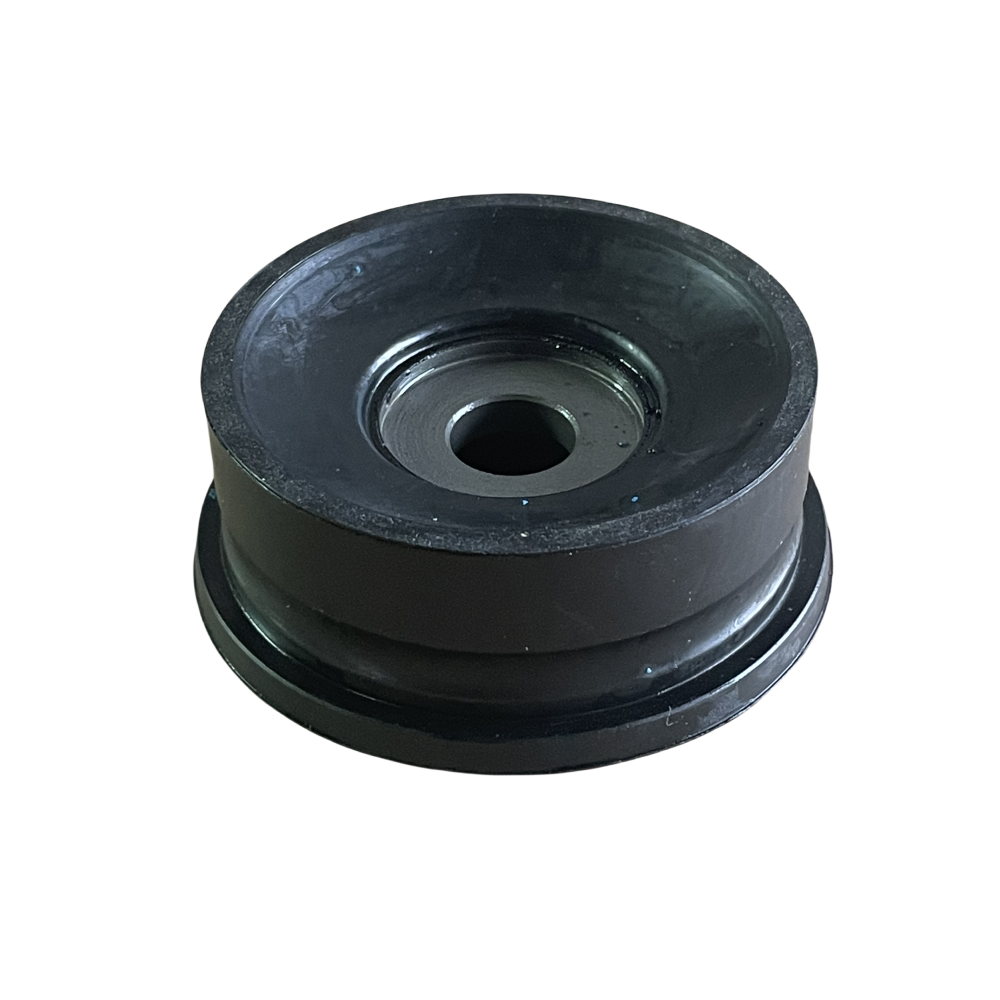
An air strut represents a modern advancement in vehicle suspension technology designed to deliver superior stability and ride comfort. Unlike traditional coil spring systems, an air strut uses compressed air chambers to absorb road imperfections while maintaining consistent vehicle height and handling characteristics. This innovative approach to suspension engineering has become increasingly popular among vehicle manufacturers and aftermarket enthusiasts seeking to enhance both everyday driving quality and performance reliability.

The question of whether an air strut is suitable for your vehicle depends on your specific driving conditions, vehicle type, and performance expectations. This comprehensive guide explores the technical advantages, practical applications, and real-world considerations that determine if an air strut is the right choice for improving your vehicle's stability and ride comfort.
How Air Strut Technology Enhances Vehicle Stability
The Mechanical Advantage of Air Strut Systems
An air strut operates by maintaining precise pressure within sealed air chambers positioned at each wheel. Unlike conventional spring systems that rely on metal coil compression, an air strut delivers dynamic load adjustment through pressurized air, which allows the suspension to respond instantaneously to changing road surfaces and driving dynamics. This continuous pressure modulation means an air strut automatically compensates for vehicle load changes, ensuring that stability remains consistent whether your vehicle is carrying light or heavy cargo.
The engineering behind an air strut includes integrated shock absorbers and height sensors that work in concert to eliminate body roll during cornering and maintain optimal ride height. When a vehicle equipped with an air strut encounters a pothole or bump, the air chamber compresses and expands smoothly, distributing impact forces across multiple components rather than concentrating stress on a single spring element. This distributed force absorption is what makes an air strut superior for maintaining steady handling throughout varied terrain.
Stability Benefits in Real-World Driving
Drivers who upgrade to an air strut often report noticeably improved cornering precision and reduced body sway during emergency maneuvers. An air strut keeps your vehicle level even when navigating curves at highway speeds, because the adaptive suspension adjusts stiffness in milliseconds as lateral forces change. This automatic leveling capability of an air strut is particularly valuable for drivers who frequently encounter winding roads or need predictable handling in adverse weather conditions.
The stability enhancement from an air strut extends to load-carrying scenarios. Commercial fleet operators and families who regularly transport heavy cargo benefit significantly because an air strut prevents the sagging and instability that traditional springs experience under extra weight. The consistent ride height maintained by an air strut preserves tire contact patch geometry, meaning your vehicle maintains better traction and control even when fully loaded.
Ride Comfort Improvements Delivered by Air Strut Technology
Superior Isolation of Road Imperfections
An air strut isolates passengers from minor road vibrations far more effectively than metal spring systems because the air medium provides inherent damping without mechanical friction. When you drive over gravel, potholes, or railroad tracks in a vehicle equipped with an air strut, you experience a floating sensation rather than the jarring impacts typical of conventional suspensions. This isolation occurs because an air strut compresses smoothly instead of bottoming out sharply, and the air chamber acts as a secondary shock absorber beyond the primary damper.
The comfort benefit of an air strut becomes immediately apparent on highway driving where constant micro-movements from asphalt imperfections accumulate into fatigue. An air strut dramatically reduces this cumulative vibration transmission, allowing drivers to complete long journeys with less physical strain and mental fatigue. Professional drivers and those with sensitive spines often report that switching to an air strut suspension significantly improves their well-being during extended driving sessions.
Adaptive Comfort Across Varying Conditions
Modern air strut systems include electronic controls that adjust firmness automatically based on driving speed and detected road conditions. At slow speeds over rough surfaces, your air strut softens to maximize compliance and comfort. When you accelerate onto smooth highways, the same air strut stiffens to reduce body movement and improve handling precision. This adaptive behavior is impossible with passive mechanical springs, making an air strut the superior choice for those who drive in diverse conditions regularly.
The ride quality benefit of an air strut also stems from its ability to maintain consistent ride height regardless of whether your vehicle carries one passenger or five. A traditional spring compresses progressively under additional load, lowering ride height and changing suspension geometry. An air strut maintains your desired ride height automatically, so comfort and handling characteristics remain stable regardless of passenger count or cargo weight fluctuations.
Suitability Assessment for Different Vehicle Types and Applications
Ideal Candidates for Air Strut Installation
Luxury and premium vehicles benefit most from air strut technology because owners prioritize ride quality and consistent performance. Mercedes-Benz, BMW, Audi, and Porsche models frequently employ air strut systems from the factory, reflecting the technology's reputation for delivering the refined ride quality these brands demand. If you own a luxury sedan or performance coupe, an air strut upgrade or replacement maintains the vehicle's original design intent and restores ride characteristics when original components age.
Commercial vehicles and transportation fleets represent another ideal application for air strut technology. Delivery trucks, shuttle services, and commercial transportation benefit because an air strut provides consistent suspension performance throughout extended duty cycles while carrying variable loads. The load-leveling capability of an air strut is particularly valuable in commercial applications where vehicles frequently transition between empty and fully loaded conditions.
Practical Considerations and Limitations
The primary consideration when evaluating an air strut for your vehicle involves maintenance complexity and potential failure modes. An air strut contains sealed air chambers, electronic sensors, and integrated dampers, meaning component failure requires replacement rather than simple repair. You should verify that replacement air strut components are readily available for your specific vehicle and that installation costs align with your budget expectations. This is why consulting with suspension specialists before committing to an air strut upgrade ensures realistic understanding of long-term ownership costs.
Climate and usage patterns also influence air strut suitability. Vehicles driven in consistently cold climates may experience occasional air strut stiffening in extreme temperatures, though modern systems include temperature compensation. Off-road enthusiasts who drive over severe terrain regularly should evaluate whether an air strut's sealed design suits their harsh operating environment. For most highway and urban driving, an air strut proves exceptionally suitable and reliable across diverse climates.
FAQ
What exactly is an air strut and how does it differ from traditional springs?
An air strut is a suspension component that uses compressed air chambers instead of metal coil springs to support vehicle weight and absorb impacts. The key difference lies in the air strut's ability to adjust stiffness dynamically through pressure modulation, while traditional springs provide fixed compliance. This makes an air strut continuously adaptive to changing loads and road conditions, whereas mechanical springs compress and extend rigidly based on their physical design specifications.
Can an air strut improve both ride comfort and vehicle handling simultaneously?
Yes, an air strut uniquely delivers both benefits because its pressure-based design separates load support from impact absorption functions. An air strut maintains consistent ride height for handling precision while the integrated shock absorber manages impact energy for comfort. Traditional springs force a compromise between these priorities, but an air strut architecture allows independent optimization of both stability and comfort, making it superior for drivers who value both characteristics equally.
Is an air strut suitable for my daily commute vehicle?
An air strut is absolutely suitable for daily commute vehicles, especially if you drive long distances or frequently encounter varying road conditions. Whether your commute involves highway driving, urban streets, or mixed terrain, an air strut provides consistent, reliable performance that reduces fatigue and improves handling. The only practical considerations involve verifying parts availability and installation costs for your specific vehicle model, then ensuring maintenance schedules align with your ownership timeline and preferences.