
 EN


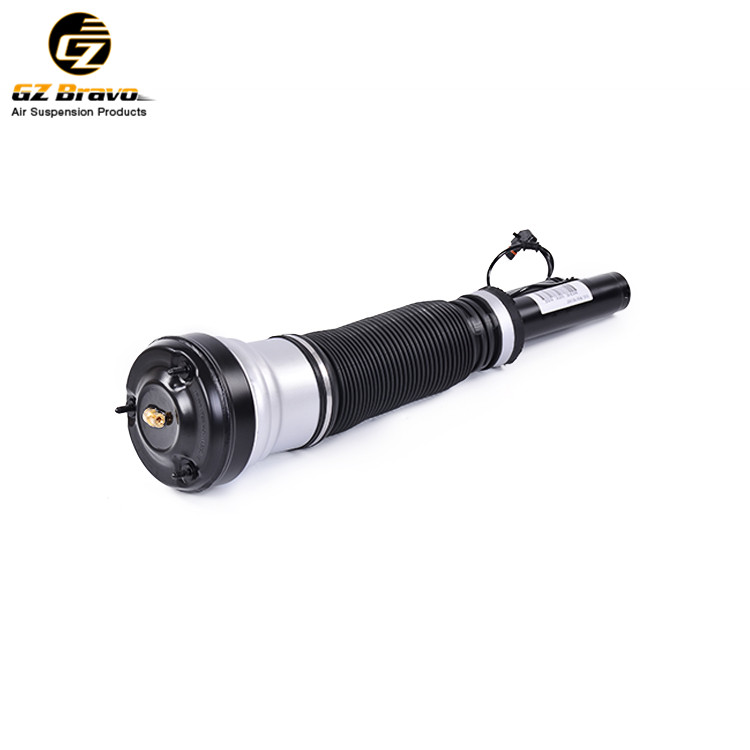
Adaptive suspension has become a defining feature of modern luxury vehicles, transforming how manufacturers approach ride quality, handling dynamics, and passenger comfort. Unlike traditional fixed suspensions that maintain the same characteristics regardless of driving conditions, adaptive suspension continuously adjusts damping forces, spring stiffness, and ride height in real time. This intelligent technology represents a fundamental shift in automotive engineering, enabling luxury brands to deliver superior performance across diverse driving scenarios without compromising either comfort or sportiness.

The integration of adaptive suspension into luxury vehicles directly addresses the core challenge that premium automakers face: delivering a vehicle that excels in contradictory conditions. A suspension must absorb road imperfections for highway cruising, yet remain responsive during aggressive cornering and spirited driving. Adaptive suspension solves this paradox by electronically modulating suspension behavior in milliseconds, creating a dynamic system that feels soft during everyday driving and firm during performance maneuvers. This capability justifies the investment luxury consumers expect from premium brands.
The Technology Behind Adaptive Suspension Systems
How Adaptive Suspension Works in Practice
Adaptive suspension relies on a network of sensors, electronic control units, and variable dampers working in concert. Accelerometers and gyroscopes continuously monitor vehicle pitch, roll, acceleration, and body motion, feeding this data to the suspension's central computer. The computer processes this information thousands of times per second and adjusts damping coefficients within the shock absorbers or dampers, effectively changing how quickly the suspension compresses and extends. This real-time adjustment allows adaptive suspension to maintain optimal wheel contact with the road surface, improving both stability and comfort.
Modern adaptive suspension systems incorporate multiple operating modes that drivers can select based on their preferences and driving context. In comfort mode, adaptive suspension prioritizes smoothness and noise isolation, making long drives more relaxing. Sport mode increases damping stiffness, reducing body roll and improving cornering precision. Some luxury vehicles offer additional modes like eco for fuel efficiency or off-road for variable terrain. The sophistication of adaptive suspension means each mode delivers a distinctly different driving experience while maintaining safety and vehicle integrity across all settings.
Integration with Vehicle Dynamics Control
Adaptive suspension does not operate in isolation but integrates seamlessly with stability control systems, traction control, and active steering technologies. When the vehicle detects understeer or oversteer conditions, adaptive suspension automatically stiffens the appropriate corners to counteract the dynamic imbalance. This coordinated approach means adaptive suspension contributes to accident prevention and collision avoidance, making it more than a comfort feature but a critical safety component. Luxury automakers recognize that adaptive suspension enhances the overall driving envelope and enables more sophisticated driver assistance systems.
Performance and Comfort Benefits for Luxury Consumers
Superior Ride Quality Across All Conditions
One primary reason automakers integrate adaptive suspension into luxury vehicles is the unmatched ability to isolate occupants from road imperfections. Potholes, expansion joints, and rough pavement that would jar a conventional suspension barely register in vehicles equipped with advanced adaptive suspension. The dampers soften instantly when encountering these obstacles, then return to firmer settings as soon as the disturbance passes. This responsiveness means luxury vehicle owners enjoy the premium driving experience they expect, characterized by serene ride quality that distinguishes high-end vehicles from mass-market competitors.
Passengers in luxury vehicles equipped with adaptive suspension experience reduced vibration transmission into the cabin, lower noise levels, and improved overall refinement. The suspension actively minimizes vertical acceleration and body oscillations, creating an environment where conversations remain effortless and fatigue diminishes on extended journeys. This capability directly supports luxury branding, as consumers associate quiet, smooth rides with premium vehicles. Adaptive suspension technology allows automakers to deliver on that promise consistently.
Enhanced Handling and Performance Dynamics
Beyond comfort, adaptive suspension delivers measurable improvements in vehicle handling and dynamic performance. The responsive damping reduces body roll during cornering, allowing drivers to maintain higher speeds through turns without sacrificing confidence. Adaptive suspension also minimizes pitch during acceleration and braking, keeping the vehicle planted and level. These characteristics appeal to luxury vehicle owners who want their cars to feel planted and controlled, whether driving around town or navigating mountain roads at elevated speeds.
The adaptive suspension's role in maintaining tire grip cannot be overstated. By keeping all four wheels in optimal contact with the road surface, adaptive suspension improves traction in various conditions. This enhanced grip translates to shorter braking distances, faster acceleration, and more predictable steering response. Luxury consumers appreciate these performance enhancements because they contribute to both safety and driving enjoyment. When combined with premium engines and sophisticated transmissions, adaptive suspension completes the performance picture that justifies luxury vehicle pricing.
Market Differentiation and Consumer Expectations
Setting Premium Vehicles Apart from Competitors
Luxury automakers integrate adaptive suspension as a key differentiator that sets their vehicles apart in an increasingly competitive market. Consumers shopping for premium cars expect cutting-edge technology as standard, and adaptive suspension signals that a manufacturer invests in sophisticated engineering. The presence of adaptive suspension becomes a marketing touchpoint, reinforcing perceptions of quality and innovation. When luxury brands advertise their vehicles, the adaptive suspension often features prominently as evidence of technological superiority and engineering excellence.
The integration of adaptive suspension also justifies premium pricing. Consumers understand that advanced suspension technology costs more to develop, manufacture, and maintain than conventional designs. This recognition supports the price differential between luxury and mainstream vehicles. Automakers leverage adaptive suspension as visible proof that luxury buyers receive tangible engineering benefits, not merely cosmetic upgrades. This positioning maintains brand equity and consumer confidence in the luxury segment.
Meeting Evolving Consumer Technology Expectations
Today's luxury vehicle buyers expect their cars to incorporate intelligent, electronically managed systems across all major components. Adaptive suspension aligns with broader consumer expectations for vehicles that learn, adapt, and optimize performance automatically. The technology appeals to tech-savvy buyers who appreciate sophisticated engineering and digital integration. As autonomous driving technology advances, adaptive suspension becomes increasingly important because it provides the vehicle with autonomous decision-making capability regarding suspension behavior, preparing the market for broader autonomy adoption.
Consumer reviews and media coverage consistently praise adaptive suspension as a standout feature that enhances the ownership experience. Owners report tangible differences in daily comfort, reduced fatigue on long drives, and improved confidence during dynamic driving. These positive associations create demand for adaptive suspension among luxury consumers, encouraging automakers to expand its availability across their lineups. The technology has transitioned from an exclusive feature on flagship models to an expected standard on luxury vehicles.
FAQ
What makes adaptive suspension different from traditional suspension systems?
Adaptive suspension continuously adjusts damping stiffness electronically based on real-time driving conditions, while traditional suspension uses fixed components that cannot change their characteristics. Adaptive suspension provides optimal performance across multiple scenarios without driver intervention, whereas conventional suspension represents a compromise between comfort and handling. The electronic nature of adaptive suspension allows automakers to tune vehicle behavior through software updates and driver-selectable modes, providing flexibility that fixed systems cannot match.
Does adaptive suspension require more frequent maintenance than conventional suspension?
Adaptive suspension components are generally as reliable as conventional suspension parts when manufactured by reputable automakers, though they do include additional electronic sensors and control units that require specialized diagnostic equipment. Regular fluid service and component inspections for adaptive suspension remain important, particularly for the damper fluid and sensor function. Most luxury automakers design their adaptive suspension systems for durability equivalent to their vehicles' overall lifespan, and owners typically experience no significant maintenance burden beyond standard suspension care during the warranty period.
Can drivers feel the difference between comfort and sport modes in adaptive suspension?
Most drivers report immediate and noticeable differences when switching between adaptive suspension modes, particularly between comfort and sport settings. Sport mode creates firmer, more responsive handling with reduced body roll, while comfort mode delivers smoother ride quality that isolation from road imperfections. The differences become especially apparent during dynamic driving or when encountering road irregularities. Many luxury vehicle owners find that being able to select different modes through a simple button interface enhances their connection to the vehicle and allows them to optimize the driving experience for specific situations and personal preferences.