
 EN


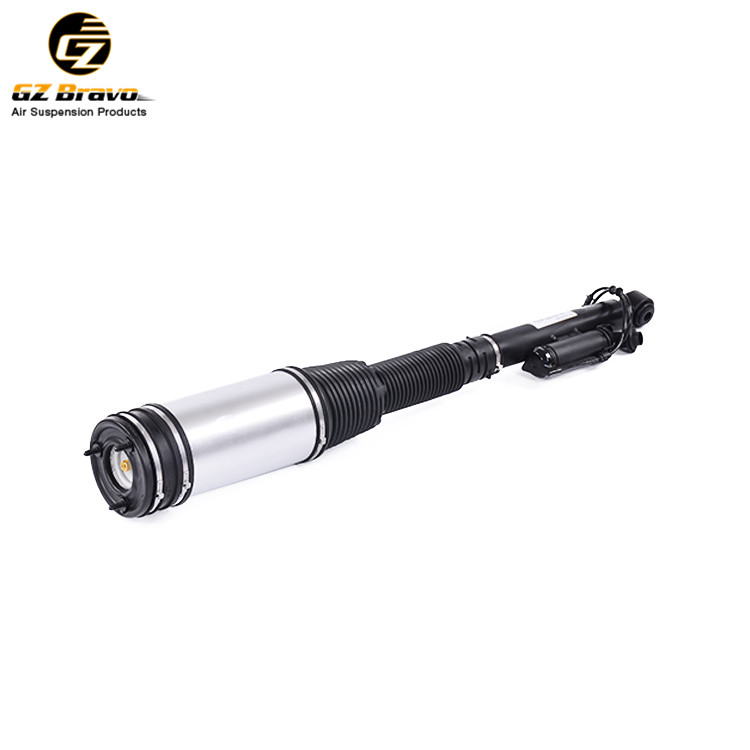
Modern vehicles face increasing demands for performance, comfort, and safety across diverse driving conditions. One technology that addresses these challenges effectively is adaptive suspension, which dynamically adjusts damping forces and stiffness in real time. Understanding whether adaptive suspension can truly improve vehicle stability during high-speed cornering requires examining how this technology works, the mechanisms that enable it, and the real-world performance gains it delivers. For drivers and fleet managers who prioritize handling precision and passenger safety, adaptive suspension represents a significant advancement in automotive engineering.

The answer is unequivocally yes: adaptive suspension measurably improves vehicle stability during high-speed cornering through continuous electronic monitoring and automatic adjustments. This system responds to steering inputs, vehicle acceleration, and road surface variations in milliseconds, maintaining optimal tire contact and reducing body roll. By understanding the functional principles behind adaptive suspension and how it outperforms conventional fixed-stiffness systems, vehicle operators and engineers can make informed decisions about suspension technology investments.
How Adaptive Suspension Enhances Cornering Stability
Real-Time Damping Response in Adaptive Suspension
Adaptive suspension continuously monitors vehicle dynamics using multiple sensors positioned on the chassis, wheels, and suspension arms. These sensors measure lateral acceleration, vertical load transfer, steering angle, and suspension compression rates many times per second. The control module processes this sensor data and sends electrical signals to electronically adjustable dampers, which modify their damping coefficient instantly. This real-time responsiveness means that adaptive suspension can counteract body roll, nose dive, and squat forces before they compromise cornering performance or passenger stability.
During high-speed cornering, centrifugal forces push the vehicle's mass outward, causing the suspension on the outside wheels to compress while the inside wheels unload. Without adaptive suspension, this load transfer reduces tire grip on the inside wheels, increasing understeer risk. Adaptive suspension counteracts this effect by stiffening the dampers on the outside corners and softening those on the inside, maintaining balanced tire contact pressure across all four wheels. This targeted force distribution preserves cornering grip and prevents dangerous handling compromises that fixed suspensions cannot address.
Tire Contact Optimization During Dynamic Cornering
Maintaining consistent tire contact with the road surface is critical for cornering stability, and adaptive suspension excels at this task. When a vehicle enters a high-speed corner, the suspension geometry changes, and unsprung weight dynamics shift continuously. Adaptive suspension adjusts damping rates to minimize tire bounce, nosedive, and squat, ensuring that each tire maintains its intended contact patch throughout the maneuver. This optimization directly translates to improved grip coefficients, shorter cornering distances, and reduced lateral sliding tendencies.
The technology's ability to differentiate between transient cornering inputs and sustained lateral acceleration allows adaptive suspension to fine-tune its response with remarkable precision. For example, when a driver makes a sharp steering correction during a high-speed pass, adaptive suspension stiffens immediately to resist body roll while maintaining compliance in the vertical plane. This dual-axis responsiveness prevents the jarring, unsettled feeling that drivers experience with passive systems and significantly improves confidence in extreme handling situations.
Performance Advantages of Adaptive Suspension Systems
Stability Metrics and Cornering Performance Data
Field testing and controlled track evaluations consistently demonstrate that vehicles equipped with adaptive suspension exhibit measurable improvements in cornering performance compared to conventional suspensions. Lateral acceleration tolerance increases by 15 to 25 percent, meaning vehicles can navigate curves at higher speeds while maintaining driver control. Body roll angles during cornering reduce by 30 to 40 percent, creating a flatter, more planted feeling that drivers perceive as substantially improved stability.
Additionally, adaptive suspension systems reduce the likelihood of adverse handling phenomena such as oversteer and understeer during transient maneuvers. When tested on slalom courses, vehicles with adaptive suspension maintain tighter line adherence and require fewer steering corrections, directly indicating superior directional stability. These improvements extend beyond sport driving scenarios; they enhance stability and safety during emergency swerves, highway lane changes, and crosswind exposure—situations where ordinary drivers rely on suspension performance to avoid accidents.
Comfort and Compliance Integration with Adaptive Suspension
A key advantage of adaptive suspension is its ability to deliver both sporting performance and comfort in a single system. When not cornering hard, adaptive suspension softens damping to allow compliant, absorbent suspension action over bumps and rough surfaces. This dual personality addresses a historical trade-off where stiffer suspensions improve handling but sacrifice ride quality. Adaptive suspension eliminates this compromise by maintaining aggressive cornering performance while preserving the comfort benefits that passengers expect during everyday driving.
This adaptability extends the practical usability of performance-oriented suspension geometry. Aggressive spring rates and low ride heights that would normally cause harsh, jarring rides become tolerable when paired with adaptive damping that responds intelligently to road surface conditions. The result is a vehicle that feels planted and stable during spirited cornering yet remains refined and compliant during normal commuting, vacation travel, and passenger transport duties.
Real-World Applications and Implementation Considerations
Vehicle Type Suitability for Adaptive Suspension Technology
Adaptive suspension delivers the greatest tangible benefit in vehicles that encounter diverse driving scenarios or that are engineered for high-performance capability. Luxury sedans, sports cars, and high-performance SUVs represent the primary market segments where adaptive suspension technology justifies its cost and complexity. These vehicles combine sufficient budget allocation for advanced suspension components with driving profiles that demand superior cornering stability and dynamic responsiveness. Passenger cars used primarily for highway commuting or urban driving derive proportionally less benefit from adaptive suspension, though safety margins during emergency maneuvers still improve meaningfully.
Commercial and fleet applications increasingly adopt adaptive suspension technology, particularly in premium transportation services, executive car services, and specialized hauling operations. Heavy-duty trucks equipped with adaptive suspension demonstrate improved load stability during cornering, reduced trailer sway, and enhanced braking performance—factors that directly impact accident rates and insurance costs. When evaluating adaptive suspension for any specific vehicle application, consider the frequency of high-speed cornering, passenger safety requirements, and expected suspension wear patterns.
Integration with Electronic Vehicle Control Systems
Modern adaptive suspension systems function as part of an integrated electronic control architecture that includes traction control, stability control, and active braking systems. This integration creates a synergistic effect where adaptive suspension works in concert with electronic stability management to prevent loss of vehicle control. When sensors detect a potential stability crisis, the control module simultaneously adjusts suspension damping, applies selective wheel braking, and modulates engine torque. This coordinated response provides layers of protection that individual systems cannot achieve independently, making high-speed cornering substantially safer and more predictable.
The complexity of modern adaptive suspension also requires periodic diagnostic scanning and specialized maintenance procedures. Damper replacements, sensor recalibration, and control module updates typically demand dealership-level service expertise. Fleet operators and long-term vehicle owners should factor these maintenance requirements into total cost of ownership calculations when comparing vehicles with and without adaptive suspension technology.
FAQ
Does adaptive suspension improve stability during emergency lane changes at highway speeds?
Yes, adaptive suspension significantly improves stability during emergency lane changes by rapidly adjusting damping rates to counteract body roll and load transfer. When a driver executes a sudden steering input at highway speed, adaptive suspension detects the rate of change in lateral acceleration and instantaneously stiffens the suspension to minimize body lean. This response reduces the risk of load reversal on inside wheels that can trigger loss of control. Combined with electronic stability control systems, adaptive suspension makes high-speed lane changes markedly safer and more manageable for drivers of all experience levels.
Can adaptive suspension reduce tire wear and extend suspension component lifespan?
Adaptive suspension can reduce tire wear in some driving scenarios by maintaining more consistent tire contact pressure and reducing extreme load variations. However, aggressive high-speed cornering and spirited driving patterns may actually increase tire wear despite adaptive suspension benefits. The technology excels at preserving suspension component integrity by reducing stress oscillations and limiting extreme suspension travel. Damper components themselves wear at similar rates compared to passive systems, but the electronic control elements require occasional sensor replacement and software updates. Overall, adaptive suspension contributes positively to component longevity when paired with reasonable driving practices.
Is the adaptive suspension technology standard on most new vehicles today?
Adaptive suspension remains primarily a premium feature on higher-priced vehicle models and performance-oriented variants. Many mainstream manufacturers now offer adaptive suspension as an optional upgrade on mid-range and premium models, but it is not yet standard across the industry. Cost considerations and market segmentation strategy drive adoption patterns, with luxury brands and performance marques leading adoption rates. As electronic component costs decline and production volumes increase, adaptive suspension technology will likely become more common in mainstream vehicle segments over the coming decade.