
 EN


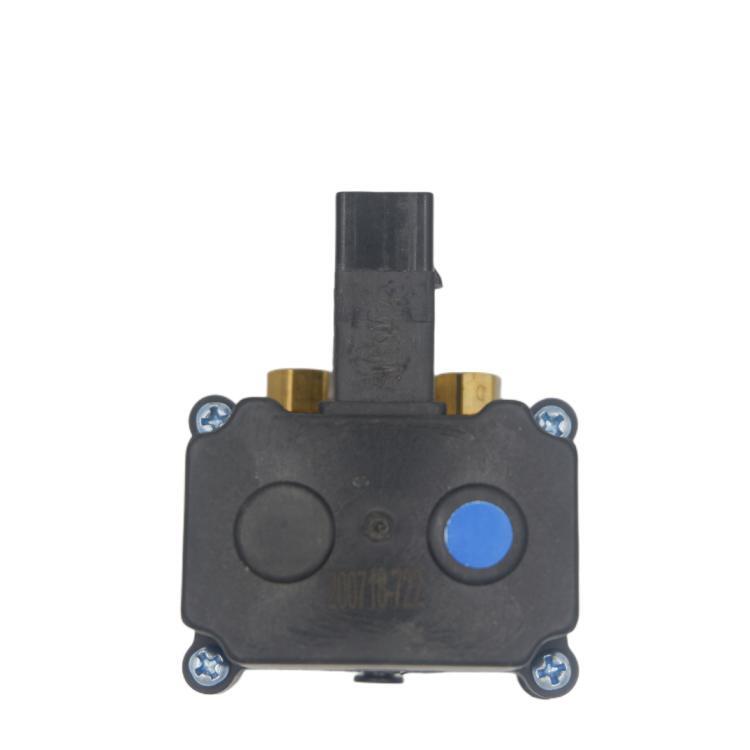
An air suspension valve helps regulate the movement of compressed air between the air compressor, air springs, and other components in an air suspension system. By directing airflow through the appropriate passages, the valve supports pressure adjustment and helps the system maintain the required ride height. Its design, sealing performance, and compatibility with the rest of the suspension assembly all influence how effectively the system operates. For automotive parts distributors, repair centers, and suspension system manufacturers, understanding these functions is important when evaluating air suspension valve quality and selecting replacement components.
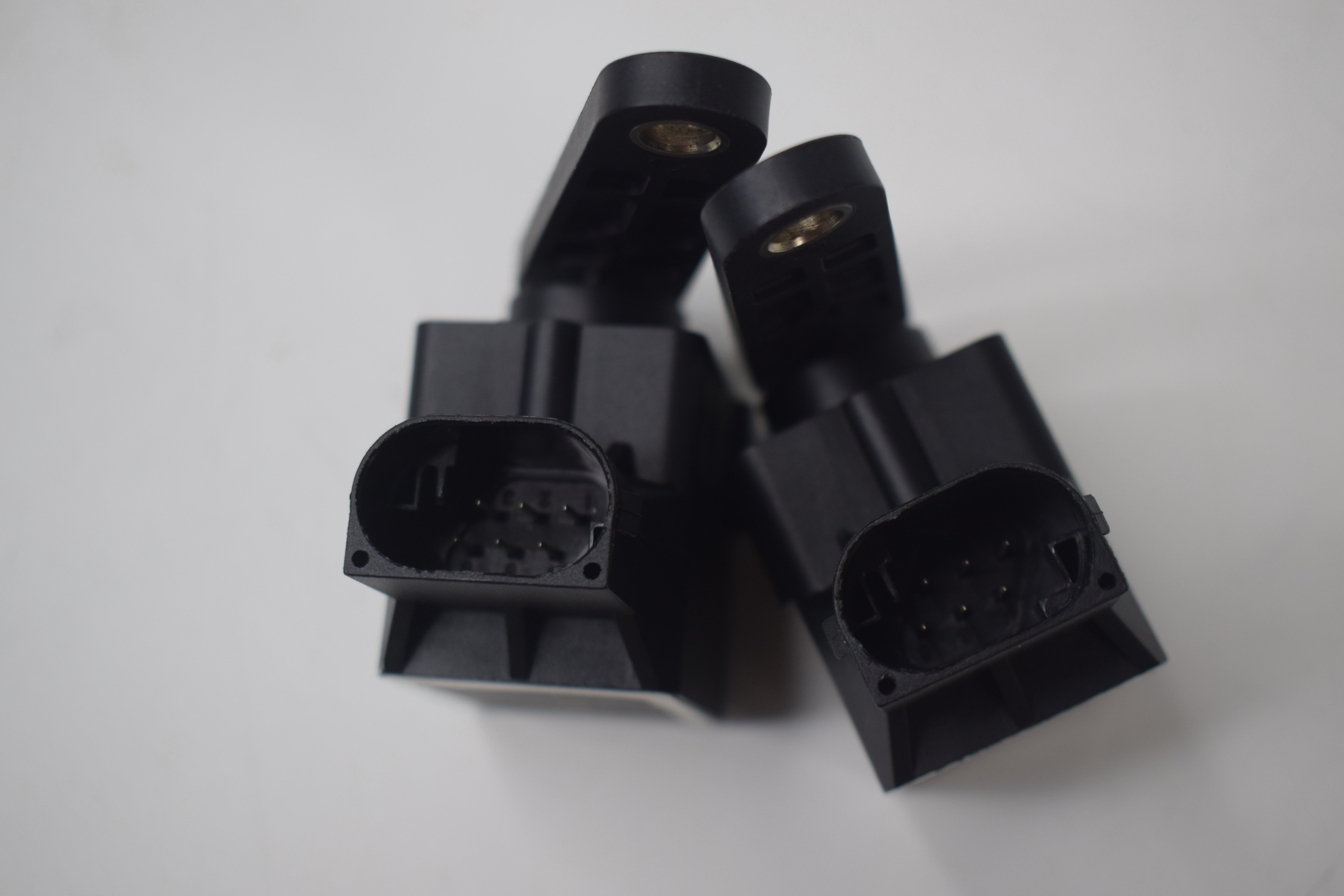
How an Air Suspension Valve Regulates Airflow
Directing Compressed Air Through the System
An air suspension valve manages airflow through internal passages and valve ports. Depending on the system design, it directs compressed air toward the air springs or allows air to be released when a pressure or ride-height adjustment is required. This controlled routing helps the suspension system respond to changing load conditions and maintain its intended operating position.
The valve does not work independently. Its performance depends on the compressor, air springs, control unit, sensors, and other connected components. When these parts operate correctly together, the valve can direct air where it is needed without unnecessary flow restriction or leakage. Selecting a valve with suitable flow characteristics and connection specifications is therefore essential for maintaining system performance.
Supporting Pressure Adjustment
Air suspension systems may need to adjust air pressure as vehicle loads and operating conditions change. An air suspension valve helps manage the air entering or leaving the air springs, allowing the system to make the required adjustments. In electronically controlled systems, the control unit may use sensor information to determine when a valve should open or close.
The actual response depends on the valve design, electrical control strategy, air supply, and overall system configuration. A suitable valve supports predictable pressure regulation, while an incompatible or poorly functioning component can interfere with normal suspension adjustment.
Key Factors That Affect Airflow Efficiency
Internal Flow Passage Design
The dimensions and layout of internal passages influence how easily compressed air moves through an air suspension valve. Excessive flow restriction can slow pressure changes, while an appropriate passage design helps the valve meet the airflow requirements of its intended application.
When evaluating a valve, buyers should consider its rated flow characteristics and pressure requirements rather than assuming that every valve is suitable for every suspension system. The correct specifications depend on the number of controlled air circuits, system layout, and intended vehicle application.
Sealing Performance and Air Leakage Prevention
Effective sealing is essential for maintaining air suspension system pressure. Worn seals, damaged sealing surfaces, contamination, or poor component fit can allow compressed air to escape. Leakage may cause the compressor to run more frequently as the system attempts to restore the required pressure.
A well-manufactured air suspension valve should provide reliable sealing under its specified operating conditions. Consistent seal quality, suitable material selection, and appropriate assembly processes help reduce leakage risks and support long-term reliability. For replacement parts, checking seal condition and confirming compatibility with the original system are important steps.
Material Quality and Manufacturing Consistency
An air suspension valve operates in an environment where pressure changes, vibration, temperature variation, and moisture may affect component performance. Materials and surface finishes should be appropriate for the valve's intended operating conditions. Internal components must also be manufactured and assembled consistently to support reliable airflow control.
Manufacturing quality matters across the entire assembly, including the valve body, seals, internal moving parts, electrical connections where applicable, and air ports. Consistent production processes and inspection procedures can help reduce variations between units, which is especially important for distributors and businesses purchasing replacement components in volume.
How Efficient Airflow Supports Suspension System Performance
Maintaining the Required Ride Height
Air suspension systems use compressed air to support vehicle loads and adjust ride height according to their design. The valve helps control the air supplied to or released from the air springs, supporting the system's ability to reach and maintain the intended position.
If airflow is restricted or the valve leaks, ride-height adjustments may become slower or less consistent. However, similar symptoms can also result from air spring leaks, compressor problems, sensor faults, or control system issues. A complete diagnosis is necessary before deciding whether the valve needs repair or replacement.
Reducing Unnecessary Compressor Operation
Air leakage can cause an air suspension compressor to operate more often than necessary as it attempts to replenish lost air. By maintaining effective sealing and directing airflow as intended, a properly functioning valve can help prevent avoidable air loss and reduce unnecessary demand on the compressor.
The overall effect depends on the condition of the complete air suspension system. Replacing a faulty valve may help address leakage or airflow problems, but it cannot compensate for a damaged compressor, leaking air spring, or other underlying fault. Regular inspection of connected components helps identify the actual cause of inefficient operation.
Choosing an Air Suspension Valve for the Right Application
Check Vehicle and System Compatibility
Air suspension valves are not universally interchangeable. Differences in port configuration, mounting dimensions, electrical connectors, operating pressure, and control logic can affect whether a valve works correctly in a particular system.
Before purchasing a replacement, buyers should verify the relevant part number, product specifications, connector type, and installation requirements. When the original part number is unavailable, clear product photographs and technical details can help suppliers identify a potential match, although compatibility should still be confirmed before installation.
Evaluate Quality Control and Product Testing
Quality control is an important consideration when sourcing air suspension valves for repair, distribution, or vehicle component supply. Depending on the product design, relevant checks may include leakage testing, functional operation, electrical inspection for solenoid-equipped models, and verification of key dimensions and connections.
Buyers should ask suppliers which inspections are performed and whether the testing procedures match the valve's intended application. Clear specifications and consistent quality records make it easier to evaluate product suitability and manage repeat orders.
Consider OEM, ODM, and Bulk Supply Requirements
For automotive parts distributors, repair networks, and suspension system businesses, sourcing decisions involve more than the unit price. Product range, order consistency, packaging requirements, lead times, and communication about technical specifications can all affect the purchasing process.
When working with an air suspension valve supplier, buyers should clarify the required applications, target specifications, order quantities, and any OEM or ODM requirements. A supplier that can provide clear product information and confirm compatibility before production or shipment can help reduce the risk of ordering unsuitable components.
Common Signs of Air Suspension Valve Problems
A faulty or inefficient air suspension valve may contribute to several system symptoms, although these signs can also have other causes. Common indicators include:
- Air pressure that is difficult to maintain because of a suspected leak.
- Uneven or inconsistent ride-height adjustment.
- Unusual compressor operating frequency.
- Air escaping from the valve area or its connections.
- Suspension system warnings or abnormal operation in electronically controlled systems.
When these symptoms appear, technicians should inspect the valve, air lines, seals, air springs, compressor, and relevant control components. Confirming the source of the problem before replacement helps avoid unnecessary parts costs and repeat repairs.
FAQ
How does an air suspension valve improve airflow efficiency?
An air suspension valve directs compressed air through the required passages and controls when air enters or leaves the air springs. Suitable flow characteristics, reliable sealing, and correct system compatibility help support effective pressure adjustment and reduce unnecessary air loss.
Can a faulty air suspension valve cause the compressor to run frequently?
Yes. If a valve or its seals allow air to leak, the compressor may need to replenish the lost air more frequently. However, compressor problems and leaks elsewhere in the system can produce similar symptoms, so the complete assembly should be checked before replacing the valve.
Are all air suspension valves compatible with every vehicle?
No. Air suspension valves can differ in port layout, mounting design, electrical connections, operating specifications, and control requirements. Buyers should confirm the part number and application details before ordering a replacement.
What should buyers check when sourcing air suspension valves in bulk?
Buyers should review application compatibility, product specifications, sealing performance, relevant quality inspections, order consistency, lead times, and supplier communication. For OEM or ODM orders, technical requirements and sample approval procedures should be agreed upon before production.
Conclusion
An air suspension valve supports airflow efficiency by directing compressed air, enabling pressure adjustment, and helping prevent unnecessary air loss. Its performance depends on suitable internal flow design, reliable sealing, manufacturing consistency, and compatibility with the complete suspension system. For repair centers, distributors, and automotive component buyers, checking these factors helps support more reliable product selection and long-term suspension system operation.