
 EN


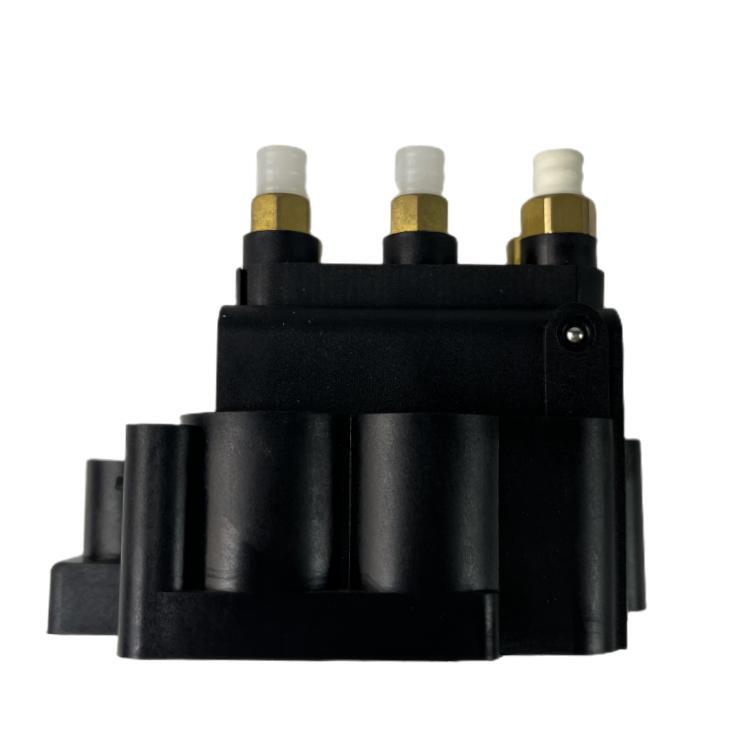
An air suspension valve plays an important role in regulating compressed air within a vehicle's suspension system. Depending on the system design, it helps direct airflow to the appropriate components and supports ride-height adjustment. Its sealing performance, internal construction, electrical function where applicable, and compatibility with the surrounding system can all affect overall reliability.
For automotive parts distributors, repair centers, importers, and wholesalers, understanding the features of a high-quality air suspension valve is important when evaluating replacement components. Product appearance alone is not enough to establish quality. Buyers should also consider material selection, manufacturing consistency, leakage control, functional testing, and application compatibility. This guide explains the key characteristics to evaluate when sourcing air suspension valves for different vehicle applications.
Accurate Airflow Control and Consistent Operation
Reliable Valve Response
A high-quality air suspension valve should respond consistently to the operating conditions and control signals for which it is designed. In systems that use electronically controlled solenoid valves, reliable actuation helps regulate airflow during ride-height adjustments. In other designs, the valve's mechanical construction and operating characteristics determine how effectively it directs or controls compressed air.
When evaluating a valve, buyers should consider whether its operating characteristics match the requirements of the intended application. Inconsistent operation, sticking, or internal leakage can interfere with suspension adjustment and may contribute to recurring service problems. Product-specific functional testing provides a more useful basis for evaluation than general claims about response speed.
Stable Sealing and Pressure Retention
Effective sealing is a fundamental characteristic of an air suspension valve. Internal seals and connection interfaces must be suitable for the operating pressure and environmental conditions specified for the product. If sealing performance deteriorates, compressed air may escape, making it more difficult for the suspension system to maintain the intended ride height.
Buyers should review relevant leakage-test procedures and product specifications when comparing suppliers. Test conditions and acceptance criteria should be appropriate for the particular valve design. Clear testing information helps distributors and repair businesses assess product consistency without relying on unsupported pressure tolerances or performance promises.
Material Quality and Structural Durability
Suitable Housing and Internal Components
The valve housing and internal components need to withstand the pressure, vibration, and environmental exposure associated with their intended application. Depending on the design, manufacturers may use metal housings, engineered polymers, precision-machined passages, and other materials selected for the product's operating requirements.
A high-quality air suspension valve should have consistent dimensions, sound construction, and properly finished connection points. Manufacturing defects, damaged sealing surfaces, or inconsistent internal clearances can affect assembly and operation. Buyers should review available material and dimensional information when these details are relevant to their purchasing requirements.
Seal Durability and Environmental Resistance
Sealing materials are another important consideration because they are exposed to pressure changes, temperature variations, moisture, and vibration during service. Material suitability depends on the valve design and the conditions in which the component will operate.
Rather than assuming that a particular seal material is suitable for every vehicle application, buyers should confirm that the selected product has been designed for its intended operating environment. Relevant durability and leakage tests can help demonstrate whether the sealing system meets the supplier's stated requirements.
Consistent Internal Air Passages
The dimensions and finish of internal air passages influence how compressed air moves through a valve. Manufacturing consistency is important because unintended restrictions, burrs, contamination, or dimensional variation may affect airflow and valve operation.
Appropriate production controls and inspection procedures help manufacturers maintain consistent internal geometry. For buyers sourcing replacement air suspension valves in volume, dimensional consistency can also make product evaluation and inventory management more straightforward.
Electrical Reliability and System Compatibility
Electrical Connections and Solenoid Performance
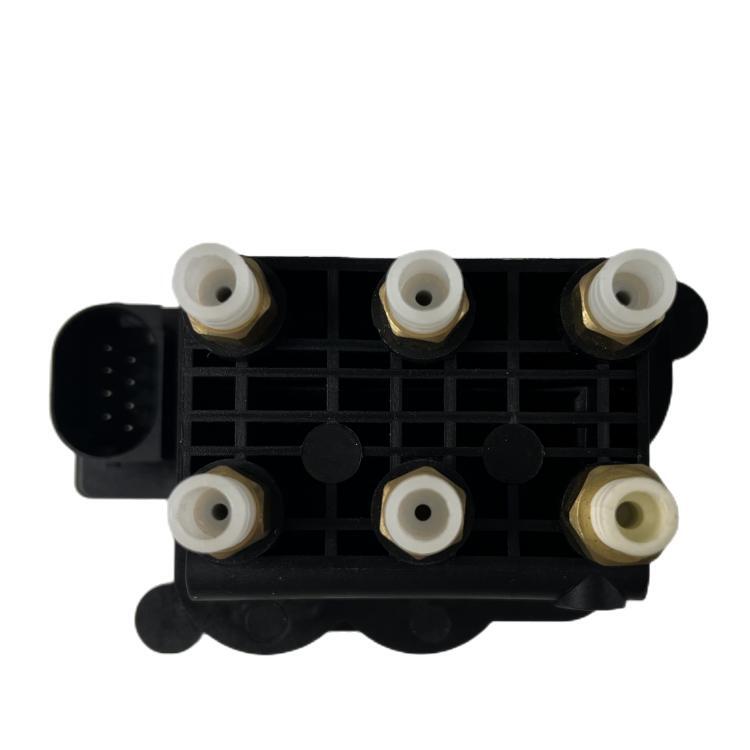
For electrically operated air suspension valves, the solenoid and electrical connection are important parts of the overall design. The connector configuration, pin arrangement, electrical characteristics, and actuation requirements must match the intended application.
A poor electrical connection or an incompatible solenoid can prevent the valve from operating correctly even when the physical component appears suitable. Buyers should therefore confirm the relevant electrical specifications and verify compatibility before ordering a replacement valve.
Port Configuration and Mounting Dimensions
Air suspension valves may differ in the number and arrangement of air ports, connection sizes, mounting points, and overall dimensions. These details determine whether the component can connect correctly to the existing air lines and mounting structure.
A valve that looks similar to the original component may still have an incompatible port layout or connector configuration. Checking product references, technical drawings, dimensions, and application information can help reduce incorrect orders and installation problems.
Compatibility With the Intended Vehicle Application
Compatibility is one of the most important selection criteria for replacement air suspension valves. Different suspension systems may use different control arrangements, operating specifications, and physical interfaces. A product should not be considered interchangeable solely because it shares a similar appearance or general product description.
Repair centers and parts distributors should verify the application information supplied by the manufacturer and compare it with the component being replaced. Confirming compatibility before purchase can reduce returns, installation delays, and avoidable troubleshooting.
Quality Control and Product Testing
Leakage and Functional Testing
Quality-control procedures help determine whether an air suspension valve meets the manufacturer's defined requirements. Depending on the product design, testing may include leakage checks, valve actuation tests, electrical checks, dimensional inspection, or other functional evaluations.
Buyers should ask which tests are performed on the specific product and how the results are evaluated. A clear description of the inspection process provides a more meaningful basis for supplier comparison than a general statement that every component has passed strict testing.
Dimensional Inspection and Manufacturing Consistency
Consistent dimensions are important for correct installation and reliable connections. Manufacturers may use inspection procedures to verify housing dimensions, port locations, mounting features, and other product-specific characteristics.
For businesses purchasing multiple units, consistent production quality helps reduce variation between batches. Buyers can discuss inspection records, product identification, and available quality documentation with suppliers when these are relevant to their procurement process.
Durability Evaluation for Intended Operating Conditions
Depending on the product and its intended application, durability evaluation may include pressure cycling, temperature exposure, vibration testing, or other relevant procedures. The appropriate test methods and acceptance criteria vary according to the component design and applicable requirements.
Testing information should be specific to the product being purchased. Buyers should avoid assuming that one test result automatically proves suitability for every vehicle or operating environment. Reviewing the stated test conditions and product specifications helps establish whether the evidence is relevant to the intended use.
How to Select an Air Suspension Valve Supplier
Review Product Information and Application Coverage
Automotive parts distributors, importers, and wholesalers often need to source multiple replacement components for different applications. A supplier's product information should clearly identify the valve type, available references, relevant specifications, and application details.
Clear documentation makes it easier to compare products, confirm compatibility, and maintain accurate inventory records. Buyers should request clarification whenever specifications or application information are incomplete.
Evaluate Quality Assurance and Communication
A reliable supplier should be able to explain the product's specifications, applicable quality-control procedures, and available supporting documentation. Prompt communication about compatibility questions, product changes, and order requirements can also help buyers manage sourcing more effectively.
For recurring purchases, buyers may also wish to discuss batch consistency, packaging, lead times, and the process for handling quality concerns. These factors contribute to supplier evaluation alongside the product's technical characteristics and commercial terms.
Consider Wholesale and OEM or ODM Requirements
Businesses purchasing air suspension valves for resale or integration into their own product range may have requirements related to order quantities, packaging, product identification, or customization. Depending on the supplier's capabilities and the specific product, OEM or ODM arrangements may be worth discussing.
Before confirming an order, buyers should clarify the scope of any customization, applicable minimum quantities, sample or approval procedures, production lead times, and documentation requirements. Confirming these details in advance helps align the supplier's offering with the buyer's business needs.
Common Signs That an Air Suspension Valve Needs Inspection
Several symptoms may indicate a problem with an air suspension valve or another part of the air suspension system. These can include uneven ride height, difficulty adjusting suspension height, air leakage near valve connections, abnormal compressor operation, or a suspension-related warning message.
These symptoms do not automatically confirm that the valve itself has failed. Similar problems may be caused by leaking air springs, damaged air lines, compressor faults, sensor issues, or electrical problems. A systematic inspection helps technicians identify the actual cause before replacing components.
When replacement is necessary, the new valve should be checked against the original component's relevant specifications and application requirements. After installation, the workshop should follow the applicable service procedure and verify that the system operates correctly.
Frequently Asked Questions
What are the most important features of a high-quality air suspension valve?
Important features include reliable valve operation, effective sealing, suitable materials, consistent manufacturing dimensions, appropriate electrical characteristics where applicable, and compatibility with the intended suspension system. Relevant product testing and clear technical documentation also help buyers evaluate quality.
How can buyers evaluate the quality of an air suspension valve?
Buyers can review product specifications, inspect construction and connection details, confirm application compatibility, and ask about relevant leakage, functional, electrical, and dimensional tests. Available quality documentation should relate to the specific product rather than relying solely on broad supplier claims.
Does every air suspension valve use electronic controls?
No. Valve designs vary by application. Some air suspension valves use electrically operated solenoids, while other designs use different mechanical or pneumatic control arrangements. Buyers should confirm the valve type and operating method before selecting a replacement.
What should be checked before replacing an air suspension valve?
Technicians should investigate the reported symptoms, check for leakage and visible damage, assess relevant electrical connections where applicable, and determine whether the fault originates from the valve or another system component. Replacement compatibility should be confirmed before installation.
What should wholesalers consider when sourcing air suspension valves?
Wholesalers should evaluate application coverage, product references, technical specifications, manufacturing consistency, relevant quality-control information, order quantities, packaging, and lead times. Clear supplier communication can help reduce compatibility errors and support more efficient inventory planning.
Conclusion
A high-quality air suspension valve is defined by more than its external appearance. Reliable operation, effective sealing, suitable materials, consistent manufacturing, electrical and physical compatibility, and relevant quality testing all contribute to its suitability for a particular vehicle application.
For automotive repair centers and parts buyers, evaluating these characteristics helps support more informed purchasing decisions. By confirming product specifications, reviewing available testing information, and working with suppliers who can clearly explain their products, businesses can select air suspension valves that better match their technical and sourcing requirements.
Table of Contents
- Accurate Airflow Control and Consistent Operation
- Material Quality and Structural Durability
- Electrical Reliability and System Compatibility
- Quality Control and Product Testing
- How to Select an Air Suspension Valve Supplier
- Common Signs That an Air Suspension Valve Needs Inspection
-
Frequently Asked Questions
- What are the most important features of a high-quality air suspension valve?
- How can buyers evaluate the quality of an air suspension valve?
- Does every air suspension valve use electronic controls?
- What should be checked before replacing an air suspension valve?
- What should wholesalers consider when sourcing air suspension valves?
- Conclusion