
 EN


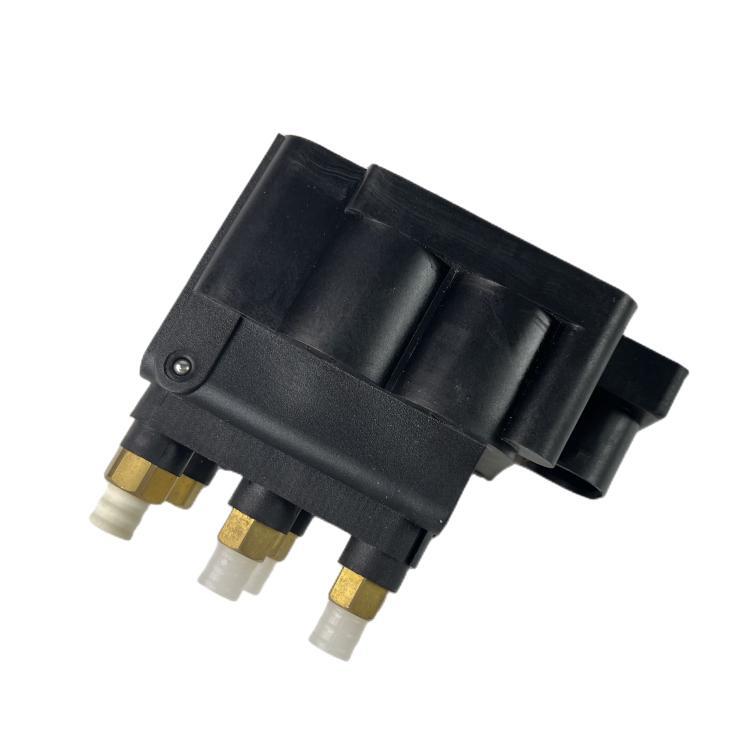
Air suspension valve components help regulate the movement of compressed air within an air suspension system. Depending on the system design, a valve block may distribute air to different suspension units, support ride-height adjustment, and work with electronic controls to maintain the required vehicle position. When a valve or its connections develop a fault, the vehicle may experience uneven ride height, air leakage, or inconsistent suspension operation.
For automotive repair centers, regular inspection helps identify potential problems before unnecessary parts replacement or more extensive repairs are required. By checking valve blocks, air lines, electrical connections, and related components, technicians can make better-informed service decisions. This guide explains what repair centers look for during an inspection, why accurate diagnosis matters, and what parts buyers should consider when sourcing replacement air suspension valve components.
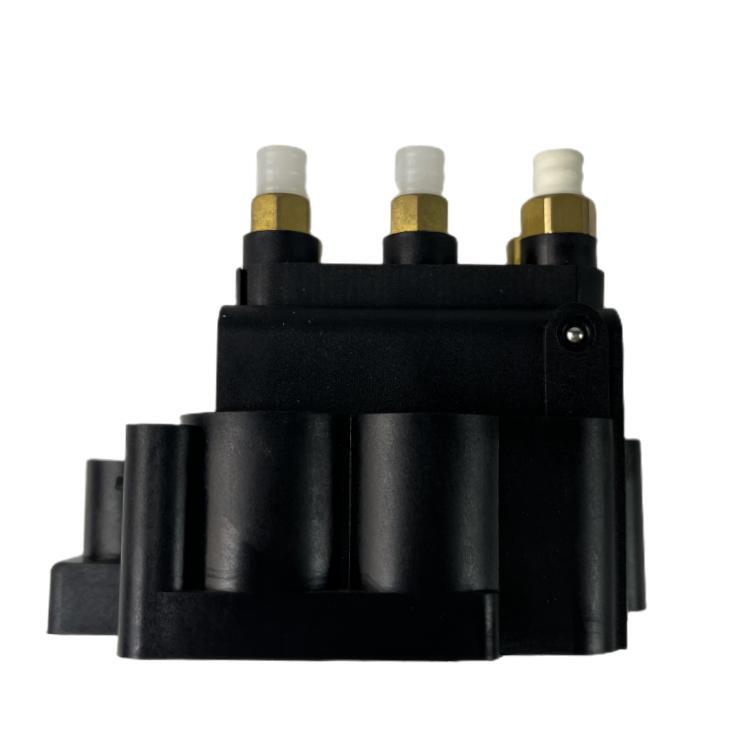
Identifying Common Air Suspension Valve Problems
Air Leakage Around Valves and Connections
Air leakage is one possible cause of air suspension performance problems. Leaks may occur around valve seals, air-line connections, fittings, or other parts of the pneumatic system. Depending on the location and severity of the leak, a vehicle may sit lower than expected after parking, lose ride height unevenly, or require the compressor to run more frequently.
During inspection, technicians should check accessible connections and use appropriate leak-detection procedures to locate the source of the problem. A leaking connection does not necessarily mean the entire valve block must be replaced. The correct repair depends on the affected area, the valve block design, and whether the faulty part can be serviced reliably.
Valve Operation and Ride-Height Problems
Air suspension valve blocks control air distribution within the system. If a valve sticks, fails to seal correctly, or does not respond as intended, the suspension may have difficulty raising or lowering the vehicle to the requested height. Similar symptoms can also result from air leaks, sensor faults, compressor problems, or electronic control issues.
Repair centers should therefore evaluate valve operation alongside other system components rather than relying on a single symptom. Diagnostic results, physical inspection, and the vehicle's service information help technicians determine whether the valve block is the actual source of the fault.
Electrical Connections and Solenoid Response
Some air suspension valve blocks use electrically controlled solenoid valves. Damaged wiring, loose connectors, corrosion, or a malfunctioning solenoid may interfere with valve operation. Where electronic faults are suspected, technicians can inspect the wiring and connectors and use suitable diagnostic equipment to assess the system.
A warning message or fault code alone does not always prove that the valve block has failed. Checking the relevant electrical circuits and related components can help prevent unnecessary replacement and improve the accuracy of the repair recommendation.
Why Regular Inspection Matters for Repair Centers
Detecting Problems Before They Become More Extensive
Early inspection can help identify developing leaks, damaged connectors, or abnormal valve behavior before the vehicle experiences more noticeable suspension problems. It also gives technicians an opportunity to check whether other components, such as air springs, compressors, and air lines, may be contributing to the symptoms.
Inspection does not guarantee that every failure can be prevented. However, a consistent diagnostic process can help repair centers recognize faults earlier, explain the condition of the system to customers, and choose an appropriate repair or replacement approach.
Reducing Unnecessary Parts Replacement
Several air suspension faults can produce similar symptoms. For example, uneven ride height may be associated with a leaking air spring, a faulty valve block, a compressor problem, or inaccurate height-sensor information. Replacing a valve block without confirming the cause may leave the original problem unresolved.
A structured inspection helps technicians distinguish between these possibilities. By identifying the faulty component before ordering parts, workshops can reduce avoidable replacement costs, minimize repeat diagnostic work, and improve communication with customers.
Supporting Consistent Repair Quality
Documented inspection procedures help repair centers follow a consistent approach across different vehicles and service cases. Recording the reported symptoms, diagnostic findings, visible damage, and repair actions can make future troubleshooting easier, particularly when a vehicle returns with a related complaint.
Repair centers should follow the applicable service information for the vehicle and the specific air suspension system. Inspection procedures and service intervals can differ by design, so a universal mileage-based schedule should not be assumed to apply to every vehicle.
How Technicians Inspect Air Suspension Valve Components
Visual Inspection of the Valve Block and Air Lines
A visual inspection can reveal damaged housings, loose fittings, deteriorated connectors, visible contamination, or signs of leakage. Technicians should also examine nearby air lines and mounting points because a problem outside the valve block may affect overall system operation.
Visible condition is only one part of the assessment. A valve block may appear intact while still having an internal sealing or electrical problem. Further testing may be needed when the symptoms cannot be explained by visual findings alone.
Leak Testing and Functional Checks
When air leakage is suspected, technicians can use an appropriate leak-detection method to check the relevant connections and components. Functional checks can help establish whether the system responds correctly to ride-height commands and whether the compressor and valves operate as expected.
Testing should follow the applicable service procedure and account for the design of the system. Technicians should not assume that every pressure or response value is the same across different air suspension applications.
Electronic Diagnosis and Fault Confirmation
Where electronic control is involved, diagnostic equipment may help identify stored fault codes and provide information about related sensors, solenoids, or control circuits. These results should be interpreted alongside physical checks and system behavior rather than treated as automatic confirmation that a specific part needs replacement.
Once the fault has been isolated, the repair center can determine whether the appropriate solution is a connection repair, a serviceable component replacement, or replacement of the complete valve block.
Repair or Replace: Choosing the Appropriate Solution
When a Localized Repair May Be Suitable
If inspection identifies a problem with an accessible air-line connection, wiring connector, or another serviceable part, a localized repair may be sufficient. The decision depends on the system design, the condition of the affected component, and the repair procedures available for that application.
Technicians should verify that the repair resolves the underlying fault and that the system operates as intended afterward. Replacing a complete valve block is not automatically necessary whenever an air suspension problem is detected.
When Valve Block Replacement May Be Necessary
Replacement may be appropriate when a valve block has confirmed internal damage, a non-serviceable sealing failure, a persistent solenoid fault, or another defect that cannot be corrected through an approved repair procedure. Parts availability and the estimated cost of diagnosis, repair, and replacement may also influence the final decision.
Before installation, the replacement valve block should be checked for application compatibility, connector configuration, air-port arrangement, and relevant product specifications. After installation, technicians should complete the required functional checks and any applicable calibration or system procedures.
What Parts Buyers Should Check When Sourcing Valve Blocks
Application and Product Compatibility
For importers, distributors, wholesalers, and automotive parts suppliers, compatibility information is a key purchasing consideration. Valve blocks that look similar may have different port layouts, connectors, operating specifications, or vehicle applications. Buyers should verify product references and technical details before confirming an order.
Clear product identification can also help reduce inventory errors. For businesses managing multiple air suspension product categories, consistent part references and application information make it easier to match stock with workshop requirements.
Manufacturing Quality and Inspection Information
When comparing suppliers, buyers should review the product's construction, material information where available, manufacturing consistency, and relevant quality-control procedures. Depending on the product, applicable checks may include leakage testing, electrical testing, dimensional inspection, or functional testing.
Buyers should ask suppliers which inspection procedures apply to the specific valve block and what supporting information can be provided. Product-specific details are more useful for purchasing decisions than broad claims that are not backed by clear evidence.
Inventory, Lead Times, and OEM or ODM Requirements
Parts distributors and repair businesses may need reliable access to valve blocks alongside air shock absorbers, air springs, compressors, and related repair components. When evaluating a supplier, buyers can confirm product availability, minimum order quantities, lead times, packaging options, and the scope of any OEM or ODM services.
These details can help businesses plan replenishment and manage customer expectations. Availability and customization options vary by supplier and product, so they should be confirmed before an order is placed.
Frequently Asked Questions
How often should air suspension valve components be inspected?
Inspection frequency depends on the vehicle manufacturer's maintenance guidance, the system design, operating conditions, and any symptoms or previous faults. Repair centers should follow the relevant service information and inspect the system sooner when there are signs of leakage, uneven ride height, abnormal compressor operation, or suspension warnings. A single mileage interval should not be treated as universal for all vehicles.
What are the common signs of a faulty air suspension valve block?
Possible signs include uneven ride height, difficulty adjusting suspension height, air leakage around the valve block or its connections, and related diagnostic fault codes. These symptoms can also be caused by other suspension components, so testing is needed to identify the actual source.
Does every valve block problem require complete replacement?
No. Some issues may be resolved by repairing an accessible connection or addressing an external electrical problem. Replacement may be necessary when inspection confirms an internal or non-serviceable fault. The appropriate solution depends on the component design and the results of diagnosis.
Can vehicle owners inspect air suspension valve components themselves?
Vehicle owners may notice visible damage, unusual vehicle height, warning messages, or abnormal compressor activity. However, internal valve operation and electrical faults may require professional diagnostic equipment and technical knowledge. Suspected suspension faults should be assessed by a qualified technician, especially if vehicle stability or ride height is affected.
What should wholesalers check before ordering air suspension valve blocks?
Wholesalers should confirm product references, application compatibility, port and connector configurations, available technical specifications, quality-control information, order quantities, and lead times. Clear communication with the supplier can reduce ordering errors and help ensure the selected parts meet customer requirements.
Conclusion
Regular inspection of air suspension valve components helps repair centers identify potential leaks, assess valve operation, investigate electrical faults, and distinguish valve-block problems from faults elsewhere in the system. A structured diagnostic process can reduce unnecessary replacement and support more appropriate repair decisions.
For automotive parts buyers, product compatibility, clear specifications, relevant quality-control information, and dependable supply arrangements are important when sourcing replacement valve blocks. Combining accurate diagnosis with careful parts selection helps workshops and distributors support effective air suspension maintenance.
Table of Contents
- Identifying Common Air Suspension Valve Problems
- Why Regular Inspection Matters for Repair Centers
- How Technicians Inspect Air Suspension Valve Components
- Repair or Replace: Choosing the Appropriate Solution
- What Parts Buyers Should Check When Sourcing Valve Blocks
-
Frequently Asked Questions
- How often should air suspension valve components be inspected?
- What are the common signs of a faulty air suspension valve block?
- Does every valve block problem require complete replacement?
- Can vehicle owners inspect air suspension valve components themselves?
- What should wholesalers check before ordering air suspension valve blocks?
- Conclusion