
 EN


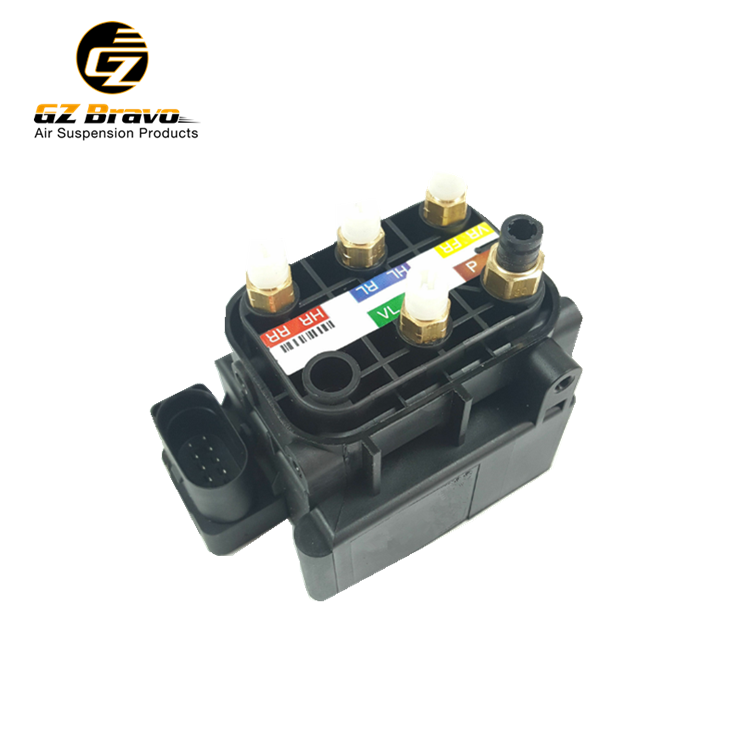
An air suspension valve plays an important role in controlling compressed air within an air suspension system. It directs airflow between connected components, including the air compressor, air reservoir where fitted, and air springs, helping the system adjust and maintain the required pressure. Its sealing performance, internal design, and compatibility with the complete suspension assembly can all affect system reliability. For automotive parts distributors, repair centers, and suspension component suppliers, understanding the valve's role in pressure control helps with product selection, fault diagnosis, and replacement planning.
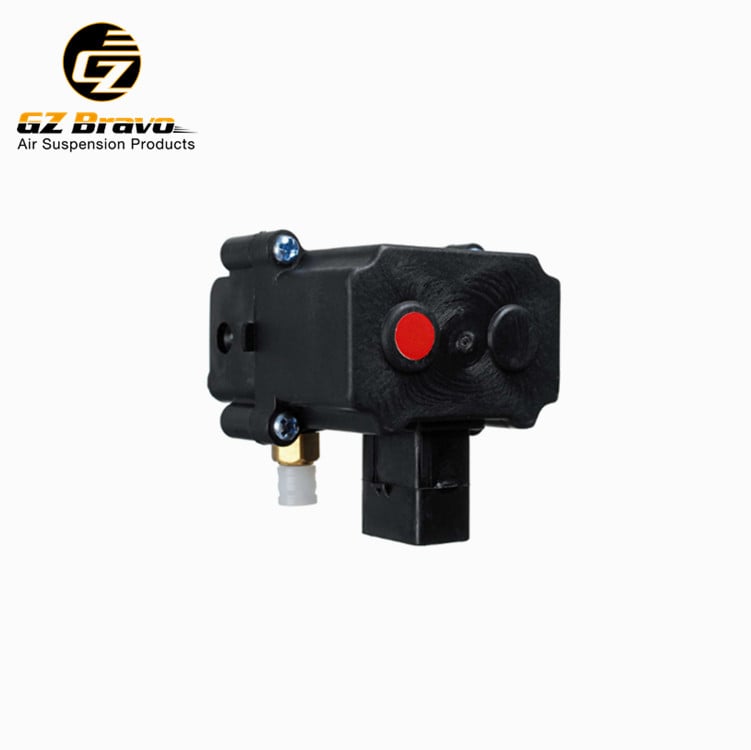
Accurate suspension pressure depends on several components working together. The compressor supplies compressed air, the air springs support the vehicle, and the control system manages adjustments according to the system design. The air suspension valve helps direct that air through the correct passages. If the valve leaks, becomes restricted, or fails to operate as intended, the system may struggle to maintain the required pressure or ride height. However, similar symptoms can also result from faults in other suspension components, so diagnosis should consider the complete system.
How an Air Suspension Valve Helps Control Pressure
Regulating Airflow Into and Out of Air Springs
An air suspension valve controls airflow through internal ports and passages. Depending on the system configuration, it can direct compressed air toward the air springs or allow air to escape when a pressure or ride-height adjustment is required. This process helps the suspension system respond to changes in vehicle load and maintain its intended operating position.
In electronically controlled systems, a control unit may use information from ride-height sensors and other inputs to determine when adjustments are needed. The valve then operates according to the system's control strategy. The accuracy of the final pressure adjustment depends not only on the valve itself but also on sensor information, compressor performance, system calibration, and the condition of the connected components.
Supporting Consistent Pressure Distribution
Some air suspension valve blocks manage airflow to multiple air springs through separate ports or circuits. Their internal design determines how air is routed within the system. Correct operation helps the suspension make the adjustments required by its configuration and load conditions.
Pressure does not necessarily need to be identical at every wheel. Different suspension layouts and load conditions may require different pressure levels to achieve the intended ride height and support. For this reason, a suitable air suspension valve must match the original system design rather than relying on a universal pressure setting.
Why Accurate Pressure Control Matters
Maintaining Ride Height and Ride Comfort
Air suspension systems use compressed air to support vehicle loads and adjust ride height. If pressure cannot be maintained, the vehicle may sit lower than expected or show uneven ride height. A properly functioning air suspension valve helps the system direct air as required, supporting consistent operation when the compressor, sensors, air springs, and control unit are also working correctly.
Pressure control is only one factor affecting ride comfort. Air spring condition, shock absorber performance, suspension geometry, and system calibration also influence how the vehicle responds to road surfaces. When evaluating a pressure-related complaint, technicians should inspect these related components rather than assuming that the valve is always the cause.
Helping Prevent Air Loss and Unnecessary Compressor Operation
Leakage at a valve, seal, or connection can allow compressed air to escape. When system pressure falls, the compressor may need to run more frequently to restore the required pressure. Over time, an unresolved leak can place additional demand on the compressor and affect the reliability of the overall air suspension system.
A valve with reliable sealing performance helps limit unintended air loss under its specified operating conditions. However, the condition of air lines, fittings, air springs, and other connections is equally important. Leak testing can help identify the source of pressure loss before replacement parts are ordered.
Supporting Reliable Suspension Operation
When pressure adjustment does not work as intended, the suspension may be unable to maintain its designed ride height or respond normally to system commands. The resulting symptoms vary according to the vehicle and the type of fault. Correct pressure control therefore depends on selecting a compatible valve and ensuring that the complete air suspension system is functioning as designed.
A replacement valve cannot correct every suspension problem. If the compressor is weak, an air spring is leaking, or a sensor provides incorrect information, installing a new valve alone may not restore normal operation. Accurate diagnosis helps reduce repeat repairs and unnecessary component replacement.
Factors That Affect Air Suspension Valve Pressure Control
Valve Design and Internal Sealing
Internal passages, moving components, and sealing surfaces influence how an air suspension valve directs and retains compressed air. Worn seals, contamination, damaged surfaces, or inconsistent assembly can contribute to leakage or unreliable operation.
When evaluating valve quality, buyers should consider the design requirements of the intended application, the consistency of manufacturing, and the supplier's quality inspection procedures. Appropriate materials and reliable assembly processes help support performance under the specified pressure and environmental conditions.
Electrical Compatibility and Control Signals
Many air suspension valve blocks use electrically operated solenoids, although the design varies by application. For these products, connector configuration, electrical characteristics, and control-system compatibility are important selection factors. A valve that does not match the vehicle's electrical or control requirements may fail to operate correctly even if its external dimensions appear suitable.
When troubleshooting an electronically controlled system, technicians may need to check electrical connections, wiring, control signals, and related sensors alongside the valve's mechanical operation. The appropriate diagnostic procedure depends on the system design and the manufacturer's service information.
Operating Conditions and Maintenance
Temperature changes, vibration, moisture, and contamination can affect air suspension components over time. The impact depends on the valve design, material selection, and operating environment. Keeping the air supply system in suitable condition and addressing leaks promptly can help support reliable pressure control.
There is no single inspection interval that applies to every air suspension valve. Maintenance should follow the vehicle or system manufacturer's guidance, with additional inspection when symptoms such as pressure loss, uneven ride height, or unusual compressor operation appear.
Signs of Air Suspension Valve Pressure Control Problems
A valve that is leaking, restricted, or not operating correctly may contribute to several symptoms. Common signs that warrant further inspection include:
- Ride height that drops unexpectedly or cannot be maintained.
- Uneven suspension height that persists after the system attempts to adjust.
- Air leakage detected around the valve block or connected fittings.
- More frequent compressor operation associated with pressure loss.
- Suspension warnings or abnormal system responses in electronically controlled vehicles.
These symptoms do not confirm that the air suspension valve is faulty. Technicians should check for leaks, inspect the air springs and supply lines, verify compressor operation, and assess relevant electrical and control components before deciding on a repair or replacement.
How to Choose a Suitable Replacement Air Suspension Valve
Confirm Part Number and Application Compatibility
Air suspension valves are not universally interchangeable. Differences in port arrangement, mounting dimensions, electrical connectors, pressure requirements, and control logic can affect compatibility. Buyers should verify the original part number and application details before ordering a replacement.
When the original part number is unclear, provide the supplier with available product information, photographs, and vehicle or system details. These references can help narrow down the correct component, but compatibility should be confirmed before installation.
Review Quality Inspection and Testing
For replacement parts, quality checks may include leakage testing, functional operation, dimensional verification, and electrical inspection for solenoid-equipped designs. The applicable checks depend on the valve's construction and intended use.
Automotive parts distributors and repair networks should ask suppliers which tests are performed and how product consistency is monitored. Clear specifications and repeatable inspection procedures help buyers assess suitability and manage recurring orders.
Evaluate Supplier and Bulk Purchasing Requirements
For businesses sourcing air suspension valves in volume, purchasing considerations include product coverage, specification consistency, lead times, packaging, and communication about technical requirements. Buyers with OEM or ODM needs should confirm the required design details, samples, inspection criteria, and order conditions before production begins.
A supplier that provides clear technical information and verifies application compatibility can help reduce the risk of ordering unsuitable components. This is particularly important for distributors serving multiple vehicle applications or repair businesses that need dependable replacement-part supply.
FAQ
Is an air suspension valve important for controlling suspension pressure accurately?
Yes. An air suspension valve directs compressed air through the system and helps control when air enters or leaves the air springs. Its performance supports pressure adjustment, but actual accuracy also depends on system design, sensors, the compressor, control logic, and the condition of connected components.
Can a faulty air suspension valve cause uneven ride height?
Yes. A valve that leaks or fails to direct air correctly may contribute to uneven or unstable ride height. However, leaking air springs, damaged lines, compressor faults, and sensor or control problems can cause similar symptoms. Diagnosis should cover the complete system.
How can technicians determine whether an air suspension valve is faulty?
Technicians can follow the applicable service procedure to inspect for air leaks, check valve operation, assess compressor performance, and examine related electrical or control components. The correct diagnostic steps depend on the vehicle and air suspension system design.
How often should an air suspension valve be inspected?
Inspection intervals vary by vehicle and system. Follow the manufacturer's maintenance guidance and arrange an inspection when symptoms such as persistent pressure loss, uneven ride height, or abnormal compressor operation appear. A fixed mileage interval should not be assumed to apply to every application.
Conclusion
An air suspension valve is an important part of suspension pressure control because it directs compressed air and supports the adjustments needed to maintain the intended ride height. Reliable sealing, suitable flow design, electrical compatibility where applicable, and correct system integration all influence its performance. For repair centers, distributors, and automotive parts buyers, confirming application compatibility and evaluating product quality are essential steps toward reliable air suspension system operation.