
 EN


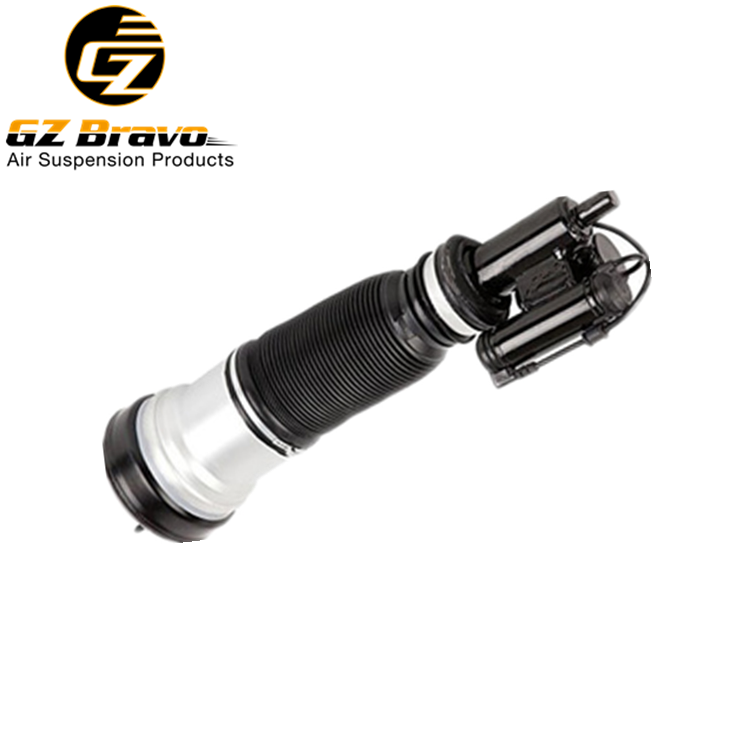
Air suspension plays an important role in the ride comfort, adjustable ride height, and handling characteristics of many luxury vehicles. For automotive workshops, maintaining these systems requires accurate diagnosis, compatible replacement parts, and a clear understanding of when repair is practical and when replacement is the better option. An air suspension problem does not always require a complete system replacement. However, when an air shock absorber or related component has deteriorated beyond reliable repair, replacing the affected part can help restore normal suspension operation.
Understanding why workshops replace air shock systems helps repair professionals make better service decisions, explain repair options to customers, and source suitable components. This guide examines common failure symptoms, the factors behind replacement decisions, and the considerations workshops should evaluate when purchasing air suspension parts for luxury vehicles.
Common Reasons Workshops Replace Air Shock Systems
Air Leaks and Loss of Ride Height
Air leakage is one of the common problems associated with air suspension systems. Cracks, worn sealing surfaces, damaged air lines, or deteriorated connections can allow air pressure to escape. Drivers may notice that one corner of the vehicle sits lower than the others, the vehicle loses height after being parked, or the suspension takes longer than usual to reach its normal position.
Before recommending replacement, technicians need to identify the source of the leak. A damaged connection or air line may require only a localized repair, while a leaking air spring integrated into an air shock assembly may require replacement of the affected unit. Accurate diagnosis helps workshops avoid replacing serviceable components and prevents repeated repairs caused by an unresolved fault.
Worn Shock Absorbers and Reduced Ride Comfort
An air shock absorber combines suspension support with damping functions. As the component wears, drivers may experience excessive bouncing, unstable body movement, reduced ride comfort, or unusual noises when driving over uneven roads. Oil leakage from the damper section, visible physical damage, or consistently poor damping performance can also indicate that the assembly needs further inspection.
If the shock absorber can no longer provide adequate damping, repairing an unrelated air leak will not resolve the entire problem. Workshops may therefore replace the affected air shock assembly when inspection confirms that the damper or another non-serviceable section has failed. The replacement decision should be based on the component design, the extent of wear, and the manufacturer's service guidance.
Repeated Compressor Operation
An air suspension compressor supplies compressed air to support ride-height adjustment. If the compressor runs unusually frequently or for extended periods, the cause may include an air leak, a restricted air supply, a faulty valve block, or compressor wear. Replacing the compressor without investigating the underlying cause may lead to the same issue recurring.
Workshops should check for leaks, inspect relevant connections, and assess compressor operation before deciding which parts to replace. Where a failed compressor has been confirmed, installing a compatible replacement can help restore the system's ability to build and maintain the required air pressure.
Why Repair Is Not Always the Best Option
Extent of Component Damage
The decision to repair or replace an air shock system depends on the location and severity of the fault. Minor issues involving accessible connections may be repairable, while a torn air spring, a severely worn damper, or a damaged integrated assembly may not offer a practical repair route.
Workshops should distinguish between faults that can be corrected through maintenance and failures that affect the structural or functional integrity of a component. Replacing only the defective part can be appropriate when the remaining components are in good condition. More extensive replacement may be considered when several related parts show significant wear or when compatible individual components are unavailable.
Labor Time and Repeat Repairs
Diagnosis, disassembly, component sourcing, and reassembly all contribute to repair time. If an aging component has several signs of deterioration, repeated attempts to repair it may increase labor costs and lead to additional workshop visits. In these circumstances, a suitable replacement component may offer a more straightforward repair process.
However, replacement should not be treated as the automatic choice. Workshops should compare the estimated cost of repair with the cost of the replacement part, installation, and any required calibration. Explaining these options clearly helps customers understand the recommendation and make an informed decision.
Parts Availability and Vehicle Downtime
Parts availability also affects workshop decisions. When a specific internal component is difficult to source, a complete replacement assembly may be more practical than attempting a repair that depends on unavailable parts. For workshops handling a range of luxury vehicles, reliable access to compatible air shock absorbers, air springs, compressors, and valve blocks can help reduce unnecessary delays.
For parts distributors and repair businesses, selecting suppliers with clearly documented product specifications and dependable inventory information makes it easier to plan orders and manage customer expectations. Compatibility should always be confirmed before installation rather than assumed from appearance alone.
Which Air Suspension Components May Need Replacement?
Air Shock Absorbers and Air Struts
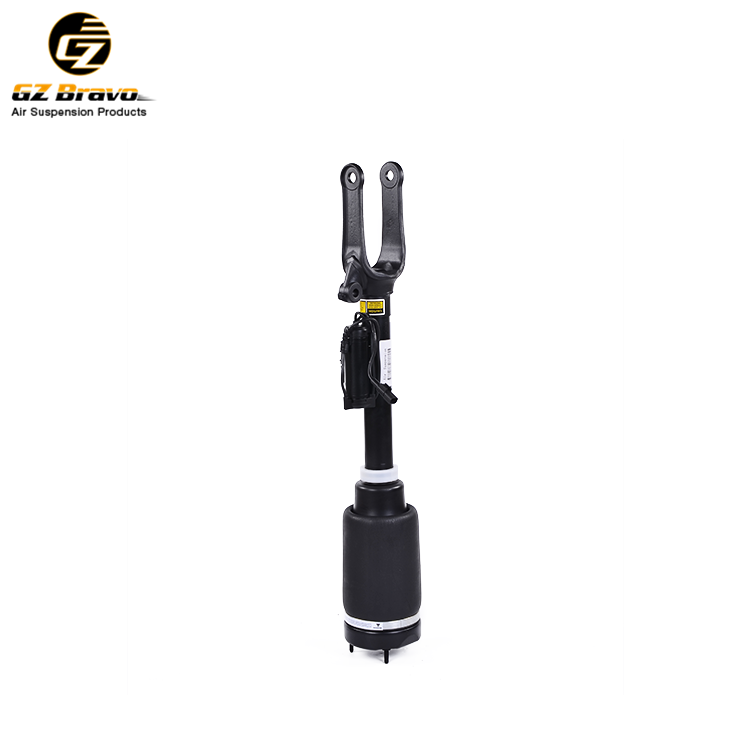
Air shock absorbers and air struts are important components in applications that combine pneumatic spring support with damping or structural mounting functions. Depending on the design, a fault may affect the air spring section, the damper, seals, or the assembly as a whole. Workshops should identify the exact component type and verify whether the replacement is supplied as an integrated assembly or as an individual part.
Air Springs
Air springs support the vehicle through compressed air contained within a flexible chamber. Material aging, surface cracking, or damage to sealing areas can cause leakage and unstable ride height. If inspection confirms that the air spring is no longer serviceable, replacement with a compatible unit may restore the pneumatic support function.
Air Suspension Compressors
A compressor may require replacement when testing confirms internal wear, an electrical fault, or an inability to generate sufficient pressure. Before installing a new unit, technicians should also investigate potential leaks and other system faults that could have caused the compressor to operate excessively. Addressing the root cause is important for preventing premature failure of the replacement part.
Solenoid Valve Blocks and Repair Kits
Solenoid valve blocks control the distribution of air within many suspension systems. Valve leakage, electrical problems, or internal malfunction may interfere with ride-height adjustment. Depending on the design and the confirmed fault, the appropriate solution may involve a repair kit, a valve-block replacement, or further diagnosis of the control system.
Workshops should avoid replacing multiple components based only on a dashboard warning or a single symptom. Diagnostic results, physical inspection, and compatibility checks provide a stronger basis for choosing the required replacement parts.
How Workshops Select Replacement Air Shock Systems
Confirming Compatibility
Compatibility is a primary consideration when sourcing replacement air shock systems for luxury vehicles. Components that appear similar may differ in dimensions, mounting points, connectors, electrical specifications, or suspension configuration. Workshops and parts buyers should verify the vehicle application and available part references before placing an order.
Accurate product descriptions and clear application information help reduce ordering mistakes. For distributors and wholesalers, consistent product identification also supports inventory management and makes it easier to match customer requirements with suitable parts.
Evaluating Product Quality
Replacement parts should be assessed according to their construction, material quality, manufacturing consistency, and relevant inspection procedures. Depending on the component, useful quality-control checks may include leakage testing, dimensional inspection, functional testing, or other procedures appropriate to the product design.
Workshops purchasing air suspension parts in volume should ask suppliers which inspection processes apply to the specific product and what documentation is available. Clear quality-control information is more useful than broad performance promises that are not supported by product-specific evidence.
Working With an Air Suspension Parts Supplier
Automotive parts distributors, importers, and repair businesses often need access to multiple air suspension product categories rather than a single component. A supplier offering air shock absorbers, air springs, compressors, solenoid valve blocks, and repair kits can help buyers consolidate sourcing when the products match their market requirements.
For buyers with recurring orders or specific product requirements, it may also be useful to discuss OEM or ODM options, product identification, packaging requirements, order quantities, and lead times. These details should be confirmed directly with the supplier because available services and production arrangements vary by product and order.
Maintenance Practices That Help Identify Problems Early
Routine inspection can help workshops identify suspension problems before they lead to more extensive repairs. Useful checks include looking for visible damage to air springs, inspecting accessible air lines and connections, checking for fluid leakage around dampers, and reviewing compressor operation when symptoms indicate a possible pressure problem.
Technicians should also pay attention to changes in ride height, unusual suspension noises, warning messages, and differences in vehicle behavior. These symptoms do not identify a failed component by themselves, so diagnostic testing should be used to determine the underlying cause.
After replacement, the workshop should follow the relevant installation instructions and complete any required system checks or calibration. Confirming normal operation before returning the vehicle to the customer helps ensure that the original complaint has been addressed.
Frequently Asked Questions
Why do automotive workshops replace air shock systems?
Workshops replace air shock systems when inspection confirms that a component is damaged, excessively worn, leaking, or unable to perform its intended function. Replacement may also be practical when repair costs are high, suitable repair parts are unavailable, or repeated repairs have not resolved the problem.
Does an air suspension fault always require a complete system replacement?
No. Some faults can be resolved by repairing a connection or replacing an individual component. The appropriate solution depends on the location of the fault, component condition, system design, parts availability, and the result of diagnostic testing.
What are the common signs of a failing air shock absorber?
Possible signs include uneven ride height, reduced ride comfort, excessive bouncing, unusual suspension noises, visible damage, or leakage around the component. These symptoms can have different causes, so a professional inspection is needed to confirm the fault.
What should parts buyers check before ordering replacement air shock systems?
Buyers should confirm vehicle application, part references, dimensions, mounting details, connector specifications where relevant, product quality information, and delivery requirements. Clear communication with the supplier can reduce compatibility problems and ordering errors.
Can air suspension parts be sourced for wholesale or OEM requirements?
Availability depends on the supplier's product range and production arrangements. Distributors and importers can ask about wholesale quantities, OEM or ODM services, packaging, product specifications, and lead times before confirming an order.
Conclusion
Automotive workshops replace air shock systems in luxury vehicles for several reasons, including air leakage, worn damping components, compressor faults, parts availability, and the cost of repeated repairs. The right decision depends on accurate diagnosis rather than a blanket preference for complete replacement.
For workshops and parts buyers, selecting compatible replacement components and working with suppliers that provide clear product information can make the repair and sourcing process more manageable. A careful approach to diagnosis, component selection, and post-installation checks helps support reliable suspension service.
Table of Contents
- Common Reasons Workshops Replace Air Shock Systems
- Why Repair Is Not Always the Best Option
- Which Air Suspension Components May Need Replacement?
- How Workshops Select Replacement Air Shock Systems
- Maintenance Practices That Help Identify Problems Early
-
Frequently Asked Questions
- Why do automotive workshops replace air shock systems?
- Does an air suspension fault always require a complete system replacement?
- What are the common signs of a failing air shock absorber?
- What should parts buyers check before ordering replacement air shock systems?
- Can air suspension parts be sourced for wholesale or OEM requirements?
- Conclusion