
 EN


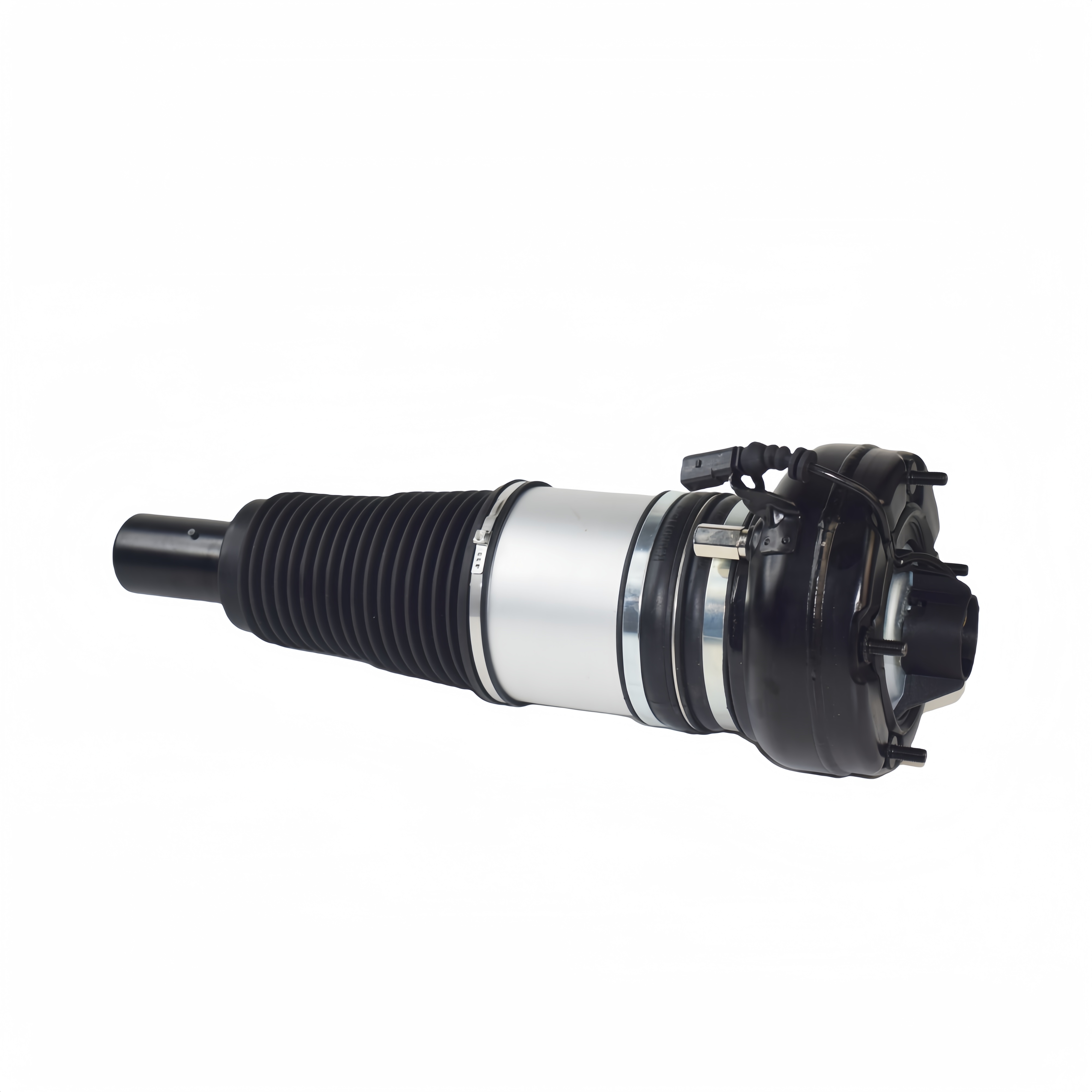
Vehicles often carry different combinations of passengers, cargo, and equipment, which can affect ride height and suspension behavior. An air shock can help accommodate changing load conditions when it is designed for that purpose and integrated with a compatible suspension system. Depending on the design, air pressure adjustment can provide additional support or help maintain the intended vehicle height as the load changes. For automotive parts distributors, repair centers, and suspension component buyers, understanding these capabilities is important when selecting suitable replacement parts.
However, not every air shock provides the same adjustment functions. Some products combine damping and air-spring functions, while other air suspension systems use separate air springs, shock absorbers, compressors, valves, and electronic controls. The ability to adjust ride height or support changing loads therefore depends on the complete system configuration rather than the air shock alone.
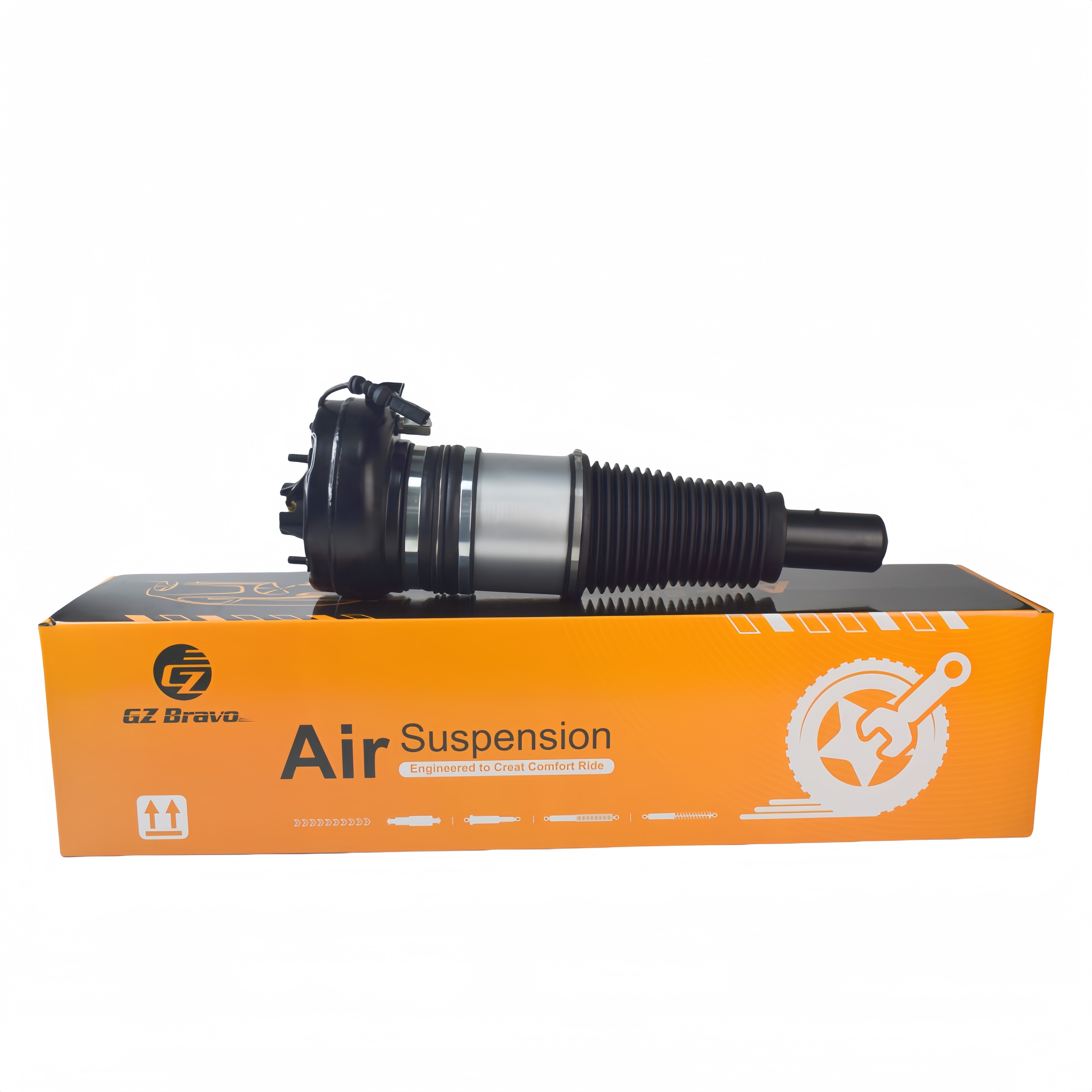
How an Air Shock Responds to Different Loads
Air Pressure Adjustment and Load Support
When a vehicle carries additional weight, its suspension may compress and its ride height may decrease. An adjustable air shock designed for load support can use changes in air pressure to provide additional support and help compensate for the added load. In systems with automatic leveling, sensors and electronic controls may detect changes in vehicle height and command the compressor and valves to make the required adjustment.
The adjustment process varies by product. Some air shocks require manual pressure adjustment, while integrated air suspension systems may regulate pressure automatically. Before selecting a replacement, buyers should confirm whether the component supports manual adjustment, automatic leveling, or another specific control method.
The Role of Compressors, Valves, and Sensors
In a complete air suspension system, the compressor supplies compressed air, valves direct airflow, and sensors may provide information about ride height or system conditions. The control unit uses this information according to the system's operating strategy to determine when adjustments are needed.
These components work together to support the required ride height and pressure. If the compressor cannot supply sufficient air, a valve leaks, or a sensor provides incorrect information, the system may not respond properly to changing loads. For this reason, a load-related suspension problem should be diagnosed across the complete system rather than automatically attributed to the air shock.
Performance Benefits of Adjustable Air Shocks
Maintaining Ride Height Under Changing Loads
One potential benefit of an adjustable air shock is its ability to help maintain the intended vehicle height as passenger or cargo weight changes. Depending on the system design, pressure adjustment can compensate for some load-related suspension compression and help the vehicle retain its designed operating position.
Maintaining appropriate ride height can also help preserve the suspension geometry intended by the vehicle manufacturer. However, the result depends on the vehicle's suspension design, load distribution, and adjustment range. An air shock should not be treated as a way to compensate for loads beyond the vehicle's rated capacity.
Supporting Ride Comfort and Damping Performance
Ride comfort depends on more than the amount of air pressure in the suspension. Spring characteristics, shock absorber damping, suspension geometry, tire condition, and vehicle load all influence how the vehicle responds to road irregularities.
An air shock that is correctly matched to the vehicle can help maintain suitable suspension support across its intended operating conditions. However, increasing air pressure does not automatically improve comfort or handling. Pressure should remain within the product's specified range, and damping performance must be appropriate for the application.
Adapting to Different Vehicle Uses
Vehicles that regularly carry changing passenger or cargo loads may benefit from an air suspension design that supports adjustment. Depending on the application, this can help accommodate differences between lightly loaded and more heavily loaded operating conditions.
The available adjustment range varies between products. Buyers should review the intended application, approved pressure range, load requirements, and installation specifications instead of assuming that all air shocks provide the same flexibility.
Load Capacity and System Limitations
Air Pressure Does Not Replace Vehicle Load Ratings
Although an adjustable air shock can help support changing loads, it does not increase the vehicle's official payload or axle weight rating. Vehicle load limits are determined by the overall design, including the chassis, axles, tires, brakes, suspension components, and other structural elements.
Operating above the manufacturer's load limits can compromise vehicle performance and component durability, even if the suspension appears to maintain its height. Fleet operators and vehicle owners should distribute cargo appropriately and follow the vehicle's specified load limits.
Why Correct System Compatibility Matters
Air shocks and related suspension components are application-specific. Differences in mounting dimensions, pressure requirements, connector configurations, damping characteristics, and control methods can affect compatibility.
Installing a component that is not designed for the vehicle may lead to incorrect ride height, poor suspension behavior, or operational problems. Buyers should verify the original part number and relevant technical specifications before ordering a replacement. If the original part number is unavailable, vehicle details and clear photographs can help a supplier identify a potential match, but compatibility should be confirmed before installation.
Common Signs of Air Shock or Air Suspension Problems
Uneven Ride Height or Excessive Sagging
If the vehicle sits lower than expected after loading, the cause may involve an air leak, insufficient pressure, a damaged air shock, or a fault in the leveling system. Similar symptoms can also result from worn suspension components or incorrect load distribution.
Technicians should inspect the component, air lines, fittings, and related control equipment as applicable. Confirming the source of the problem helps prevent unnecessary replacement and repeat repairs.
Frequent Compressor Operation or Pressure Loss
A compressor that runs more frequently than expected may be responding to air leakage or repeated suspension adjustments. Possible causes include leaking seals, damaged air lines, faulty valves, and problems with the air shock or air spring.
The appropriate diagnostic procedure depends on the system design. Checking for leaks and reviewing compressor operation can help determine whether the problem originates in the air shock or another connected component.
How to Select an Air Shock for Different Load Requirements
Confirm the Intended Application and Adjustment Range
Before purchasing an air shock, buyers should establish whether the application requires adjustable load support, automatic ride-height control, or a standard replacement shock absorber. These functions are not interchangeable, and not every product offers all of them.
Relevant specifications may include the vehicle application, mounting dimensions, operating pressure, adjustment method, damping characteristics, and any system-specific requirements. The selected component should match the intended application and the manufacturer's installation guidance.
Evaluate Product Quality and Supplier Information
For automotive parts distributors, repair networks, and suspension component wholesalers, product evaluation should include application coverage, manufacturing consistency, relevant inspection procedures, packaging, and supply reliability.
Buyers should ask suppliers for clear specifications and confirmation of the product's intended function. Where pressure adjustment or automatic leveling is required, the supplier should clarify whether those capabilities are provided by the air shock itself or by the wider suspension system.
Consider OEM, ODM, and Bulk Purchasing Needs
Businesses purchasing air shocks in volume may need consistent product specifications across multiple applications. Before placing an order, buyers should confirm the required part numbers, order quantities, packaging, lead times, and quality requirements.
For OEM or ODM projects, technical specifications and validation requirements should be agreed upon before production. Clear communication about vehicle applications and adjustment functions helps reduce the risk of supplying components that do not meet the customer's needs.
FAQ
Can an air shock support different vehicle loads?
Yes, if it is designed for adjustable load support. Depending on the product, air pressure adjustment can help compensate for changing loads and support the intended ride height. The adjustment range and method vary by design, so buyers should check the manufacturer's specifications.
Can every air shock automatically adjust ride height?
No. Some products require manual pressure adjustment, while automatic ride-height control generally depends on a compatible system that may include sensors, a compressor, valves, and electronic controls. Confirm the product's functions before purchasing.
Does increasing air pressure allow a vehicle to carry more weight?
Increasing pressure may provide additional suspension support within the product's specified operating range, but it does not increase the vehicle's official payload or axle weight rating. Always follow the manufacturer's load limits and pressure specifications.
What should buyers check when sourcing air shocks for variable loads?
Buyers should confirm vehicle compatibility, adjustment capability, pressure specifications, mounting dimensions, damping characteristics, and installation requirements. For bulk orders, consistent product specifications and clear supplier documentation are also important.
Conclusion
An air shock can support adjustable suspension performance for different loads when its design and operating range are suitable for the application. Depending on the system, pressure adjustment can help compensate for changing loads and maintain the intended ride height. However, the result also depends on compatible components, correct installation, and compliance with vehicle load limits. For distributors, repair centers, and automotive parts buyers, verifying the product's actual adjustment functions and application specifications is essential for selecting a reliable suspension component.