
 EN


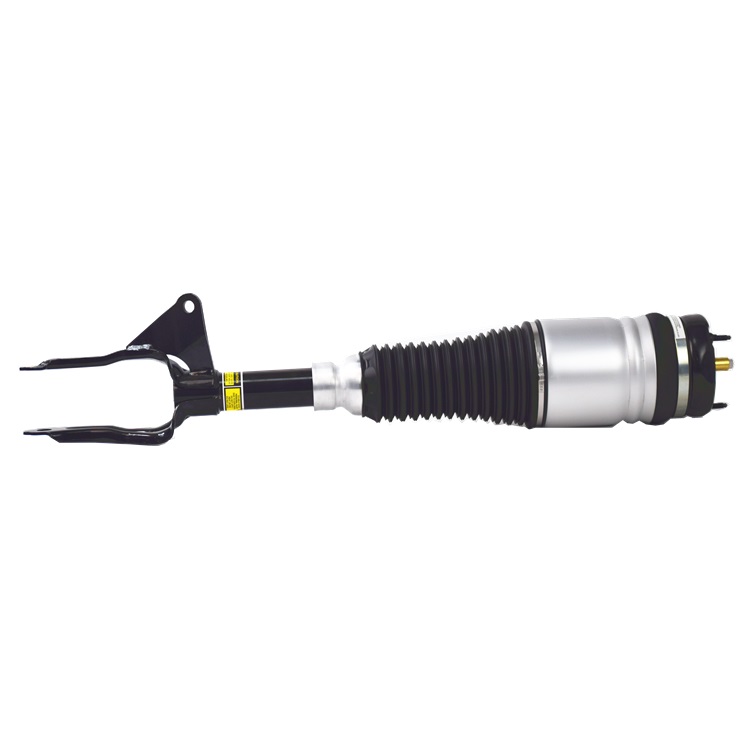
Driving on rough and uneven roads places greater demands on a vehicle's suspension system. Potholes, broken pavement, and repeated surface irregularities can affect ride comfort, vehicle control, and the condition of suspension components. An air shock may help improve ride quality in compatible suspension systems, but its effectiveness depends on the component design, damping characteristics, vehicle setup, and road conditions.
Unlike a conventional shock absorber that primarily controls suspension movement, an air suspension assembly may combine damping with an air spring function, depending on its design. Air suspension systems can also use a compressor, control valves, and electronic sensors to manage air pressure and ride height. Understanding these differences helps vehicle owners, repair shops, and automotive parts buyers determine whether an air shock is suitable for rough-road applications.
How Air Shock Technology Supports Rough-Road Comfort
Impact Absorption and Suspension Damping
When a vehicle travels over potholes or uneven pavement, its suspension must respond to rapid wheel movement while limiting the amount of disturbance transmitted to the body. An air suspension system uses the compressibility of air in its spring element to support the vehicle, while the shock absorber's damping function helps control compression and rebound.
These functions work together to influence ride comfort and vehicle stability. The air spring affects how the suspension supports the vehicle, while damping helps prevent excessive bouncing after an impact. The final result depends on the suspension design, damping calibration, tire characteristics, and the condition of other chassis components.
An air shock should not automatically be considered superior to every conventional suspension design. A properly matched air suspension system can offer a comfortable ride and useful ride-height adjustment, but performance varies by application. Component compatibility and the intended operating environment remain important when selecting a replacement or evaluating an upgrade.
Load Support and Ride Height Control
Vehicle load can influence suspension height, spring behavior, and available suspension travel. In an air suspension system equipped with automatic leveling, sensors and electronic controls can detect changes in ride height and request an adjustment. The compressor supplies additional air when required, and control valves direct airflow according to the system's design.
Maintaining the intended ride height can help preserve suspension geometry and available travel within the manufacturer's operating limits. This is useful for vehicles that regularly carry different passenger or cargo loads. However, not every air shock has independent pressure adjustment or automatic leveling, so buyers should confirm the functions supported by the specific assembly.
Air suspension does not increase a vehicle's rated payload capacity. The vehicle must remain within its specified load limits, and the suspension components must be suitable for the intended application. Correct load management helps the system deliver its designed balance of comfort, control, and durability.
Comfort Benefits of Air Suspension on Rough Roads
Reduced Harshness and Improved Passenger Comfort
One potential benefit of a well-matched air suspension system is its ability to maintain suitable spring support as vehicle load and ride-height requirements change. Combined with appropriate shock absorber damping, this can help reduce harsh body movements and improve passenger comfort on uneven roads.
Actual comfort improvements depend on factors such as air spring characteristics, damping settings, tire pressure, wheel and tire selection, and suspension condition. Air suspension does not eliminate every vibration or impact, particularly on severely damaged roads. Its performance should be assessed as part of the complete suspension system rather than as an isolated component.
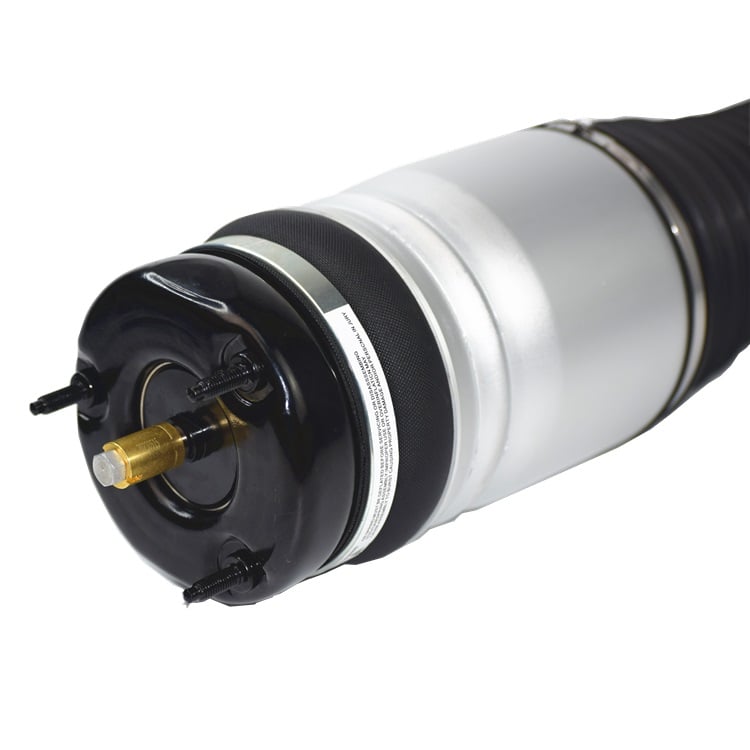
For repair shops and replacement-parts buyers, it is important to distinguish between a complete air strut assembly and a standalone shock absorber. These products may perform different functions and are not necessarily interchangeable. Selecting the correct component helps preserve the vehicle's intended ride characteristics.
Supporting Suspension Component Durability
Repeated impacts on rough roads place stress on suspension parts, mounting points, and other chassis components. A correctly specified suspension system can help control wheel and body movement, contributing to predictable handling and reducing unnecessary suspension movement under appropriate operating conditions.
However, an air shock cannot guarantee longer vehicle service life or prevent all structural damage. Severe impacts, overloading, worn bushings, damaged mounts, incorrect installation, and unsuitable damping can still affect durability. Regular inspections and the use of compatible replacement components remain important for reliable performance.
Air Shock Suitability for Different Road Conditions
Urban Roads with Potholes and Uneven Pavement
Urban and suburban roads may contain potholes, repaired pavement, raised joints, and other irregularities. For vehicles designed to use air suspension, a properly functioning system can help maintain ride height and provide a comfortable balance between spring support and damping.
Before replacing an air shock to address a harsh ride, inspect the existing suspension for worn damping components, air leaks, damaged mounts, and incorrect tire pressure. These issues can reduce comfort even when the original suspension design is suitable for everyday driving.
Commercial Vehicles and Variable Cargo Loads
Vehicles carrying changing passenger or cargo loads may benefit from air suspension when the application is designed for it. Automatic leveling, where fitted, can help maintain the intended ride height as load conditions change. Appropriate damping and correctly specified air springs also contribute to suspension control over uneven surfaces.
For commercial operators, the correct component should be selected according to vehicle specifications, axle configuration, operating loads, and the intended duty. Air suspension components should not be treated as universal upgrades for all cargo vehicles. The complete system must remain within its approved load and operating limits.
Severely Uneven Roads and Off-Road Use
For vehicles that regularly encounter severely uneven terrain, suspension travel, ground clearance, damping calibration, tire selection, and component protection all affect performance. Some air suspension systems provide ride-height adjustment that can be useful in specific conditions, but not every air shock is designed for off-road use.
Buyers should check the product's intended application and the vehicle manufacturer's specifications before choosing an air suspension component for demanding road conditions. A component designed for a luxury passenger vehicle may not be suitable for a vehicle that requires different suspension travel, load capacity, or impact resistance.
Important Factors Before Selecting an Air Shock
Vehicle Compatibility and System Design
Compatibility is essential when replacing an air shock or air suspension assembly. Confirm the original part number, vehicle application, mounting dimensions, connector configuration where applicable, and whether the replacement is intended for the front or rear suspension. Similar-looking parts may have different specifications and may not fit or function correctly.
It is also important to identify whether the vehicle uses a standalone shock absorber, an air spring and shock absorber combination, or a complete air strut assembly. These configurations have different installation requirements and functions. Selecting the correct product helps avoid fitment issues and unwanted changes to ride quality.
Installation and Maintenance Requirements
Air suspension components should be installed according to the vehicle manufacturer's service procedures. Depending on the vehicle, replacement may require inspection of air lines, electrical connectors, height sensors, control valves, and related suspension parts. Some systems may also require calibration or a prescribed setup procedure after installation.
During routine inspections, look for visible air leaks, damaged rubber components, unusual noises, uneven ride height, warning messages, or changes in suspension response. These symptoms do not always indicate a failed air shock; the underlying cause may be elsewhere in the system. Proper diagnosis helps prevent unnecessary replacement and recurring faults.
Product Quality and B2B Sourcing
For distributors, repair workshops, and automotive parts importers, choosing an air shock supplier involves more than comparing the purchase price. Product coverage, fitment accuracy, manufacturing consistency, inspection procedures, stock availability, and delivery arrangements can all influence sourcing efficiency.
Before placing a bulk order, confirm application details and request the relevant product specifications. Clear part-number references and consistent quality-control procedures can help reduce incorrect orders, installation problems, and after-sales disputes. Where multiple suspension configurations are available, application verification is especially important.
FAQ
Can an air shock eliminate vibration on rough roads?
No suspension system can eliminate every vibration or impact. A properly matched air suspension system can help improve ride comfort by combining suitable spring support with effective damping, but results depend on road conditions, tires, vehicle setup, and component condition.
Is an air shock always more comfortable than a conventional shock absorber?
Not necessarily. Ride comfort depends on the complete suspension design, including spring characteristics, damping calibration, tire selection, and vehicle condition. Air suspension can offer benefits such as load-related ride-height adjustment in compatible systems, but a well-designed conventional suspension can also provide good comfort.
Is an air shock suitable for every vehicle on rough roads?
No. An air shock or air suspension assembly must be compatible with the vehicle's suspension architecture and intended use. Before selecting a replacement or considering a conversion, confirm the application and installation requirements with the vehicle specifications or a qualified suspension specialist.
What should be checked if an air suspension vehicle rides harshly?
Check tire pressure, suspension component condition, air leaks, ride height, and shock absorber damping. Depending on the vehicle, sensors, control valves, and electronic fault codes may also need inspection. A systematic diagnosis helps determine whether the problem comes from the air shock or another part of the suspension system.
Conclusion
An air shock can be suitable for improving comfort on rough roads when it is correctly matched to the vehicle and works as part of a properly functioning suspension system. Air spring support, shock absorber damping, ride-height control where available, and overall component condition all influence the final result.
For vehicle owners, repair professionals, and automotive parts buyers, the best approach is to confirm product compatibility, assess the complete suspension system, and select components designed for the intended application. This helps support reliable installation, consistent ride quality, and long-term suspension performance.