
 EN


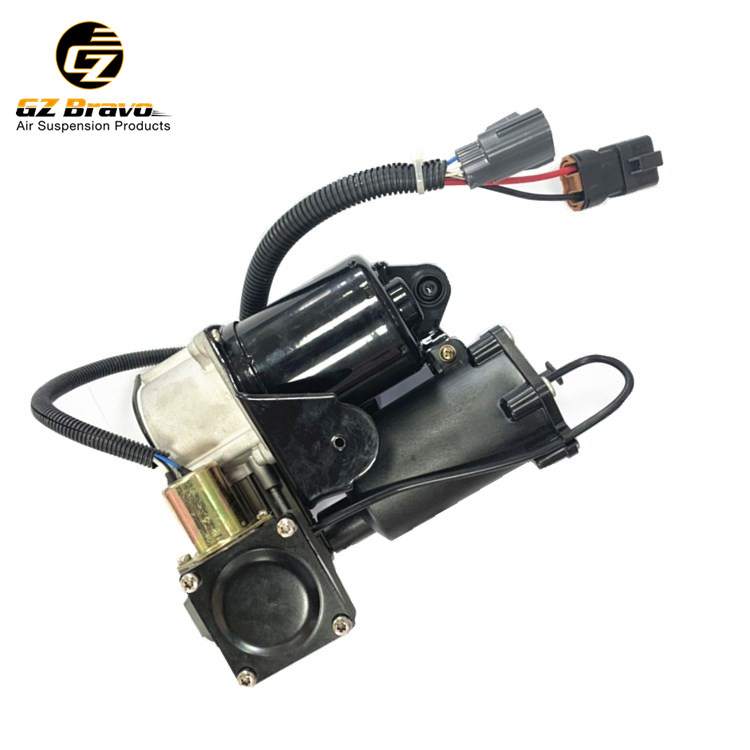
An air suspension compressor supplies compressed air to help an air suspension system maintain the pressure needed for its intended ride height and load-supporting function. Stable pressure is important for consistent suspension performance, but the compressor does not work alone. Pressure sensors, electronic controls, air springs, valves, air lines, and other components work together to regulate the system according to vehicle design and operating conditions.
Understanding how an air suspension compressor contributes to pressure stability helps technicians, maintenance teams, and parts buyers identify potential faults and select suitable replacement components. This guide explains the role of the compressor, the systems that support pressure regulation, common causes of pressure instability, and practical considerations for maintaining reliable operation.
How Pressure Regulation Works in Air Suspension Systems
Pressure Sensors and Electronic Control
In electronically controlled air suspension systems, pressure sensors and ride-height sensors provide information that helps the control module determine whether an adjustment is needed. Depending on the system design, the controller may activate the air suspension compressor, operate control valves, or release air to move the suspension toward its target height.
The compressor supplies air when additional pressure or air volume is required. It does not necessarily measure or regulate pressure independently; these functions depend on the vehicle's control strategy and the components installed in the system. Accurate sensor signals, properly functioning valves, and suitable compressor output all contribute to consistent suspension operation.
Temperature, vehicle load, and operating conditions can influence air pressure and suspension height. The control system responds according to its programmed logic and design limits. If the compressor runs unusually often or the vehicle cannot maintain its intended ride height, technicians should investigate the complete system rather than assume the compressor is the only possible cause.
Pressure Limits and Load Adjustment
Air suspension systems are designed to operate within specified pressure and height limits. Depending on the vehicle, pressure switches, sensors, control software, and protective components may help prevent operation outside the intended range. The exact arrangement varies by application, so replacement parts must be compatible with the original system design.
Changes in passenger numbers or cargo weight can affect suspension height and the amount of support required. In systems designed for automatic leveling, the controller can use sensor information to request an adjustment. The compressor supplies additional air when needed, while valves direct airflow to the appropriate parts of the suspension.
However, an air suspension compressor does not independently determine vehicle load or guarantee correct pressure under every condition. The final response depends on the air springs, valve configuration, sensors, control module, and rated operating limits. Maintaining these components in good condition is essential for dependable pressure regulation.
Key Components That Support Pressure Stability
Air Springs and Air Distribution
Air springs use flexible reinforced bellows to contain compressed air and support the vehicle's suspension load. Their pressure and effective operating height influence how the suspension responds to changes in load and road conditions. The air suspension compressor supplies the air required by the system, while valves and air lines manage its distribution.
The compressor alone cannot ensure that every air spring receives the correct amount of air. Restricted lines, leaking fittings, damaged bellows, or malfunctioning valves can interfere with pressure maintenance and ride-height adjustment. The layout and control strategy also determine whether individual corners or multiple suspension sections can be adjusted separately.
When pressure or ride height becomes inconsistent, inspection should cover the compressor and the connected components. Identifying the actual fault helps prevent unnecessary replacement and reduces the risk of a new compressor being exposed to the same underlying problem.
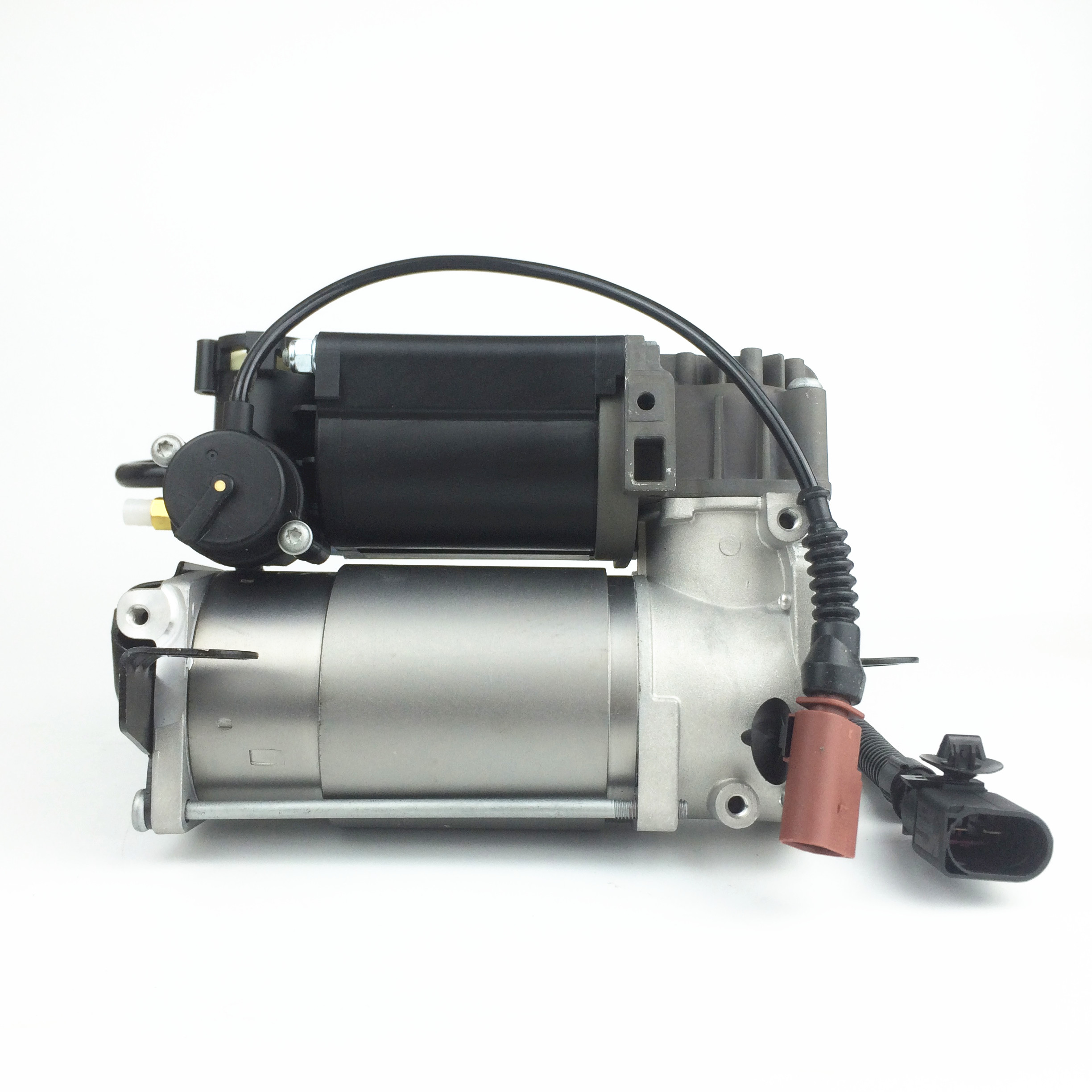
Air Dryers and Moisture Management
Moisture in compressed air can contribute to corrosion, freezing in cold conditions, and problems with valves or other pneumatic components. Where the system includes an air dryer, it helps reduce moisture before compressed air enters the air suspension circuit. This supports component reliability and helps the system operate as designed.
Dryer configuration varies between applications. Some compressor assemblies include an integrated drying unit, while other systems use a separate arrangement. For this reason, technicians and parts buyers should confirm the original configuration before selecting a replacement compressor or dryer component.
A worn or saturated desiccant cartridge, a damaged dryer assembly, or moisture-related component faults may affect system reliability. Maintenance requirements depend on the vehicle manufacturer's specifications and the condition of the installed components. Following the applicable service guidance is more reliable than applying a universal replacement interval.
Common Causes of Air Suspension Pressure Instability
Air Leaks and Worn Seals
Air leaks are a common reason an air suspension system struggles to maintain its intended pressure or ride height. Potential leak points include air springs, connecting hoses, fittings, valve blocks, and compressor connections. If air escapes from the system, the compressor may need to run more frequently to replenish the lost supply.
Frequent compressor operation can increase heat and operating stress, particularly when the underlying leak remains unresolved. Over time, this may contribute to premature wear or protective shutdown, depending on the compressor design. Replacing the compressor without repairing an existing leak may therefore fail to solve the original problem.
Technicians can use an appropriate leak-detection method, inspect connections, and check system pressure or ride-height behavior to identify the source. If the compressor itself is suspected, its output, electrical supply, connections, and condition should be assessed according to the applicable service procedure.
Sensor, Valve, and Electrical Faults
Pressure instability does not always indicate a failed air suspension compressor. A faulty pressure sensor, ride-height sensor, control valve, relay, connector, or wiring circuit can prevent the system from responding correctly. Depending on the vehicle, these faults may cause excessive compressor operation, delayed height adjustment, warning messages, or an inability to reach the target ride height.
Diagnostic trouble codes and live sensor data can help technicians narrow down the cause. Electrical checks and an inspection of the air distribution system may also be necessary. Before replacing the compressor, confirm that it is receiving the correct electrical supply and control signals and that the rest of the system is functioning properly.
A systematic diagnosis helps distinguish reduced compressor performance from problems elsewhere in the suspension system. This approach can avoid unnecessary parts replacement and support a more reliable repair.
Maintenance Practices for Reliable Compressor Operation
Inspect the Complete Air Suspension System
Routine inspections can help identify conditions that place unnecessary demand on an air suspension compressor. Check accessible air lines and fittings for damage, inspect air springs for visible deterioration, and look for signs of leakage around relevant connections. Warning messages, unusual operating noise, repeated compressor activation, or a vehicle that sits unevenly after parking may also indicate a system fault.
Maintenance intervals should follow the vehicle manufacturer's recommendations and take account of the system's condition and operating environment. There is no single service interval that applies to every air suspension compressor. Where a dryer or other serviceable component is fitted, inspect or replace it according to the relevant specifications.
Choose a Compatible Replacement Compressor
When replacement is necessary, compatibility is essential. Buyers should verify the original part number, vehicle application, electrical specifications, connector arrangement, mounting configuration, and air outlet connections. Similar-looking compressors may differ in output, control requirements, or physical fitment, making visual comparison alone insufficient.
It is also important to determine whether the original assembly includes a dryer or other integrated components. Confirming these details before ordering helps reduce installation issues and improves the likelihood that the replacement will work correctly with the existing suspension system.
For repair shops, distributors, and automotive parts importers, a supplier's product coverage, quality-control procedures, stock availability, and ability to verify applications can support more efficient sourcing. Clear fitment information is especially valuable when managing multiple compressor types and related air suspension components.
FAQ
What causes an air suspension compressor to struggle to maintain pressure?
Possible causes include air leaks, reduced compressor output, restricted air lines, faulty control valves, sensor problems, electrical faults, or issues with the air dryer where one is fitted. A diagnostic inspection of the complete system is needed to determine the actual cause.
Does an air suspension compressor run continuously to maintain pressure?
No. In most systems, the compressor operates when the control system determines that additional compressed air is required. Operating logic and duty limits vary by application. Frequent or prolonged operation may indicate an air leak, a control fault, excessive demand, or a compressor problem and should be investigated using the applicable service procedure.
Can a faulty sensor cause pressure instability even when the compressor works?
Yes. Incorrect sensor readings can prevent the control module from making appropriate adjustments. Depending on the system design, a faulty pressure sensor or ride-height sensor may contribute to incorrect compressor activation or poor height control. Diagnostic codes, sensor readings, wiring, and valve operation should be checked before replacing the compressor.
How often should an air suspension compressor be serviced?
Service requirements depend on the vehicle manufacturer's recommendations, compressor design, and system condition. Follow the specified inspection and maintenance schedule, and check related air lines, fittings, air springs, electrical connections, and dryer components where applicable. Frequent compressor operation or recurring suspension warnings warrant diagnosis rather than waiting for a scheduled service.
Can a partially functioning air suspension compressor still maintain pressure?
A compressor with reduced output may maintain pressure under some conditions but struggle when the system requires more air. Symptoms can include slow height adjustment, repeated operation, or an inability to reach the intended ride height. These signs can also result from leaks or faults elsewhere, so testing the complete system is important before deciding whether the compressor needs replacement.
Conclusion
An air suspension compressor supports stable pressure by supplying compressed air when the suspension control system requires it. Reliable operation also depends on sensors, valves, air springs, air lines, electrical components, and moisture-management equipment where fitted. Understanding how these parts work together makes it easier to diagnose pressure problems, maintain system performance, and select compatible replacement components.
For automotive parts distributors and repair professionals, checking the full system and confirming compressor compatibility are practical steps toward dependable repairs. Addressing leaks and control faults alongside compressor issues can help prevent recurring problems and unnecessary component replacement.
Table of Contents
- How Pressure Regulation Works in Air Suspension Systems
- Key Components That Support Pressure Stability
- Common Causes of Air Suspension Pressure Instability
- Maintenance Practices for Reliable Compressor Operation
-
FAQ
- What causes an air suspension compressor to struggle to maintain pressure?
- Does an air suspension compressor run continuously to maintain pressure?
- Can a faulty sensor cause pressure instability even when the compressor works?
- How often should an air suspension compressor be serviced?
- Can a partially functioning air suspension compressor still maintain pressure?
- Conclusion