
 EN


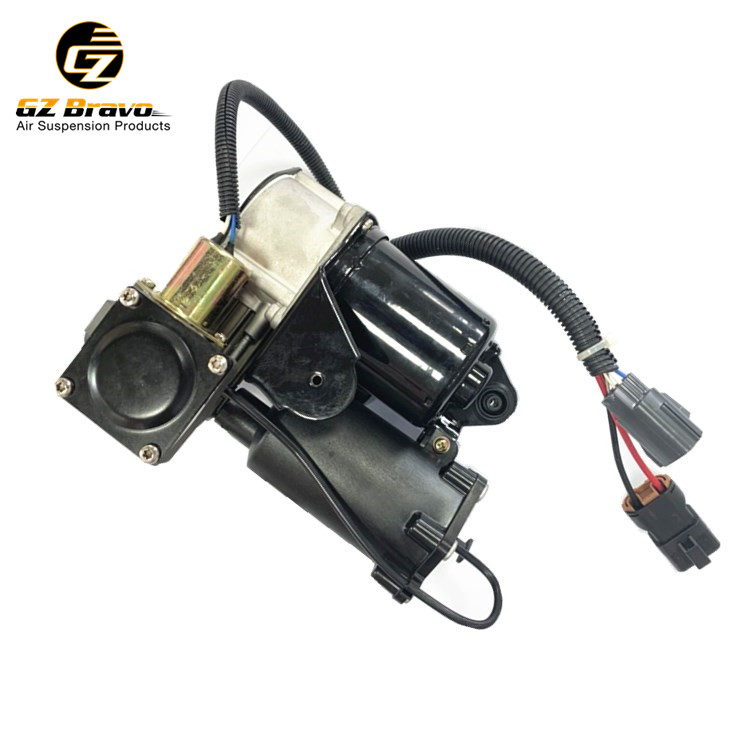
The lifespan of an air suspension compressor depends on operating demand, system condition, environmental exposure, electrical reliability, and maintenance. As the component responsible for supplying compressed air, the compressor plays an important role in helping an air suspension system maintain its intended ride height and operating pressure. When it operates under excessive demand or develops a fault, suspension performance and vehicle reliability can be affected.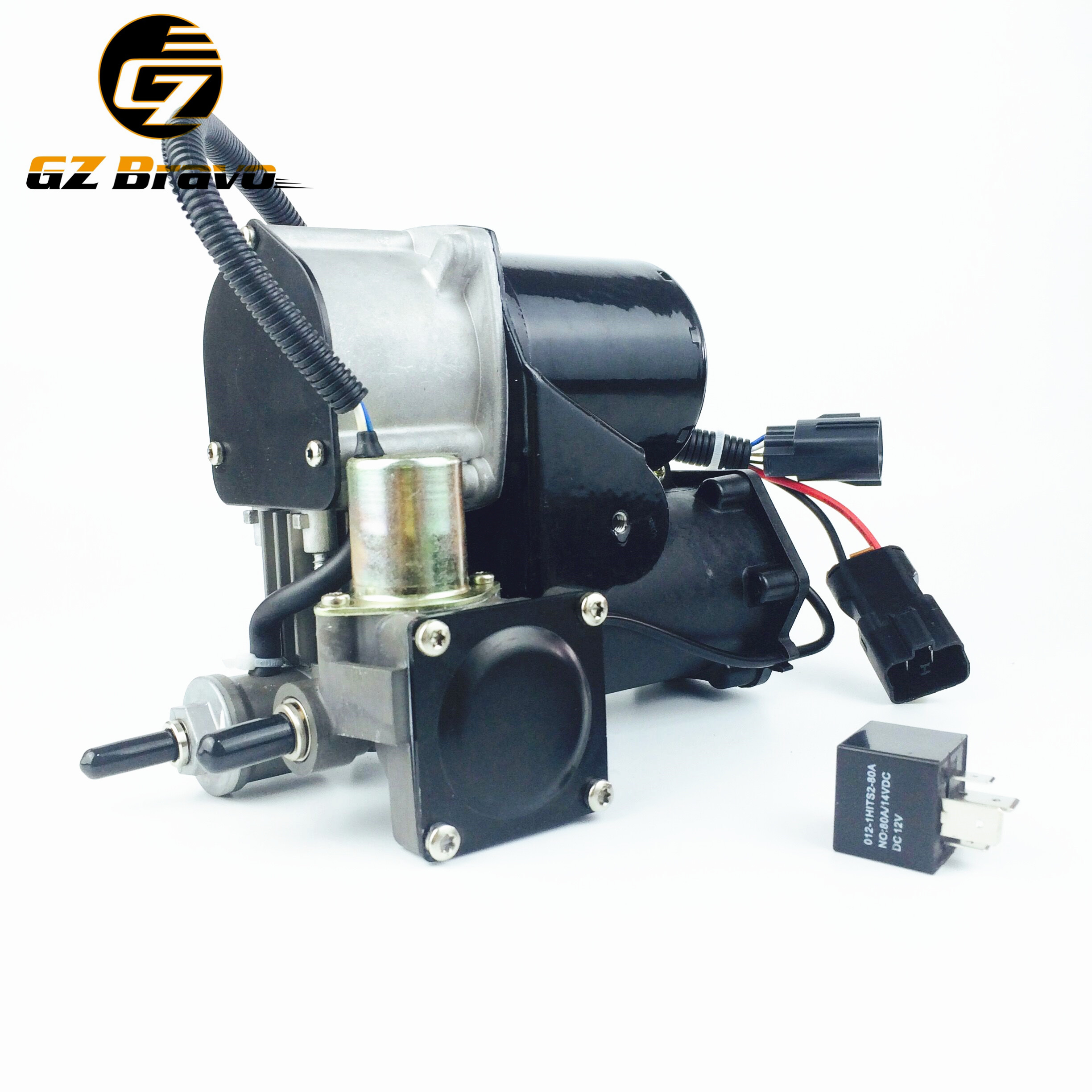
There is no single service-life figure that applies to every automotive air suspension compressor. Driving conditions, compressor design, vehicle specifications, and the condition of connected components all influence durability. Understanding these factors helps repair professionals, vehicle owners, distributors, and automotive parts buyers identify potential problems and make better maintenance and replacement decisions.
Operating Conditions That Affect Air Suspension Compressor Lifespan
Compressor Operating Cycles and Duty Cycle
An air suspension compressor is designed to operate within specific performance and duty-cycle limits. How frequently it activates and how long it runs during each cycle can affect heat generation and mechanical wear. If the system repeatedly requests additional air, the compressor may experience greater operating demand than it would under normal conditions.
Frequent activation can result from normal suspension adjustments, but it can also indicate an underlying problem. Air leaks, faulty control valves, incorrect sensor readings, or other system faults may cause the compressor to run more often than expected. Continued operation under excessive demand can contribute to overheating, premature wear, or protective shutdown, depending on the compressor design.
For this reason, unusually frequent or prolonged compressor operation should not automatically be treated as normal aging. Identifying the reason for the increased workload can help prevent further damage and avoid replacing a compressor before the actual fault has been corrected.
Vehicle Load and Suspension Demand
Vehicle load influences suspension behavior and can affect how often an air suspension compressor needs to supply additional air. In systems equipped with automatic leveling, changes in passenger or cargo weight may trigger adjustments to restore the intended ride height. The compressor then operates according to the system's control strategy and operating requirements.
Vehicles regularly operating under demanding conditions may place greater demands on suspension components. However, compressor workload depends on the complete system design, not simply on vehicle weight. The compressor's specifications, air spring configuration, control logic, and the presence of leaks all influence how much work it must perform.
Keeping the vehicle within its rated load limits and addressing abnormal suspension behavior can help avoid unnecessary system demand. An air suspension compressor should not be expected to compensate indefinitely for overloading, air leakage, or incorrectly functioning control components.
Environmental Factors That Influence Compressor Durability
Moisture, Dust, and Contamination
Environmental conditions can affect the durability of an air suspension compressor and its associated components. Moisture may contribute to corrosion in susceptible metal parts and electrical connections, while dust and debris can affect components if they enter areas that are not adequately protected or filtered.
Many air suspension systems use an air dryer to reduce moisture in the compressed air. The dryer configuration varies by application, and its condition can influence the reliability of downstream pneumatic components. Where a dryer or serviceable filter is fitted, it should be inspected and maintained according to the applicable vehicle or component specifications.
Vehicles used in humid, dusty, or coastal environments may need particular attention to exposed connections, air lines, and protective components. The appropriate maintenance approach depends on the system design and the conditions in which the vehicle operates. Regular inspection can help identify contamination or corrosion before it contributes to more serious faults.
High and Low Operating Temperatures
Temperature affects the operating conditions of an air suspension compressor. High temperatures can make heat dissipation more difficult, especially when the compressor runs frequently or has limited cooling time. Excessive heat may accelerate the deterioration of certain seals, insulation materials, and other components.
Cold conditions can also influence system behavior. Temperature changes affect air pressure, while freezing moisture may interfere with pneumatic components in systems that are not adequately protected against water accumulation. The effect depends on the compressor design, the vehicle's control strategy, and the condition of the air-drying system.
A compressor that operates unusually often during extreme weather should be assessed in the context of the complete suspension system. Temperature alone does not establish that the compressor is failing, and unnecessary replacement should be avoided until the underlying cause has been investigated.
Maintenance and Component Quality
Air Leaks and Related Suspension Faults
Air leakage is an important factor that can increase compressor workload. Potential leak points include air springs, hoses, fittings, valve blocks, and connections around the compressor assembly. When compressed air escapes from the system, the compressor may need to run repeatedly to restore the required pressure or ride height.
A compressor that repeatedly compensates for a leak may experience unnecessary heat and operating stress. Replacing the compressor without repairing the leak can allow the same problem to continue and may shorten the service life of the replacement unit.
When a vehicle shows uneven ride height, repeated compressor activation, or a suspension warning, technicians should inspect the air distribution system and relevant control components. Appropriate leak detection and diagnostic procedures can help establish whether the compressor itself is faulty or is responding to a problem elsewhere.
Electrical Supply and Control Components
An air suspension compressor relies on a suitable electrical supply and a functioning control circuit. Weak electrical connections, damaged wiring, a faulty relay, or other electrical problems can prevent the compressor from operating as intended. Depending on the fault, the motor may fail to start, stop unexpectedly, or operate inconsistently.
The control system also influences when the compressor activates and stops. Faulty sensors or control components may generate incorrect requests, causing unnecessary operation or preventing the suspension from reaching its intended ride height. These symptoms do not necessarily mean the compressor has reached the end of its service life.
Before replacing the unit, technicians should check the electrical supply, connectors, relevant control signals, and diagnostic trouble codes. Correctly identifying an electrical or control fault can prevent unnecessary parts replacement and help protect the replacement compressor from the same operating conditions.
Maintenance Requirements and Compressor Design
Maintenance requirements vary according to compressor design and vehicle application. Some automotive air suspension compressors are sealed assemblies that do not require routine oil changes by the vehicle owner. Others may have serviceable components, such as an air dryer or filter, that require inspection or replacement according to the manufacturer's instructions.
Using the correct replacement parts and following the specified service procedures helps maintain system compatibility. Buyers should not assume that every compressor uses the same lubricant, filter arrangement, or maintenance interval. Always verify the requirements for the exact compressor and vehicle application.
Product quality also matters. Manufacturing consistency, motor and pump design, sealing performance, electrical compatibility, and quality-control procedures can all influence component reliability. For distributors and repair businesses, confirming specifications and fitment before ordering can help reduce installation problems and avoidable warranty claims.
Warning Signs of a Worn or Overworked Compressor
Longer Operating Times and Frequent Activation
A compressor that takes longer than usual to restore the intended ride height, activates repeatedly, or seems unable to maintain system performance may require inspection. These symptoms can indicate reduced compressor output, but air leaks, control faults, and other suspension problems can produce similar behavior.
Unusual operating noise, a suspension warning, or a vehicle that sits lower than expected after parking can also indicate a fault in the system. The combination of symptoms and diagnostic findings is more useful than any single sign when deciding whether the compressor needs replacement.
Diagnostic Checks Before Replacement
A systematic inspection should cover the compressor, air lines, fittings, air springs, valve block, electrical supply, and relevant sensors. Depending on the vehicle, a diagnostic scan may help identify stored fault codes or incorrect sensor readings. Technicians should follow the manufacturer's service procedure when checking compressor output and operating limits.
If the compressor is confirmed to be defective, the cause of its failure should also be considered. Resolving an air leak, electrical problem, or related system fault can help prevent the replacement unit from experiencing the same excessive demand.
FAQ
What is the typical lifespan of an air suspension compressor?
There is no universal lifespan that applies to every automotive air suspension compressor. Service life varies with compressor design, vehicle application, operating frequency, environmental conditions, and maintenance history. Vehicle-specific service information and the actual condition of the compressor provide a more reliable basis for assessment than a single mileage estimate.
How can vehicle owners help extend compressor service life?
Follow the vehicle manufacturer's maintenance recommendations, address air leaks promptly, and investigate repeated or prolonged compressor operation. Keep relevant electrical connections and air lines in good condition, and maintain the air dryer or filter where applicable. Avoid exceeding the vehicle's rated load limits and use replacement components that match the original specifications.
Does frequent compressor activation always mean the compressor is failing?
No. Frequent activation may result from an air leak, a faulty valve, incorrect sensor readings, electrical problems, or normal suspension adjustments under certain operating conditions. The compressor may still be functional but working harder because of a fault elsewhere. Diagnosing the complete system helps identify the correct repair.
Can weather conditions shorten air suspension compressor lifespan?
Extreme temperatures, moisture, and environmental contamination can affect compressor operation and the durability of related components. However, their impact depends on the design and condition of the system. Checking the air-drying arrangement, electrical connections, and exposed components can help identify environment-related problems.
What should buyers check when sourcing a replacement air suspension compressor?
Confirm the original part number, vehicle application, electrical specifications, mounting arrangement, air connections, and any integrated dryer or related components. Buyers should also review the supplier's fitment information and quality-control practices. These checks help ensure that the replacement matches the vehicle's system requirements.
Conclusion
Air suspension compressor lifespan is influenced by operating demand, vehicle load, temperature, contamination, air leakage, electrical reliability, maintenance, and component quality. No single factor determines how long a compressor will last, and repeated activation or poor suspension performance should be investigated before the unit is replaced.
For vehicle owners, technicians, and automotive parts distributors, maintaining the complete air suspension system and confirming replacement compatibility are practical ways to support reliable operation. Identifying the cause of excessive compressor workload can help prevent recurring faults and unnecessary repair costs.
Table of Contents
- Operating Conditions That Affect Air Suspension Compressor Lifespan
- Environmental Factors That Influence Compressor Durability
- Maintenance and Component Quality
- Warning Signs of a Worn or Overworked Compressor
-
FAQ
- What is the typical lifespan of an air suspension compressor?
- How can vehicle owners help extend compressor service life?
- Does frequent compressor activation always mean the compressor is failing?
- Can weather conditions shorten air suspension compressor lifespan?
- What should buyers check when sourcing a replacement air suspension compressor?
- Conclusion