
 EN


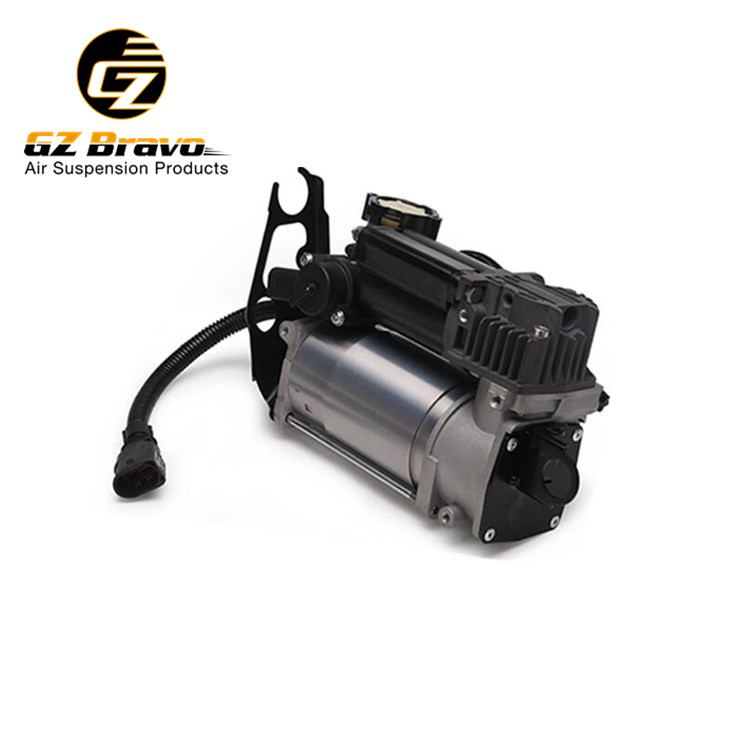
Whether an air suspension compressor can support continuous operation in a commercial vehicle depends on its design, rated duty cycle, operating conditions, and the air suspension system's demand. Most vehicle air suspension compressors are designed to work within specific operating limits rather than run indefinitely. Extended operation may increase heat buildup and component wear, particularly when the system has an air leak or needs to make frequent ride-height adjustments. For fleet operators, repair centers, and automotive parts distributors, understanding these limitations is essential when selecting replacement compressors and planning maintenance.
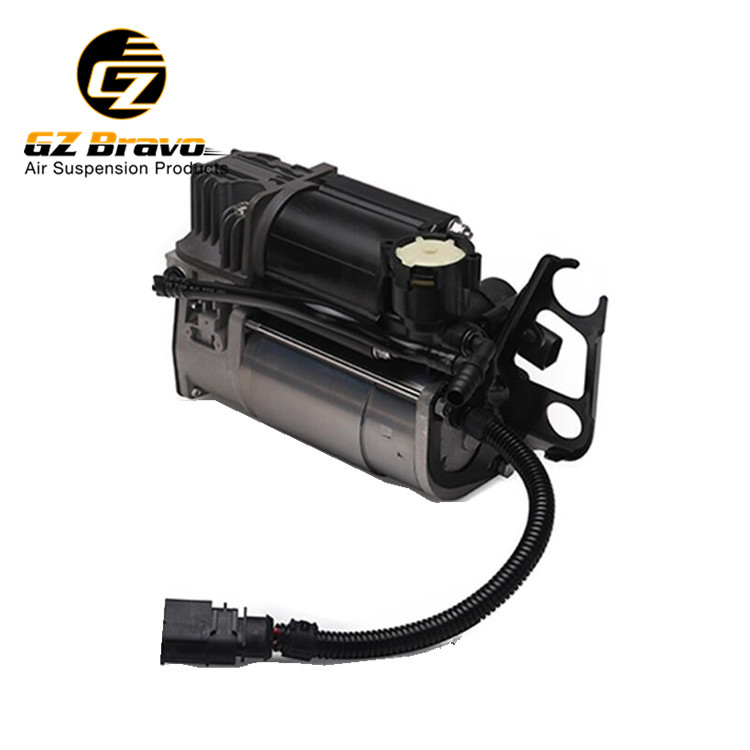
An air suspension compressor supplies compressed air to the suspension system, helping the vehicle adjust or maintain ride height as required. In commercial vehicle applications, changes in load, frequent leveling adjustments, environmental conditions, and air leakage can increase compressor demand. Whether a compressor can handle extended operation should therefore be determined by its technical specifications and the requirements of the complete system, not simply by its pressure output or motor capacity.
Understanding the Duty Cycle of an Air Suspension Compressor
Why Duty Cycle Matters
A compressor's duty cycle describes how much time it can operate within a defined period under specified conditions. Some air suspension compressors are designed for intermittent operation, allowing time for the unit to cool between operating periods. Other compressor designs may support longer operating periods when used within their rated limits.
Running an air suspension compressor beyond its specified duty cycle can lead to excessive heat, increased wear, and reduced reliability. Commercial vehicle operators should check the manufacturer's technical documentation for the permitted operating duration, required rest periods, and applicable environmental conditions before using a compressor for extended periods.
How System Demand Affects Operating Time
The compressor's workload depends on how much compressed air the suspension system requires. Frequent ride-height changes, changing vehicle loads, and pressure loss can all increase operating time. A system that maintains pressure effectively may require less compressor activity than one with persistent leakage or repeated adjustment demands.
A compressor that runs for unusually long periods should not automatically be replaced with a higher-capacity unit. Technicians should first determine whether the operating demand is normal or whether an underlying problem, such as a leaking air spring, damaged air line, faulty valve, or control issue, is causing excessive operation.
Thermal Management During Extended Operation
Heat Generation and Component Protection
An air suspension compressor generates heat while its motor and compression mechanism operate. The amount of heat produced and the rate at which it dissipates depend on the compressor design, workload, ambient temperature, installation location, and available airflow.
When a compressor operates for longer than its intended duty cycle, accumulated heat may affect internal seals, electrical components, and moving parts. Repeated exposure to excessive temperatures can reduce component reliability. Operators should follow the specified operating limits rather than assume that a compressor can run continuously simply because it continues to produce compressed air.
Installation Environment and Cooling Conditions
The compressor's installation environment can influence thermal performance. Restricted ventilation, high ambient temperatures, contamination, and insufficient clearance around the unit may make heat dissipation more difficult. Commercial vehicles operating in demanding environments should use a compressor that is suitable for the intended application and installation conditions.
During inspection, technicians should check the mounting location, electrical connections, ventilation where applicable, and any cooling provisions specified by the manufacturer. The compressor should also be examined for signs of overheating or abnormal operation. Any temperature limits and cooling requirements should be taken from the documentation for the specific unit.
Mechanical Wear and Air System Reliability
Effects of Excessive Operating Time
Extended operation can increase the accumulated workload on a compressor's motor, bearings, seals, and compression components. The degree of wear depends on the compressor's construction, operating pressure, temperature, maintenance condition, and the frequency of starts and stops.
A compressor operating within its rated duty cycle may provide reliable service when correctly installed and maintained. Conversely, persistent operation outside the specified limits can increase the risk of premature wear. Fleet maintenance plans should therefore consider actual operating conditions and manufacturer guidance rather than apply the same service assumptions to every compressor model.
Air Leaks and Repeated Pressure Recovery
Air leakage is a common reason an air suspension compressor may operate more frequently than expected. Leaks can occur at air springs, hoses, fittings, valve blocks, or other connections. As pressure falls, the system may activate the compressor to restore the required pressure, increasing its operating time.
If the compressor runs unusually often or struggles to maintain pressure, technicians should inspect the complete air suspension circuit before concluding that the compressor itself is faulty. Resolving the source of air loss can reduce unnecessary compressor demand and help prevent repeat failures.
Maintenance Strategies for Commercial Vehicle Fleets
Monitor Compressor Performance
Fleet operators can track changes in compressor behavior to identify potential problems early. Useful observations include unusually long operating periods, slower pressure buildup, changes in operating noise, repeated suspension warnings, and ride-height problems.
Where vehicle diagnostics or suitable monitoring systems are available, operating data can help technicians compare current performance with normal system behavior. However, operating time alone does not confirm a compressor fault. Measurements should be interpreted alongside system specifications, leak checks, electrical inspections, and other diagnostic findings.
Inspect Connected Suspension Components
The compressor works as part of a larger system that may include air springs, valve blocks, pressure reservoirs, air lines, sensors, and electronic controls. A fault in any of these components can increase compressor demand or prevent the suspension from reaching its intended operating condition.
Regular inspection should follow the applicable vehicle or system maintenance guidance. When a compressor repeatedly runs for extended periods, checking connected components and correcting the root cause is often more effective than replacing the compressor without further diagnosis.
Follow Manufacturer Service Requirements
Maintenance requirements vary by compressor design. Depending on the unit, inspection may include electrical connections, mounting hardware, air lines, filters where fitted, and signs of overheating or leakage. Lubrication and filter replacement should only be performed when specified for the particular compressor.
There is no universal maintenance interval or cooling schedule that applies to every air suspension compressor. Fleet managers should follow the relevant service documentation and adjust inspection planning to the actual operating environment and observed system condition.
Choosing an Air Suspension Compressor for Commercial Applications
Verify Duty Cycle and Application Suitability
When sourcing a replacement air suspension compressor, buyers should review its rated duty cycle, operating pressure, air delivery characteristics, electrical requirements, and thermal limits. A compressor with suitable pressure output is not necessarily suitable for continuous or high-frequency operation.
The intended application should be clearly communicated to the supplier, including the vehicle or suspension system, operating conditions, expected air demand, and any special requirements. The supplier's technical documentation should confirm whether the selected model is appropriate for those conditions.
Check Compatibility and Product Quality
Air suspension compressors can differ in mounting dimensions, electrical connectors, rated voltage, air connections, and control requirements. Confirming the original part number and application details helps reduce the risk of ordering an incompatible replacement.
For distributors and repair networks, product evaluation should also consider manufacturing consistency, functional testing, packaging, availability, and supplier communication. Clear product specifications and suitable quality-control procedures help buyers assess whether a compressor meets the requirements of their target applications.
Consider Bulk Supply and OEM or ODM Requirements
Commercial vehicle parts businesses may need a stable supply of compatible compressors across multiple applications. Before placing a bulk order, buyers should confirm product specifications, order quantities, delivery expectations, warranty terms, and documentation requirements.
For OEM or ODM projects, technical requirements and validation procedures should be agreed upon before production. If extended operation is a key requirement, the supplier should provide application-specific information to support the selection rather than relying on general claims about compressor capacity.
FAQ
Can an air suspension compressor run continuously without rest?
Not every air suspension compressor is designed for continuous operation. The permitted operating time depends on the model's duty cycle, thermal design, workload, and installation conditions. Consult the manufacturer's specifications before using a compressor for extended periods.
What causes an air suspension compressor to run for too long?
Possible causes include air leaks, frequent ride-height adjustments, excessive system demand, compressor wear, and faults in the valve or control system. Inspecting the complete suspension system helps identify the cause before replacement is considered.
Can a higher-capacity air suspension compressor support longer operation?
Not necessarily. Higher air delivery does not automatically mean a compressor can operate continuously. Duty cycle, heat dissipation, pressure requirements, electrical compatibility, and system design must all be considered. The selected compressor should be approved or specified for the intended application.
How can fleet operators reduce unnecessary compressor operation?
Fleet operators can inspect for air leaks, maintain connected suspension components, monitor unusual operating behavior, and follow the manufacturer's service recommendations. Correcting the underlying cause of excessive compressor activity can reduce unnecessary workload and support system reliability.
Conclusion
An air suspension compressor can support extended operation only when its design and rated duty cycle allow it. Heat buildup, air leakage, excessive system demand, and unsuitable installation conditions can all affect service life and reliability. For commercial vehicle operators and automotive parts buyers, the best approach is to verify application requirements, follow manufacturer guidance, and investigate unusually frequent or prolonged compressor operation before selecting a replacement.