Front Air Suspension: Advanced Comfort, Control & Versatility for Modern Vehicles

Get a Free Quote

Our representative will contact you soon.
Email
Name
Company Name
Message
0/1000

front air suspension

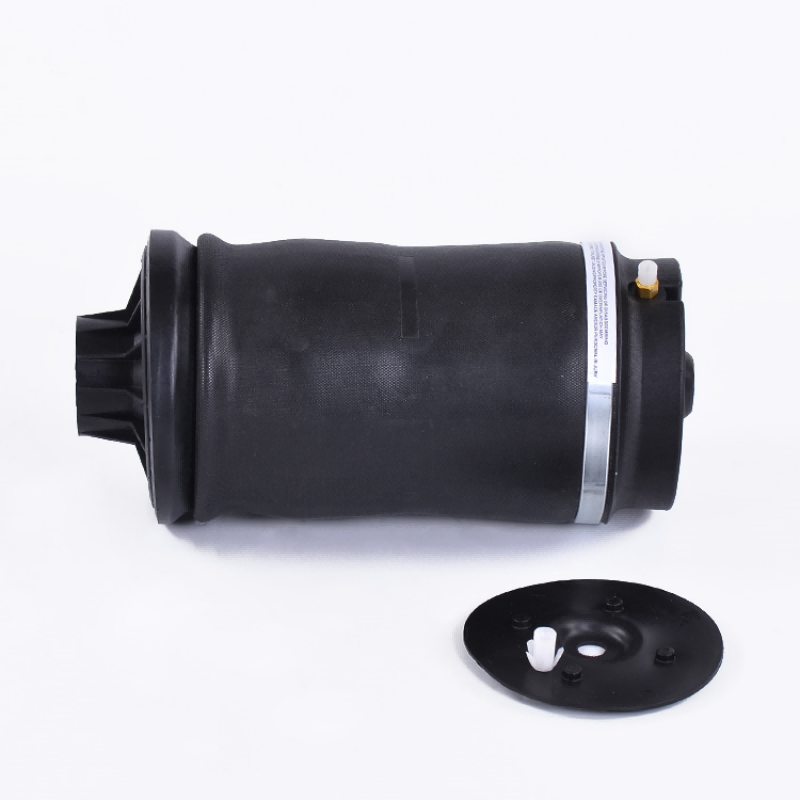
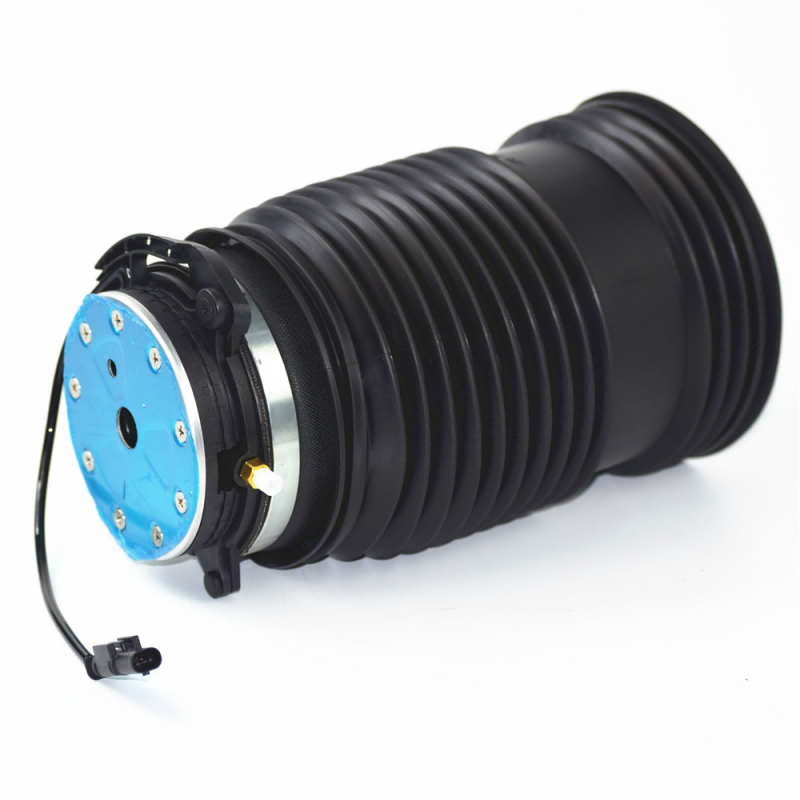
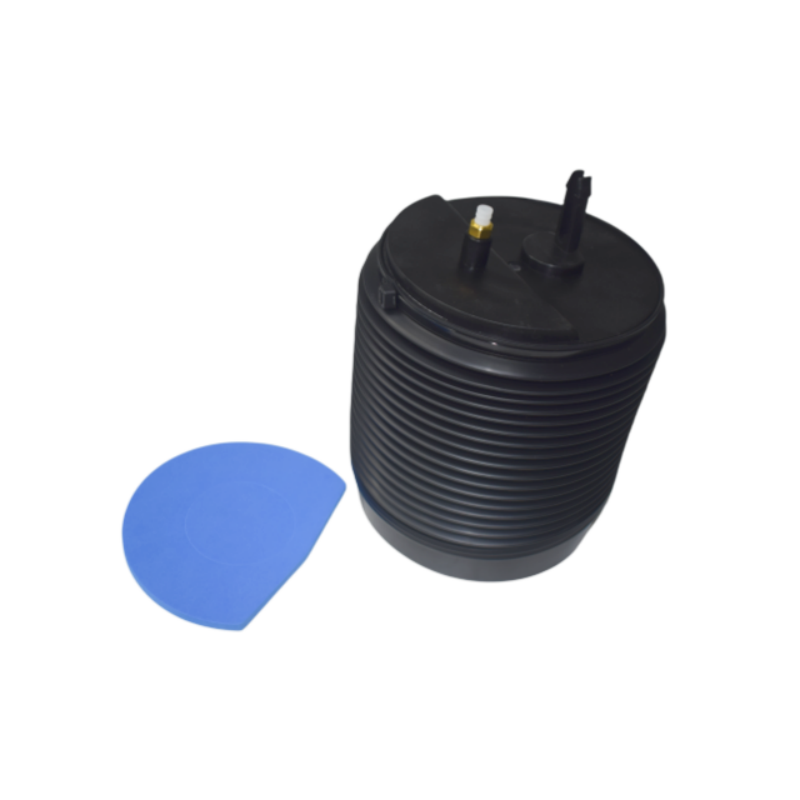
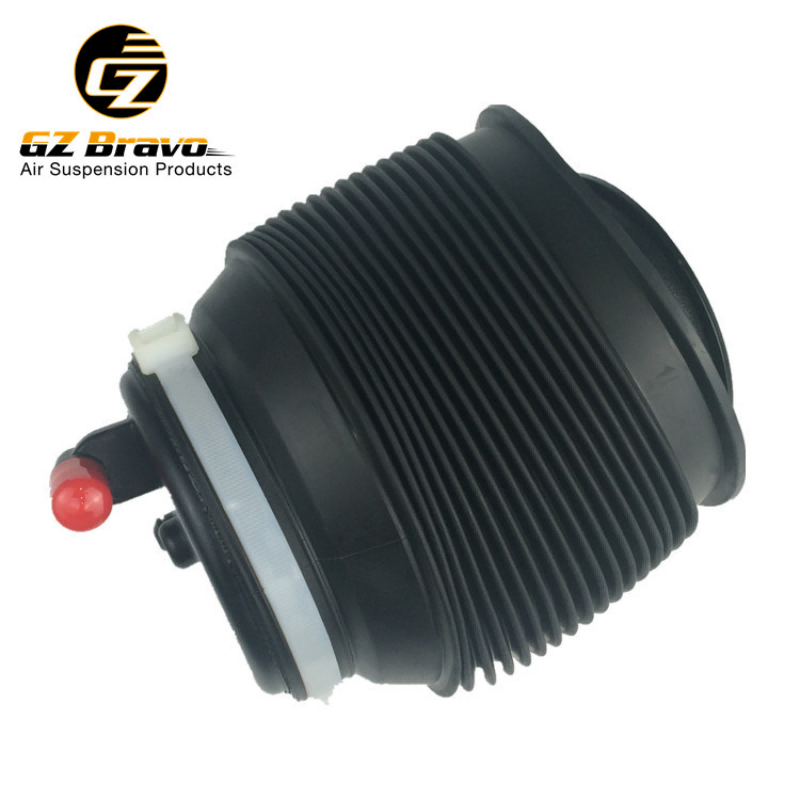
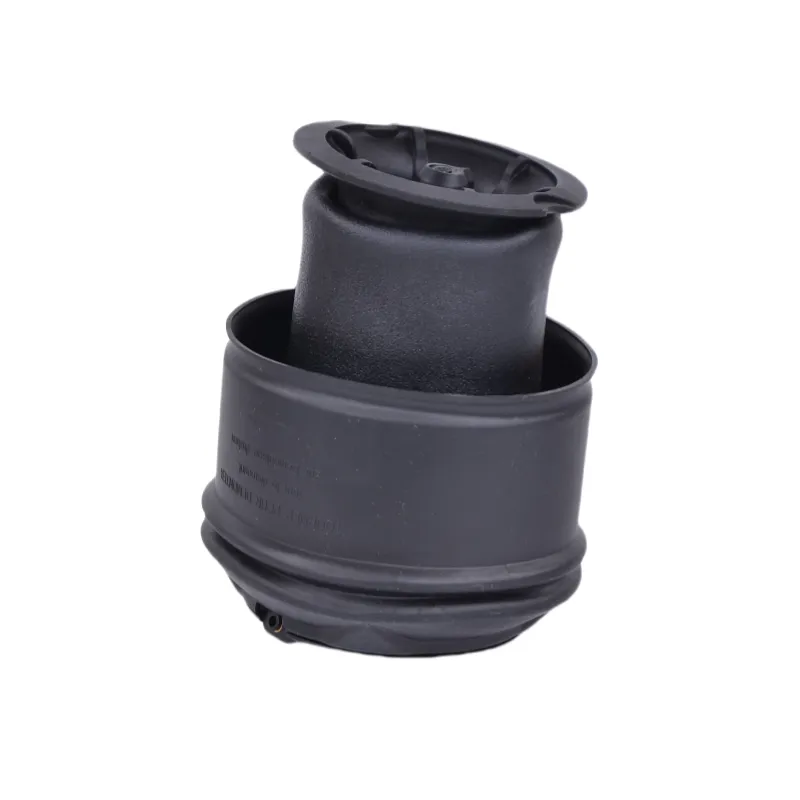
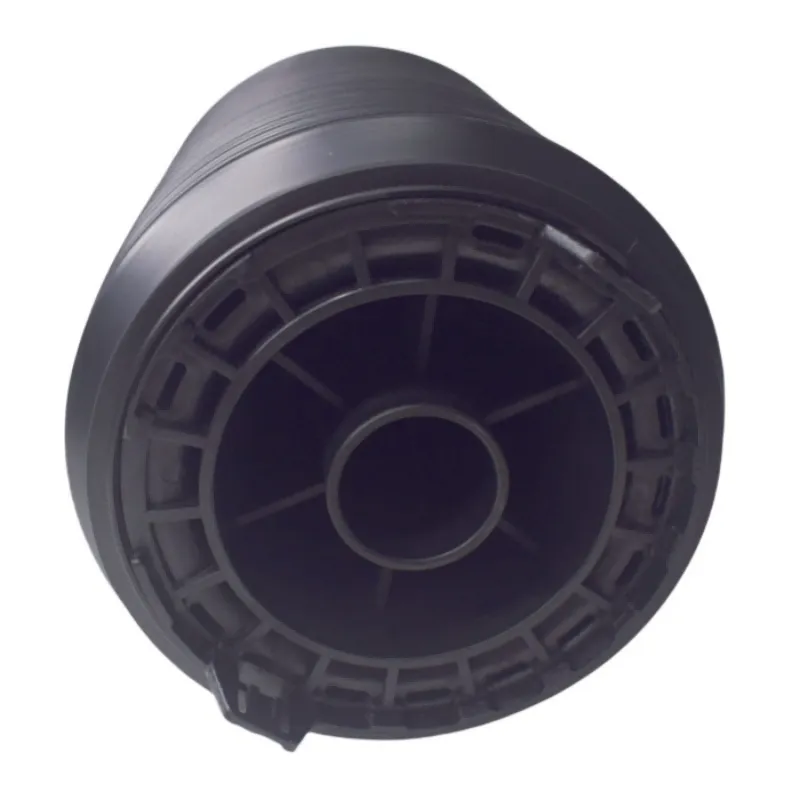
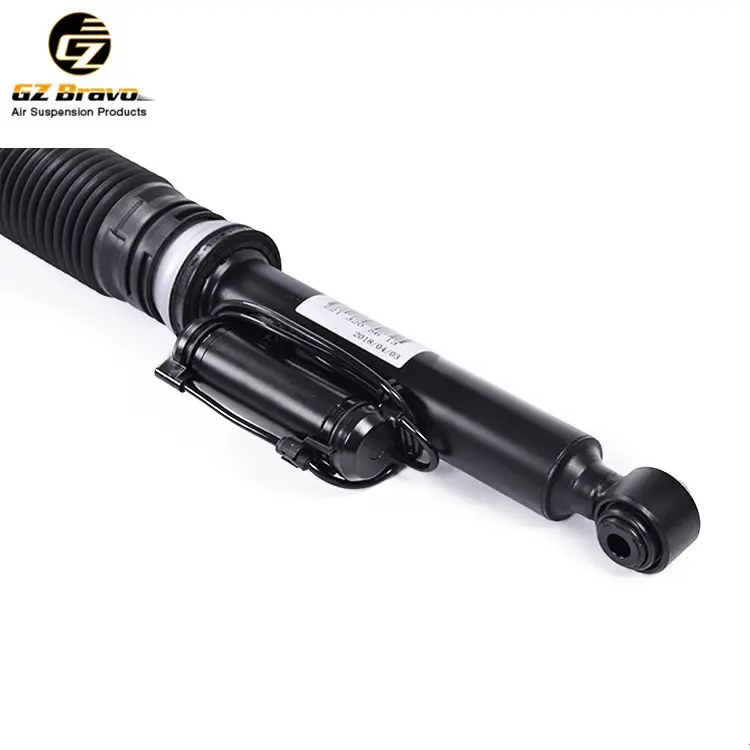
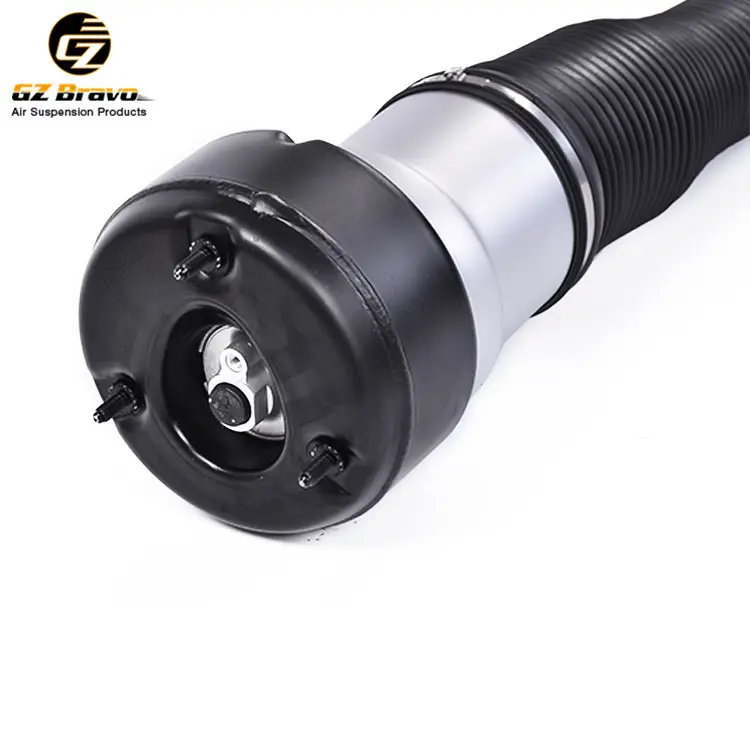
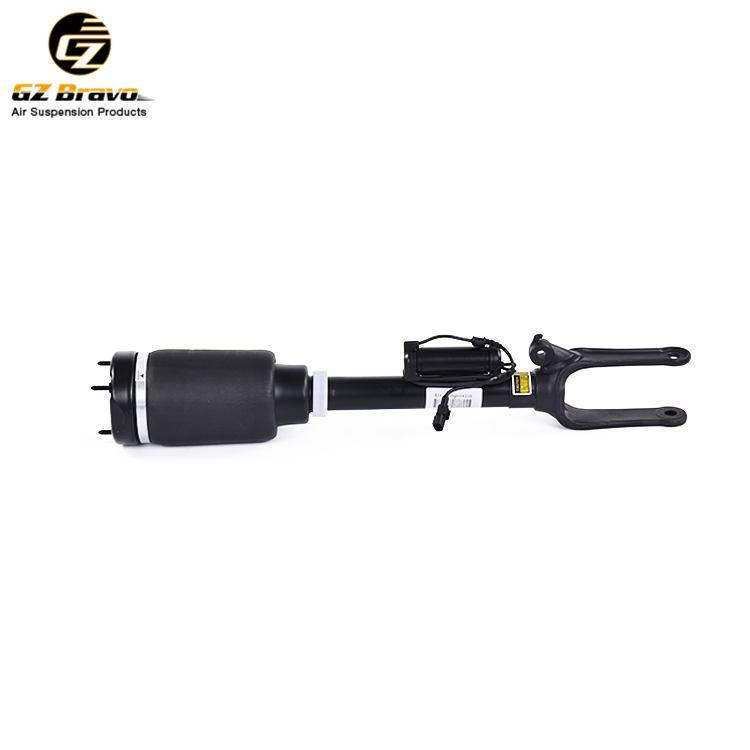
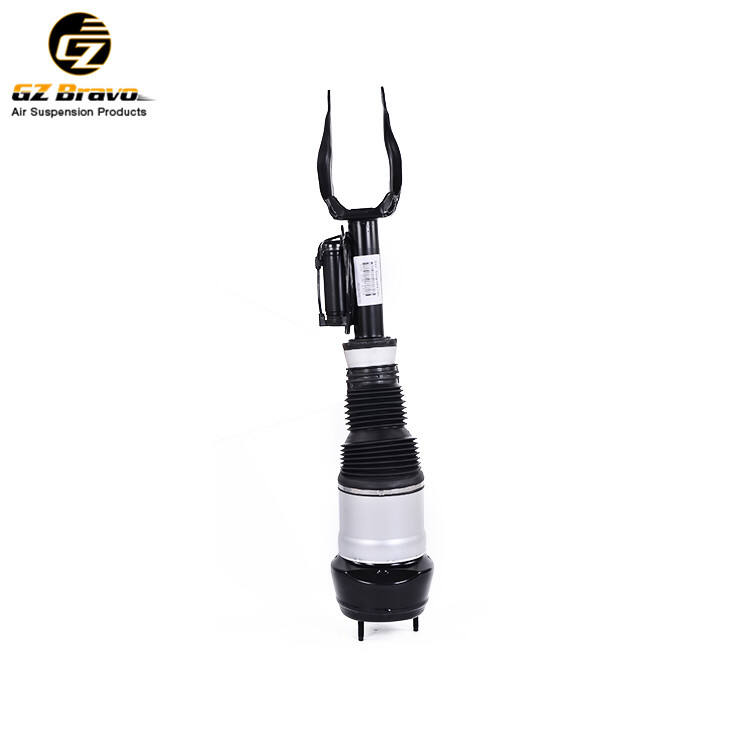
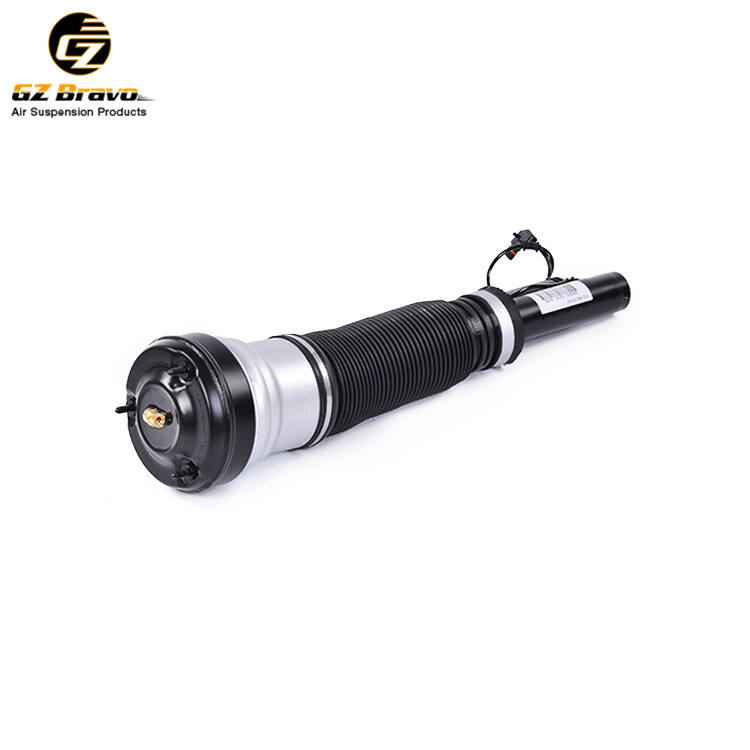
Front air suspension represents a revolutionary advancement in automotive technology that transforms how vehicles handle road conditions and deliver comfort to passengers. This sophisticated system replaces traditional coil springs and shock absorbers with air-filled rubber bags, known as air springs or air bags, positioned at the front axle of the vehicle. The front air suspension operates through an intricate network of components including an air compressor, electronic control unit, height sensors, and pressure valves that work together seamlessly to provide optimal performance. The main function of this system centers on automatically adjusting the vehicle's front-end height and stiffness based on driving conditions, load weight, and road surface quality. Unlike conventional suspension systems that offer fixed spring rates, front air suspension delivers variable spring rates that adapt in real-time to changing circumstances. The technological features embedded within modern front air suspension systems include advanced sensors that continuously monitor vehicle position, accelerometers that detect body movement, and sophisticated algorithms that process data instantaneously to make precise adjustments. The air compressor fills the air springs with compressed air, while electronic solenoid valves control air flow to maintain desired pressure levels. This dynamic adjustment capability enables the system to compensate for weight distribution changes when passengers enter or exit the vehicle, or when cargo is loaded or unloaded. Applications for front air suspension extend across multiple vehicle categories, from luxury sedans and high-performance sports cars to commercial trucks and recreational vehicles. Premium automobile manufacturers increasingly integrate this technology into their flagship models to enhance driving dynamics and passenger comfort. The system proves particularly valuable for vehicles that experience varying load conditions, as it maintains consistent ride height regardless of weight changes. Additionally, front air suspension finds extensive use in specialized vehicles requiring precise ground clearance control, such as off-road vehicles that need increased clearance for rough terrain or lowered positions for highway cruising.

New Product Releases

The front air suspension delivers exceptional comfort that transforms every journey into a smooth, refined experience. The system actively responds to road imperfections by adjusting air pressure within milliseconds, absorbing bumps and irregularities before they transfer to the cabin. Passengers notice immediately how the vehicle glides over potholes, speed bumps, and uneven pavement that would typically cause jarring impacts with traditional suspension setups. This superior comfort extends beyond occasional rough patches, as the system continuously fine-tunes itself to maintain optimal ride quality throughout the entire trip. Drivers appreciate how the technology reduces fatigue during long drives by minimizing the constant small movements and vibrations that accumulate over time. The adaptive nature of front air suspension means the comfort level remains consistent whether driving solo or with a full passenger load, as the system automatically compensates for additional weight. Another significant advantage manifests in improved vehicle handling and stability. The front air suspension enhances cornering performance by reducing body roll, keeping the vehicle more level during turns and lane changes. This stability improvement translates directly to increased driver confidence, especially when navigating winding roads or making emergency maneuvers. The system also contributes to better braking performance by maintaining optimal tire contact with the road surface, reducing stopping distances and improving overall safety. Vehicle owners gain practical benefits through the adjustable ride height feature that front air suspension provides. With the simple push of a button, drivers can raise the front end to navigate steep driveways, clear speed bumps, or traverse rough terrain without scraping the bumper or undercarriage. Conversely, lowering the vehicle improves aerodynamics at highway speeds, reducing wind resistance and enhancing fuel efficiency. This adjustability proves invaluable when loading or unloading cargo, as lowering the vehicle makes access easier and reduces strain on the back. The technology also preserves tire life by maintaining proper alignment and even weight distribution across all contact patches. The front air suspension demonstrates remarkable versatility in adapting to different driving modes and conditions. Whether cruising on smooth highways, navigating city streets, or tackling challenging terrain, the system optimizes performance for each scenario. This adaptability means one vehicle can effectively serve multiple purposes without compromise. Furthermore, the technology protects valuable cargo and sensitive equipment by minimizing shock transmission, making it ideal for transporting delicate items. The system requires minimal maintenance compared to traditional setups, with fewer moving parts subject to wear and tear, resulting in lower long-term ownership costs and greater reliability over the vehicle's lifetime.

Practical Tips

Is air suspension suitable for off-road and heavy-duty driving conditions?

27

May

Is air suspension suitable for off-road and heavy-duty driving conditions?

When drivers and fleet managers consider upgrading or replacing their vehicle's suspension system, one question consistently rises to the top: is air suspension genuinely capable of handling the punishment of off-road terrain and heavy-duty workloads...
View More
Why do manufacturers adopt air suspension systems for luxury vehicle platforms?

27

May

Why do manufacturers adopt air suspension systems for luxury vehicle platforms?

The decision to adopt air suspension systems in luxury vehicle platforms is not an arbitrary engineering choice. It represents a deliberate commitment to delivering a driving experience that consistently exceeds passenger expectations, meets stringen...
View More
How does air suspension enhance stability during high-speed driving operations?

27

May

How does air suspension enhance stability during high-speed driving operations?

When a vehicle travels at high speed, the margin for error shrinks dramatically. Every bump in the road, every shift in load distribution, and every gust of crosswind becomes a real threat to driver control. This is precisely where air suspension pro...
View More
How does an air suspension compressor improve performance in load support systems?

03

Jun

How does an air suspension compressor improve performance in load support systems?

When a vehicle carries heavy loads or navigates uneven terrain, the demands placed on its suspension system increase dramatically. An air suspension compressor sits at the heart of any pneumatic load support system, continuously managing air pressure...
View More

Get a Free Quote

Our representative will contact you soon.
Email
Name
Company Name
Message
0/1000

front air suspension

Enhanced Comfort Through Intelligent Adaptive Technology

Enhanced Comfort Through Intelligent Adaptive Technology

The front air suspension revolutionizes ride comfort through its intelligent adaptive technology that continuously monitors and responds to changing road conditions. At the heart of this system lies sophisticated sensor technology that detects even the smallest variations in road surface quality, vehicle speed, and driving patterns. These sensors feed information to the electronic control unit dozens of times per second, enabling the system to make proactive adjustments before passengers even perceive disturbances. The air springs themselves represent a technological marvel, constructed from reinforced rubber compounds designed to withstand millions of compression cycles while maintaining their elastic properties. Unlike metal springs that have fixed characteristics, these air springs can alter their effective spring rate by changing internal air pressure, providing soft cushioning over small bumps while remaining firm enough to control larger impacts. The system employs multiple pressure zones within each air spring, allowing for fine-tuned control that traditional suspension simply cannot match. When the front air suspension detects an approaching obstacle through predictive algorithms analyzing wheel speed and body movement patterns, it preemptively adjusts damping characteristics to minimize impact transmission. This predictive capability distinguishes modern systems from earlier reactive designs, delivering noticeably superior comfort. The technology particularly excels during highway cruising, where it can detect and compensate for subtle road crown variations, expansion joints, and surface texture changes that cause continuous minor disturbances. Passengers experience a floating sensation, isolated from the imperfections of the road surface below. The system also addresses the challenge of varying load conditions that plague conventional suspensions, which are typically optimized for either empty or fully loaded scenarios but compromise in between. Front air suspension eliminates this compromise by automatically detecting weight distribution through height sensors and adjusting air pressure accordingly, ensuring optimal comfort regardless of passenger count or cargo weight. This capability proves especially valuable for families whose vehicles regularly transition between light and heavy loading conditions throughout the week.
Superior Vehicle Control and Safety Performance

Superior Vehicle Control and Safety Performance

Front air suspension significantly enhances vehicle control and safety through advanced stability management and improved road contact. The system fundamentally changes how vehicles respond to steering inputs and external forces, providing drivers with greater confidence and precision. During cornering maneuvers, traditional suspensions allow significant body lean as weight transfers to the outside wheels, creating an unsettling sensation and reducing tire contact patch effectiveness. The front air suspension counteracts this phenomenon by instantly stiffening the suspension on the loaded side while softening the opposite side, maintaining a more level vehicle attitude. This dynamic roll control keeps weight distributed more evenly across all tires, maximizing available grip and enabling higher cornering speeds with improved stability. The safety implications extend beyond performance driving scenarios to everyday situations like emergency lane changes to avoid obstacles. When a driver makes a sudden steering input, the front air suspension responds within milliseconds to stabilize the vehicle, reducing the likelihood of loss of control or rollover in extreme circumstances. The system also improves braking performance through better weight management during deceleration. When brakes are applied, traditional suspensions experience nose-dive as weight shifts forward, lifting the rear wheels and reducing their braking contribution. Front air suspension minimizes this pitch movement by adjusting front compression rates, maintaining more balanced weight distribution and shorter stopping distances. This characteristic proves especially valuable when towing trailers or hauling heavy cargo, situations where braking performance becomes even more critical. The technology contributes to accident avoidance by improving visibility through reduced vehicle pitch and bounce, allowing drivers to maintain clearer sight lines during dynamic driving. Additionally, the consistent ride height maintenance ensures headlight aim remains optimal regardless of load conditions, improving nighttime visibility for both the driver and other road users. The front air suspension also works synergistically with modern electronic stability control and traction management systems, providing these safety technologies with a more stable platform from which to operate and enhancing their effectiveness in preventing accidents.
Versatile Adjustability for Multiple Driving Scenarios

Versatile Adjustability for Multiple Driving Scenarios

The adjustable nature of front air suspension delivers unprecedented versatility that allows a single vehicle to excel across diverse driving scenarios and practical applications. This adaptability represents one of the most compelling advantages for vehicle owners who demand flexibility from their automotive investment. The ride height adjustment capability stands as the most visible manifestation of this versatility, enabling drivers to raise or lower the front end by several inches depending on circumstances. When approaching steep driveways with sharp incline angles, drivers can raise the front suspension to increase approach angle and prevent expensive front bumper or spoiler damage. This feature proves invaluable for owners of performance vehicles with low ground clearance who want aggressive styling without sacrificing practicality. Similarly, when encountering speed bumps, raised railroad crossings, or unpaved roads, the ability to instantly gain additional clearance prevents scraping and protects vulnerable undercarriage components like oil pans and exhaust systems. Off-road enthusiasts particularly appreciate how front air suspension transforms capability, allowing increased ground clearance for navigating obstacles like rocks, logs, and deep ruts that would stop vehicles with fixed suspension heights. The system then lowers back down for stable highway cruising, reducing the vehicle's center of gravity and improving aerodynamic efficiency. This lowering capability at speed delivers tangible fuel economy benefits by reducing wind resistance, a consideration that becomes increasingly important during long highway journeys. The front air suspension also facilitates easier vehicle entry and exit by lowering to a more accessible height, a feature especially appreciated by elderly passengers or those with mobility limitations. For commercial applications, the adjustable height simplifies loading and unloading operations, reducing the lifting distance for heavy items and minimizing workplace injury risk. Enthusiasts who attend car shows or automotive events value the ability to dramatically lower their vehicles for aesthetic impact, achieving a custom stance that would require permanent modifications with traditional suspension. The system stores multiple height presets, allowing drivers to quickly select their preferred setting for different situations without manual adjustment. This programmability extends to damping characteristics as well, with many systems offering comfort, normal, and sport modes that alter how the front air suspension responds to inputs, effectively providing multiple suspension personalities within one vehicle.


Get a Free Quote

Our representative will contact you soon.
Email
Name
Company Name
Message
0/1000