Versatile Height Adjustment for Enhanced Functionality and Accessibility
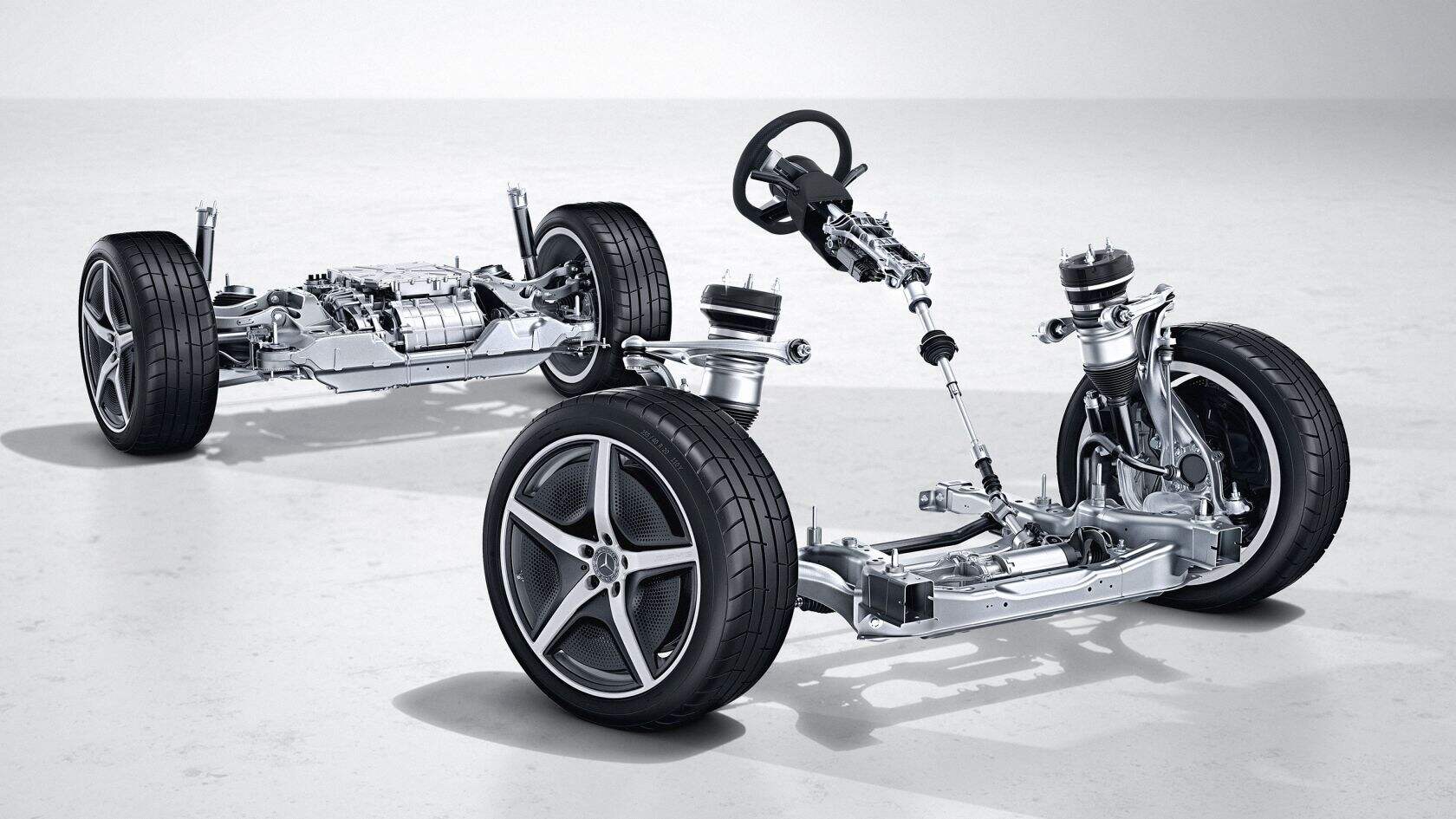
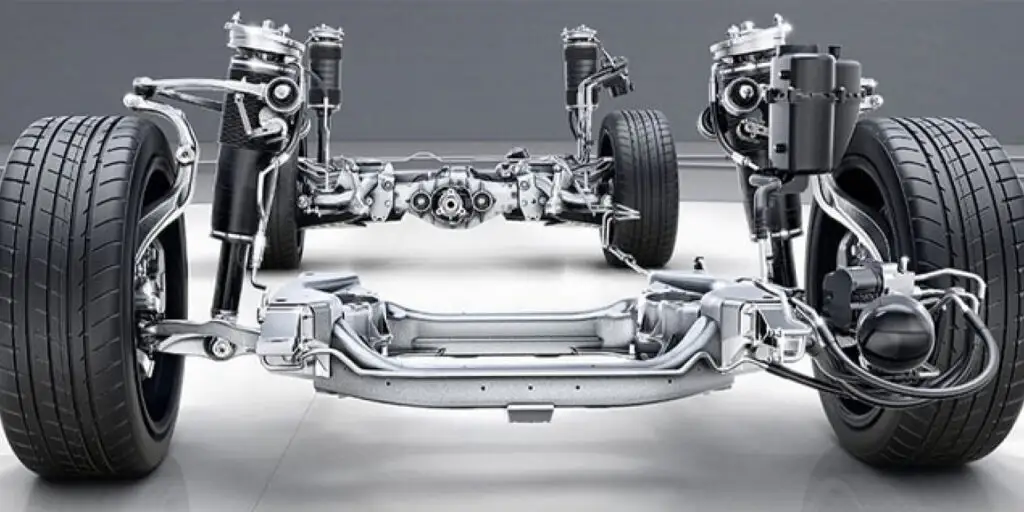
A defining characteristic when considering what is air suspension in a car is the remarkable ability to raise and lower the vehicle on demand, providing functionality that extends far beyond what fixed-height suspensions can offer. This adjustability transforms how vehicles interact with their environment and how passengers interact with the vehicle itself. At the press of a button, drivers can command the suspension to lift the vehicle several inches, providing increased ground clearance that proves invaluable in numerous real-world situations. When encountering unpaved driveways, speed bumps, steep inclines, or mild off-road conditions, the additional clearance prevents expensive undercarriage damage to exhaust systems, oil pans, and bumper covers. Snow-belt residents particularly appreciate this capability during winter months when unplowed parking lots and snow-covered roads require extra clearance to avoid getting stuck or damaging vehicle components. Conversely, the ability to lower the vehicle delivers equally important benefits in different circumstances. Reducing ride height improves aerodynamics by decreasing the frontal area and reducing air turbulence underneath the vehicle, resulting in measurably better fuel economy during highway driving. Many air suspension systems automatically lower the vehicle when speeds exceed certain thresholds, then raise it back to normal height when slowing down, optimizing efficiency without requiring driver input. The lowering function also significantly enhances accessibility for passengers with mobility challenges, elderly family members, or young children who struggle to climb into tall vehicles. By dropping the vehicle closer to ground level, entry and exit become easier and safer, reducing strain and the risk of falls. This feature proves particularly valuable in SUVs and trucks that typically sit quite high off the ground. Loading and unloading cargo becomes dramatically easier when the vehicle can be lowered, bringing the cargo floor closer to the loading dock or ground level. Those who frequently transport heavy items or load equipment appreciate not having to lift loads as high, reducing physical strain and making it possible to handle larger items that would be impossible to load into a high vehicle. The height adjustment capability also enables improved approach and departure angles for navigating obstacles, making air-equipped vehicles more capable in challenging terrain than their fixed-height equivalents. Some systems offer memory settings that automatically adjust to programmed heights for specific purposes, such as dropping to maximum low for garage clearance or raising to maximum height for off-road adventures. This programmability adds convenience while ensuring the vehicle is always configured optimally for its current task. The height adjustment function integrates with other vehicle systems, such as automatically lowering when parking to activate certain driver assistance features or raising when the vehicle is turned off to prevent sagging overnight.

 EN
EN