What Is Air Suspension in a Car: Complete Guide to Benefits, Technology and Features

Get a Free Quote

Our representative will contact you soon.
Email
Name
Company Name
Message
0/1000

what is air suspension in a car

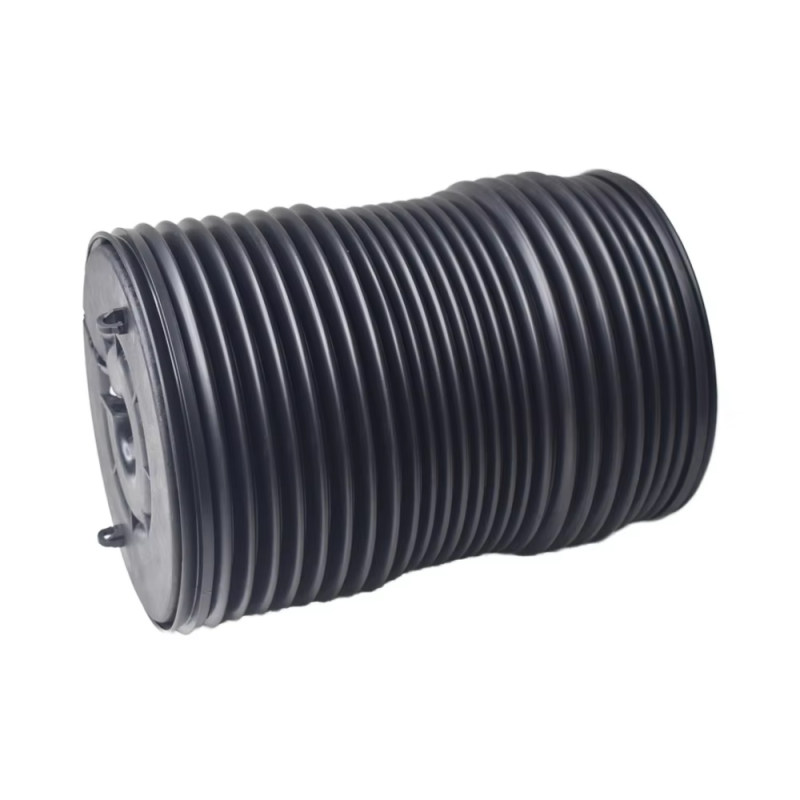
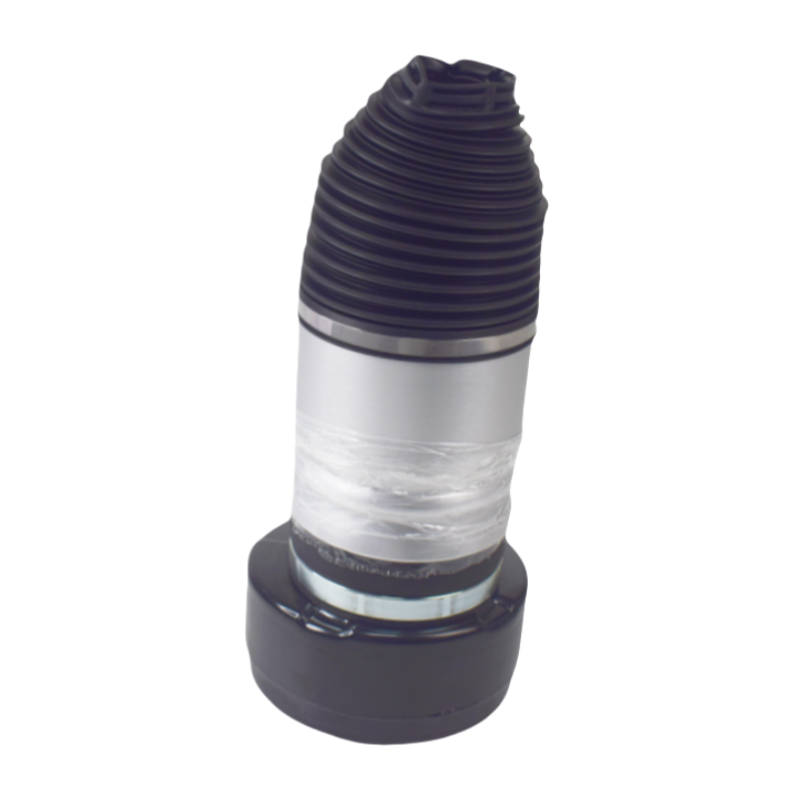
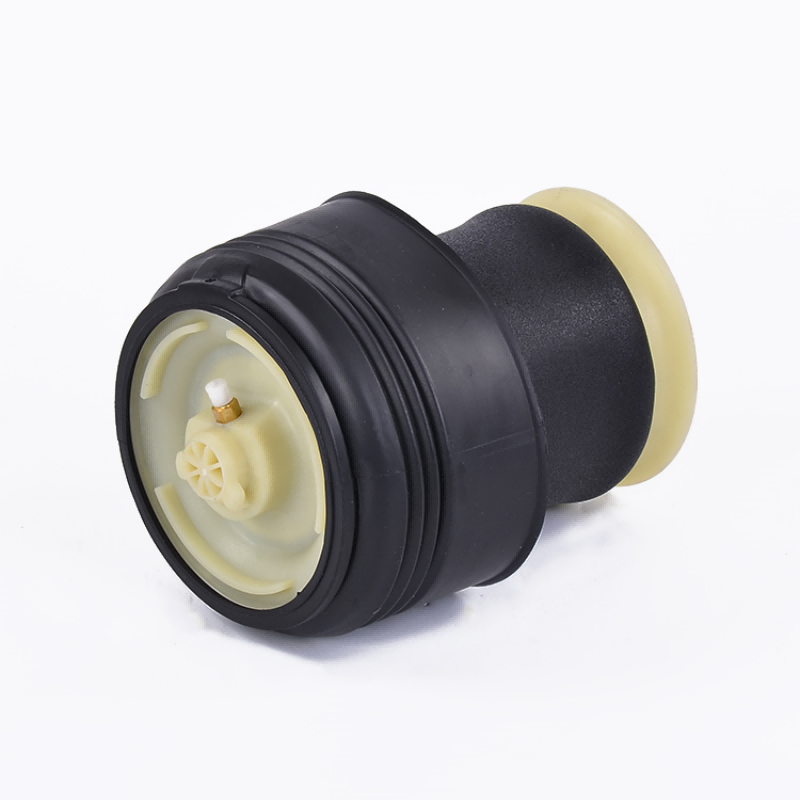
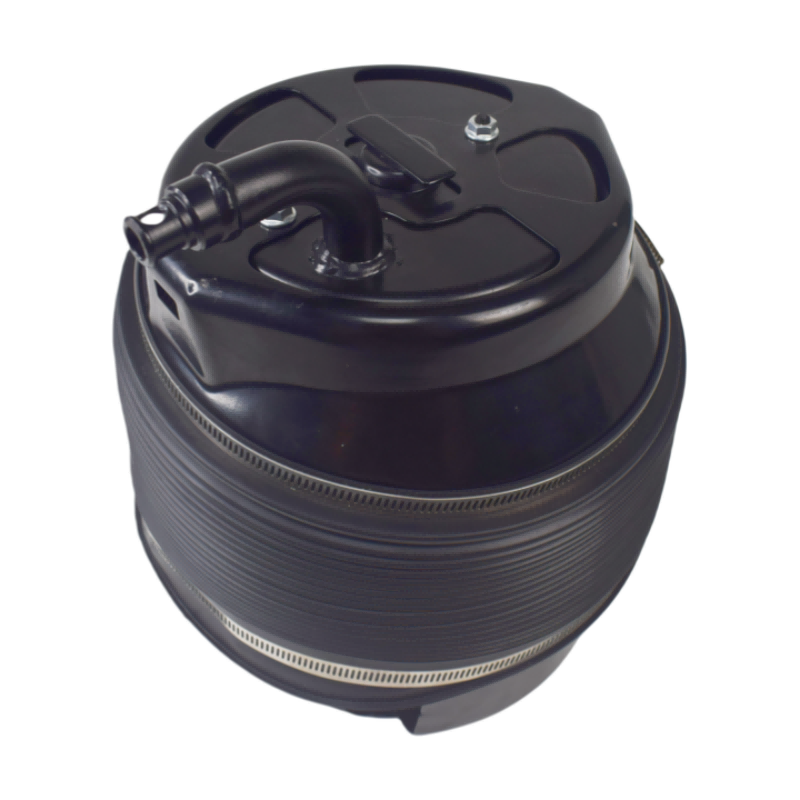
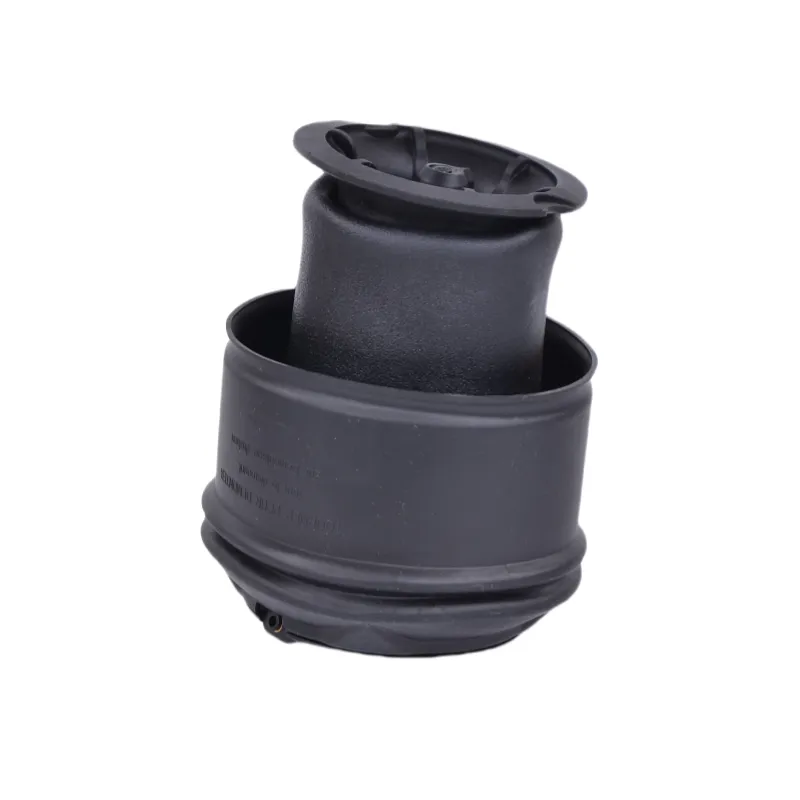
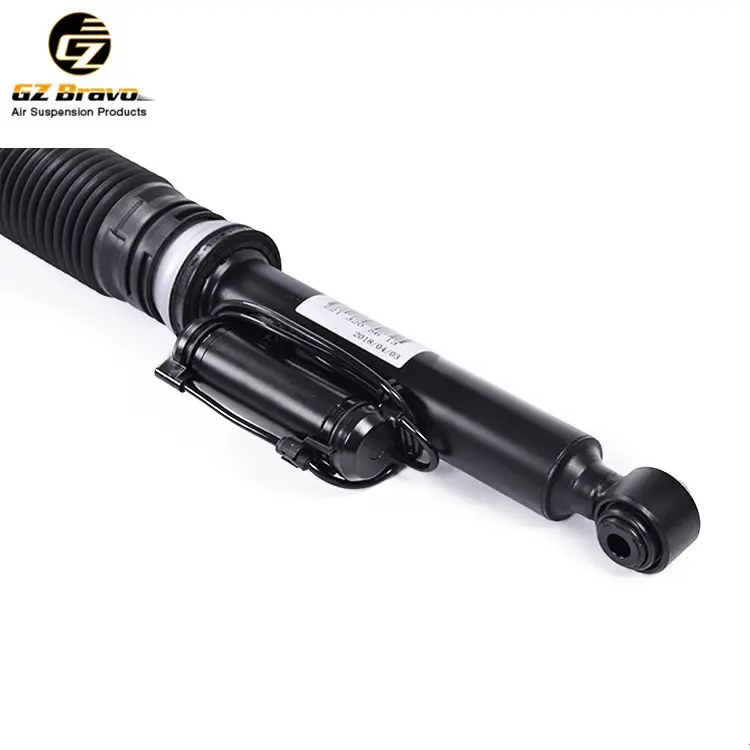
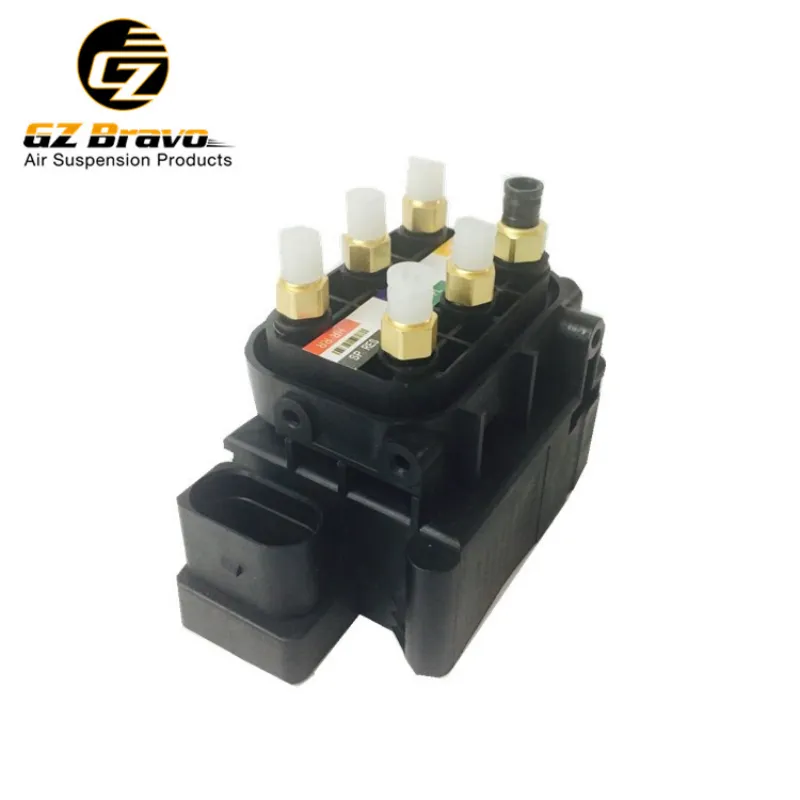
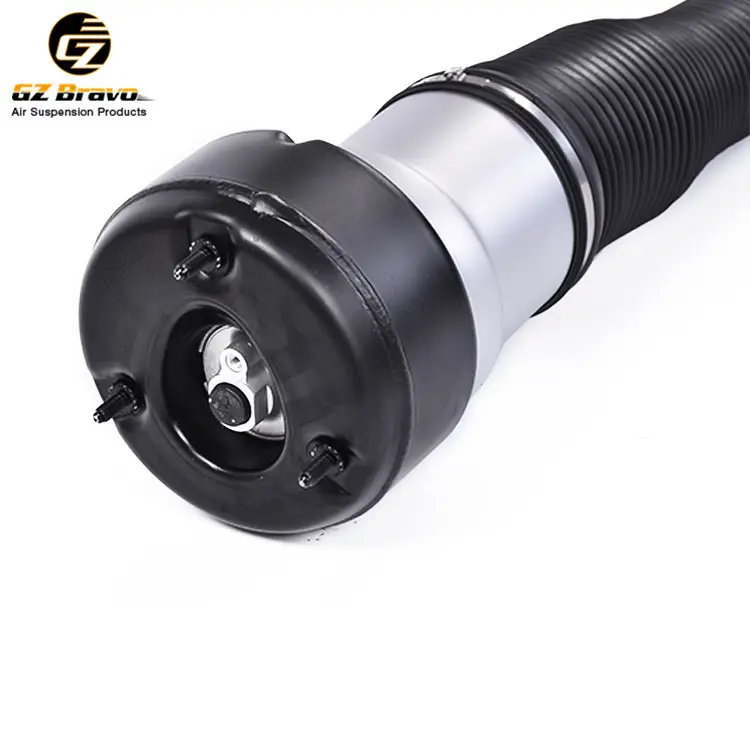
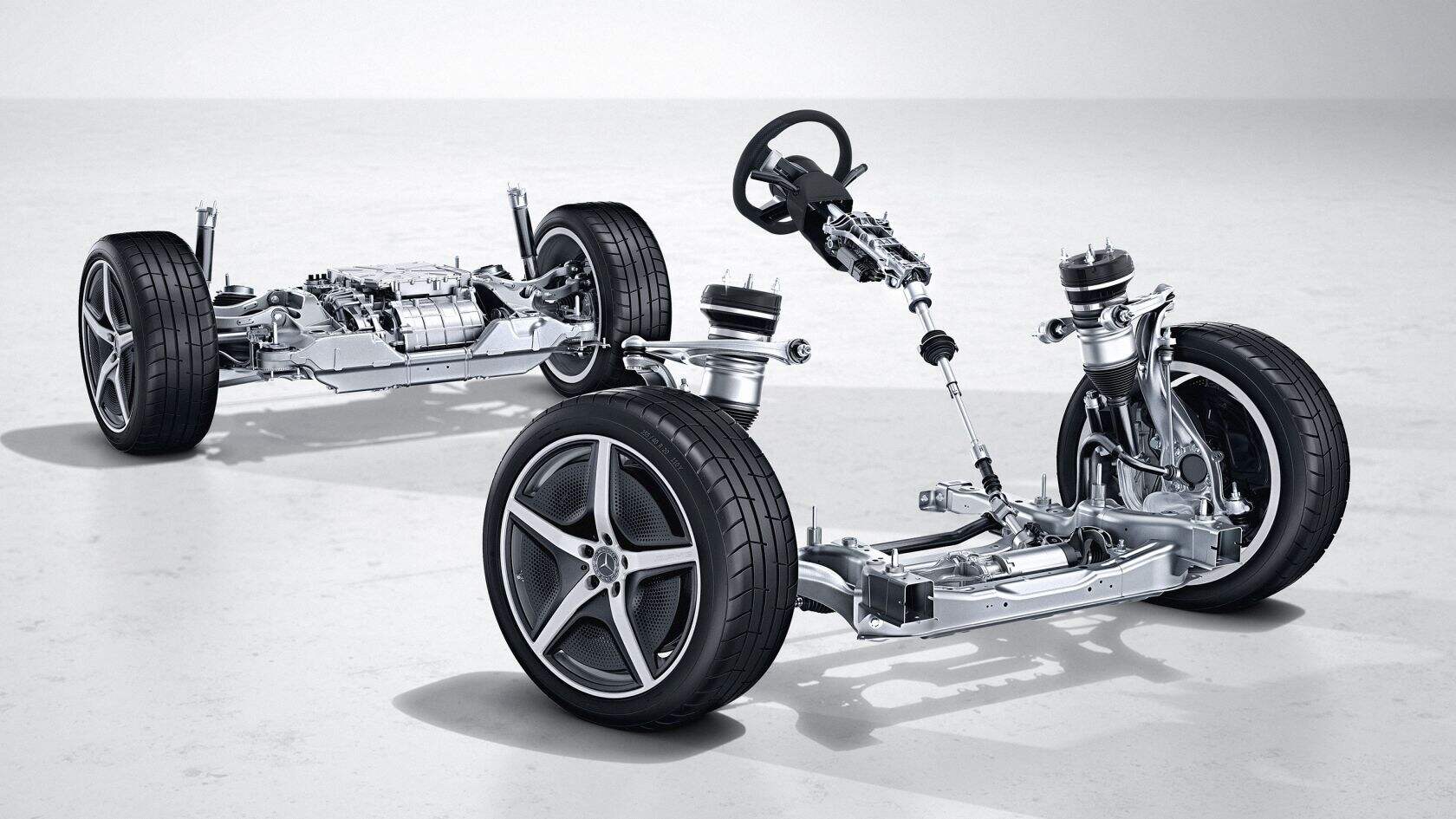
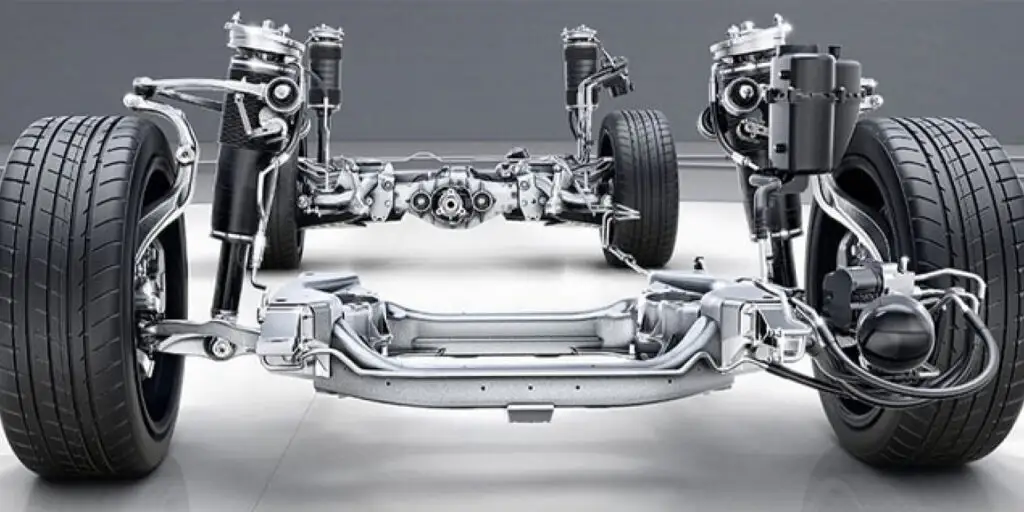
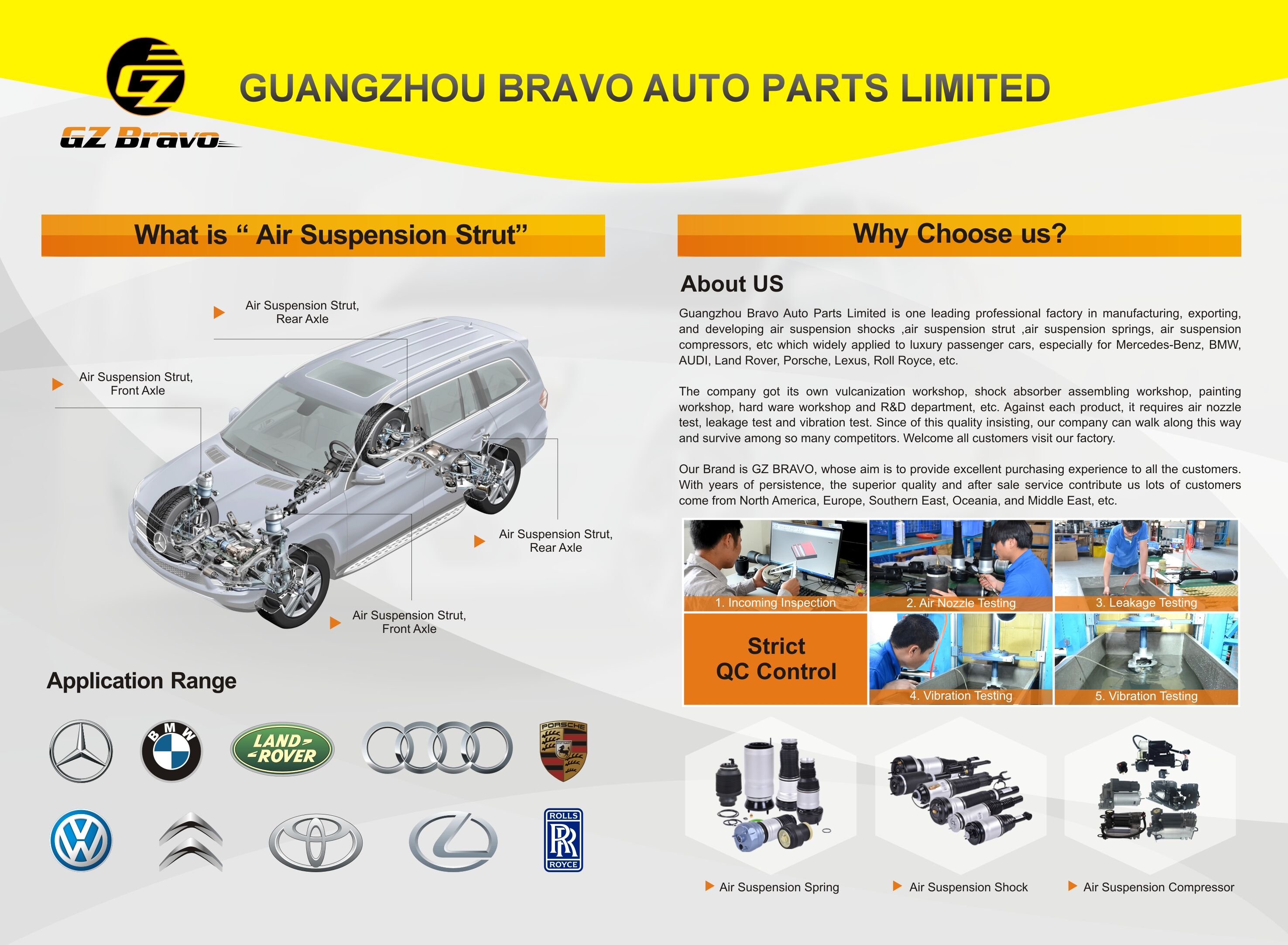
Air suspension in a car represents an advanced automotive technology that replaces traditional steel coil springs or leaf springs with flexible air-filled rubber bags, commonly known as airbags or air springs. This innovative system utilizes compressed air to support the vehicle's weight and absorb road irregularities, delivering a sophisticated approach to ride comfort and vehicle dynamics. The core components of air suspension include air springs at each wheel, an air compressor, a reservoir tank for storing compressed air, electronic control units, height sensors, and a network of valves that regulate air pressure distribution. When discussing what is air suspension in a car, it is essential to understand that this technology fundamentally transforms how vehicles interact with road surfaces. The system continuously monitors and adjusts the air pressure within each air spring, allowing for real-time modifications to the vehicle's ride height and suspension characteristics. Modern air suspension systems incorporate computerized controls that automatically adjust settings based on driving conditions, vehicle load, and driver preferences. The air compressor draws ambient air, compresses it, and stores it in the reservoir tank for immediate use when adjustments are necessary. Height sensors positioned at each corner of the vehicle constantly measure the distance between the chassis and the road surface, sending this information to the electronic control module. Based on these inputs, the system can increase or decrease air pressure in individual air springs, raising or lowering specific corners or the entire vehicle as needed. What is air suspension in a car extends beyond mere comfort enhancement; it serves multiple practical purposes including load leveling, improved aerodynamics at highway speeds through automatic lowering, and enhanced ground clearance for off-road driving. The technology has evolved significantly since its inception, moving from basic pneumatic systems to sophisticated electronically controlled setups that can adapt in milliseconds to changing road conditions and driving demands.

New Product Recommendations

Understanding what is air suspension in a car becomes most valuable when examining the tangible benefits this technology delivers to drivers and passengers in everyday situations. The primary advantage centers on exceptional ride quality that surpasses conventional suspension systems. Air suspension absorbs bumps, potholes, and road imperfections with remarkable efficiency, creating a smooth, cloud-like driving experience that reduces fatigue during long journeys. Passengers notice significantly less jarring and bouncing, making every trip more comfortable regardless of road conditions. Another major benefit involves adjustable ride height, which provides practical solutions for various driving scenarios. Drivers can raise the vehicle to navigate rough terrain, deep snow, or steep driveways without scraping the undercarriage, then lower it for easier entry and exit or improved aerodynamics on highways. This versatility proves particularly valuable for families with elderly passengers or young children who struggle with high vehicle entry points. Load leveling represents another crucial advantage that directly impacts vehicle performance and safety. When carrying heavy cargo or towing trailers, air suspension automatically compensates for the additional weight by increasing air pressure in the rear springs, maintaining proper vehicle stance and preventing the nose-up attitude that compromises handling and headlight aim. This self-leveling capability ensures consistent handling characteristics regardless of load variations, enhancing both safety and driving confidence. Improved handling dynamics emerge as a significant benefit, especially in vehicles equipped with adaptive air suspension that can adjust damping rates and spring stiffness. The system can firm up during aggressive cornering to reduce body roll while softening for straight-line cruising, delivering the best of both worlds without compromise. Fuel efficiency gains materialize through the ability to lower the vehicle at highway speeds, reducing aerodynamic drag and improving miles per gallon. The technology also extends tire life by maintaining optimal suspension geometry and even weight distribution across all four corners. Vehicle manufacturers appreciate air suspension for enabling multiple vehicle configurations from a single platform, while owners value the enhanced resale value associated with this premium feature. The system's ability to protect cargo from vibration damage makes it particularly appealing for those transporting delicate items or using their vehicles for business purposes. Maintenance advantages include reduced wear on other chassis components since air suspension absorbs impacts that would otherwise stress bushings, ball joints, and other mechanical parts. Modern systems include diagnostic capabilities that alert drivers to potential issues before they become serious problems, adding an extra layer of convenience and peace of mind.

Practical Tips

Is air suspension suitable for off-road and heavy-duty driving conditions?

27

May

Is air suspension suitable for off-road and heavy-duty driving conditions?

When drivers and fleet managers consider upgrading or replacing their vehicle's suspension system, one question consistently rises to the top: is air suspension genuinely capable of handling the punishment of off-road terrain and heavy-duty workloads...
View More
How does air suspension enhance stability during high-speed driving operations?

27

May

How does air suspension enhance stability during high-speed driving operations?

When a vehicle travels at high speed, the margin for error shrinks dramatically. Every bump in the road, every shift in load distribution, and every gust of crosswind becomes a real threat to driver control. This is precisely where air suspension pro...
View More
How does a solenoid valve block improve suspension adjustment accuracy?

03

Jun

How does a solenoid valve block improve suspension adjustment accuracy?

Modern air suspension systems rely on a precise network of components to deliver a smooth, controlled ride — and at the heart of that network sits the solenoid valve block. This compact but critical assembly governs how compressed air is distri...
View More
How does an air suspension compressor improve performance in load support systems?

03

Jun

How does an air suspension compressor improve performance in load support systems?

When a vehicle carries heavy loads or navigates uneven terrain, the demands placed on its suspension system increase dramatically. An air suspension compressor sits at the heart of any pneumatic load support system, continuously managing air pressure...
View More

Get a Free Quote

Our representative will contact you soon.
Email
Name
Company Name
Message
0/1000

what is air suspension in a car

Superior Comfort and Ride Quality Through Adaptive Technology

Superior Comfort and Ride Quality Through Adaptive Technology

When exploring what is air suspension in a car, the most immediately noticeable benefit is the transformative effect on ride comfort that sets air-equipped vehicles apart from their conventional counterparts. Unlike traditional steel springs that offer fixed spring rates and limited adaptability, air suspension provides infinitely variable support that responds dynamically to changing conditions. The air springs compress and expand with remarkable smoothness, cushioning occupants from harsh impacts that would otherwise transmit directly into the cabin. This technology excels at isolating passengers from road imperfections, creating a serene environment where conversations continue uninterrupted and beverages remain steady in cup holders even on deteriorated pavement. The system achieves this superior comfort through its ability to adjust air pressure and volume within each spring independently, allowing precise control over how each wheel reacts to surface irregularities. When one wheel encounters a pothole, that corner's air spring compresses to absorb the impact while the other three corners maintain their optimal position, preventing the entire vehicle from pitching or rolling excessively. Advanced air suspension systems incorporate multiple ride modes that drivers can select based on personal preferences or driving situations. Comfort mode maximizes cushioning by using softer air spring rates and slower damping responses, ideal for highway cruising or city driving where ride quality takes priority. Sport mode firms up the suspension to reduce body motion during spirited driving, providing better feedback and control without sacrificing all comfort. The electronic controls continuously monitor vehicle speed, steering angle, brake application, and acceleration to predict driver intentions and optimize suspension settings proactively rather than reactively. This predictive capability means the suspension has already adjusted to the ideal setting before the vehicle enters a turn or encounters a rough patch, delivering seamless performance that feels almost telepathic. Passengers in rear seats particularly benefit from air suspension, as the technology eliminates much of the harsh bucking motion that often makes rear seating positions less comfortable in vehicles with conventional springs. Families traveling with children find that air suspension reduces the likelihood of motion sickness while making it easier for kids to sleep during trips. The reduction in vibration and noise transmitted through the suspension also contributes to a quieter cabin environment, allowing audio systems to perform better and reducing overall stress levels during daily commutes or extended road trips.
Versatile Height Adjustment for Enhanced Functionality and Accessibility

Versatile Height Adjustment for Enhanced Functionality and Accessibility

A defining characteristic when considering what is air suspension in a car is the remarkable ability to raise and lower the vehicle on demand, providing functionality that extends far beyond what fixed-height suspensions can offer. This adjustability transforms how vehicles interact with their environment and how passengers interact with the vehicle itself. At the press of a button, drivers can command the suspension to lift the vehicle several inches, providing increased ground clearance that proves invaluable in numerous real-world situations. When encountering unpaved driveways, speed bumps, steep inclines, or mild off-road conditions, the additional clearance prevents expensive undercarriage damage to exhaust systems, oil pans, and bumper covers. Snow-belt residents particularly appreciate this capability during winter months when unplowed parking lots and snow-covered roads require extra clearance to avoid getting stuck or damaging vehicle components. Conversely, the ability to lower the vehicle delivers equally important benefits in different circumstances. Reducing ride height improves aerodynamics by decreasing the frontal area and reducing air turbulence underneath the vehicle, resulting in measurably better fuel economy during highway driving. Many air suspension systems automatically lower the vehicle when speeds exceed certain thresholds, then raise it back to normal height when slowing down, optimizing efficiency without requiring driver input. The lowering function also significantly enhances accessibility for passengers with mobility challenges, elderly family members, or young children who struggle to climb into tall vehicles. By dropping the vehicle closer to ground level, entry and exit become easier and safer, reducing strain and the risk of falls. This feature proves particularly valuable in SUVs and trucks that typically sit quite high off the ground. Loading and unloading cargo becomes dramatically easier when the vehicle can be lowered, bringing the cargo floor closer to the loading dock or ground level. Those who frequently transport heavy items or load equipment appreciate not having to lift loads as high, reducing physical strain and making it possible to handle larger items that would be impossible to load into a high vehicle. The height adjustment capability also enables improved approach and departure angles for navigating obstacles, making air-equipped vehicles more capable in challenging terrain than their fixed-height equivalents. Some systems offer memory settings that automatically adjust to programmed heights for specific purposes, such as dropping to maximum low for garage clearance or raising to maximum height for off-road adventures. This programmability adds convenience while ensuring the vehicle is always configured optimally for its current task. The height adjustment function integrates with other vehicle systems, such as automatically lowering when parking to activate certain driver assistance features or raising when the vehicle is turned off to prevent sagging overnight.
Automatic Load Leveling for Consistent Performance and Safety

Automatic Load Leveling for Consistent Performance and Safety

One of the most practical aspects of what is air suspension in a car manifests through its sophisticated load-leveling capabilities that maintain optimal vehicle geometry regardless of cargo weight or passenger distribution. This intelligent feature addresses a fundamental challenge that affects all vehicles: maintaining proper stance and handling characteristics when load conditions change dramatically. Traditional suspension systems compress under heavy loads, causing the rear of the vehicle to squat while the front rises, creating an undesirable nose-up attitude that degrades performance, safety, and appearance. Air suspension eliminates this problem through continuous monitoring and automatic adjustment. When sensors detect increased weight in the rear of the vehicle, whether from cargo, passengers, or a trailer tongue weight, the system immediately increases air pressure in the rear air springs to counteract the compression. This automatic response maintains the vehicle at its proper ride height, keeping the chassis level and preserving the suspension geometry that engineers designed for optimal performance. The benefits of this load-leveling capability extend across multiple aspects of vehicle operation. Proper ride height ensures headlights aim correctly, preventing the dangerous situation where headlights point upward into oncoming traffic when the rear of the vehicle sags under load. Maintaining level stance also optimizes brake performance by keeping weight distribution within designed parameters, ensuring maximum braking effectiveness and stability during panic stops. Handling characteristics remain consistent regardless of load because the suspension geometry stays within its optimal range, preventing the vague steering feel and unpredictable cornering behavior that afflict overloaded conventional suspensions. Tire wear patterns improve dramatically since the tires maintain proper contact patches with the road surface instead of wearing unevenly due to altered suspension angles. The system proves particularly valuable for those who use their vehicles for towing, as it automatically compensates for trailer tongue weight that would otherwise overwhelm rear springs. This capability allows vehicles to tow heavier loads more safely while maintaining comfortable ride quality that makes towing less stressful. Professional applications benefit enormously from load leveling, including tradespeople who carry varying amounts of tools and materials, delivery drivers whose cargo loads fluctuate throughout the day, and anyone who occasionally needs to maximize their vehicle's cargo capacity. The system eliminates the need to manually adjust suspension settings or install supplemental air bags when carrying heavy loads, as the factory air suspension handles everything automatically. Beyond weight compensation, load-leveling technology accounts for dynamic weight transfer during acceleration, braking, and cornering, adjusting air pressures to minimize pitch and roll motions that upset vehicle balance. This active management creates a more stable platform that inspires driver confidence and enhances passenger comfort. The system's ability to maintain consistent ride height also prevents the bottoming-out that occurs when overloaded conventional suspensions run out of travel over bumps, protecting both the vehicle structure and the cargo from damaging impacts.

Get a Free Quote

Our representative will contact you soon.
Email
Name
Company Name
Message
0/1000