Air Suspension Systems: Advanced Comfort, Performance and Versatility for Modern Vehicles

Get a Free Quote

Our representative will contact you soon.
Email
Name
Company Name
Message
0/1000

air suspension

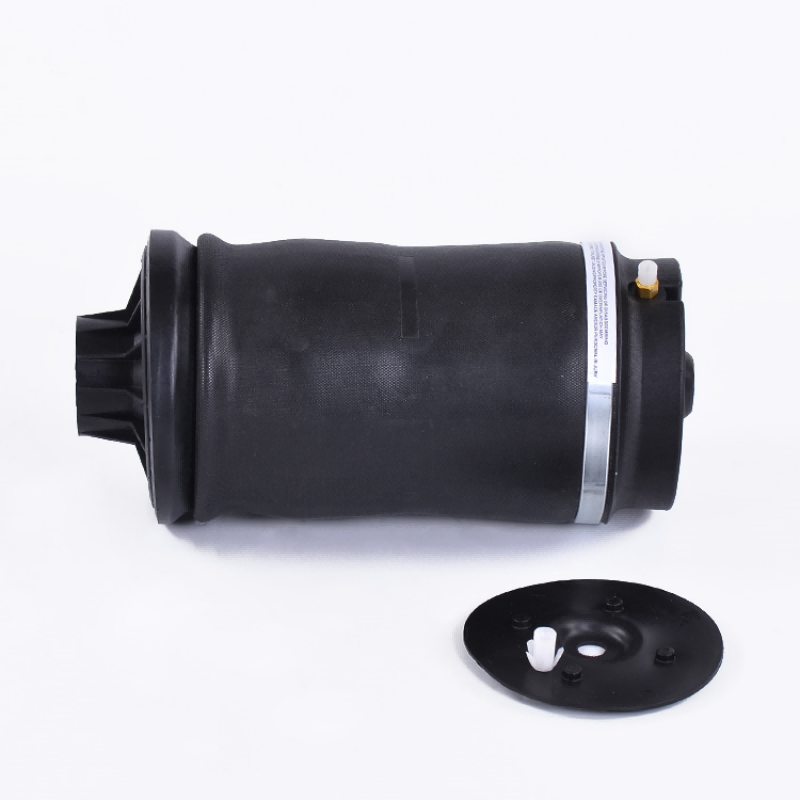
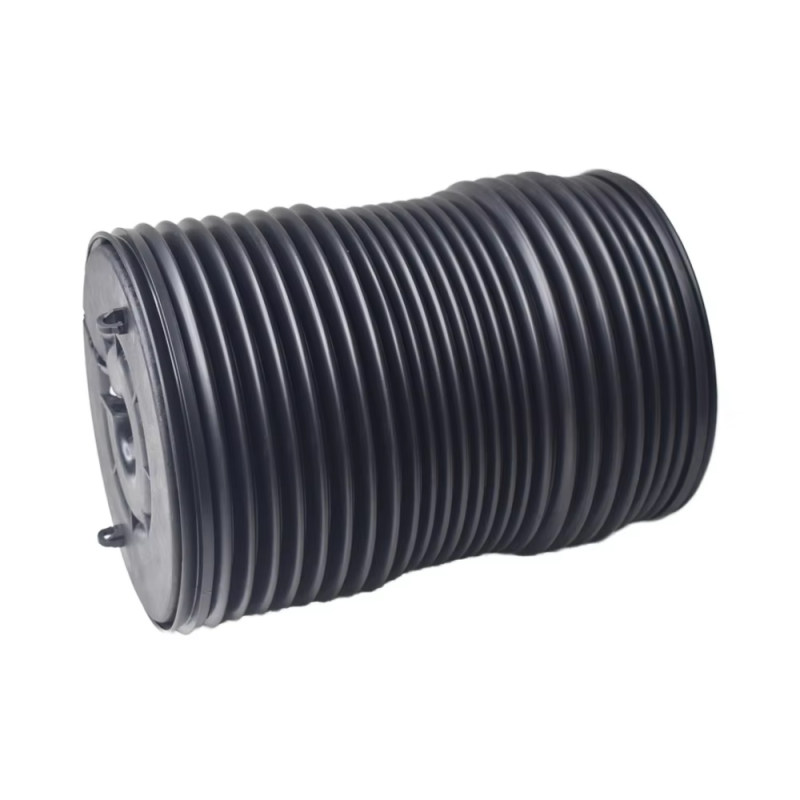
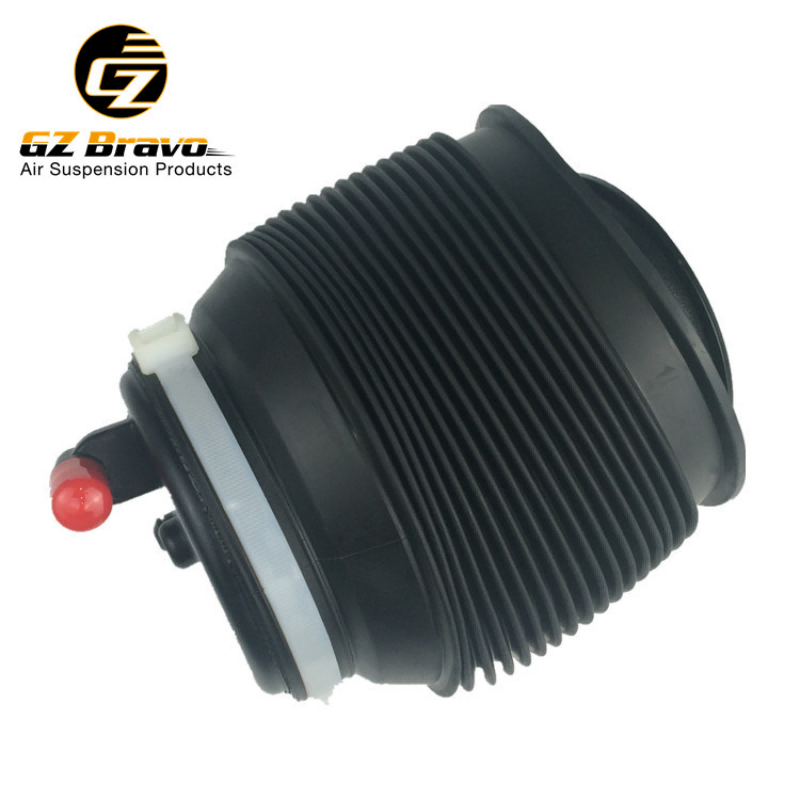
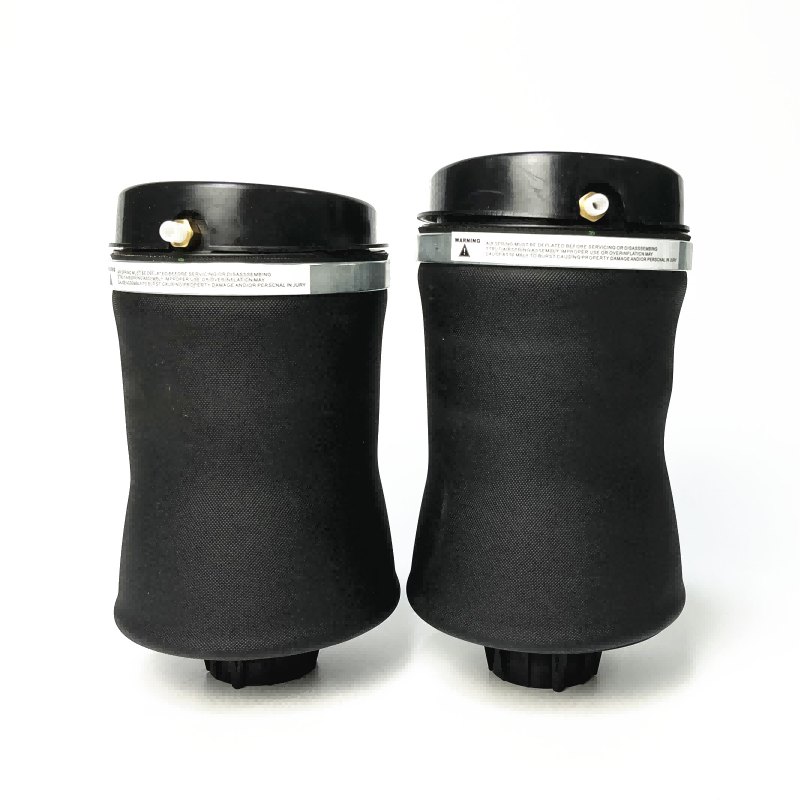
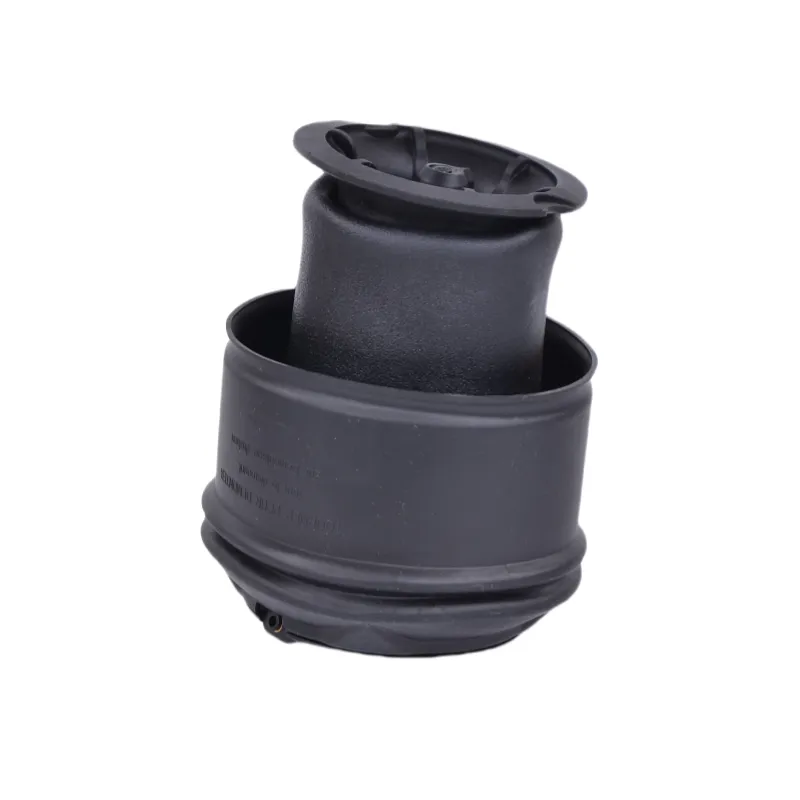
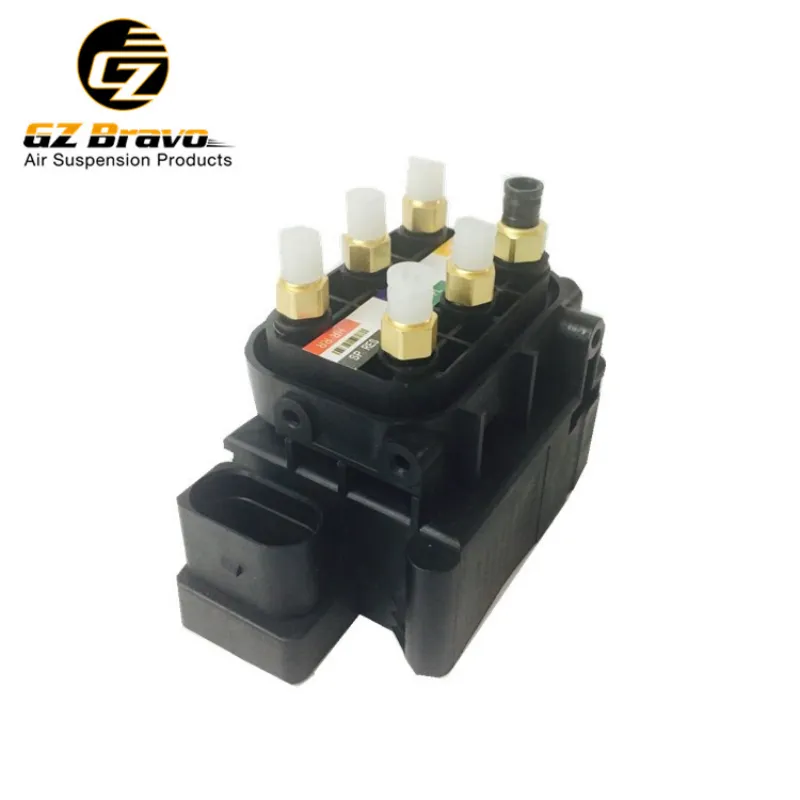
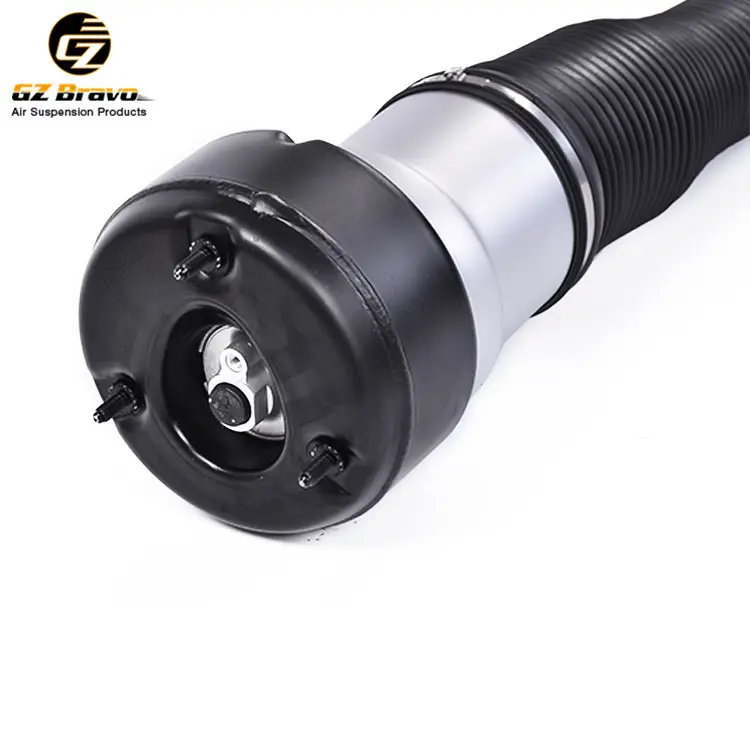
Air suspension represents a revolutionary advancement in vehicle suspension technology that replaces traditional steel springs with flexible air-filled rubber bellows. This sophisticated system utilizes compressed air to support the vehicle's weight and absorb road irregularities, delivering an exceptional driving experience. The core components include air springs, a compressor, air lines, electronic control units, and height sensors that work in harmony to maintain optimal ride quality. The air suspension system continuously monitors road conditions and automatically adjusts the air pressure within each spring to compensate for load changes and surface variations. Modern air suspension technology incorporates intelligent electronic management systems that can adapt suspension settings in real-time based on driving conditions, vehicle speed, and passenger comfort preferences. This adaptability makes air suspension particularly valuable for vehicles that experience varying loads or require precise height adjustment capabilities. The system finds extensive applications across multiple vehicle categories, including luxury sedans, sport utility vehicles, commercial trucks, buses, and recreational vehicles. In commercial applications, air suspension proves invaluable for maintaining consistent ride height regardless of cargo weight, which improves handling stability and protects sensitive freight. The technology has evolved significantly since its introduction, now featuring advanced damping control, multiple ride modes, and integration with other vehicle systems such as adaptive cruise control and lane-keeping assistance. Air suspension delivers superior isolation from road imperfections compared to conventional suspension designs, reducing cabin noise and vibration transmission. The ability to raise or lower the vehicle provides practical benefits for loading cargo, improving aerodynamics at highway speeds, and enhancing off-road capability when needed. This versatile technology continues to gain popularity as manufacturing costs decrease and consumers recognize the substantial comfort and performance advantages it provides over traditional suspension systems.

Popular Products

Air suspension delivers remarkable comfort improvements that transform every journey into a pleasantly smooth experience. The system eliminates harsh bumps and vibrations that typically intrude into the cabin with conventional springs, creating a floating sensation that passengers immediately notice and appreciate. Drivers benefit from reduced fatigue during long trips because the suspension absorbs road imperfections before they reach the cabin, allowing everyone to arrive at their destination feeling refreshed rather than exhausted. The technology automatically compensates for additional weight when you load passengers or cargo, maintaining consistent ride height and handling characteristics regardless of how much you carry. This self-leveling capability prevents the rear of your vehicle from sagging when you fill the trunk or attach a trailer, preserving proper headlight aim and optimal handling balance. You gain practical convenience through adjustable ride height that makes loading heavy items easier by lowering the vehicle closer to the ground, then raising it back up for normal driving. This feature proves especially helpful when accessing rooftop cargo boxes or when elderly passengers need to enter and exit the vehicle. The system enhances your vehicle's aerodynamic efficiency by automatically lowering at highway speeds, reducing wind resistance and improving fuel economy during commutes and road trips. Off-road enthusiasts appreciate the ability to increase ground clearance when traversing rough terrain, protecting vulnerable undercarriage components from damage while improving approach and departure angles. Air suspension significantly extends tire life by maintaining proper vehicle alignment and distributing weight evenly across all four corners, preventing premature or uneven wear patterns that waste money. The technology reduces wear on other vehicle components by absorbing shocks and impacts that would otherwise stress chassis parts, suspension links, and body mounts. You enjoy improved handling precision because the system can firm up during spirited driving or when navigating curves, reducing body roll and maintaining better tire contact with the road surface. The adjustability allows you to select comfort-oriented settings for daily commuting or sportier responses for weekend driving adventures. Air suspension adds significant resale value to your vehicle because buyers recognize it as a premium feature that enhances both comfort and capability. The system operates quietly without the creaking and rattling sounds sometimes associated with worn conventional springs and bushings, contributing to a more refined and luxurious cabin environment that makes every drive more enjoyable.

Tips And Tricks

Is air suspension suitable for off-road and heavy-duty driving conditions?

27

May

Is air suspension suitable for off-road and heavy-duty driving conditions?

When drivers and fleet managers consider upgrading or replacing their vehicle's suspension system, one question consistently rises to the top: is air suspension genuinely capable of handling the punishment of off-road terrain and heavy-duty workloads...
View More
What factors affect durability of air suspension components in daily use?

27

May

What factors affect durability of air suspension components in daily use?

When it comes to vehicle ride quality and load management, air suspension components play a central role in delivering comfort, stability, and adaptability across a wide range of driving conditions. Unlike traditional coil spring setups, air-based sy...
View More
How does a solenoid valve block improve suspension adjustment accuracy?

03

Jun

How does a solenoid valve block improve suspension adjustment accuracy?

Modern air suspension systems rely on a precise network of components to deliver a smooth, controlled ride — and at the heart of that network sits the solenoid valve block. This compact but critical assembly governs how compressed air is distri...
View More
How does an air suspension compressor improve performance in load support systems?

03

Jun

How does an air suspension compressor improve performance in load support systems?

When a vehicle carries heavy loads or navigates uneven terrain, the demands placed on its suspension system increase dramatically. An air suspension compressor sits at the heart of any pneumatic load support system, continuously managing air pressure...
View More

Get a Free Quote

Our representative will contact you soon.
Email
Name
Company Name
Message
0/1000

air suspension

Adaptive Comfort Technology That Responds to Your Driving Needs

Adaptive Comfort Technology That Responds to Your Driving Needs

Air suspension systems incorporate intelligent adaptive technology that continuously monitors and responds to changing driving conditions, delivering optimal comfort in every situation you encounter. The system uses sophisticated sensors positioned at each corner of your vehicle to measure suspension movement, body acceleration, and wheel position hundreds of times per second. This constant monitoring allows the electronic control unit to make instantaneous adjustments to air pressure and damping characteristics, ensuring your vehicle always maintains the ideal suspension setup for current conditions. When you encounter a pothole or rough patch of pavement, the system detects the disturbance and immediately softens the suspension response to absorb the impact before it reaches the cabin. Conversely, when you accelerate briskly or navigate a tight corner, the technology recognizes the dynamic load changes and automatically stiffens the suspension to minimize body roll and maintain stability. This intelligent responsiveness happens seamlessly without any input required from you, working invisibly in the background to enhance your driving experience. The adaptive capabilities extend to recognizing different driving scenarios such as highway cruising, city stop-and-go traffic, or aggressive mountain road driving, with the system optimizing its behavior for each situation. Many air suspension implementations offer selectable drive modes that allow you to prioritize comfort, sport performance, or balanced characteristics depending on your preferences and the journey ahead. The comfort mode maximizes absorption of road irregularities for the smoothest possible ride, ideal for relaxed touring or when passengers request the gentlest experience. Sport mode firms up the suspension to reduce body movement during enthusiastic driving, sharpening steering response and improving cornering confidence when you want a more engaging experience behind the wheel. Some systems even include an automatic mode that analyzes your driving style and road conditions to select the most appropriate settings without requiring manual intervention. The technology proves particularly beneficial for vehicles that serve multiple purposes, transforming from comfortable family transport during the week to capable recreational vehicle on weekends. Air suspension eliminates the compromises inherent in fixed conventional systems that must balance conflicting requirements between comfort and handling. This adaptability means you never need to accept a harsh ride for better handling or tolerate excessive body roll to achieve comfort, as the system delivers both attributes when needed.
Precision Load Leveling for Consistent Performance and Safety

Precision Load Leveling for Consistent Performance and Safety

One of the most valuable practical benefits of air suspension involves its automatic load-leveling capability that maintains proper vehicle stance and handling characteristics regardless of weight distribution or cargo load. Traditional spring-based suspension systems compress progressively as you add weight, causing the vehicle to sag and altering important geometric relationships that affect handling, braking, and headlight aim. Air suspension eliminates these concerns by monitoring ride height continuously and adjusting air pressure in each spring to compensate for added weight, keeping your vehicle level at all times. This automatic compensation happens within seconds of detecting a load change, whether you place luggage in the trunk, fill all passenger seats, or connect a trailer to the hitch. The system ensures that your vehicle maintains the factory-specified ride height that engineers determined provides optimal performance, safety, and component longevity. Maintaining correct ride height preserves proper suspension geometry, which means control arms, steering linkages, and other components operate at their designed angles for predictable handling behavior. When conventional suspensions sag under load, the altered geometry can cause unpredictable steering response, reduced stability, and compromised braking performance that creates safety concerns. Air suspension prevents these problems by keeping everything properly positioned regardless of how much weight you carry or where that weight is located. The load-leveling function proves especially important for towing applications, as conventional suspensions often squat dramatically when a trailer tongue weight presses down on the hitch. This squatting raises the front of the vehicle, reducing weight on the front tires and diminishing steering control while simultaneously aiming headlights upward into oncoming traffic. Air suspension counteracts tongue weight automatically, keeping the vehicle level and maintaining proper weight distribution across all four tires for confident towing performance. The technology benefits commercial vehicle operators who experience widely varying loads throughout the workday, as the suspension maintains consistent handling characteristics whether the cargo area is empty or fully loaded. This consistency improves driver confidence and safety while reducing the learning curve when transitioning between loaded and unloaded conditions. The automatic leveling also protects your vehicle's structure and components from stress and premature wear caused by operating in a perpetually nose-high or tail-low attitude. Proper ride height optimization ensures adequate clearance between tires and fender wells, preventing rubbing that can damage both tires and body panels when encountering bumps or during suspension compression.
Versatile Height Adjustment for Enhanced Capability and Convenience

Versatile Height Adjustment for Enhanced Capability and Convenience

Air suspension provides remarkable versatility through its ability to raise or lower your vehicle on demand, delivering practical benefits that extend far beyond improved ride quality. The adjustable height capability transforms how you interact with your vehicle during daily use while expanding its functional capabilities in challenging situations. At the press of a button, you can lower your vehicle several inches to facilitate easier entry and exit for passengers with mobility limitations, eliminating the need for awkward stepping up into tall vehicles. This lowered position also simplifies loading heavy or bulky cargo into the rear storage area, reducing the lifting height required and minimizing strain on your back during the loading process. Parents appreciate the convenience when installing child safety seats or helping young children climb aboard, as the reduced step-in height makes these tasks significantly easier. The lowering function proves invaluable when accessing rooftop cargo carriers or bike racks, bringing these accessories within comfortable reach without requiring step stools or precarious stretching. Once loaded and ready to drive, the air suspension automatically raises the vehicle back to its normal ride height, restoring proper ground clearance and aerodynamic positioning. At highway speeds, many air suspension systems automatically lower the vehicle slightly to reduce the frontal area exposed to wind resistance, improving aerodynamic efficiency and fuel economy during extended cruising. This automatic height reduction typically occurs above specific speeds and reverses when you slow down, operating transparently without requiring your attention or intervention. The opposite capability to increase ride height delivers substantial benefits for off-road adventures or when navigating obstacles that might damage undercarriage components. Raising the vehicle provides additional ground clearance that helps you clear rocks, logs, deep ruts, or steep driveways that would scrape the underside of vehicles with fixed suspension height. The increased clearance improves approach, breakover, and departure angles, allowing you to tackle more challenging terrain without fear of expensive damage to exhaust systems, differential housings, or chassis components. This adjustability means your vehicle can transform from a low-slung highway cruiser optimized for efficiency into a high-riding explorer ready for dirt roads and trails. The height adjustment capability proves particularly valuable in winter climates where deep snow accumulation can strand vehicles with inadequate ground clearance, as raising the suspension helps you push through drifts and unplowed areas. Some air suspension systems include memory functions that automatically select appropriate ride heights based on driving conditions or user preferences, learning your patterns and adjusting proactively.


Get a Free Quote

Our representative will contact you soon.
Email
Name
Company Name
Message
0/1000