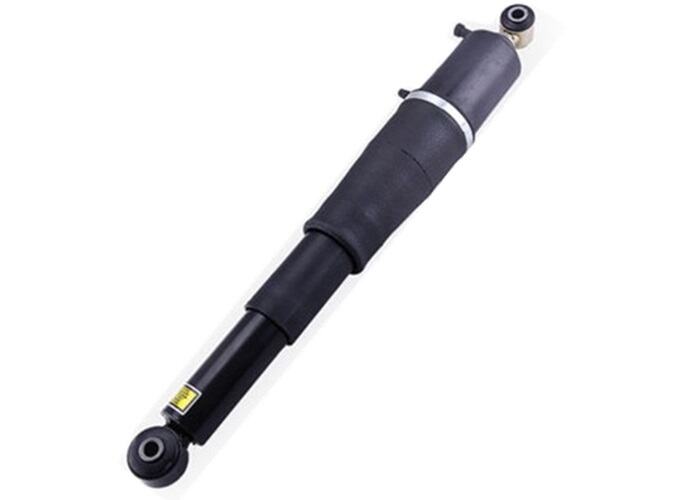
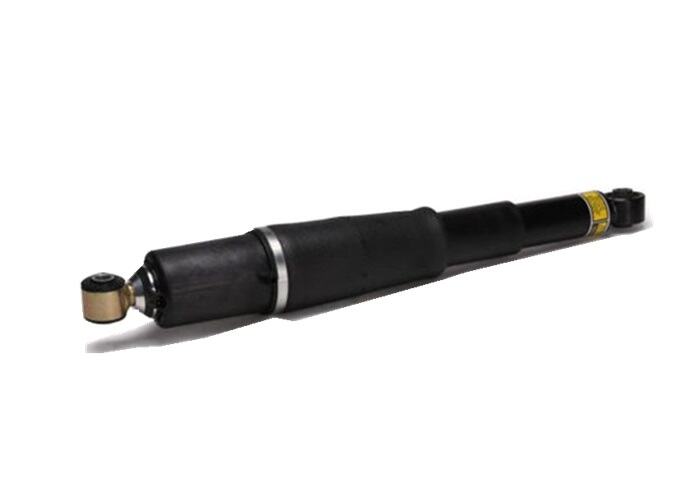
Enhanced Load Management and Towing Capability for Maximum Utility
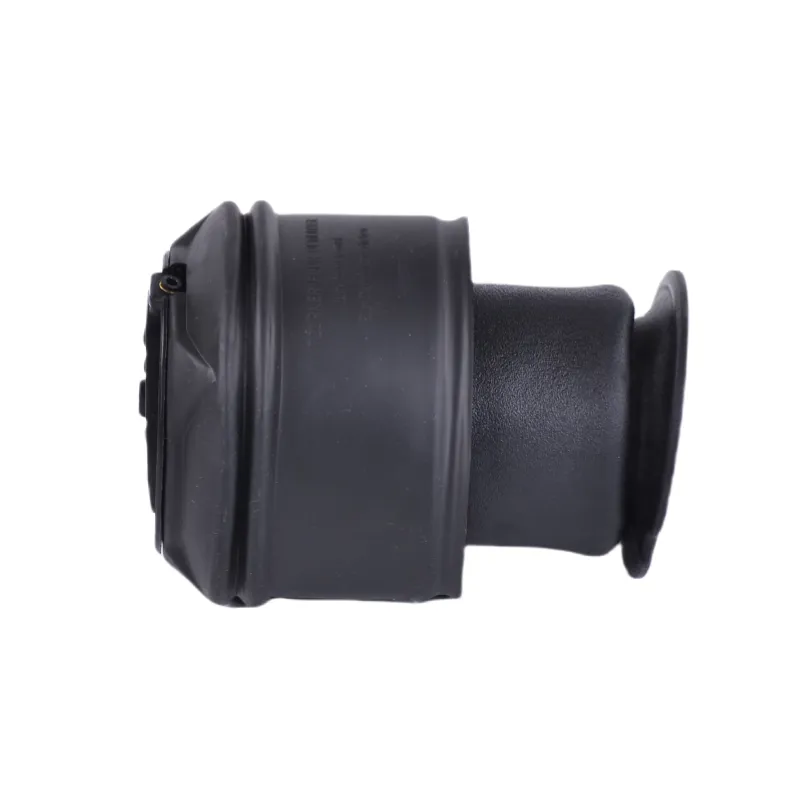
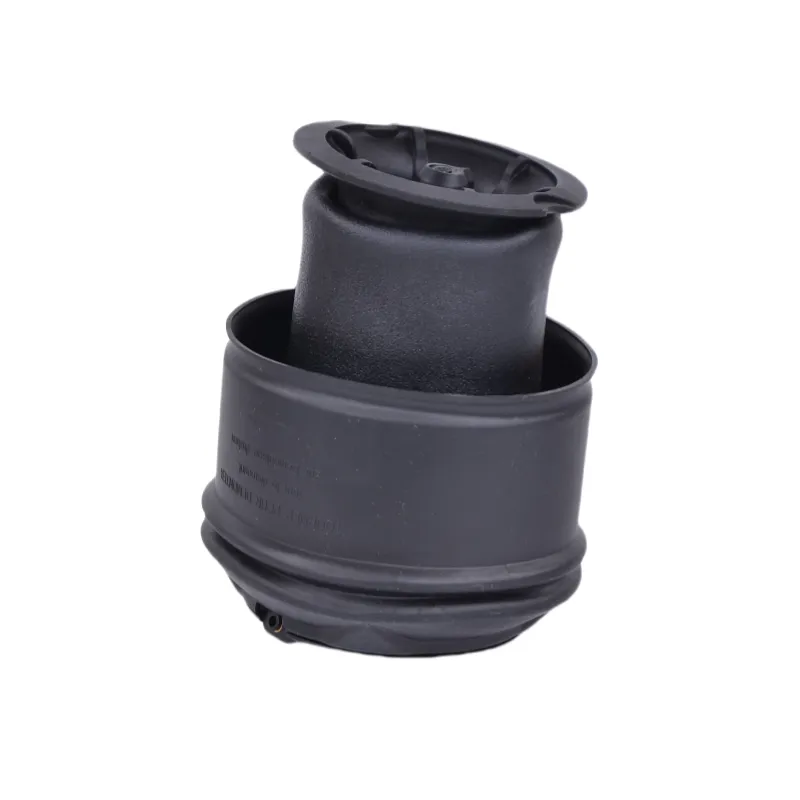
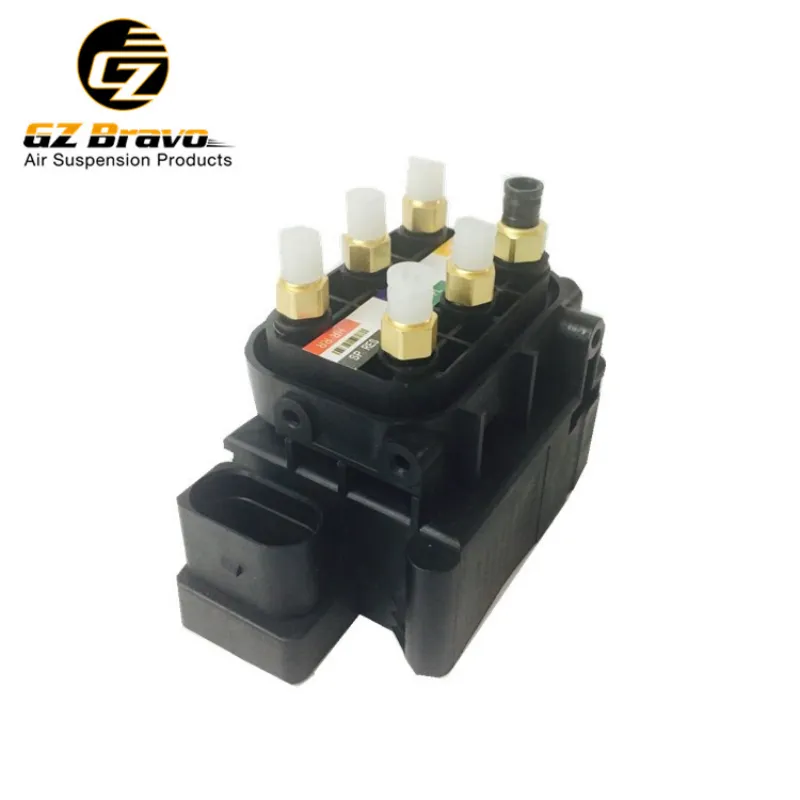
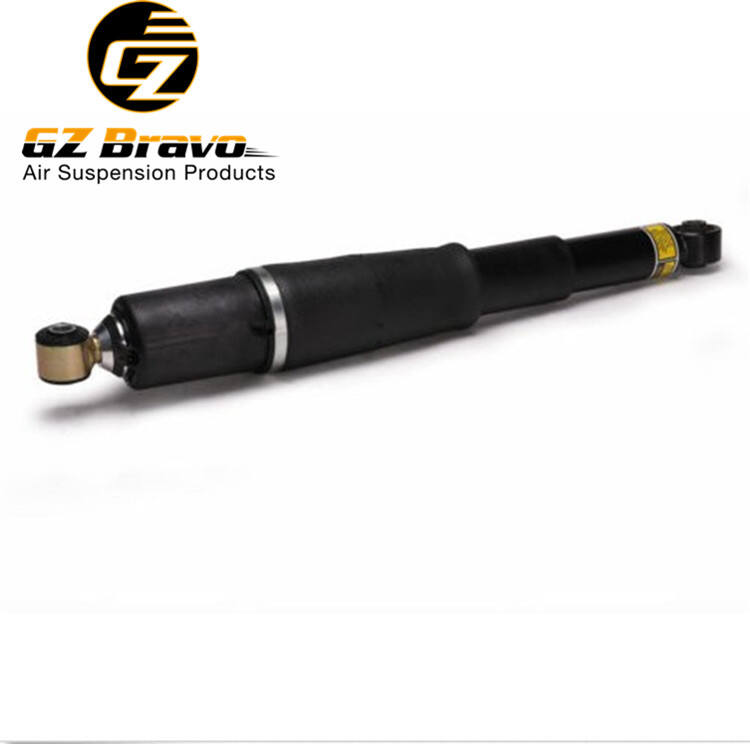
Aftermarket air suspension delivers exceptional load management capabilities that fundamentally enhance vehicle utility, making it an essential upgrade for anyone who regularly hauls cargo, tows trailers, or requires consistent performance regardless of weight variations. Traditional suspension systems suffer from a critical limitation: their spring rates are fixed at manufacture, representing a compromise between empty vehicle handling and loaded capacity that rarely optimizes either condition. When heavily loaded, conventional springs compress significantly, causing the rear of the vehicle to squat downward, which creates multiple problems including improper headlight aim, reduced rear visibility, compromised handling stability, and accelerated tire wear from altered suspension geometry. Aftermarket air suspension completely eliminates these issues through automatic load-leveling functionality that monitors vehicle height and adjusts air pressure to maintain proper stance regardless of cargo weight. When you load equipment, passengers, or supplies, sensors detect the increased weight and command the compressor to add air pressure, raising the suspension back to the predetermined level position within seconds. This automatic compensation ensures the vehicle maintains optimal suspension geometry, keeping all wheels properly aligned with the road surface for maximum traction, predictable steering response, and even tire wear patterns. The practical benefits prove invaluable for pickup truck owners who regularly transport tools, building materials, or recreational equipment, as aftermarket air suspension prevents the dangerous rear-squat condition that reduces front-wheel traction and creates unstable handling characteristics. Towing applications particularly benefit from aftermarket air suspension capabilities, as trailer tongue weight often exceeds several hundred pounds, overwhelming factory suspension and creating unsafe driving conditions. With aftermarket air suspension installed, the system compensates for tongue weight, maintaining level vehicle attitude that ensures proper weight distribution across all axles, critical for effective braking performance and directional stability. The level stance also keeps trailer coupler at the correct height, reducing strain on hitch components and preventing premature wear. Many aftermarket air suspension systems offer dedicated towing modes that automatically increase air pressure and firmness, providing additional support and reducing body motion during highway towing when crosswinds and passing vehicles create destabilizing forces. This enhanced stability builds driver confidence when towing large trailers, making long trips less stressful and safer for all road users. Load management extends to passenger capacity, as vehicles filled with occupants experience similar rear-squat issues that aftermarket air suspension corrects automatically, ensuring comfortable ride quality and safe handling regardless of passenger count. Commercial vehicle operators recognize tremendous value in aftermarket air suspension, as consistent ride height protects cargo from shifting, reduces damage claims, and demonstrates professional attention to detail that builds customer confidence. The system's ability to adjust individual corner heights allows compensation for uneven load distribution, maintaining level stance even when cargo weight concentrates on one side of the vehicle. This precise control prevents the leaning condition that creates unsafe handling and accelerates component wear. Aftermarket air suspension also enables strategic weight transfer for improved traction in challenging conditions, raising unloaded axles to increase weight on driven wheels when encountering slippery surfaces or steep inclines. The enhanced utility makes aftermarket air suspension an intelligent investment for anyone who demands maximum capability and versatility from their vehicle.

 EN
EN