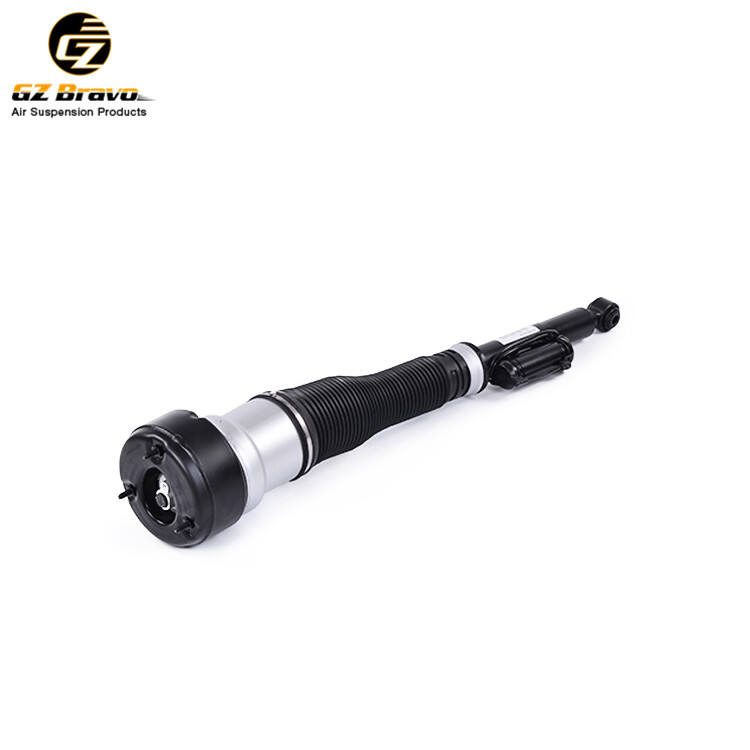
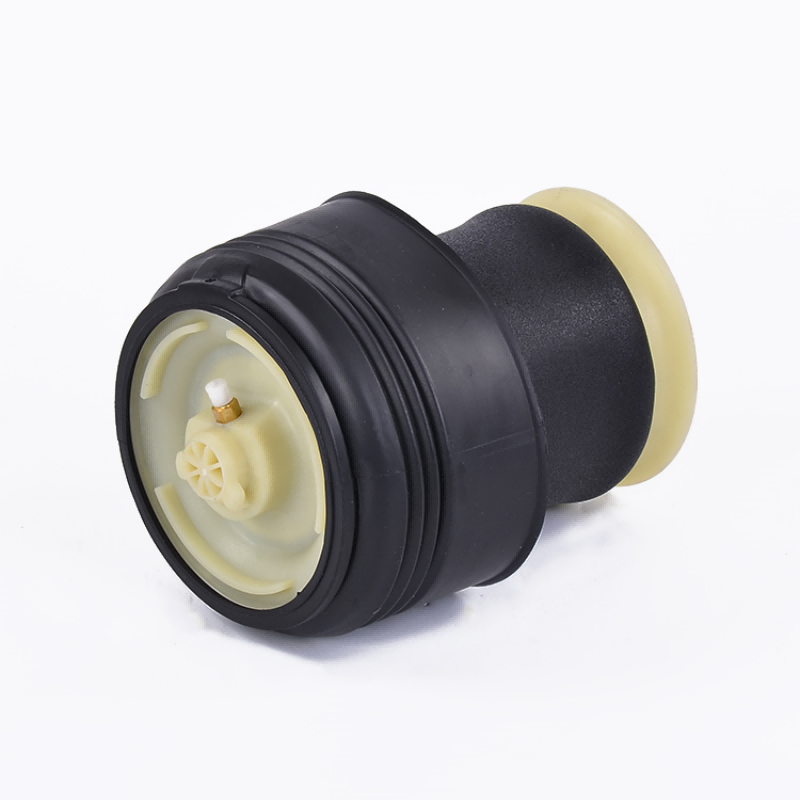
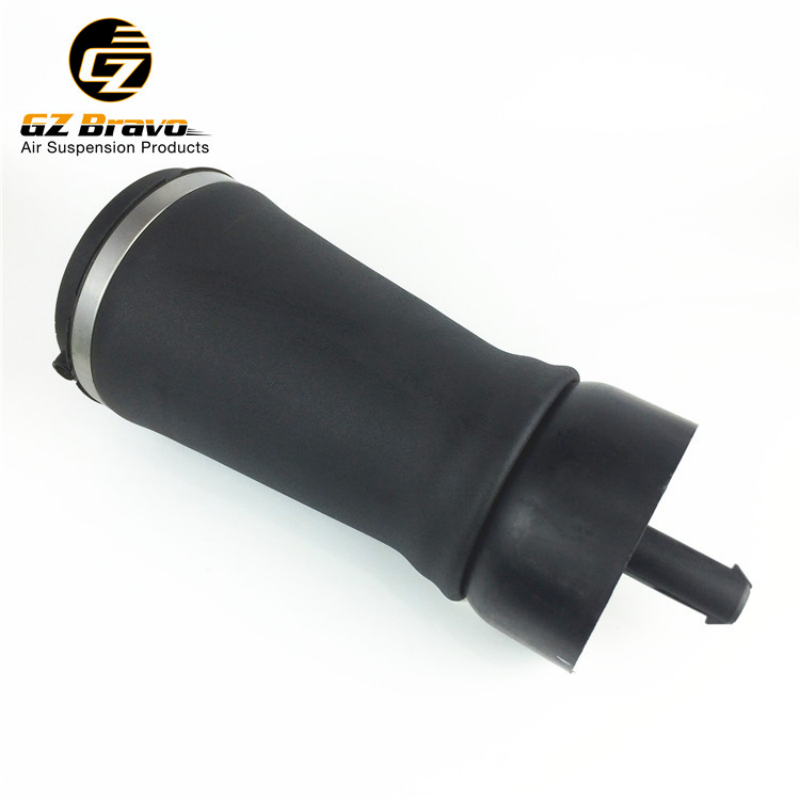
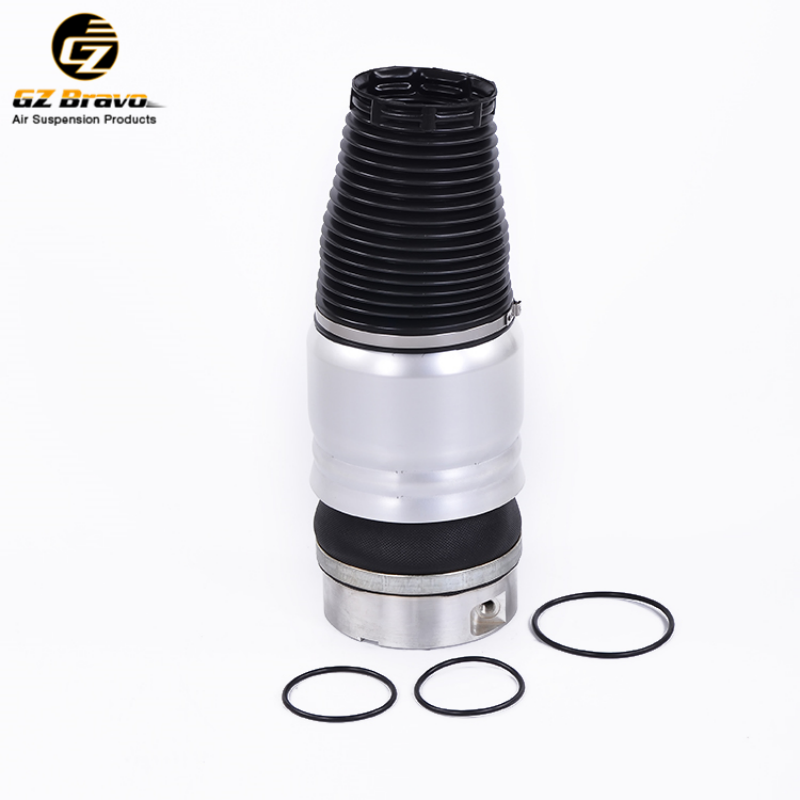
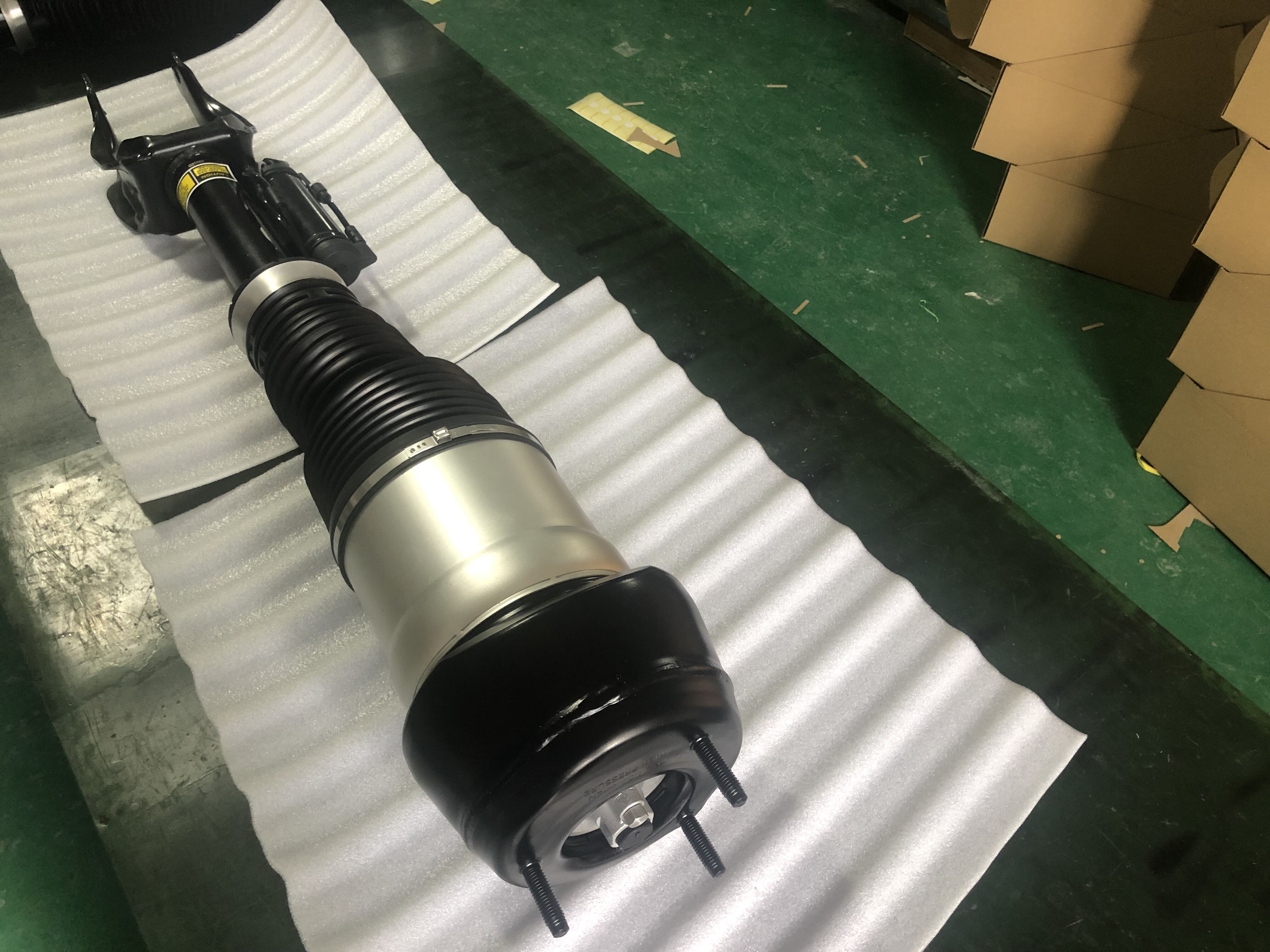
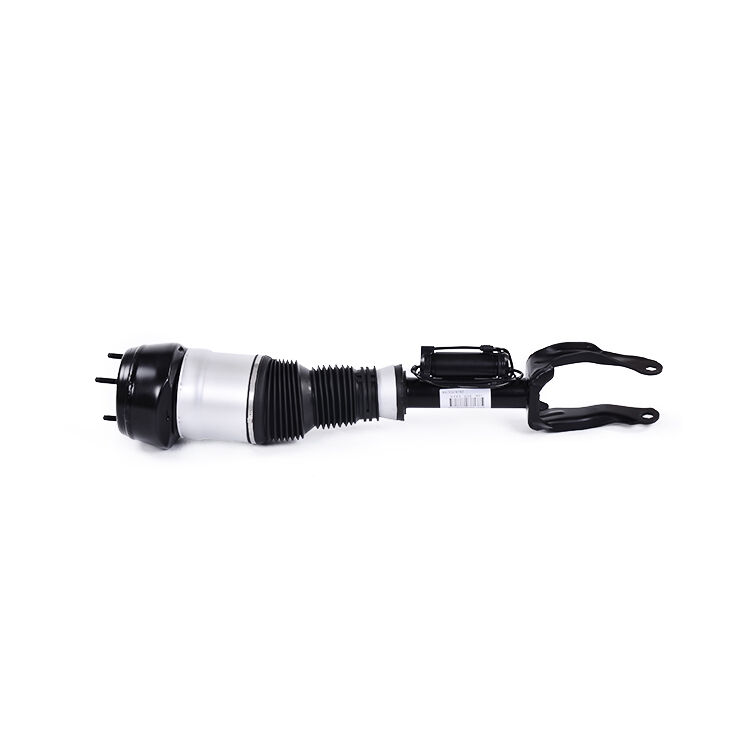
GLS Air Suspension: Advanced Comfort, Versatility and Safety Technology

Get a Free Quote

Our representative will contact you soon.
Email
Name
Company Name
Message
0/1000

gls air suspension

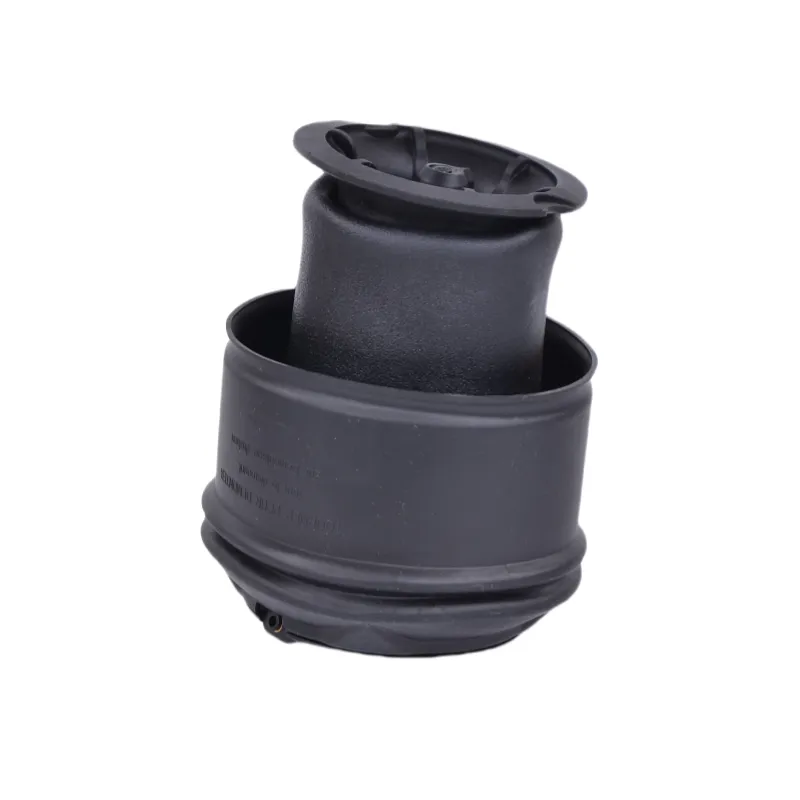
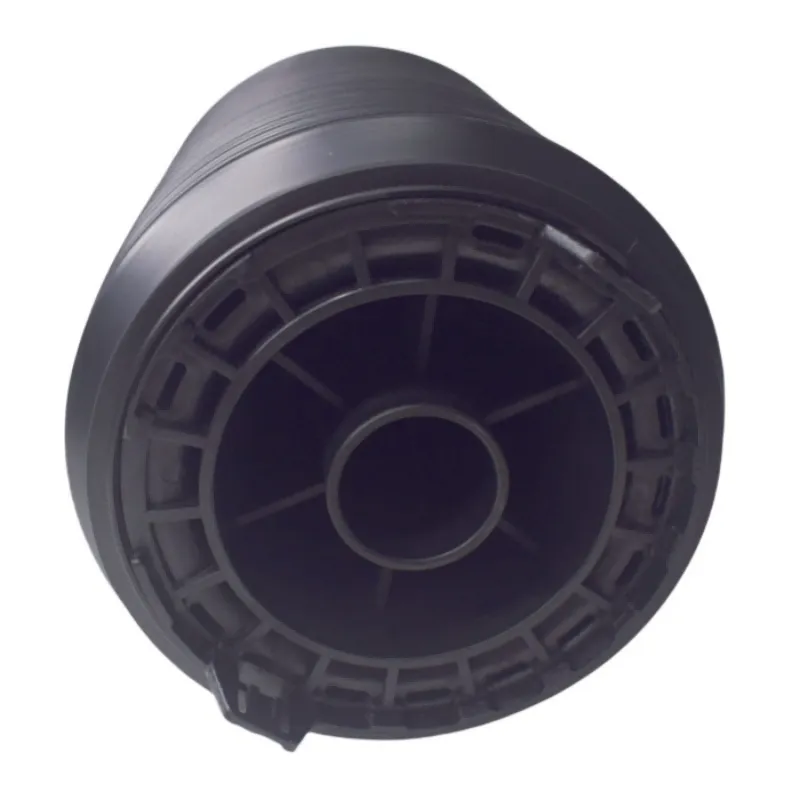
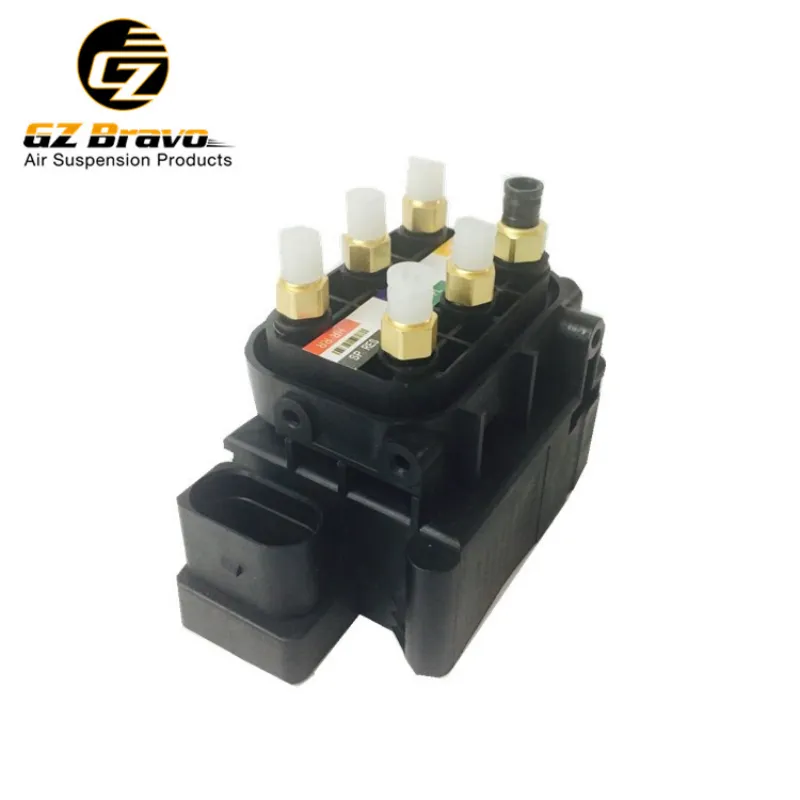
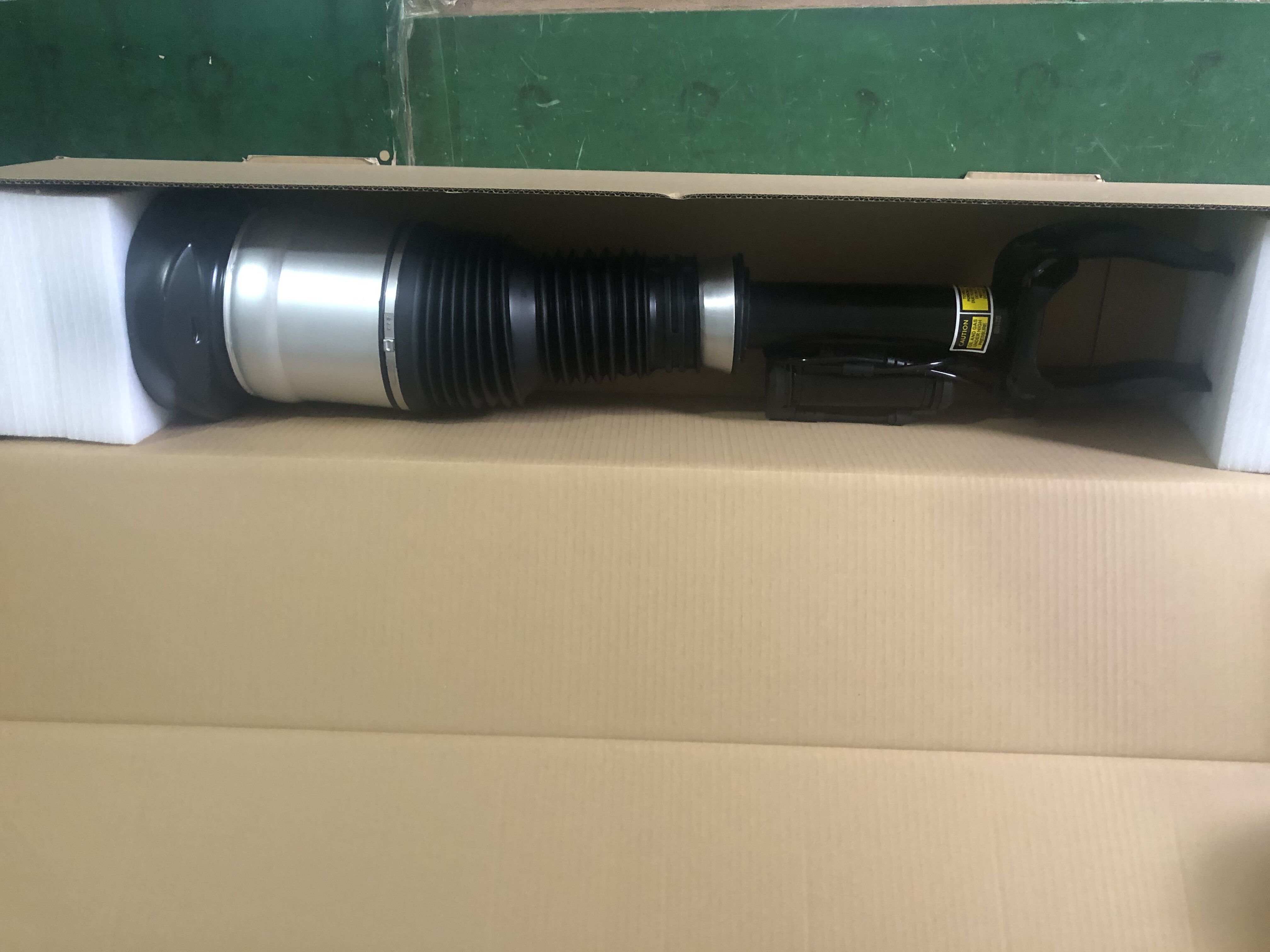
The GLS air suspension represents a sophisticated automotive technology that transforms the driving experience through advanced pneumatic control systems. This innovative suspension solution utilizes compressed air springs instead of traditional coil or leaf springs, creating a dynamic platform that adapts to various road conditions and driving scenarios. The GLS air suspension integrates electronic sensors, air compressors, and precision-engineered air bellows to deliver superior ride quality and vehicle control. At its core, the system continuously monitors road surfaces, vehicle load, and driving behavior to make real-time adjustments that optimize comfort and performance. The main functions of the GLS air suspension include automatic ride height adjustment, load-leveling capabilities, and adaptive damping control. When the vehicle encounters uneven terrain, the system instantly responds by adjusting air pressure within individual suspension components, maintaining optimal ground clearance and stability. Technological features of the GLS air suspension encompass multiple operational modes that drivers can select based on their preferences and driving conditions. These modes range from comfort-oriented settings for highway cruising to sportier configurations for spirited driving. The system also includes automatic lowering at higher speeds to reduce aerodynamic drag and improve fuel efficiency. Applications for the GLS air suspension extend across various vehicle segments, particularly in luxury SUVs, premium sedans, and high-performance vehicles where ride quality and versatility are paramount. The technology proves especially valuable for vehicles that frequently carry varying loads or tow trailers, as the GLS air suspension maintains consistent ride height regardless of weight distribution. Off-road enthusiasts benefit from increased ground clearance capabilities, while urban drivers appreciate the lowered entry height for easier access. The integration of the GLS air suspension with other vehicle systems, including traction control and stability management, creates a comprehensive approach to vehicle dynamics that enhances safety and driver confidence across all driving situations.


New Product Releases

The GLS air suspension delivers remarkable improvements in ride comfort that passengers notice immediately. Unlike conventional spring systems that remain fixed in their response characteristics, this advanced technology constantly adapts to changing conditions, smoothing out road imperfections before they reach the cabin. Families traveling long distances experience significantly reduced fatigue as the system absorbs bumps, potholes, and rough patches that would otherwise cause jarring impacts. The comfort advantage extends beyond simple shock absorption, as the GLS air suspension eliminates the harsh secondary movements that traditional suspensions often produce after encountering obstacles. Vehicle owners gain exceptional versatility through the adjustable nature of the GLS air suspension system. With the touch of a button, drivers can raise their vehicle for navigating deep snow, muddy trails, or steep driveways, then lower it back down for normal driving conditions. This flexibility proves invaluable when loading cargo or helping elderly passengers enter and exit the vehicle, as the lowered position reduces the step-in height considerably. Parents with young children particularly appreciate how the adjustable height makes installing car seats and loading groceries substantially easier. The load-leveling capability of the GLS air suspension ensures that vehicle handling remains consistent regardless of how much weight you carry. When hauling heavy luggage, camping equipment, or towing a trailer, the system automatically compensates by increasing air pressure to maintain proper ride height and prevent the rear end from sagging. This feature protects your vehicle from potential damage caused by bottoming out and ensures headlights remain properly aimed rather than pointing skyward when loaded. Fuel economy benefits emerge from the aerodynamic optimization that the GLS air suspension provides. At highway speeds, the system automatically lowers the vehicle slightly, reducing wind resistance and improving efficiency. Over thousands of miles, this small adjustment translates into meaningful fuel savings. The enhanced stability at high speeds also contributes to safer highway driving, as the lowered center of gravity reduces body roll during lane changes and emergency maneuvers. Maintenance advantages include reduced wear on other vehicle components. By absorbing road impacts more effectively, the GLS air suspension protects tires, wheel bearings, and chassis components from excessive stress. The electronically controlled damping prevents the oscillations that accelerate wear in traditional suspension systems. While the initial investment in a GLS air suspension may exceed conventional alternatives, the long-term value becomes apparent through extended component life, improved resale value, and the superior driving experience that owners enjoy daily. The system particularly benefits vehicles used for multiple purposes, eliminating the compromises typically required when choosing between comfort and capability.

Latest News

Is air suspension suitable for off-road and heavy-duty driving conditions?

27

May

Is air suspension suitable for off-road and heavy-duty driving conditions?

When drivers and fleet managers consider upgrading or replacing their vehicle's suspension system, one question consistently rises to the top: is air suspension genuinely capable of handling the punishment of off-road terrain and heavy-duty workloads...
View More
Why do manufacturers adopt air suspension systems for luxury vehicle platforms?

27

May

Why do manufacturers adopt air suspension systems for luxury vehicle platforms?

The decision to adopt air suspension systems in luxury vehicle platforms is not an arbitrary engineering choice. It represents a deliberate commitment to delivering a driving experience that consistently exceeds passenger expectations, meets stringen...
View More
What factors affect durability of air suspension components in daily use?

27

May

What factors affect durability of air suspension components in daily use?

When it comes to vehicle ride quality and load management, air suspension components play a central role in delivering comfort, stability, and adaptability across a wide range of driving conditions. Unlike traditional coil spring setups, air-based sy...
View More
Is a solenoid valve block essential for precise control in air suspension systems?

03

Jun

Is a solenoid valve block essential for precise control in air suspension systems?

The question of whether a solenoid valve block is truly essential for precise control in air suspension systems is one that every vehicle owner, fleet manager, and automotive technician should understand clearly. Air suspension systems are complex, p...
View More

Get a Free Quote

Our representative will contact you soon.
Email
Name
Company Name
Message
0/1000

gls air suspension

Adaptive Comfort Technology That Transforms Every Journey

Adaptive Comfort Technology That Transforms Every Journey

The adaptive comfort technology embedded within the GLS air suspension revolutionizes how vehicles respond to road conditions, creating an environment where passengers barely notice surface imperfections. This sophisticated system employs an array of sensors strategically positioned throughout the chassis that monitor vertical acceleration, body movement, and wheel position hundreds of times per second. The collected data feeds into a central processing unit that analyzes patterns and predicts required suspension adjustments before disturbances fully impact the cabin. When the front wheels encounter a pothole or expansion joint, the system processes this information and pre-adjusts the rear suspension components to minimize the impact, a predictive capability impossible with mechanical suspension designs. The GLS air suspension achieves this remarkable comfort through precisely controlled air chambers that replace traditional steel springs. These pneumatic components offer an infinitely variable spring rate, meaning the suspension can instantly transition from soft and compliant for absorbing small irregularities to firm and supportive when larger impacts require more substantial resistance. The variable damping works in concert with air spring adjustments, with electronically controlled shock absorbers that modify their resistance within milliseconds. During gentle highway cruising, the dampers operate in their softest setting, allowing the suspension to work freely and isolate the cabin from minor vibrations. When cornering forces increase or sudden braking occurs, the dampers firm up dramatically to control body motion and maintain tire contact with the road surface. This intelligent adaptation extends to recognizing driving patterns, with the GLS air suspension learning individual driver preferences over time. The system distinguishes between an enthusiastic driver who enjoys spirited cornering and a comfort-focused driver who prioritizes a smooth ride, automatically adjusting baseline settings accordingly. Passengers experience this as a suspension that seems to anticipate their needs, providing support precisely when required while remaining unobtrusive during relaxed driving. The comfort benefits prove particularly valuable during extended journeys where fatigue becomes a safety concern, as the GLS air suspension significantly reduces the physical stress that accumulates from constant small movements and vibrations transmitted through inferior suspension systems.
Intelligent Load Management For Maximum Versatility

Intelligent Load Management For Maximum Versatility

The intelligent load management capabilities of the GLS air suspension represent a breakthrough for vehicle owners who demand versatility without compromising performance. Traditional suspension systems suffer from a fundamental limitation in that their spring rates remain fixed, creating an unavoidable compromise between handling with an empty vehicle and maintaining proper ride height when fully loaded. The GLS air suspension eliminates this compromise entirely through its ability to dynamically adjust air pressure based on detected load conditions. Sophisticated sensors measure suspension compression at each corner of the vehicle, calculating total weight and distribution with impressive accuracy. When you load camping gear for a weekend adventure or fill the cargo area with building materials, the system detects the increased weight within seconds and responds by pumping additional air into the suspension components. This automatic response maintains the vehicle at its optimal ride height, ensuring that handling characteristics, headlight aim, and aerodynamic efficiency remain consistent regardless of cargo weight. The practical benefits extend far beyond simple height maintenance, as proper suspension geometry proves critical for safe vehicle operation. When a conventional suspension sags under load, the changes in wheel alignment angles can dramatically affect tire wear patterns and steering response. The GLS air suspension preserves factory-specified geometry across the entire load range, protecting your tire investment and ensuring predictable handling in all conditions. Trailer towing showcases the load management system at its finest, with the GLS air suspension compensating for tongue weight that would cause significant rear squat in vehicles with conventional springs. This capability allows owners to maximize their towing capacity safely, as the level stance maintained by the air suspension ensures proper weight distribution across all axles. The system proves equally adept at managing uneven loads, such as when cargo concentrates on one side of the vehicle, automatically adjusting individual air springs to prevent the vehicle from leaning. Business owners who use their vehicles for both personal transportation and commercial purposes find the GLS air suspension invaluable, as a single vehicle can transition seamlessly from comfortable family transport to capable work vehicle. The system remembers height preferences for different scenarios, allowing quick selection of raised positions for loading docks or lowered configurations for parking garages, enhancing productivity and convenience in ways that fixed suspension systems simply cannot match.
Enhanced Safety Through Active Stability Control Integration

Enhanced Safety Through Active Stability Control Integration

The enhanced safety features resulting from GLS air suspension integration with modern vehicle stability systems create a comprehensive protection network that actively works to prevent accidents. Unlike passive safety equipment that only responds after a collision occurs, the GLS air suspension contributes to accident avoidance by optimizing vehicle dynamics during critical situations. The system communicates continuously with electronic stability control, anti-lock braking systems, and traction management computers, sharing data about suspension position, damping rates, and detected road conditions. This information exchange enables coordinated responses that maximize tire contact and vehicle control when emergency maneuvers become necessary. During sudden evasive steering, the GLS air suspension instantly firms the damping on the loaded side of the vehicle while adjusting air pressure to counteract body roll, helping maintain tire grip when it matters most. The physics of vehicle dynamics dictate that reduced body roll translates directly into more predictable handling and shorter stopping distances, as tires maintain optimal contact patches with the road surface. The safety advantages become particularly apparent in adverse weather conditions where reduced traction magnifies the importance of suspension control. When driving through heavy rain or on snow-covered roads, the GLS air suspension works with traction control systems to manage weight transfer during acceleration and braking. If the system detects wheelspin, it can adjust suspension settings to increase load on the driven wheels, improving traction without driver intervention. This seamless integration means that safety systems work more effectively, as they have better control over the platform they are managing. The raised ride height capability of the GLS air suspension also contributes to safety by improving visibility and increasing ground clearance for navigating hazardous conditions. When unexpected flooding or deep snow requires traversing difficult terrain, the ability to instantly raise the vehicle provides crucial additional clearance that can mean the difference between safely reaching your destination and becoming stranded. The system monitors ground speed and prevents raising the suspension beyond safe limits at higher velocities, demonstrating the thoughtful engineering that prioritizes occupant protection. Advanced driver assistance systems benefit from the stable platform that the GLS air suspension provides, as features like adaptive cruise control and lane-keeping assistance function most effectively when the vehicle maintains consistent ride height and minimal body motion. The reduced pitching during braking and acceleration improves the accuracy of forward-facing cameras and radar sensors, allowing safety systems to operate with greater precision and reliability across varied driving conditions.

Get a Free Quote

Our representative will contact you soon.
Email
Name
Company Name
Message
0/1000