Air Suspension Car Systems: Ultimate Guide to Adaptive Comfort and Performance Technology

Get a Free Quote

Our representative will contact you soon.
Email
Name
Company Name
Message
0/1000

air suspension car

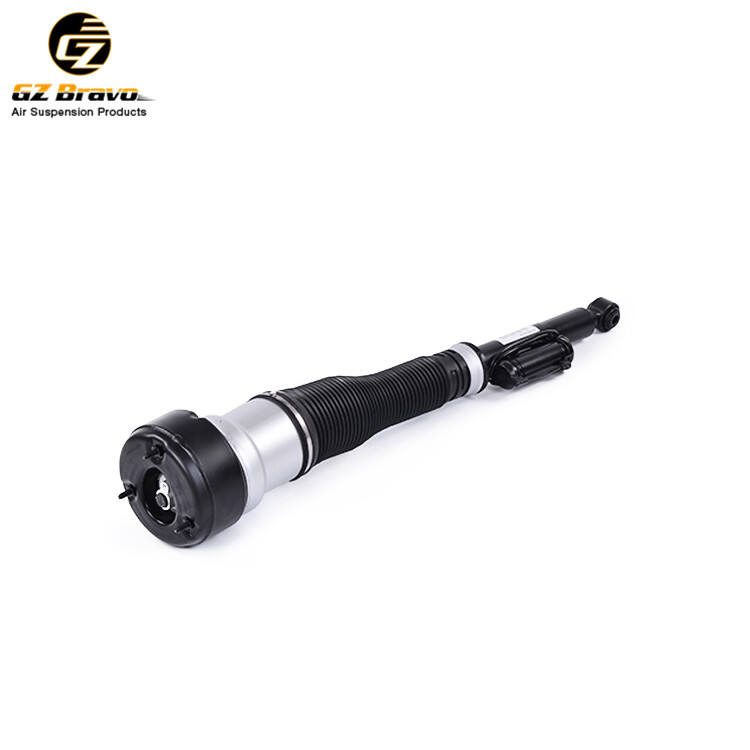
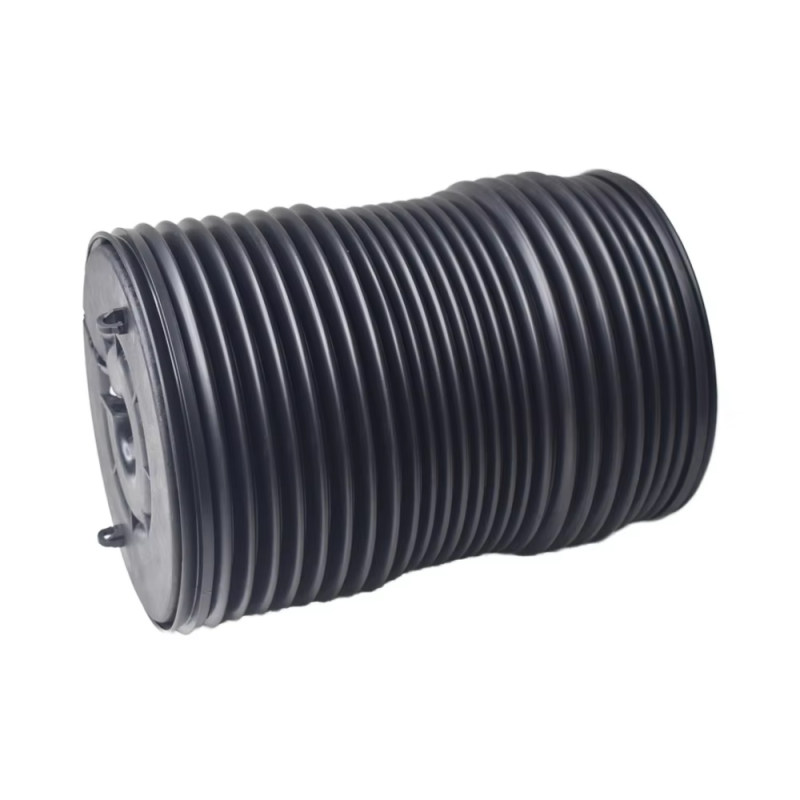
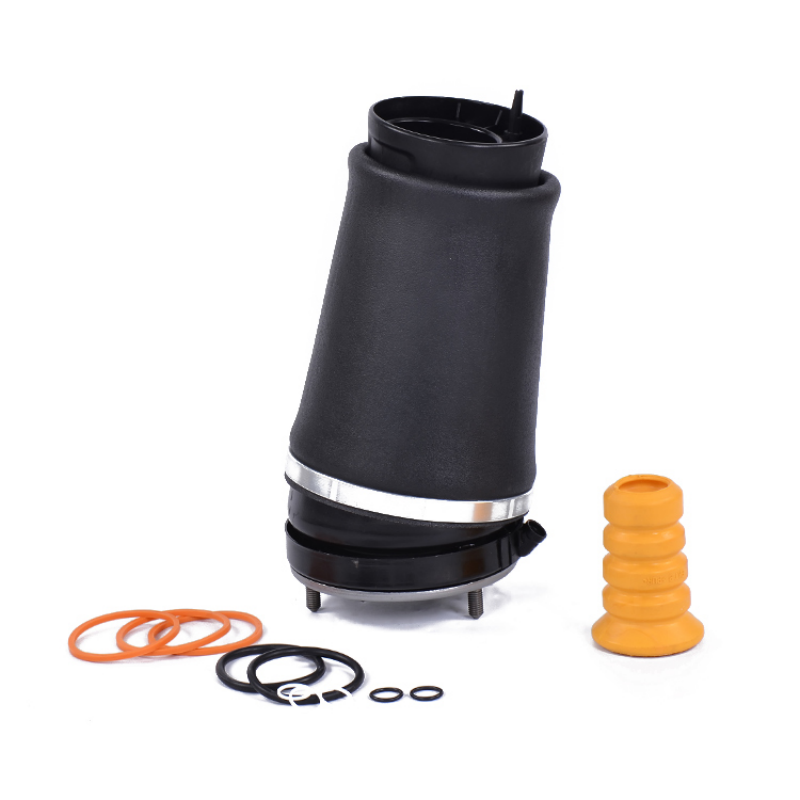
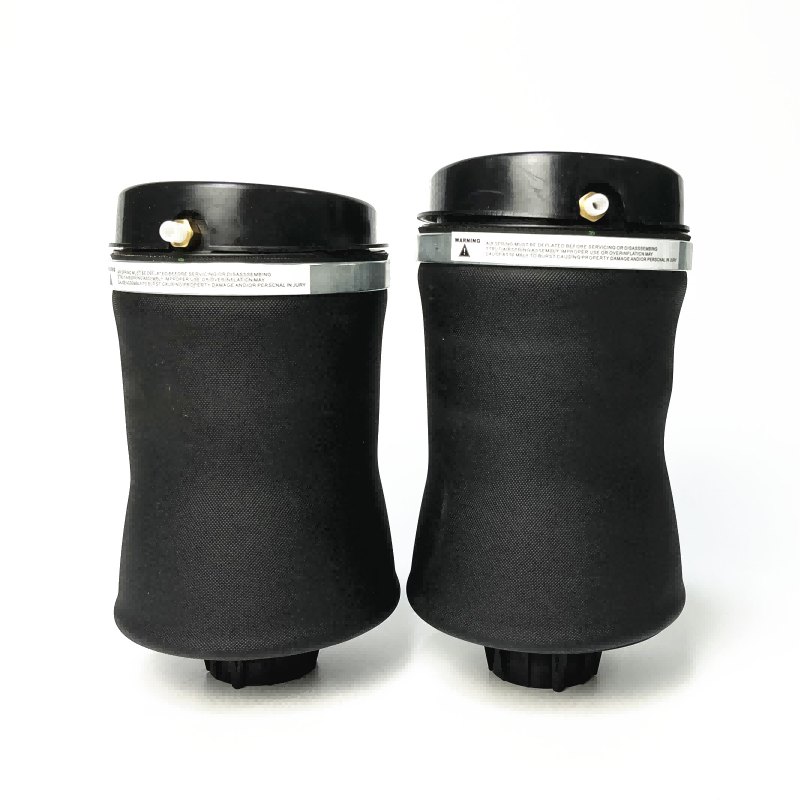
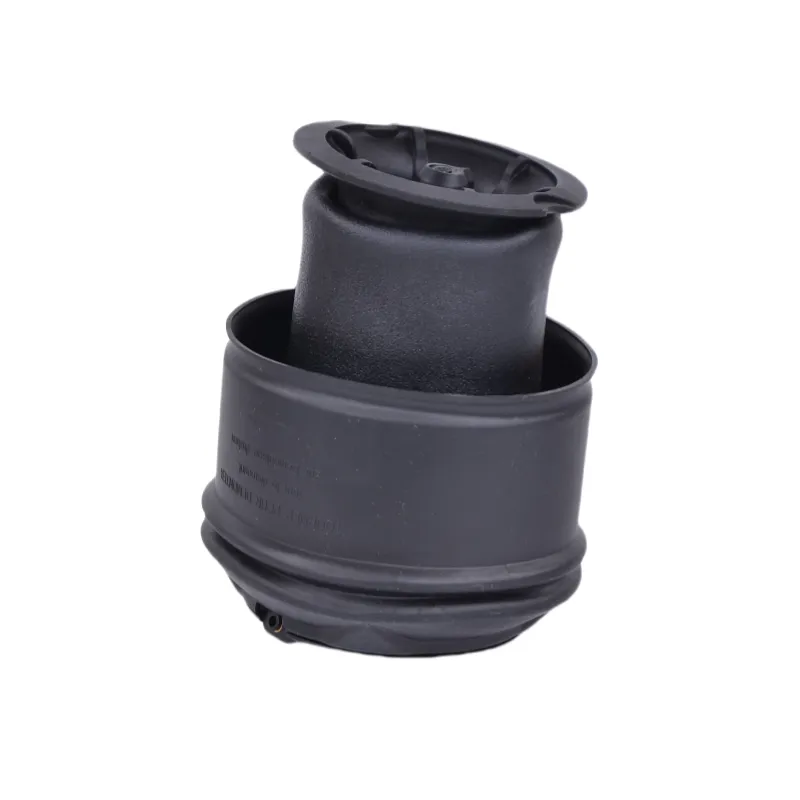
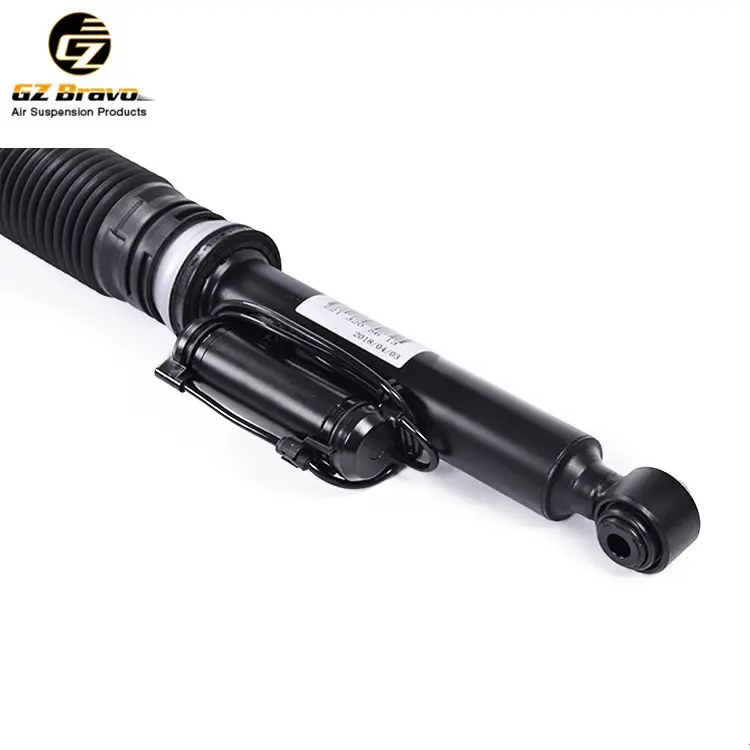
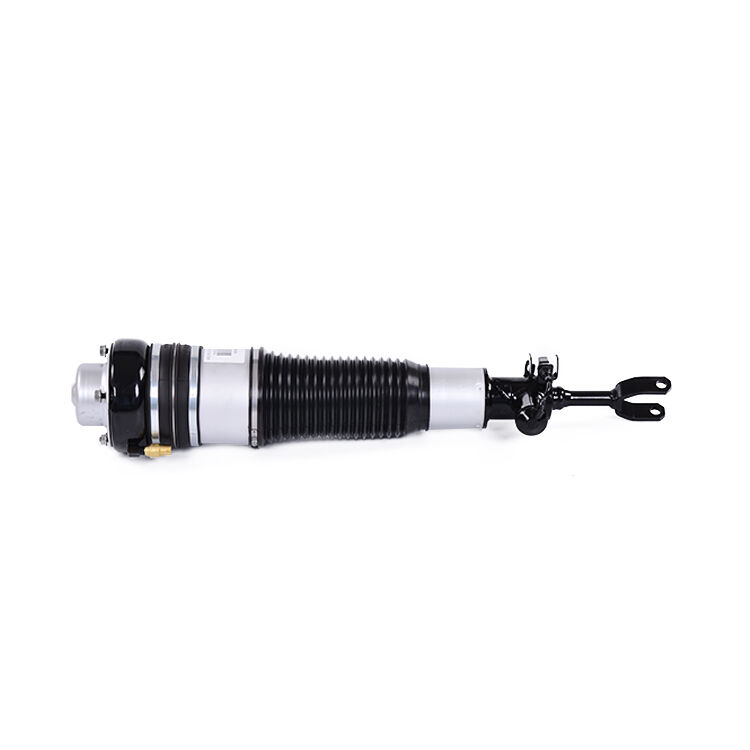
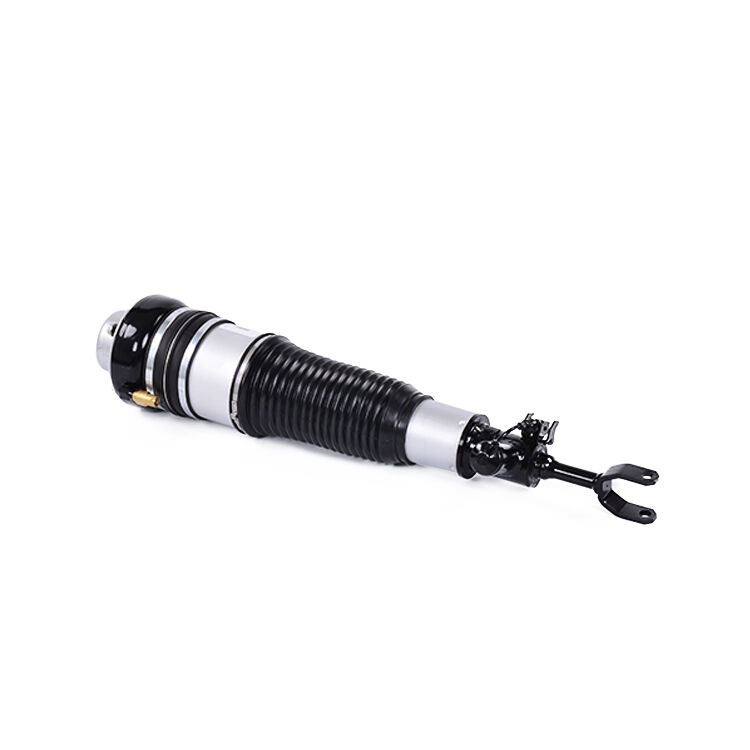
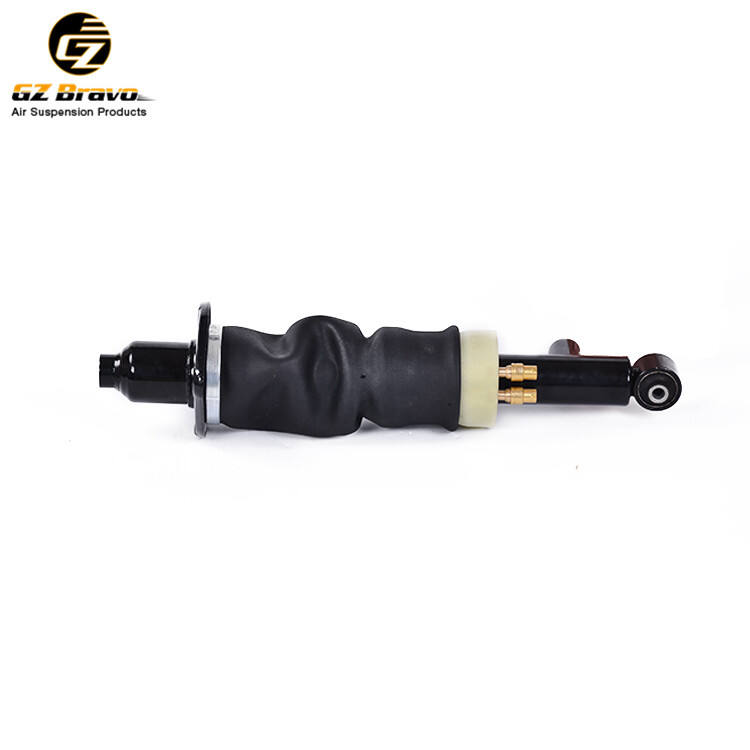
An air suspension car represents a sophisticated advancement in automotive engineering that replaces traditional coil springs or leaf springs with flexible air-filled rubber bags called air springs or bellows. This innovative system utilizes compressed air to support the vehicle's weight and absorb road irregularities, delivering a remarkably smooth and adjustable ride experience. The core components include an air compressor, air springs at each wheel, electronic control units, height sensors, and interconnected air lines that work harmoniously to maintain optimal vehicle performance. Modern air suspension car technology incorporates computer-controlled systems that continuously monitor driving conditions and automatically adjust suspension settings in real-time. These intelligent systems can modify ride height, damping characteristics, and spring rates within milliseconds, responding to changes in road surfaces, vehicle speed, and load distribution. The air suspension car technology has evolved from luxury vehicles into mainstream applications, becoming increasingly accessible to everyday drivers who seek enhanced comfort and versatility. The system can be configured for different driving modes, allowing operators to select between comfort-oriented settings for highway cruising or firmer configurations for spirited driving on winding roads. When equipped with adaptive capabilities, an air suspension car can lower itself at higher speeds to improve aerodynamic efficiency and fuel economy, then raise ground clearance when navigating rough terrain or entering steep driveways. This technology proves particularly beneficial for vehicles that frequently carry varying loads, as the system automatically compensates for added weight by inflating the air springs to maintain consistent ride height and handling characteristics. Commercial applications include luxury sedans, high-performance sports cars, SUVs, trucks, and even commercial vehicles where load-leveling capabilities prove essential for safety and operational efficiency.

New Product Releases

The air suspension car delivers transformative benefits that directly enhance your daily driving experience in measurable ways. First and foremost, comfort reaches unprecedented levels as the air springs absorb road imperfections with exceptional effectiveness, cushioning passengers from jarring bumps, potholes, and surface irregularities that would otherwise transmit harsh impacts through traditional suspension systems. This superior isolation from road disturbances reduces driver fatigue during long journeys and creates a serene cabin environment where conversations flow naturally without interruption from suspension noise. The adjustable nature of air suspension car systems means you gain complete control over your vehicle's stance and behavior, raising ground clearance when approaching speed bumps, unpaved roads, or deep snow, then lowering the chassis for easier entry and exit or improved high-speed stability. This versatility eliminates the compromises inherent in fixed suspension designs, allowing one vehicle to perform multiple roles effectively. Load-carrying capability improves dramatically because the air suspension car automatically compensates when you add passengers or cargo, preventing the rear end from sagging and maintaining proper headlight aim, optimal handling balance, and safe braking performance regardless of weight distribution. Towing becomes significantly safer and more manageable as the system prevents excessive squat that can compromise steering control and visibility. Your vehicle's resale value typically benefits from air suspension car technology, as these systems signal premium engineering and desirable features that attract discerning buyers willing to pay more for advanced capabilities. Handling characteristics improve noticeably because electronic controls can stiffen the suspension during aggressive cornering to reduce body roll while simultaneously softening the ride on straight sections, delivering the best of both worlds without compromise. Fuel efficiency gains materialize at highway speeds when the air suspension car automatically lowers to reduce aerodynamic drag, cutting through the air more efficiently and reducing fuel consumption over thousands of miles. Maintenance costs often prove lower than expected because air suspension car systems contain fewer mechanical components subject to wear, with no metal springs to break or conventional shock absorbers requiring frequent replacement, though proper care of air components remains essential for longevity.

Tips And Tricks

Is air suspension suitable for off-road and heavy-duty driving conditions?

27

May

Is air suspension suitable for off-road and heavy-duty driving conditions?

When drivers and fleet managers consider upgrading or replacing their vehicle's suspension system, one question consistently rises to the top: is air suspension genuinely capable of handling the punishment of off-road terrain and heavy-duty workloads...
View More
How does air suspension enhance stability during high-speed driving operations?

27

May

How does air suspension enhance stability during high-speed driving operations?

When a vehicle travels at high speed, the margin for error shrinks dramatically. Every bump in the road, every shift in load distribution, and every gust of crosswind becomes a real threat to driver control. This is precisely where air suspension pro...
View More
How does a solenoid valve block improve airflow management in suspension setups?

03

Jun

How does a solenoid valve block improve airflow management in suspension setups?

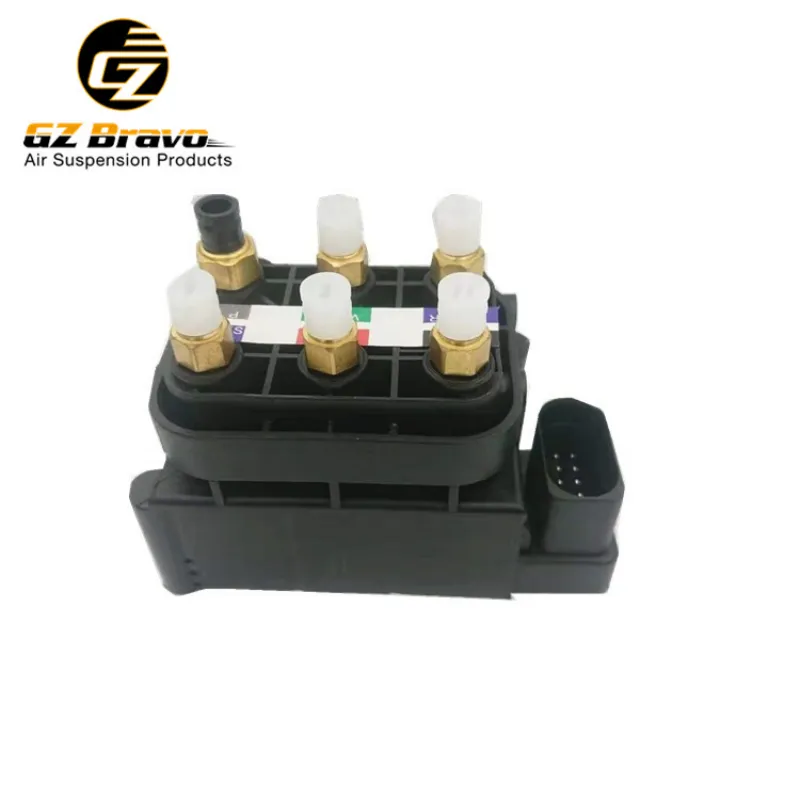
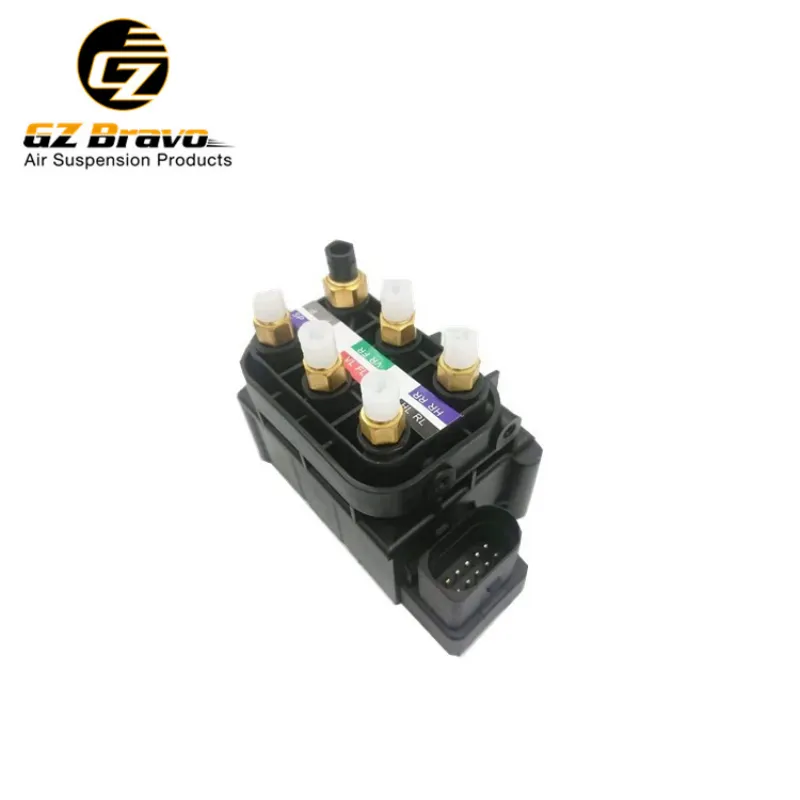
Modern air suspension systems depend on precise control of pressurized air to deliver the ride comfort and handling performance that drivers expect. At the center of this control architecture sits the solenoid valve block, a compact but critically im...
View More
Can a solenoid valve block support fast response in adaptive suspension systems?

03

Jun

Can a solenoid valve block support fast response in adaptive suspension systems?

When engineers and automotive specialists evaluate the performance ceiling of adaptive suspension systems, one component consistently emerges as a critical enabler of real-time responsiveness: the solenoid valve block. In air suspension architectures...
View More

Get a Free Quote

Our representative will contact you soon.
Email
Name
Company Name
Message
0/1000

air suspension car

Intelligent Adaptive Ride Height Control Technology

Intelligent Adaptive Ride Height Control Technology

The intelligent adaptive ride height control represents perhaps the most compelling feature of any air suspension car, fundamentally transforming how vehicles interact with diverse driving environments and usage scenarios. This sophisticated technology employs multiple sensors strategically positioned throughout the chassis to continuously monitor vehicle speed, steering angle, brake application, throttle position, and individual wheel heights, feeding this data to powerful electronic control modules that make thousands of calculations per second. When you approach your air suspension car with heavy cargo, the system detects the increased load through pressure sensors in the air springs and automatically commands the compressor to inject additional air, raising the suspension to restore factory-specified ride height within seconds. This automatic leveling ensures your headlights maintain proper aim for nighttime safety, prevents tire scrubbing against wheel wells, and preserves optimal suspension geometry for predictable handling regardless of how much weight you add. The benefits extend beyond simple leveling, however, as the air suspension car can strategically alter ground clearance based on driving conditions. When navigating rough trails, deep snow, or flooded roads, you can command maximum ride height with a simple button press, gaining several inches of additional clearance that prevents underbody damage and improves approach and departure angles for tackling obstacles. Conversely, highway cruising triggers automatic lowering that reduces the vehicle's frontal area, decreasing wind resistance and improving fuel economy by up to eight percent compared to standard ride height. This aerodynamic optimization accumulates significant savings over thousands of highway miles. The entry and exit assistance feature particularly benefits elderly passengers or those with mobility challenges, as the air suspension car can lower itself by several inches when parked, reducing the step-in height and making ingress and egress considerably easier and safer. Loading heavy cargo into the trunk becomes effortless when the rear suspension drops to its lowest setting, bringing the cargo floor closer to ground level and eliminating the need to lift items as high. Performance enthusiasts appreciate how the air suspension car can adopt an aggressive lowered stance that lowers the center of gravity, improving handling response and cornering capability during spirited driving sessions, then return to normal height for navigating parking lot speed bumps. This remarkable versatility means a single vehicle equipped with air suspension car technology can adapt to wildly different scenarios that would require multiple vehicles with conventional suspension systems.
Superior Comfort Through Adaptive Damping Control

Superior Comfort Through Adaptive Damping Control

The superior comfort delivered by an air suspension car stems from its sophisticated adaptive damping control capabilities that continuously optimize how the suspension responds to road inputs and driving dynamics. Unlike conventional suspensions with fixed damping rates that represent a compromise between comfort and control, the air suspension car employs electronically controlled dampers that can alter their resistance characteristics in milliseconds, responding to real-time conditions with precision impossible for mechanical systems. When cruising on smooth highways, the system selects softer damping settings that allow the air springs to absorb minor surface irregularities with minimal force transmission to the cabin, creating a floating sensation reminiscent of luxury vehicles costing twice as much. Passengers notice the difference immediately, as conversations continue uninterrupted without the jarring impacts that characterize vehicles with conventional suspensions. The air suspension car monitors each wheel independently, detecting when one corner encounters a pothole or expansion joint and instantly softening that specific damper to absorb the impact while maintaining firm control at the other three corners. This individual wheel control prevents the entire vehicle from reacting to localized disturbances, isolating passengers from road imperfections they never feel. When driving dynamics become more aggressive during cornering, acceleration, or braking, the air suspension car recognizes these inputs through accelerometers and steering sensors, immediately stiffening the dampers to control body motions that would otherwise cause discomfort or compromise handling precision. This instantaneous adaptation eliminates the nose-dive during hard braking and excessive body roll during cornering that passengers find unsettling, maintaining a level attitude that inspires confidence and reduces motion sickness for sensitive individuals. Long-distance travel becomes notably less fatiguing because the air suspension car reduces the cumulative stress of thousands of small impacts that conventional suspensions transmit to your body throughout extended drives. Drivers arrive at distant destinations feeling refreshed rather than exhausted, as their spine and joints have been spared the continuous micro-traumas that accumulate over hours behind the wheel. The system also incorporates road surface detection algorithms that identify whether you are traveling on smooth pavement, rough asphalt, or unpaved surfaces, automatically selecting appropriate damping profiles optimized for each scenario without requiring driver intervention. This intelligence means the air suspension car always delivers the ideal balance between comfort and control regardless of where your journey leads, adapting seamlessly as conditions change throughout your drive.
Enhanced Safety and Vehicle Dynamics Management

Enhanced Safety and Vehicle Dynamics Management

The enhanced safety and vehicle dynamics management capabilities of an air suspension car extend far beyond simple comfort improvements, actively contributing to accident avoidance and occupant protection through intelligent suspension control strategies. Modern air suspension car systems integrate with electronic stability control, traction control, and advanced driver assistance systems to create a comprehensive safety network that responds to emergency situations with coordinated actions across multiple vehicle systems. When sensors detect an impending loss of control during emergency maneuvers, the air suspension car can instantaneously adjust individual air spring pressures and damper settings to counteract destabilizing forces, maintaining maximum tire contact with the road surface for optimal traction. This active intervention has proven effective in preventing rollovers during sudden lane changes, as the system can lower the chassis on the outside of a turn while stiffening that side's suspension, reducing lateral weight transfer that could otherwise lift inside wheels off the ground. The anti-roll capabilities of an air suspension car significantly exceed what conventional anti-roll bars can achieve because the system actively pushes down on the outer wheels rather than passively resisting body roll through mechanical linkages. Braking performance improves measurably because the air suspension car can prevent nose-dive that reduces rear brake effectiveness and extends stopping distances, maintaining level vehicle attitude that keeps weight distributed across all four tires for maximum braking force. Emergency obstacle avoidance maneuvers benefit from the rapid damper adjustments that control body motions during quick direction changes, allowing drivers to execute evasive maneuvers more confidently without fighting excessive body roll or suspension compliance. The air suspension car also monitors load distribution continuously, detecting when cargo shifts during transit and alerting the driver while automatically adjusting suspension settings to compensate for changed weight distribution that could compromise handling balance. Trailer sway detection represents another safety feature, as the air suspension car can identify oscillating motions transmitted through the hitch and apply corrective suspension adjustments that dampen these dangerous oscillations before they escalate into loss of control. Winter driving safety improves through increased ground clearance that allows the air suspension car to navigate deep snow without becoming stuck, while the system maintains optimal suspension travel for maximum tire contact on slippery surfaces. The predictive capabilities of modern air suspension car systems even utilize GPS data and camera inputs to identify upcoming road conditions, pre-adjusting suspension settings for optimal handling before you reach challenging sections, ensuring the vehicle is always configured appropriately for maximum safety and control regardless of what lies ahead on your journey.

Get a Free Quote

Our representative will contact you soon.
Email
Name
Company Name
Message
0/1000