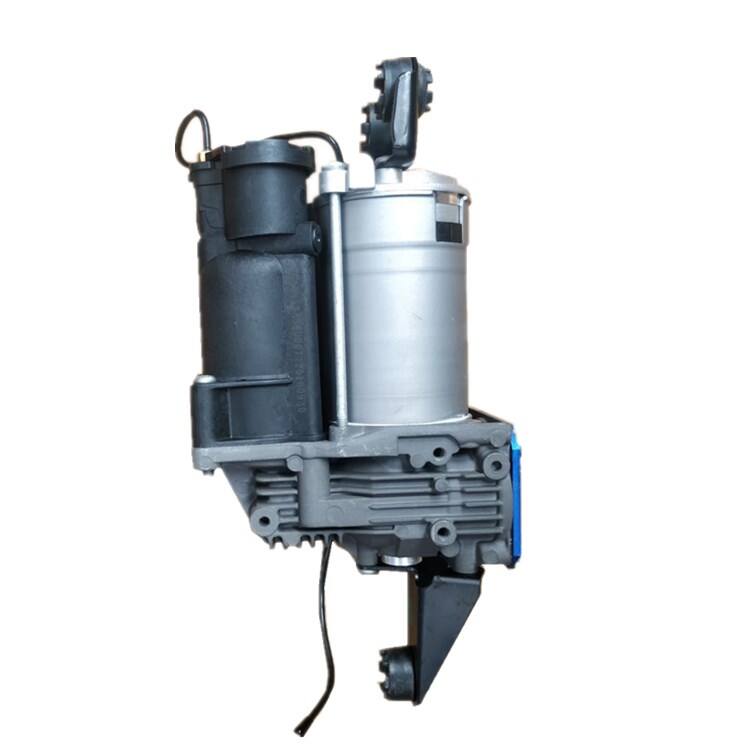
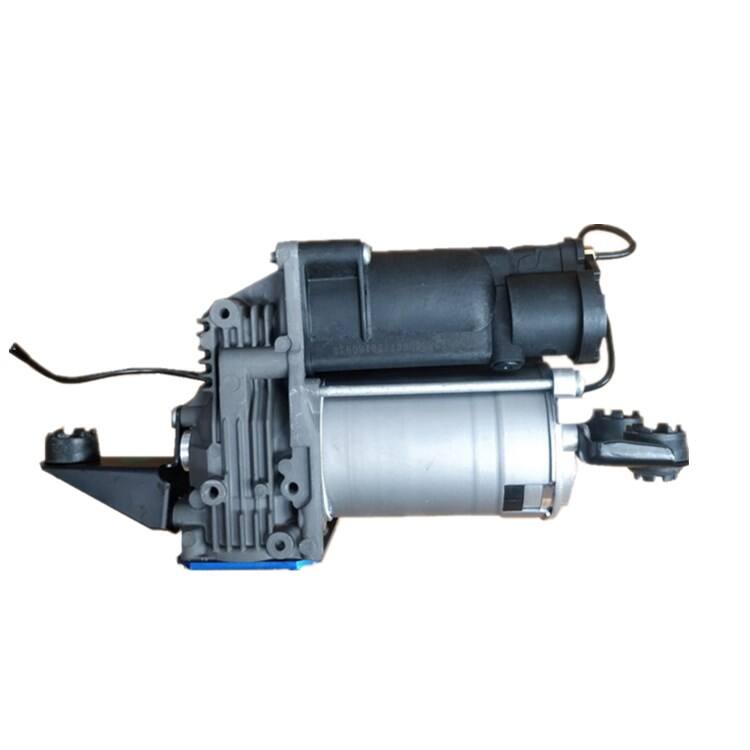
suspension air
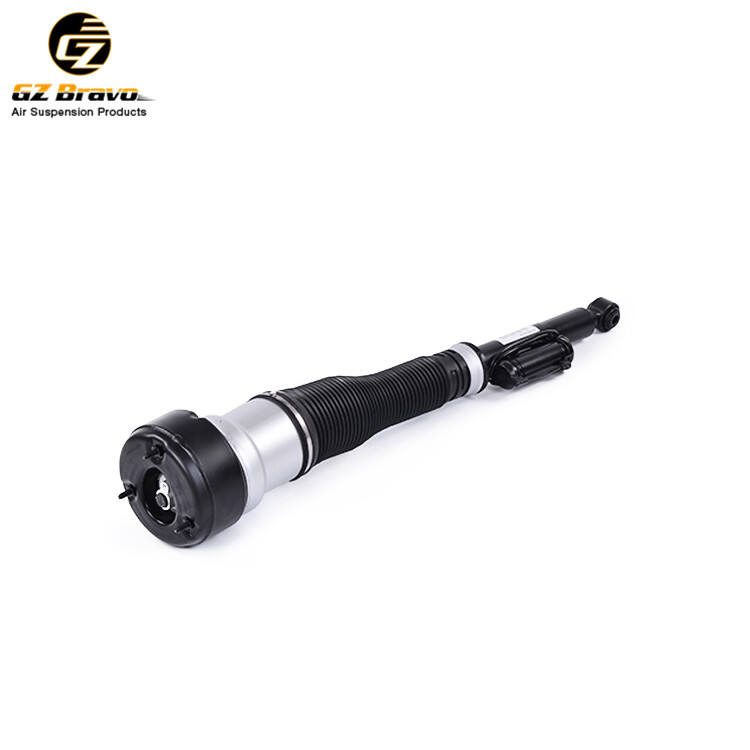
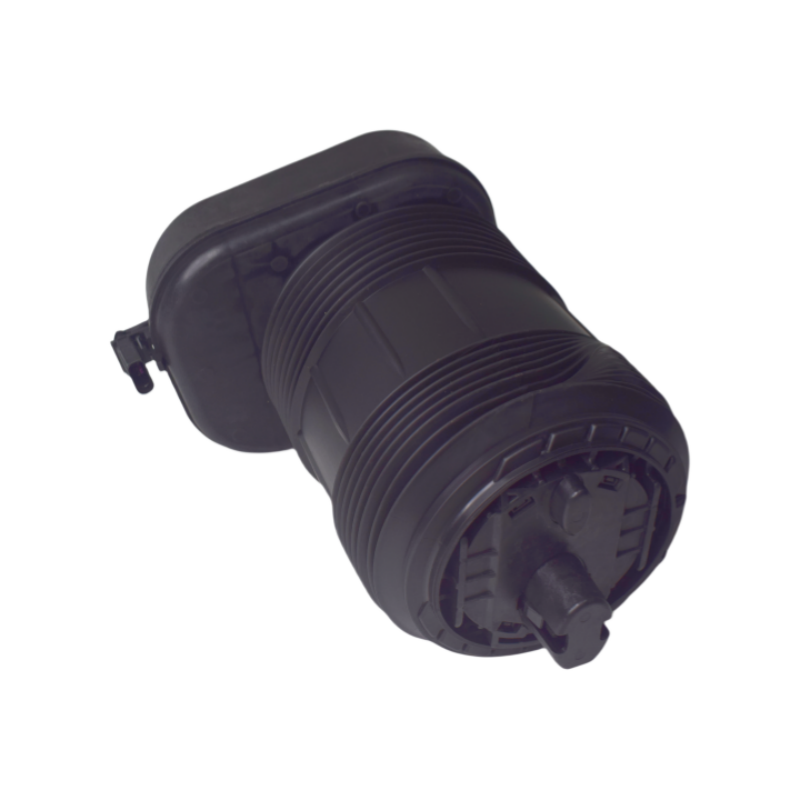
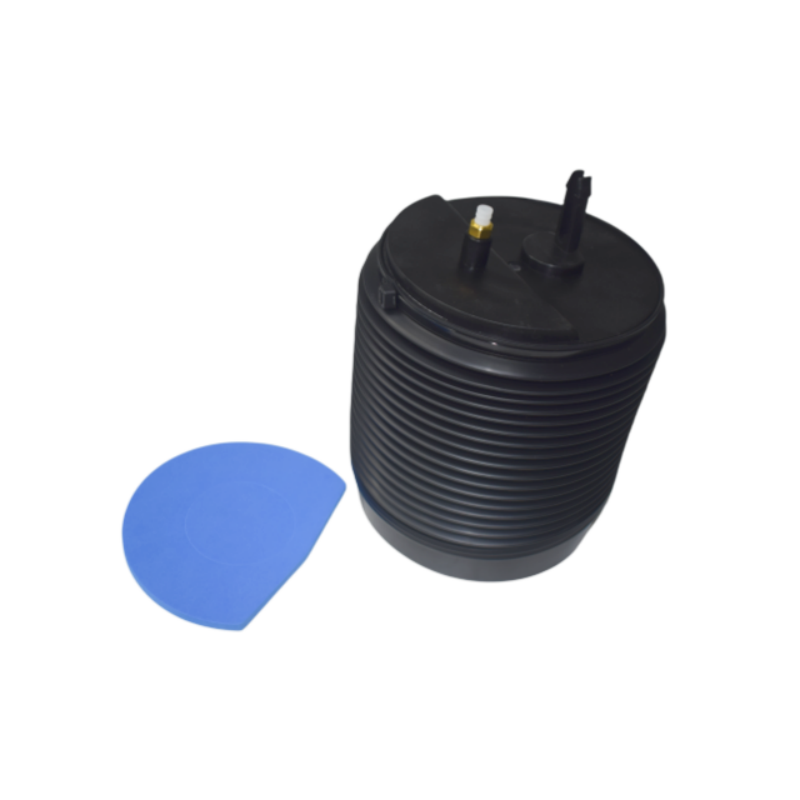
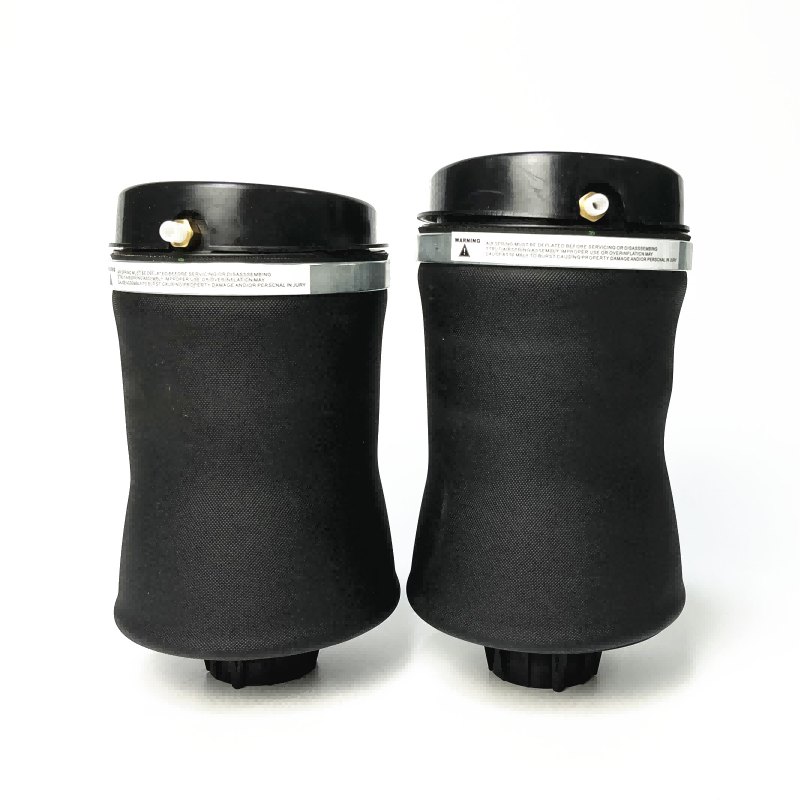
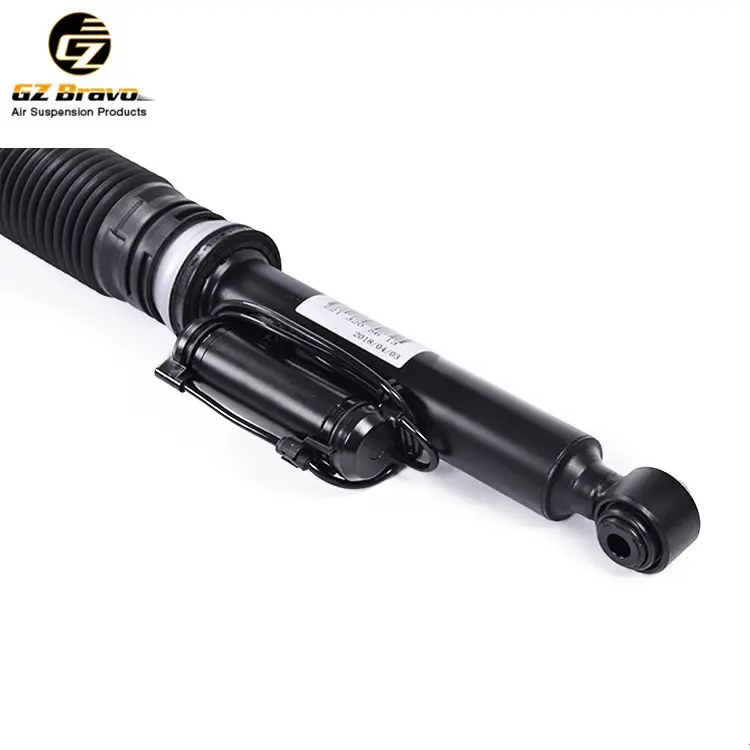
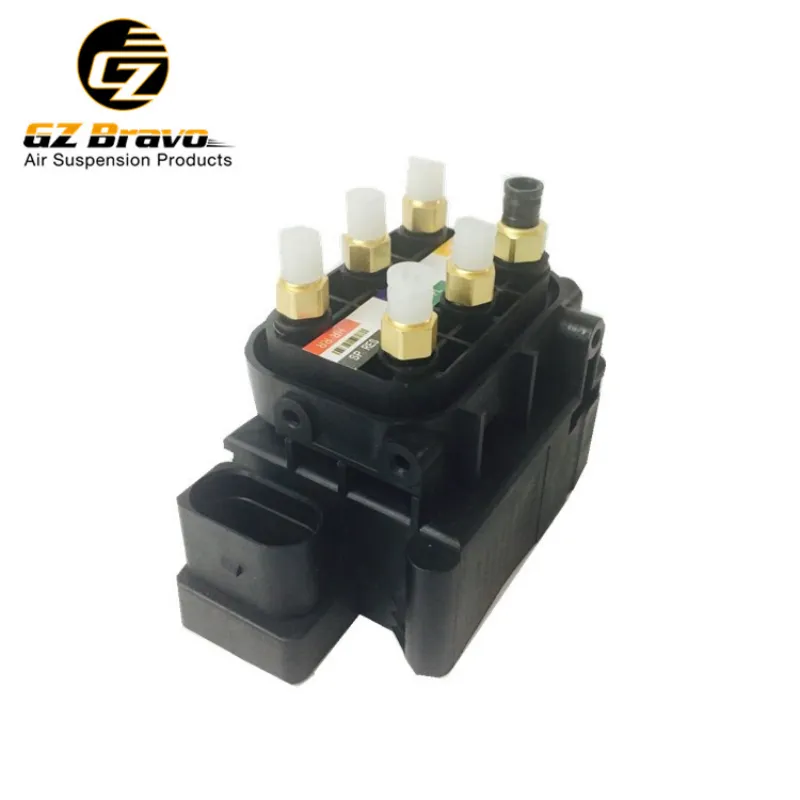
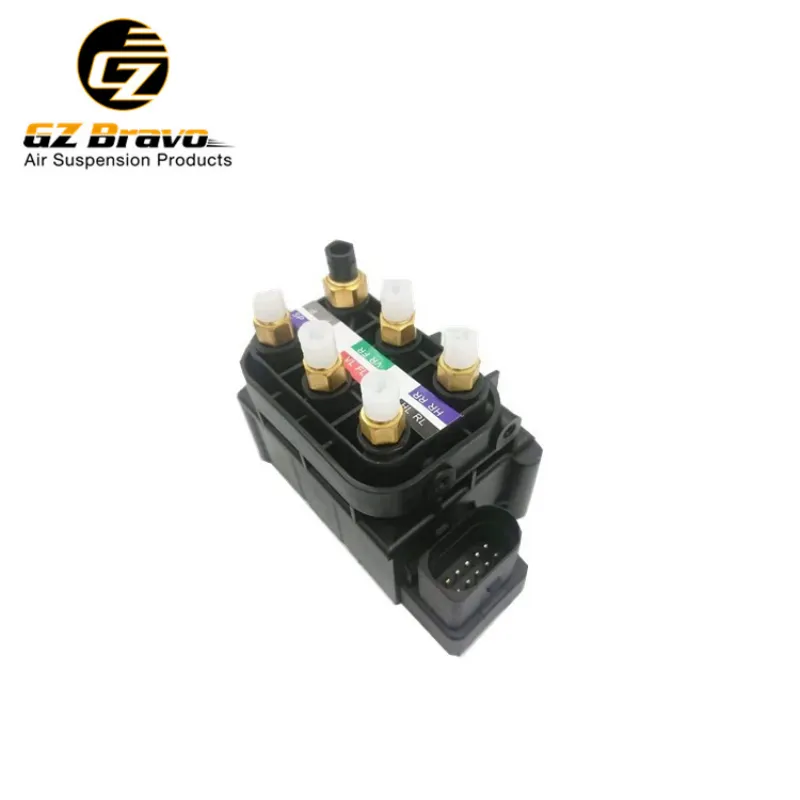
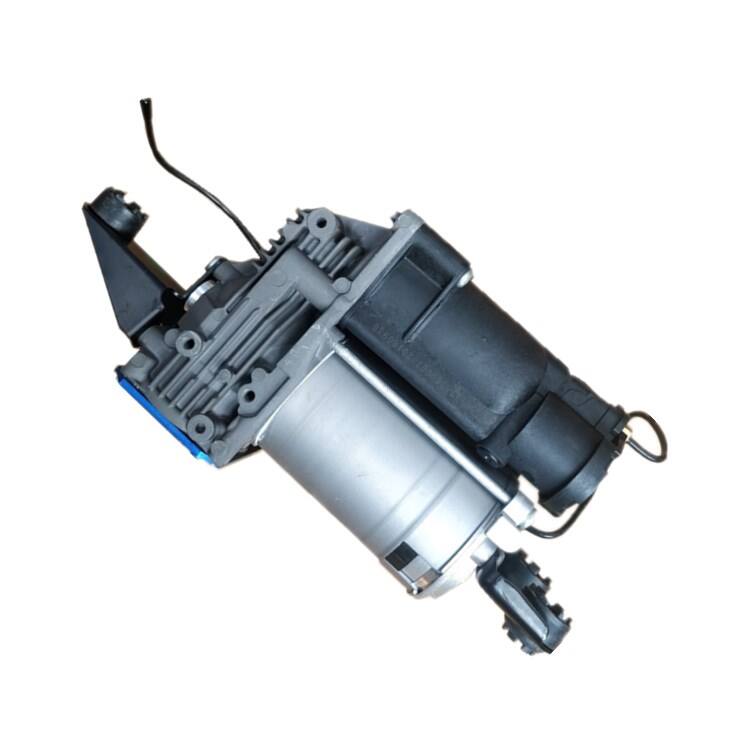
Suspension air represents a revolutionary advancement in automotive technology that transforms the traditional approach to vehicle suspension systems. This sophisticated system utilizes compressed air instead of conventional steel springs to support the vehicle's weight and absorb road irregularities. The suspension air mechanism operates through a network of air springs, compressors, valves, and electronic control units that work harmoniously to deliver an unparalleled driving experience. At its core, the suspension air system consists of durable rubber and polyurethane air bags that inflate or deflate based on driving conditions, load requirements, and driver preferences. The main functions of suspension air include automatic ride height adjustment, enhanced comfort through adaptive damping, improved handling characteristics, and the ability to compensate for varying cargo loads. The technological features encompass real-time monitoring sensors that continuously assess road conditions, vehicle speed, and weight distribution. These sensors communicate with an intelligent control module that makes instantaneous adjustments to maintain optimal performance. Modern suspension air systems integrate seamlessly with vehicle stability programs, traction control, and navigation systems to anticipate terrain changes and prepare accordingly. Applications of suspension air extend across multiple vehicle categories, from luxury sedans and high-performance sports cars to heavy-duty trucks and recreational vehicles. In commercial transportation, suspension air proves invaluable for maintaining consistent ride height regardless of cargo weight, protecting sensitive freight from vibration damage, and reducing driver fatigue during long hauls. Passenger vehicles benefit from the comfort-enhancing properties that isolate occupants from road imperfections while maintaining precise handling dynamics. The versatility of suspension air makes it particularly attractive for vehicles that encounter diverse operating conditions, whether navigating urban streets, traversing rough terrain, or cruising on highways. This adaptability positions suspension air as a cornerstone technology for modern vehicle engineering.

 EN
EN